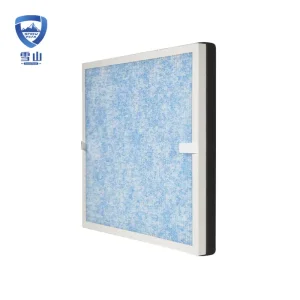
Premium OEM solutions engineered for high dust-holding capacity, low air resistance, and superior VOC abatement.
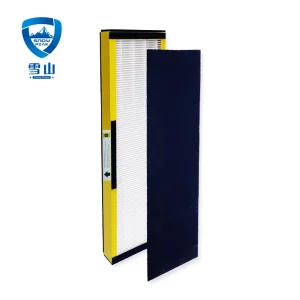
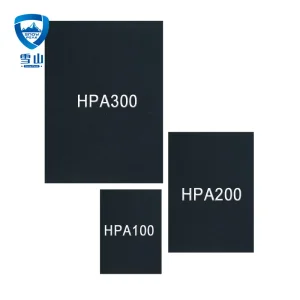
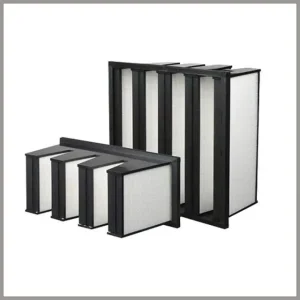
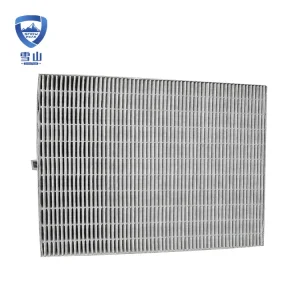
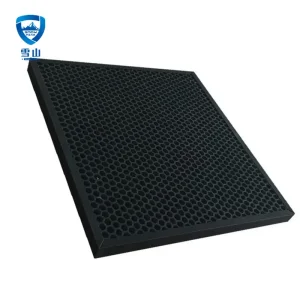
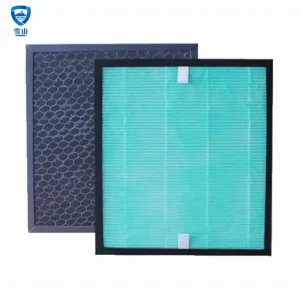
In modern industrial and residential air quality management, active carbon filters represent the frontline defense against Volatile Organic Compounds (VOCs), acidic gases, traffic soot, and chemical outgassing. The operational efficacy of window carbon filters is fundamentally governed by the principles of molecular adsorption. Unlike mechanical filtration which sieves physical particles based on dimensional barriers, carbon filtration operates via physical adsorption (van der Waals forces) and, when chemical impregnants are added, chemisorption.
At the molecular scale, activated carbon features a highly developed pore structure. The internal surface area of high-grade activated carbon can range from 800 to over 1,500 square meters per gram. This vast surface area is divided into three distinct pore classifications:
When selecting carbon media for OEM window filter manufacturing, the selection parameters are critical. The Iodine Number (measuring micropore capacity, targeted at >1000 mg/g) and the Carbon Tetrachloride (CTC) adsorption rating (ideally >60%) serve as primary benchmarks. For localized environments with high nitrogen dioxide (NO2), ozone (O3), or sulfur compounds, the carbon is chemically impregnated with compounds like potassium permanganate (KMnO4) or phosphoric acid to trigger chemisorption, neutralizing hazardous gases into stable, non-volatile compounds.
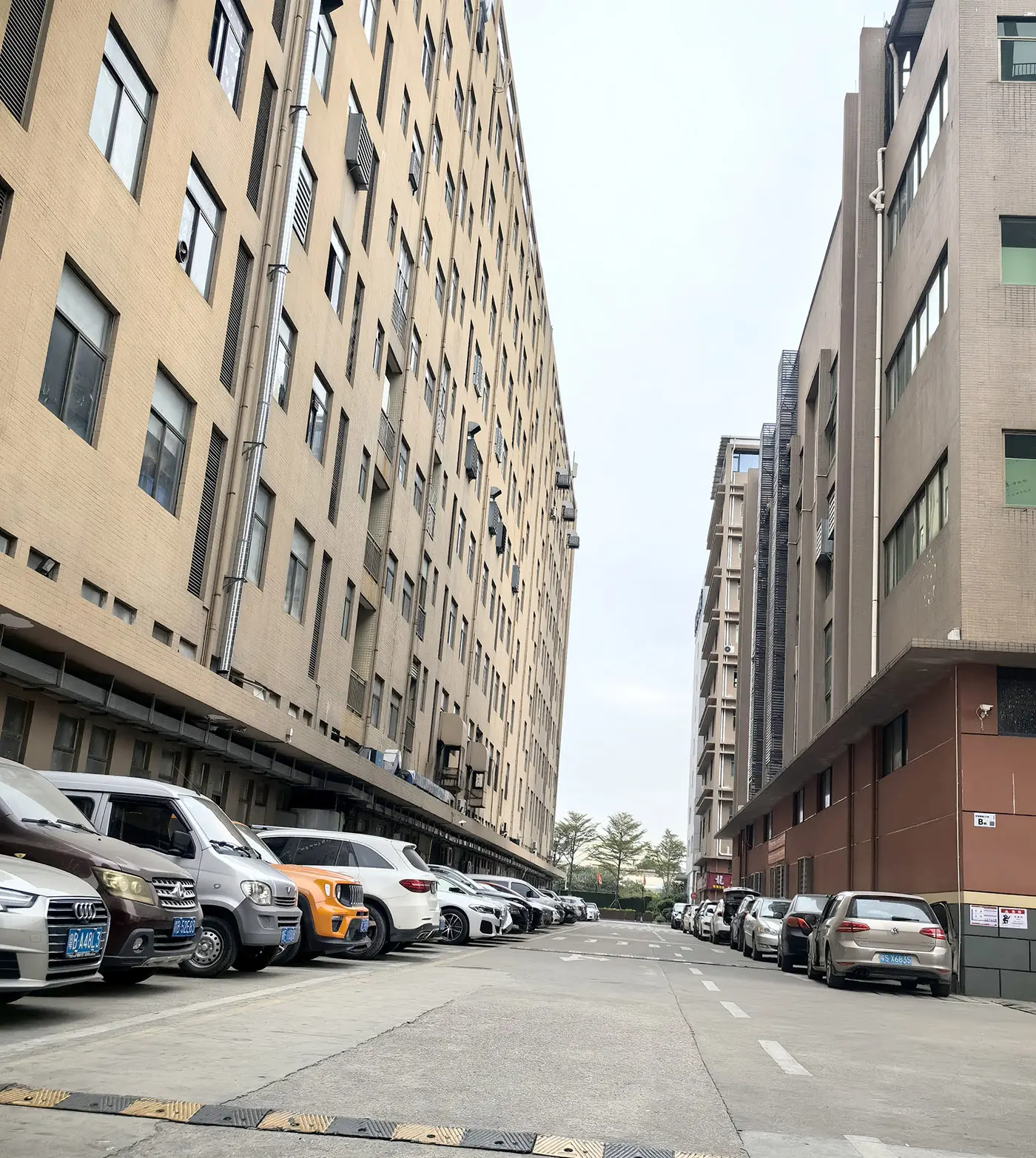
Shenzhen Snow Peak Clean Technology Co., Ltd. is a premier, integrated high-tech enterprise dedicated to the research, development, production, and international distribution of advanced air filtration systems. Our manufacturing paradigm is engineered to address the rising global demand for indoor air pollution control across residential, commercial, medical, and industrial sectors.
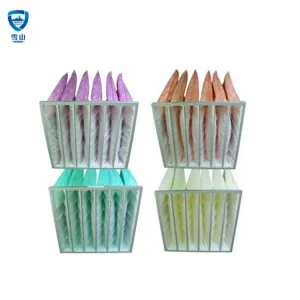
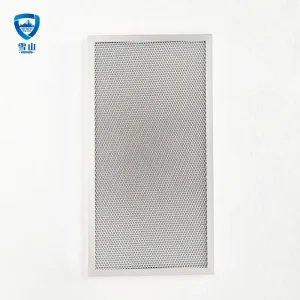
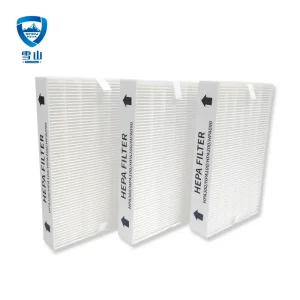
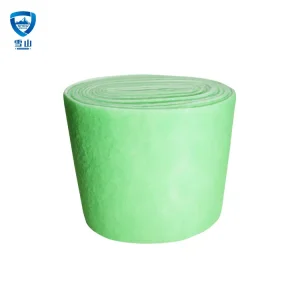
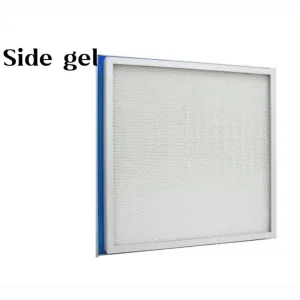
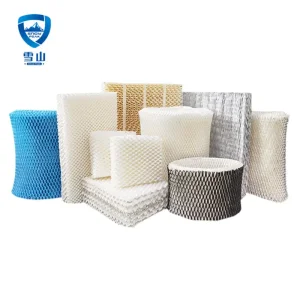
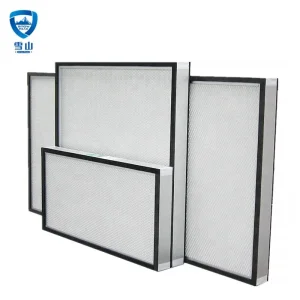
We design and supply a comprehensive portfolio of clean air technologies: Pre-filters, high-capacity pocket filters, medical-grade HEPA filters, specialized chemical filters, replacement cabin filters, and humidifier wicks. Combined with our self-developed patented technologies, our sterilizing antiviral HEPA filter can effectively filtrate fine particulate matter, keeping PM2.5 concentrations below 10 micrograms per cubic meter—five times better than standard guidelines. Furthermore, our antiviral media halts microbial reproduction at the surface, showing a sterilization rate of 99.9% and a documented clearance of H1N1 virus up to 99.99% with zero secondary pollution risk.
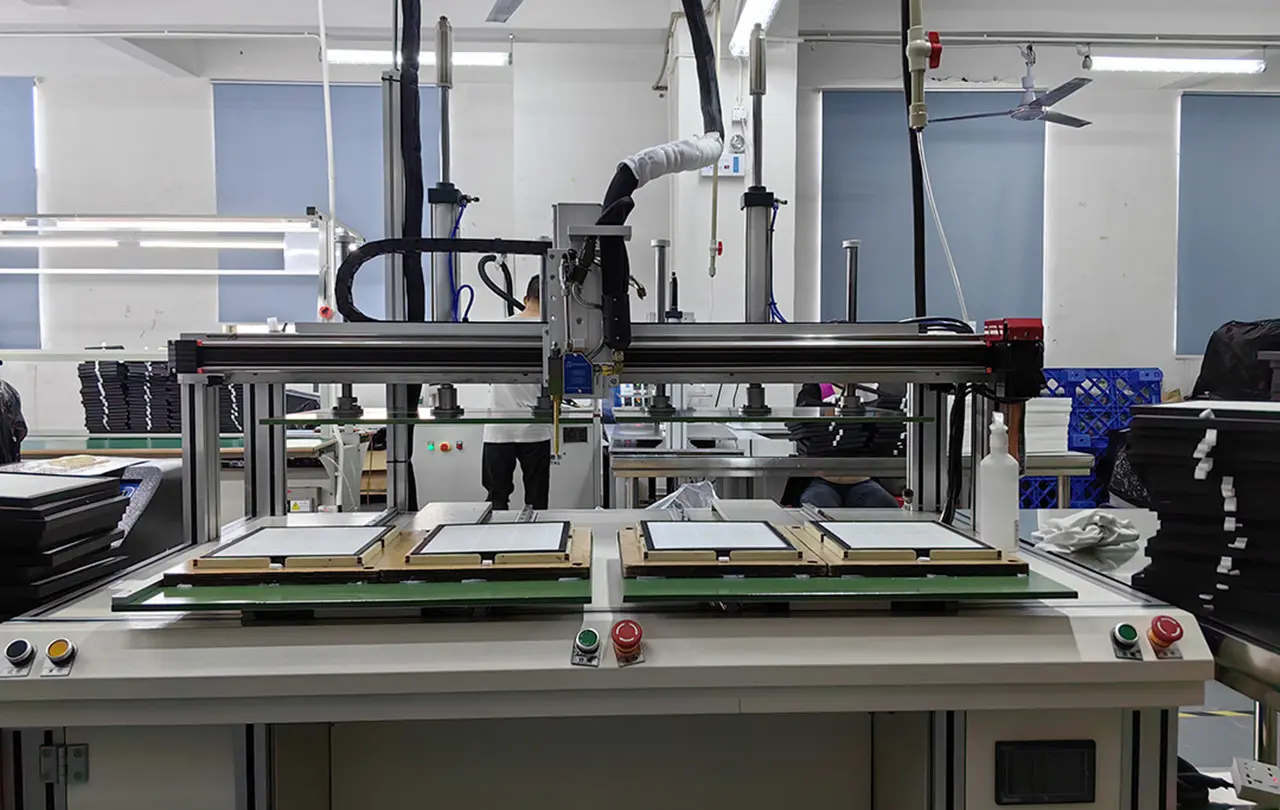
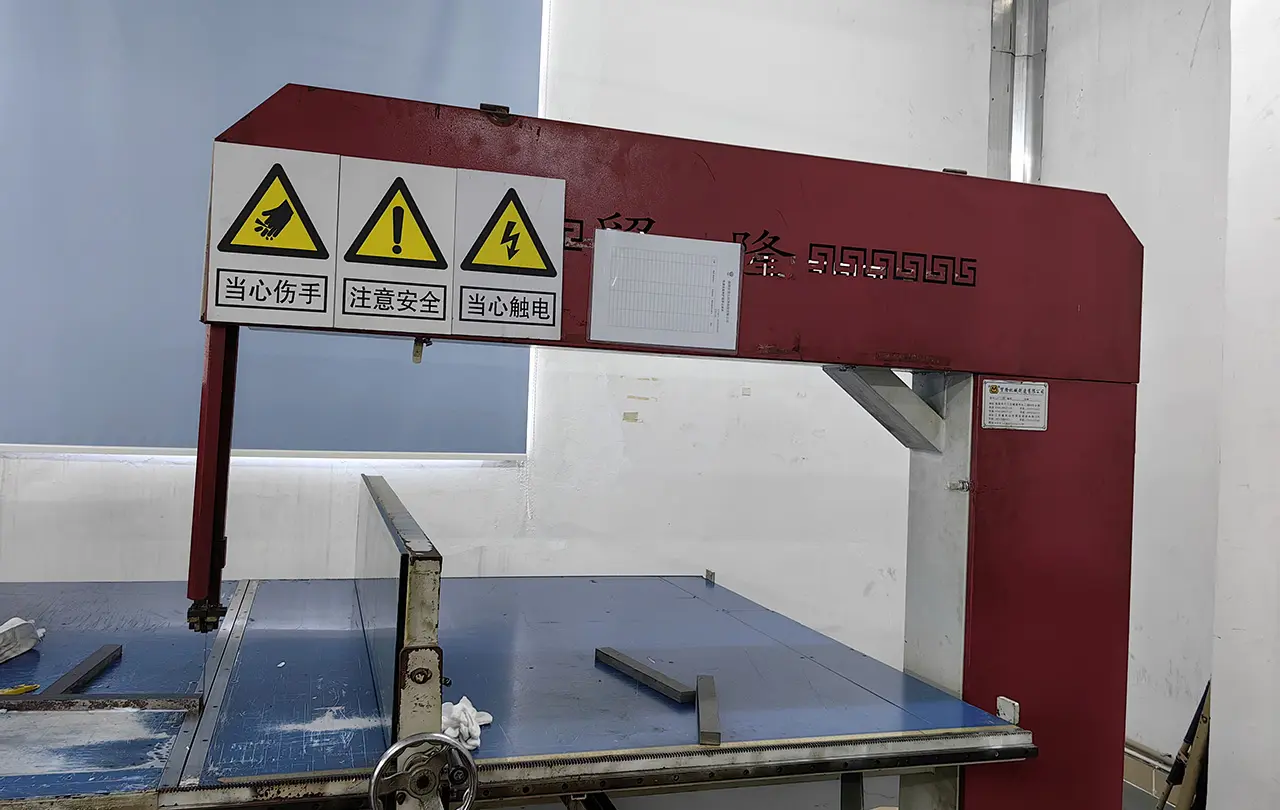
To back up our technical capabilities, our facility operates high-end processing equipment and advanced automated assembly corridors. Our production workshop features heavy machinery like the AMADA CNC punch press and precision CNC bending machines, which ensure precise tolerances on all sheet metal and structured casing components. Over 15 years of air purification technology development has enabled us to build automated, highly consistent pleating and assembly configurations, guaranteeing identical performance metrics across production batches.
Examine the technical execution across our dedicated clean room manufacturing processes, utilizing custom pleating and computer-guided adhesive systems.
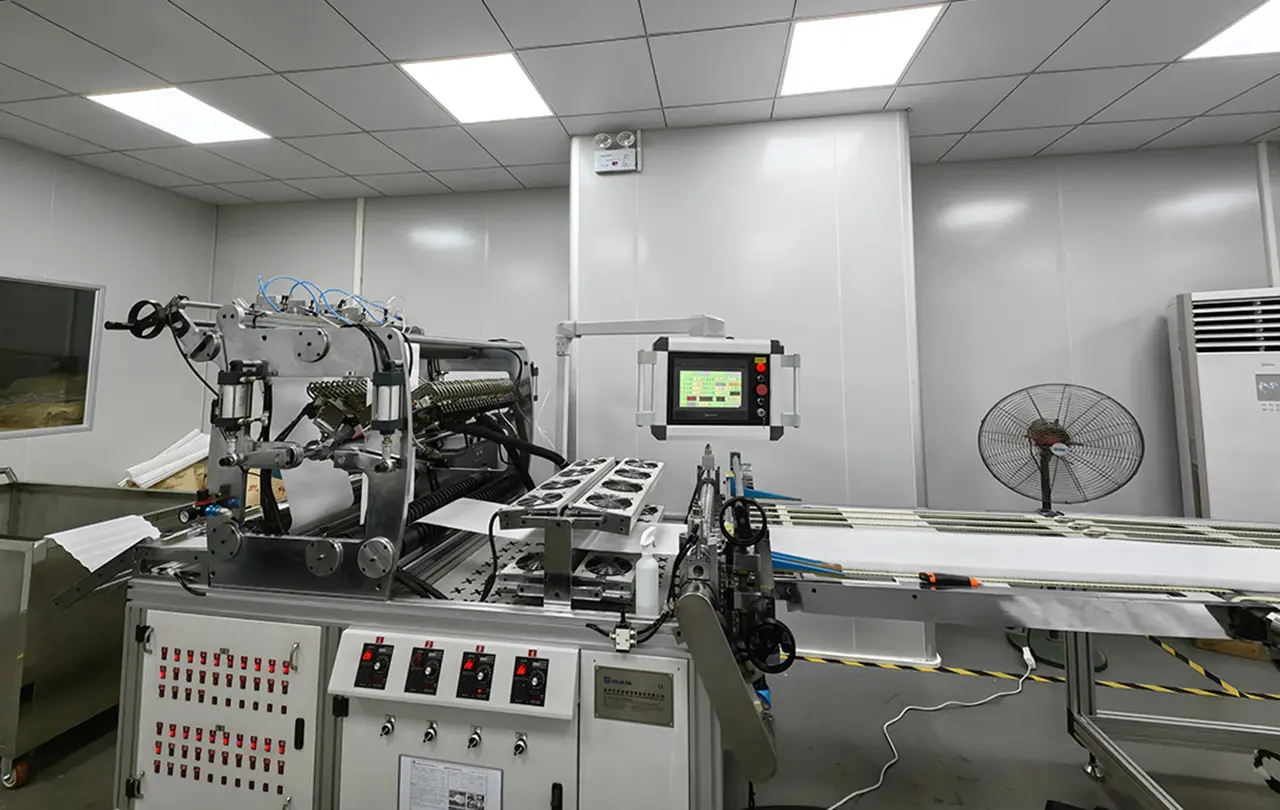
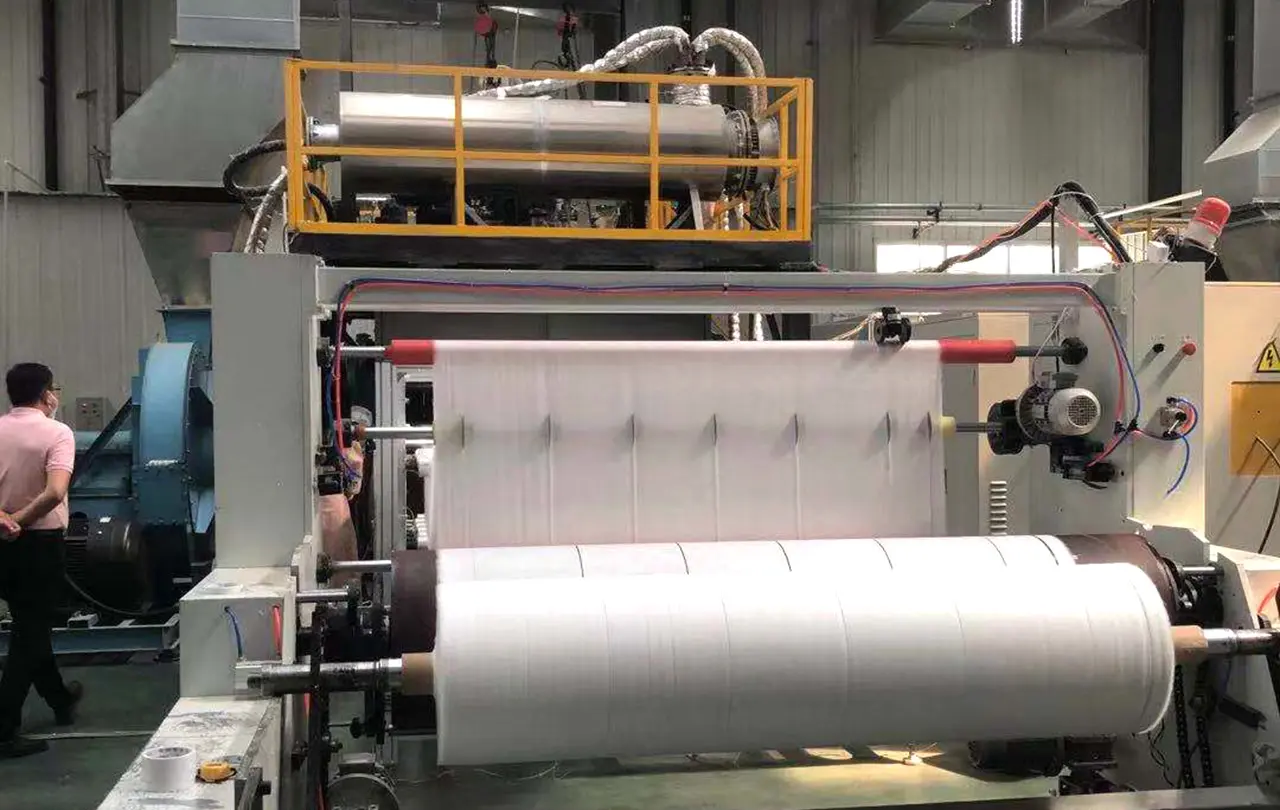
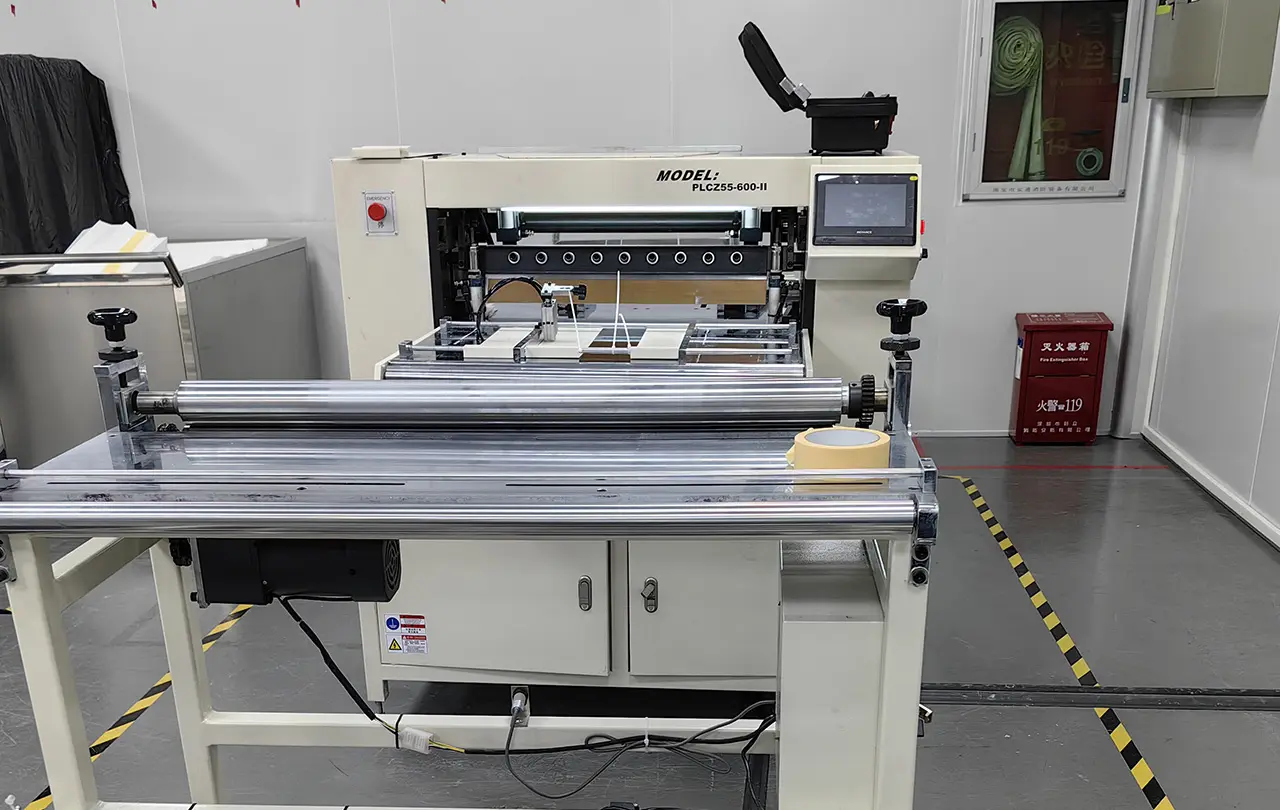
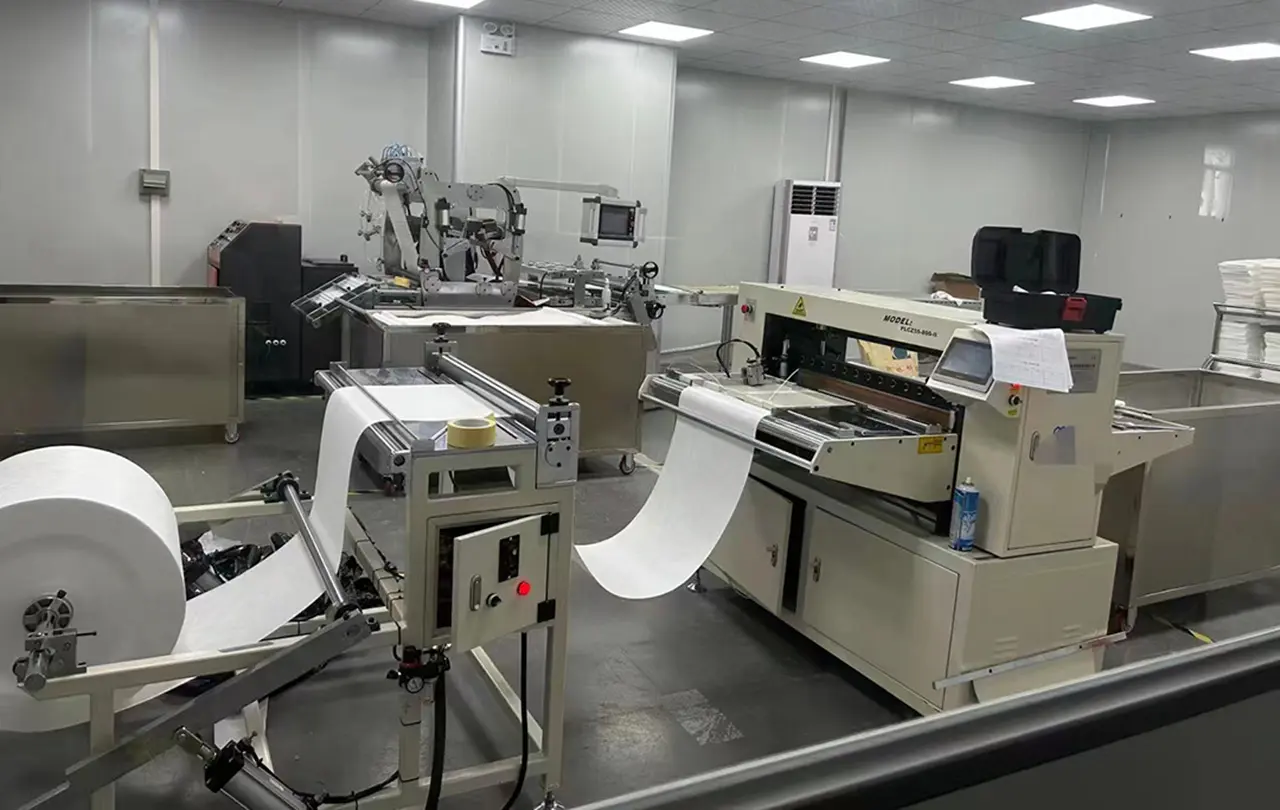
Air filtration challenges vary significantly by geographic location, building design, and local environmental factors. By engineering custom OEM carbon window filters, we help our clients target localized gas-phase contaminants, achieving maximum purification efficiency and extending filter lifespans.
In highly populated city centers, residences face continuous exposure to traffic exhaust emissions, including nitrogen dioxide (NO2), carbon monoxide (CO), and diesel soot. Standard mechanical filters cannot block these gases. Integrating window carbon filters with a high micropore density ensures these gaseous pollutants are adsorbed before they enter the living space.
Modern commercial buildings utilize fresh air supply systems that pull outdoor air directly into the building envelope. By retrofitting these intake systems with V-bank or composite honeycomb activated carbon filters, commercial offices can minimize internal carbon dioxide accumulation and eliminate outdoor smog, ensuring a healthier and more productive environment.
Microelectronics fabrication facilities and biological research laboratories require strict control over Airborne Molecular Contamination (AMC). Even trace concentrations of acid gases or volatile organics can disrupt semiconductor yields or biological cultures. Specialized gas-phase carbon filters provide a reliable chemical barrier within these highly controlled environments.
The next generation of gas-phase filtration focuses on reducing operational costs, increasing target chemical specificity, and improving sustainability. As a leading manufacturer, Shenzhen Snow Peak is continuously evaluating new materials and techniques to incorporate into our products:
Traditional activated carbon is highly effective across a broad spectrum of VOCs, but its adsorption efficiency decreases for small, highly polar molecules like formaldehyde or ammonia. We are researching the integration of Metal-Organic Frameworks (MOFs)—crystalline, porous materials that can be custom-synthesized to target specific hazardous gases. This hybrid approach delivers up to five times the gas adsorption capacity of conventional carbon media in target applications.
Environmental responsibility is shifting focus away from coal-based carbons toward renewable, agricultural byproducts like coconut shell, bamboo, and agricultural residues. Coconut shell activated carbon has a higher density of micro-pores than coal-based options, making it more effective at adsorbing common indoor air pollutants while also lowering the carbon footprint of the manufacturing process.
Shenzhen's manufacturing ecosystem provides a strong foundation for high-quality, cost-effective air filter production. Our strategic location offers several key operational advantages:
Shenzhen Snow Peak maintains strict quality control measures to ensure consistent performance. All filtration products undergo a series of testing procedures before leaving our facility:
Our true HEPA filters undergo particulate efficiency testing under EN 1822 standards, verifying fractional collection efficiency at MPPS (Most Penetrating Particle Size) for levels from H13 to U15.
Our pre-filters and pocket filtration media are classified under ISO 16890 (ePM1, ePM2.5, ePM10), providing transparent particulate performance profiles for HVAC and ventilation systems.
Our products carry full CE and RoHS certifications, ensuring compliance with European environmental and safety regulations for direct integration into commercial appliances.
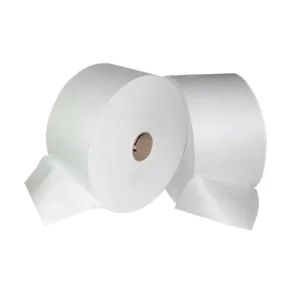
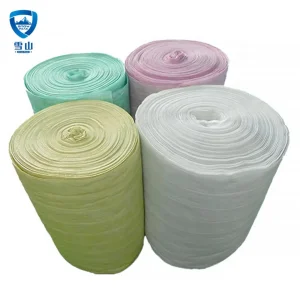
Explore our full range of certified air filters, customized media rolls, and specialized components.
 Snow Peak