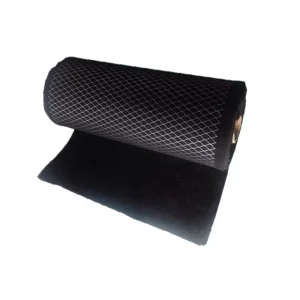
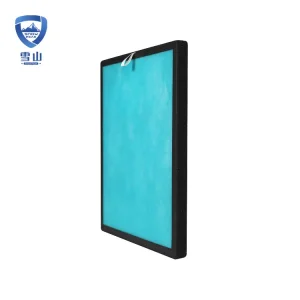
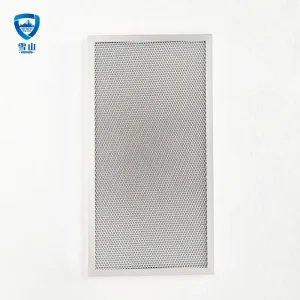
Explore our specialized range of activated charcoal systems, customized air filter media, and replacement elements engineered for commercial and industrial applications.
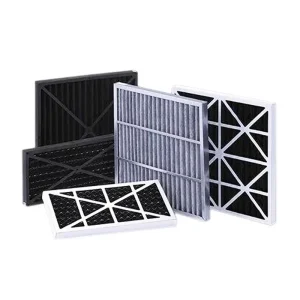
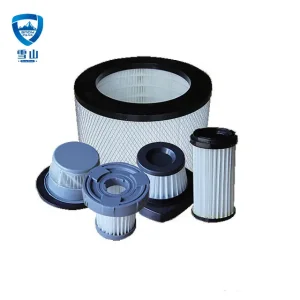
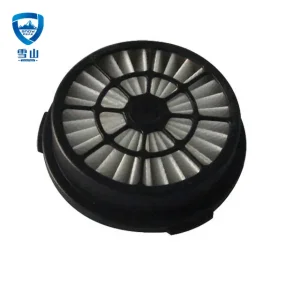
An in-depth analysis of physical adsorption, chemisorption kinetics, and the integration of carbon filter systems in modern mechanical ventilation.
At the molecular scale, Activated Carbon (AC) filtration functions via Van der Waals forces, enabling physical adsorption (physisorption) of Volatile Organic Compounds (VOCs), odor molecules, and airborne toxic pollutants. The efficacy of an HVAC carbon filter is primarily dictated by the internal pore-size distribution. Micro-porous structures (pore diameters less than 2 nm) provide the high surface area necessary for trapping low-molecular-weight gaseous contaminants, whereas meso-porous structures (2 to 50 nm) facilitate mass transport and diffusion of larger molecules into the carbon matrix.
For wholesale distribution and heavy industrial procurement, specifying parameters like the Iodine Value (typically ranging from 900 to 1100 mg/g) and CTC (Carbon Tetrachloride) Adsorption Rating (ideally 60% or higher) is critical. These metrics serve as direct indicators of the filter's potential capacity. In commercial buildings, where dynamic loads of VOCs from paints, office equipment, and ambient traffic exist, installing carbon media with a high BET (Brunauer-Emmett-Teller) surface area—often exceeding 1000 m²/g—is essential to guarantee longer service lifespans and reduce maintenance downtime.
The operational lifetime of an active carbon bed is calculated using modified Wheeler-Jonas equations, factoring in the bed depth ($L$), superficial air velocity ($v$), concentration of entering gas ($C_0$), and the adsorption capacity ($W_e$). Increasing density and optimizing the pleated surface area are critical to reducing velocity and maximizing contact (residence) time within the carbon matrix.
While standard physical adsorption is effective for heavy hydrocarbons, it is inherently inefficient for light, highly polar gases such as formaldehyde ($CH_2O$), sulfur dioxide ($SO_2$), hydrogen sulfide ($H_2S$), and ammonia ($NH_3$). To target these hazardous molecules, chemical modification (chemisorption) via chemical impregnation is utilized. In these configurations, activated carbon is treated with chemical reagents like phosphoric acid, potassium hydroxide ($KOH$), or potassium permanganate ($KMnO_4$). This triggers an irreversible chemical reaction on the carbon surface, chemically bonding the gas molecules to the carbon substrate and neutralizing them permanently.
This dual approach (combining virgin activated carbon and chemically impregnated carbon) is highly prioritized in laboratories, microelectronics cleanrooms, and municipal waste facilities. Modern HVAC filtration integrates composite laminated structures, combining particulate capture (such as MERV 13 to HEPA levels) with high-density carbon networks. This integration prevents dust-loading of the carbon pores, maintaining low resistance to airflow.
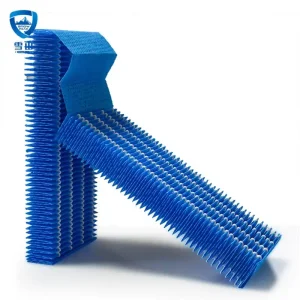
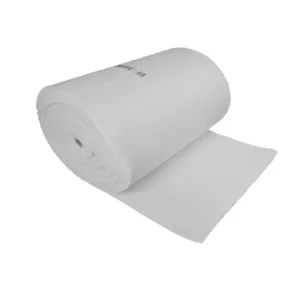
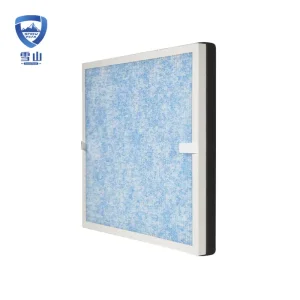
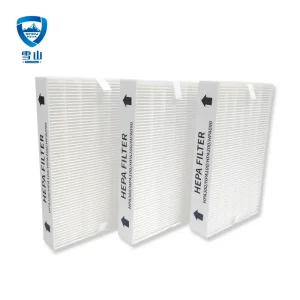
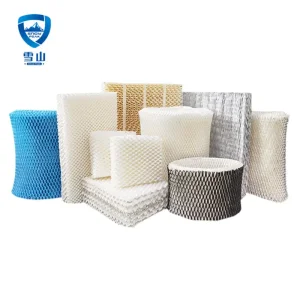
Shenzhen Snow Peak Clean Technology Co., Ltd. is an integrated high-tech enterprise, specialized in air filtration products research and development, production, sales, import and export trade. We produce and supply: Pre-filter, pocket filter, HEPA filter, chemical filter; replacement HEPA filter, car cabin air filter, humidifier filter; pocket filter media, melt-blown composite filter media, and other high-performance filter materials; provide high quality air purification solutions and products for indoor air pollution control and air conditioning systems of civil and industrial buildings, microelectronics, pharmaceutical, laboratory, school, hospital clean room etc.
Combined with self-developed patented technology, our sterilizing antiviral HEPA filter can effectively filtrate fine particles, so that PM2.5 concentration down to 10 micrograms/m3, 5 times better than national standard; effectively inhibit the breeding of microorganisms, sterilization rate up to 99.9%, and no secondary pollution, removal of H1N1 virus efficiency as high as 99.99%.
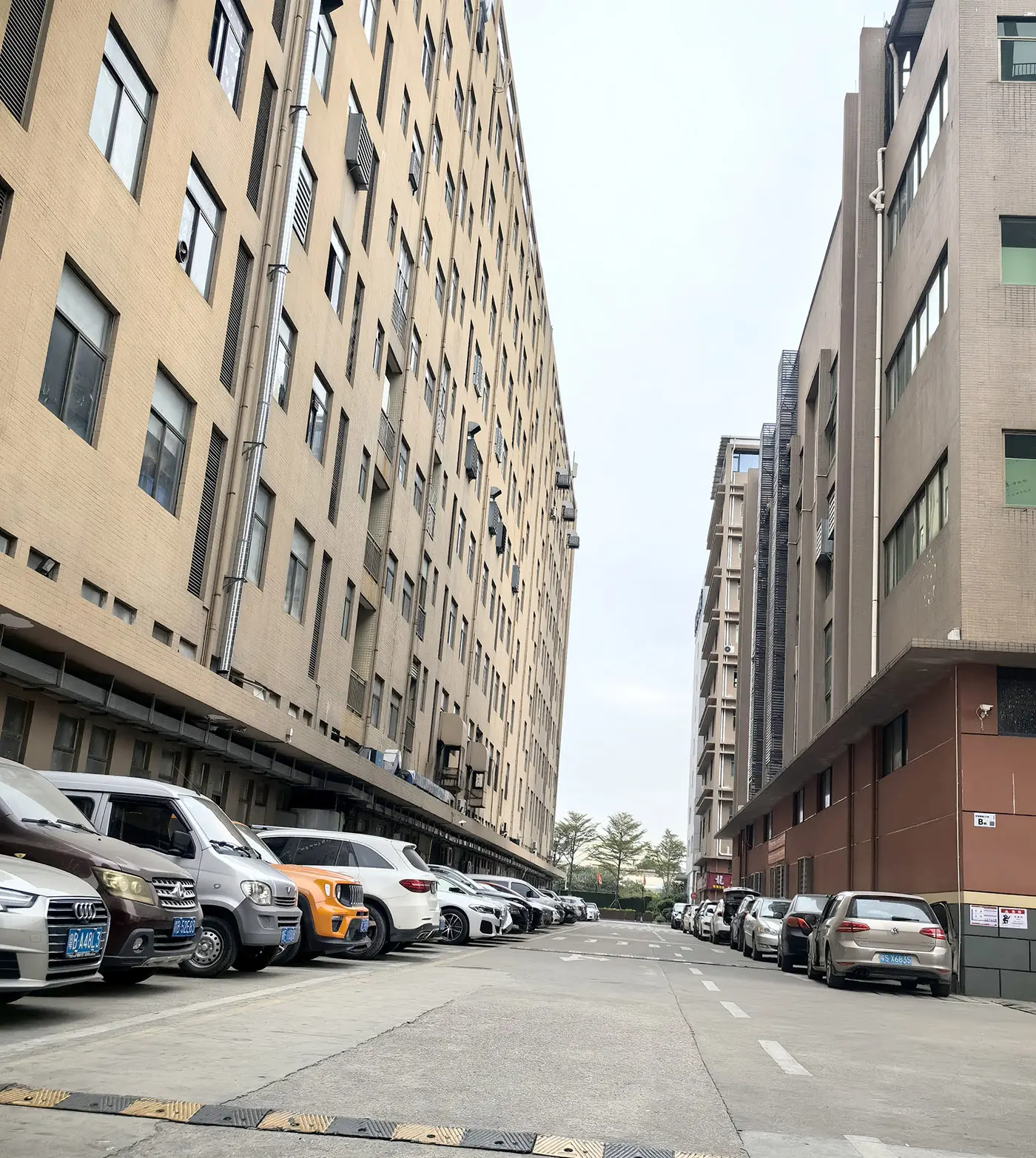
Examining regional regulatory standards, urbanization dynamics, and emerging requirements across the air filtration value chain.
The demand for wholesale activated charcoal filters has increased rapidly, driven by revisions to building codes and occupational health regulations. Standards such as ASHRAE 62.1 (Ventilation for Acceptable Indoor Air Quality) in North America and EN 16798-3 in Europe mandate strict limits on outdoor gaseous contaminants (like ozone, nitrogen oxides, and sulfur dioxide) entering commercial structures. In high-density urban areas experiencing heavy traffic or industrial smog, building management systems must deploy multi-stage chemical carbon scrubbers combined with particulate pre-filters to maintain acceptable IAQ thresholds.
A challenge in deploying activated carbon filters is the associated static pressure drop. Conventional loose-fill deep-bed carbon canisters demand high fan horsepower, increasing building energy use. As the market transitions toward carbon neutrality, suppliers are focusing on low-resistance technologies. Developing pleated carbon composite media, cellular honeycomb lattices, and electrospun carbon-mesh structures allows HVAC systems to achieve higher gas-removal efficiency with minimal resistance, aligning with energy conservation targets.
Our customized filtration solutions cater to several critical sectors:
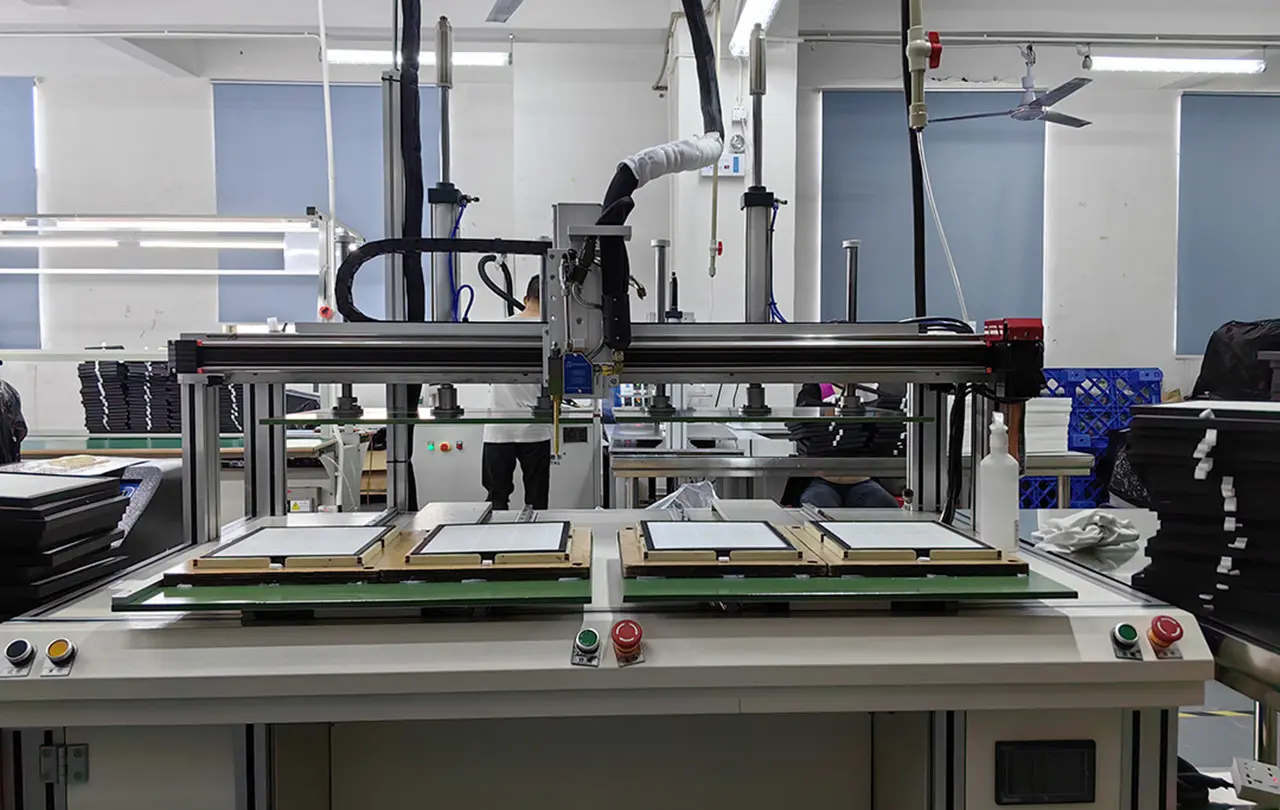
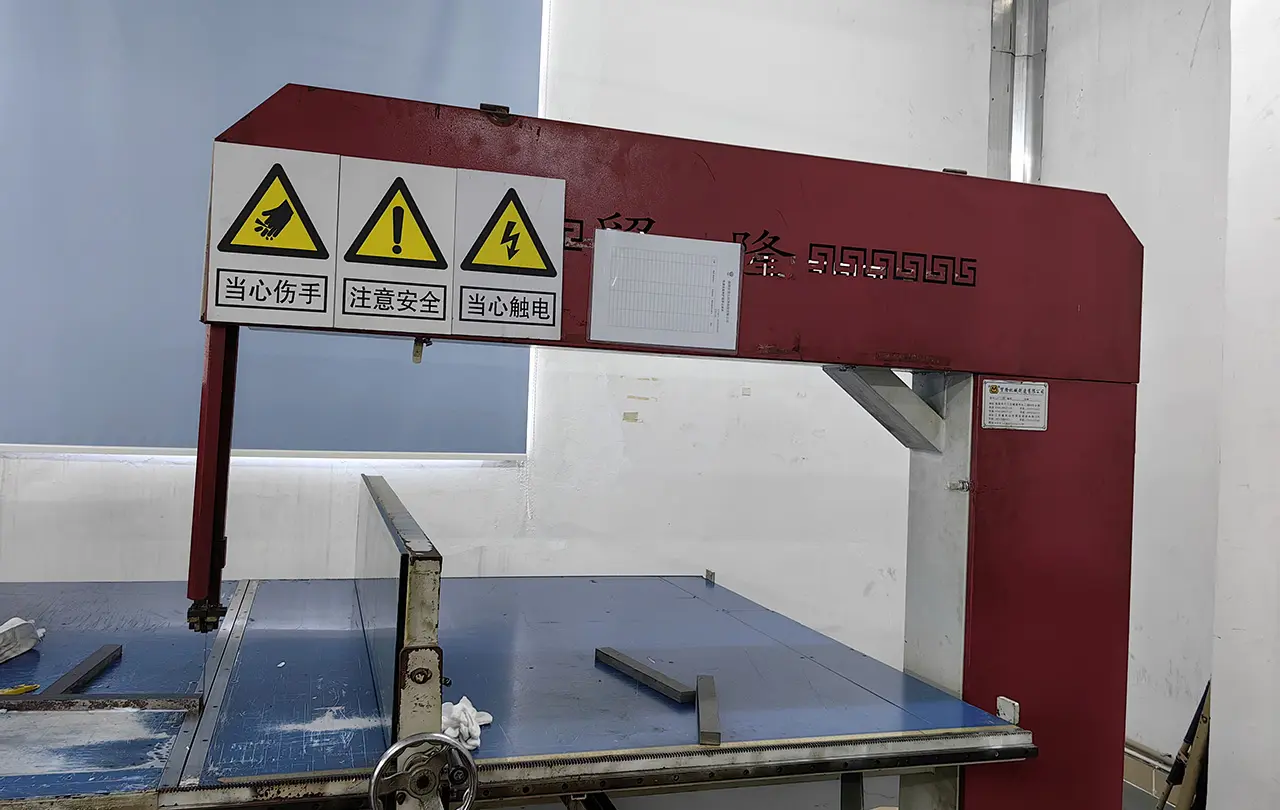
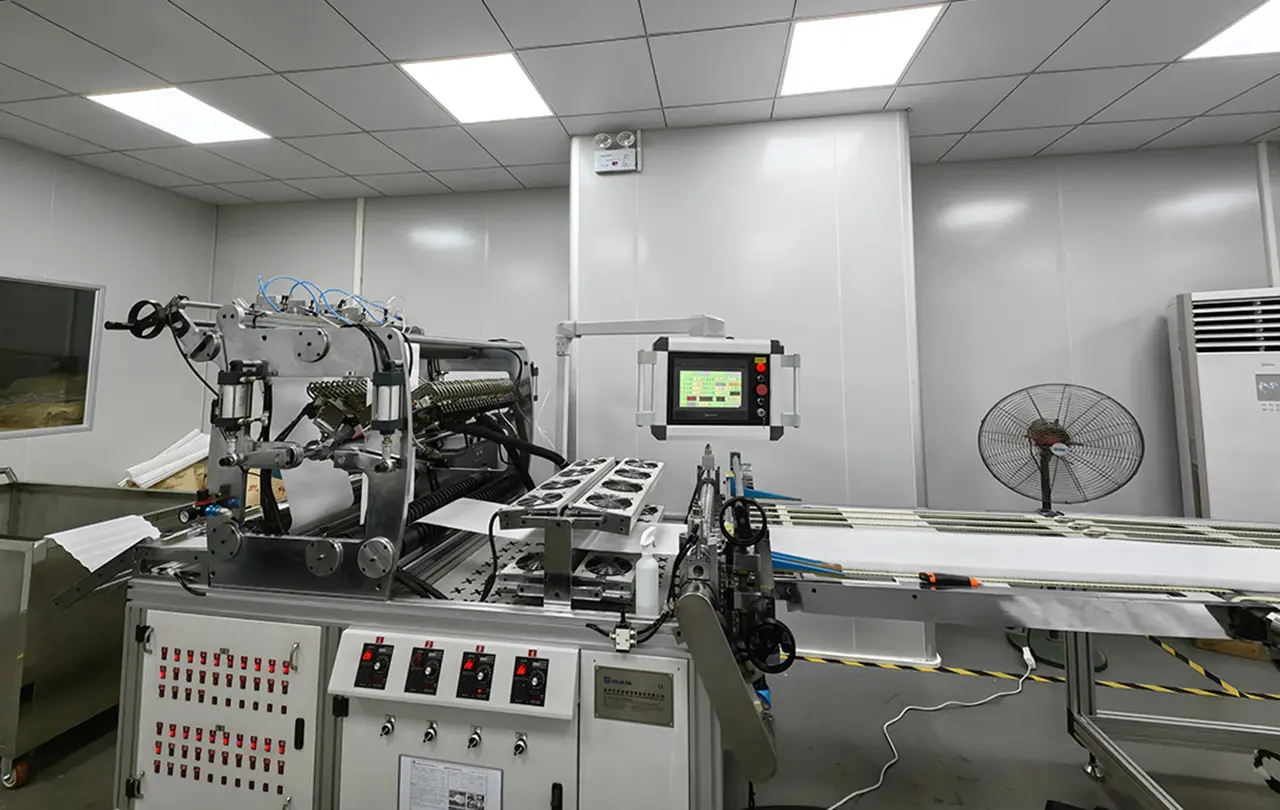
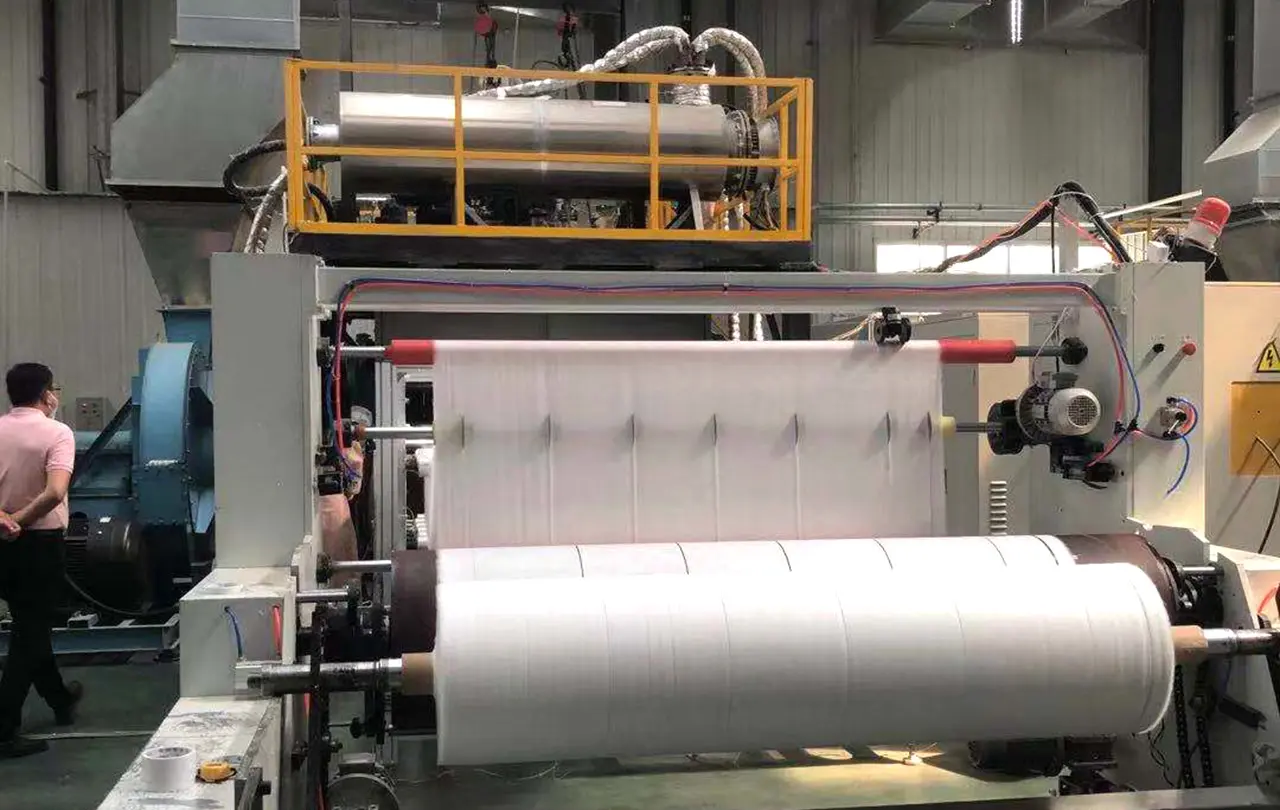
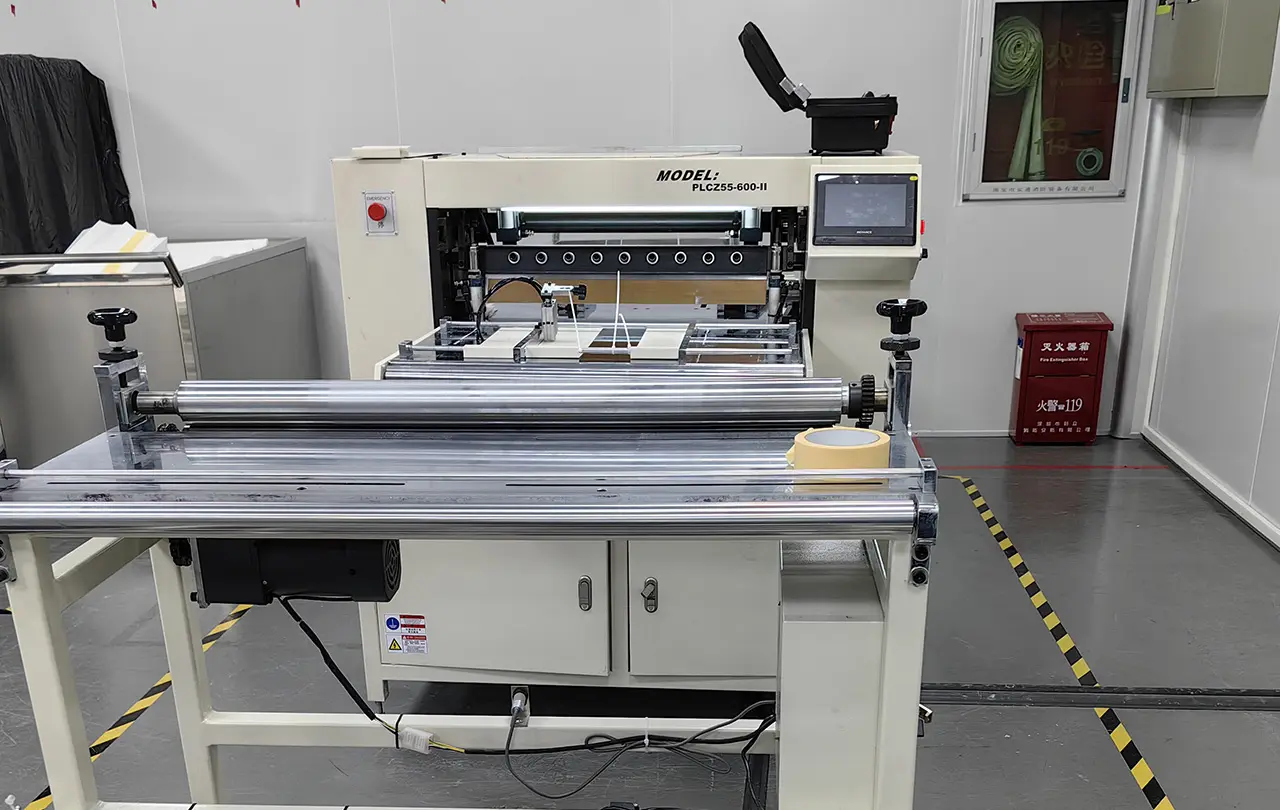
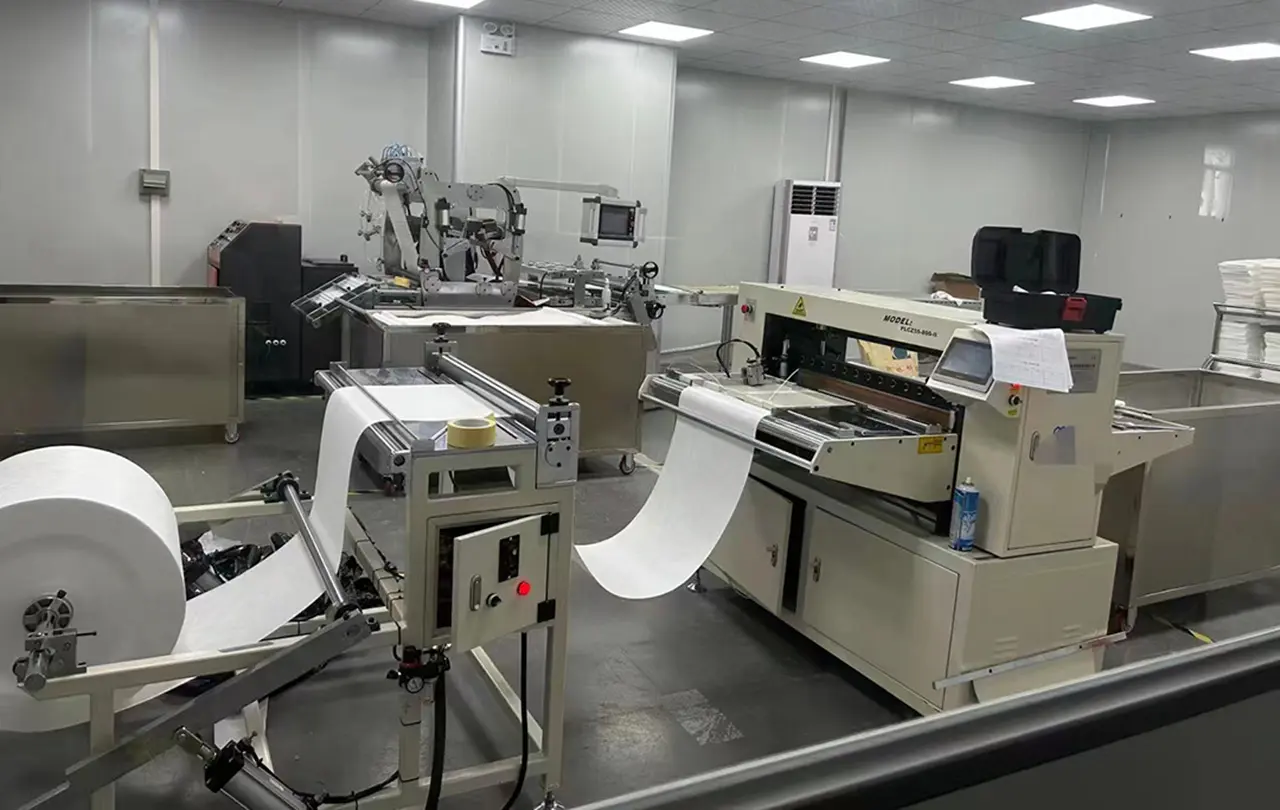
With 15 years of international air purification technology experience as the background, our company has standardized production workshop, dust-free filter workshop and first-class technology of HEPA filters production line and inspection line, independent research and development of fully automatic air filter production line, equipped with AMADA CNC punch and CNC bending machine as well as many other advanced high-end equipment, provide a strong guarantee for production and quality of air filtration and purification products.
Investigating the next frontiers in molecular clean-air technology, nanotechnology, and smart sensor-enabled operations.
The next stage of industrial filtration involves integrating Metal-Organic Frameworks (MOFs) into standard activated carbon matrices. MOFs possess highly customizable pore geometries and exceptional surface-area-to-mass ratios, which can exceed 7,000 m²/g. By combining carbon structures with custom MOFs, future HVAC filters will be capable of target-adsorbing specific greenhouse gases and highly volatile organic molecules that bypass standard carbon media, achieving near-zero molecular contamination levels.
Determining when an activated carbon bed has reached capacity remains a challenge. Historically, operators replaced carbon filters based on schedule-based intervals, which could lead to early disposal or premature breakthrough. The industry is transitioning toward smart filter monitoring. Integrating thin-film semiconductor gas sensors into the filter housings allows building automation systems to monitor gas concentrations upstream and downstream, predicting breakthrough points and optimizing replacement cycles.
The environmental impact of raw carbon sourcing is driving shifts toward renewable precursors. Modern production lines utilize coconut-shell based carbon and agricultural biomass waste, carbonized via low-emission thermal reactivation processes. Regenerative services allow spent carbon to be thermally reactivated rather than landfilled, reducing life-cycle carbon footprints.
Explore our specialized range of activated charcoal systems, customized air filter media, and replacement elements engineered for commercial and industrial applications.
Detailed insights to assist HVAC engineers, procurement managers, and facility executives in selecting suitable cleanroom and air filtration solutions.
In typical commercial spaces, standard carbon media will reach equilibrium saturation within 6 to 12 months, depending on the dynamic VOC levels. In cleanrooms and industrial facilities, chemical gas sensors or pilot carbon testing are recommended to determine carbon saturation and schedule replacement cycles accurately.
Virgin activated carbon is highly non-polar, which limits its capacity to physically capture small, polar gas molecules. Impregnating the carbon with reactive compounds like phosphoric acid (for ammonia) or potassium hydroxide (for acid gases like $SO_2$ and $H_2S$) induces chemisorption, neutralizing target gases through chemical reactions.
We provide integrated high-tech R&D with over 15 years of industry experience. Our manufacturing base is equipped with automatic filter production lines, AMADA CNC punching, and bending machines. Our patented sterilizing antiviral HEPA filters achieve a 99.99% sterilization rate against H1N1 without causing secondary emissions, ensuring performance standards are met for high-end cleanrooms.
We design composite and pleated carbon filters with optimized media thickness and spacing, lowering initial pressure drop. Honeycomb active-carbon media designs provide high face-velocity tolerance and low static resistance, enabling HVAC fans to operate efficiently while maintaining high air-cleaning rates.
Yes, our products are engineered to fit standard universal holding frames in AHUs. We offer customization options (such as cardboards, galvanized sheet metal, or aluminum frames) to match your dimensional and airflow specifications.
 Snow Peak