High-efficiency filters designed for industrial environments, high gas-phase adsorption, and cleanroom requirements.
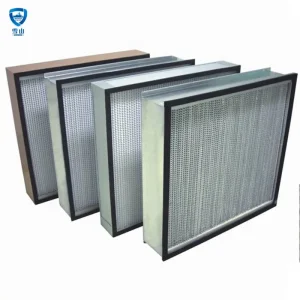
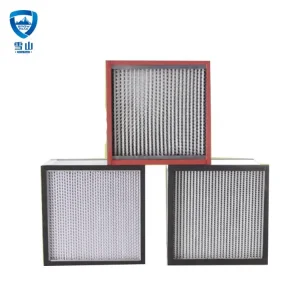
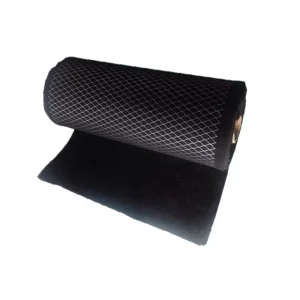
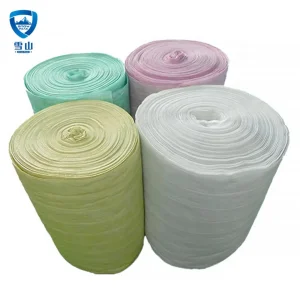
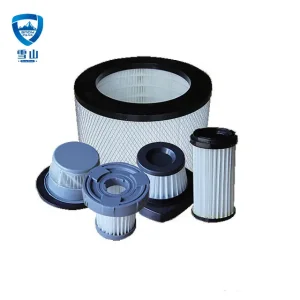
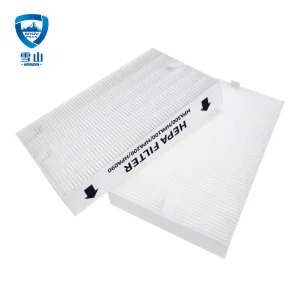
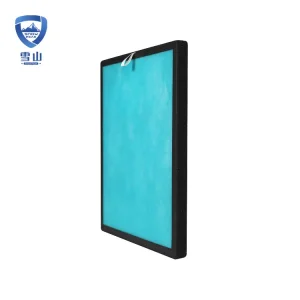
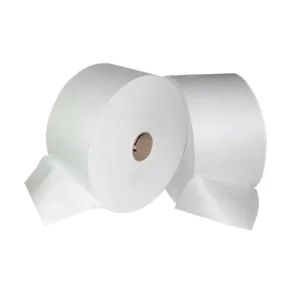
As global industrialization continues to interface with stringent occupational health and environmental standard structures, the necessity of multi-stage gaseous filtration has escalated. Historically, HVAC design focused primarily on trapping large particulates (PM10 to PM2.5) to prevent physical dust accumulation in cooling coils and ductwork. However, in modern air quality management, the focus has shifted toward controlling Volatile Organic Compounds (VOCs), acid vapors, molecular contamination, and odor-causing gases. Activated charcoal vent filters, utilizing physical and chemical adsorption technology, have become critical in this evolution.
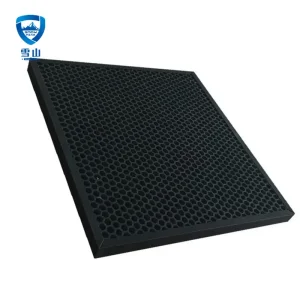
One of the primary trends in the global molecular filtration market is the shift from standard loose-grain carbon trays to highly engineered impregnated carbon substrates and honeycomb structured carbon media. This development addresses the historical trade-off between pressure drop and gas removal efficiency. Traditional carbon beds, while effective, created high static resistance that demanded excessive fan power. The latest generation of composite and carbon-laminated pleated filters offers significantly reduced resistance, maintaining high flow rates even in high-velocity HVAC systems.
Utilizing high iodine-value activated carbon with customized pore size distribution (micropores for light gases, mesopores for larger organics).
Provides massive surface areas with minimum aerodynamic resistance, preventing structural bypass and energy waste.
Impregnation with specific chemical reagents enables the neutralization of volatile acids, alkaline emissions, and formaldehyde.
Furthermore, the integration of smart building management systems (BMS) has driven the demand for real-time monitoring of filter life. Through pressure differential sensors and gas concentration analysis, modern facilities are shifting from rigid schedules to predictive maintenance. This guarantees that carbon filters are replaced at the threshold of saturation, preventing breakthrough events where toxic gases are released back into the supply air stream.
Shenzhen Snow Peak Clean Technology Co., Ltd. is an integrated high-tech enterprise, specialized in air filtration products research and development, production, sales, import and export trade. We produce and supply: Pre-filter, pocket filter, HEPA filter, chemical filter; replacement HEPA filter, car cabin air filter, humidifier filter; pocket filter media, melt-blown composite filter media, and other high-performance filter materials.
Our solutions provide high quality air purification solutions and products for indoor air pollution control and air conditioning systems of civil and industrial buildings, microelectronics, pharmaceutical, laboratory, school, hospital clean rooms, and other demanding environmental fields.
Combined with self-developed patented technology, our sterilizing antiviral HEPA filter can effectively filtrate fine particles, so that PM2.5 concentration down to 10 micrograms/m3, 5 times better than national standard; effectively inhibit the breeding of microorganisms, sterilization rate up to 99.9%, and no secondary pollution, removal of H1N1 virus efficiency as high as 99.99%.
The performance of an activated charcoal vent filter cannot be measured solely by physical particle capture. Instead, it is governed by the laws of chemical thermodynamics and adsorption kinetics. The base activated carbon material possesses a highly developed micro-porous structure, providing internal surface areas ranging from 800 to 1,500 square meters per gram (m²/g). Under physical adsorption (governed by London dispersion forces, a type of Van der Waals force), gas molecules are drawn into the internal pores where they are condensed and retained.
For procurement professionals, understanding these core material specifications is crucial to matching the correct filter product to the target application:
In a volatile global market, procuring high-quality components requires choosing partners that exhibit robust supply chain resilience and advanced automated manufacturing capabilities. At Shenzhen Snow Peak Clean Technology Co., Ltd., we combine strategic raw material sourcing with advanced factory automation to ensure quality consistency, competitive wholesale costs, and rapid production turnaround.
Our standardized workshops feature highly integrated processes that run under rigorous quality control standards, ensuring that every batch shipped to our global customers meets ISO 9001 and CE benchmarks. Below, we showcase our core manufacturing and material processing steps:
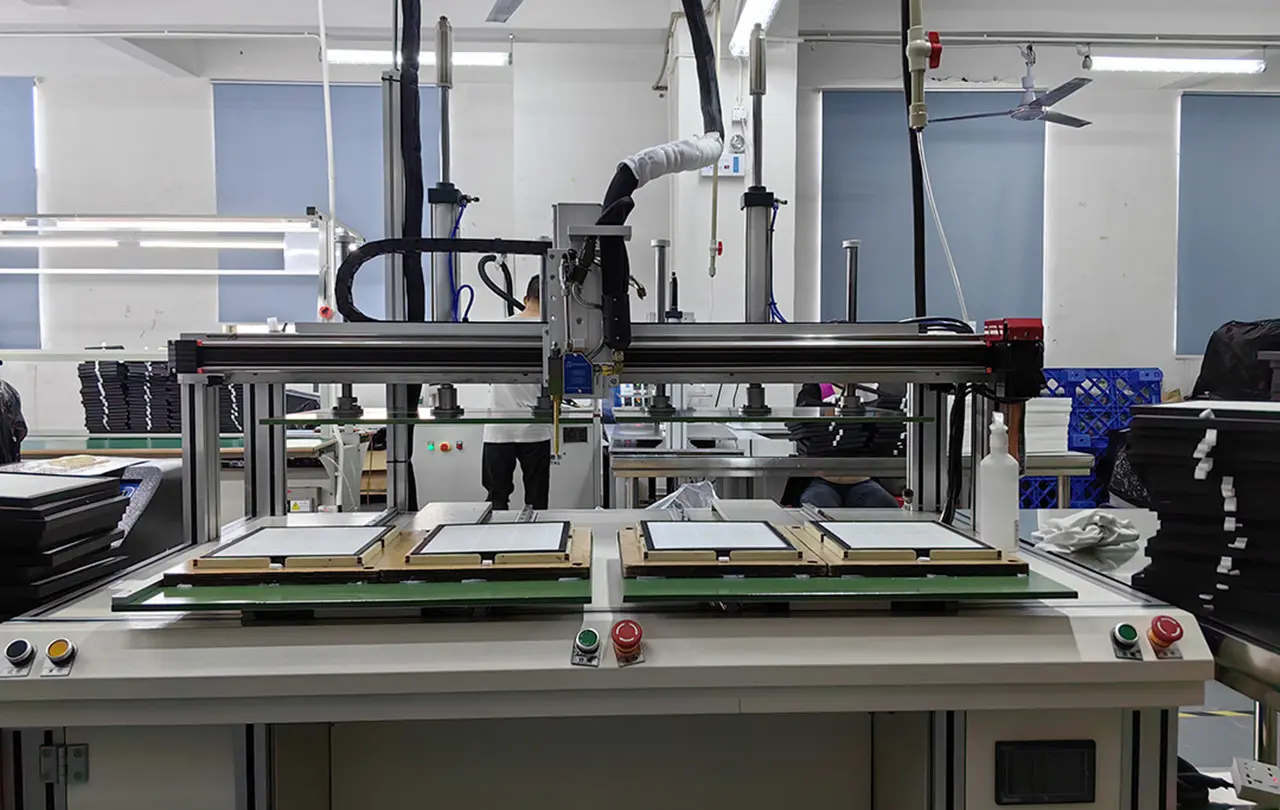
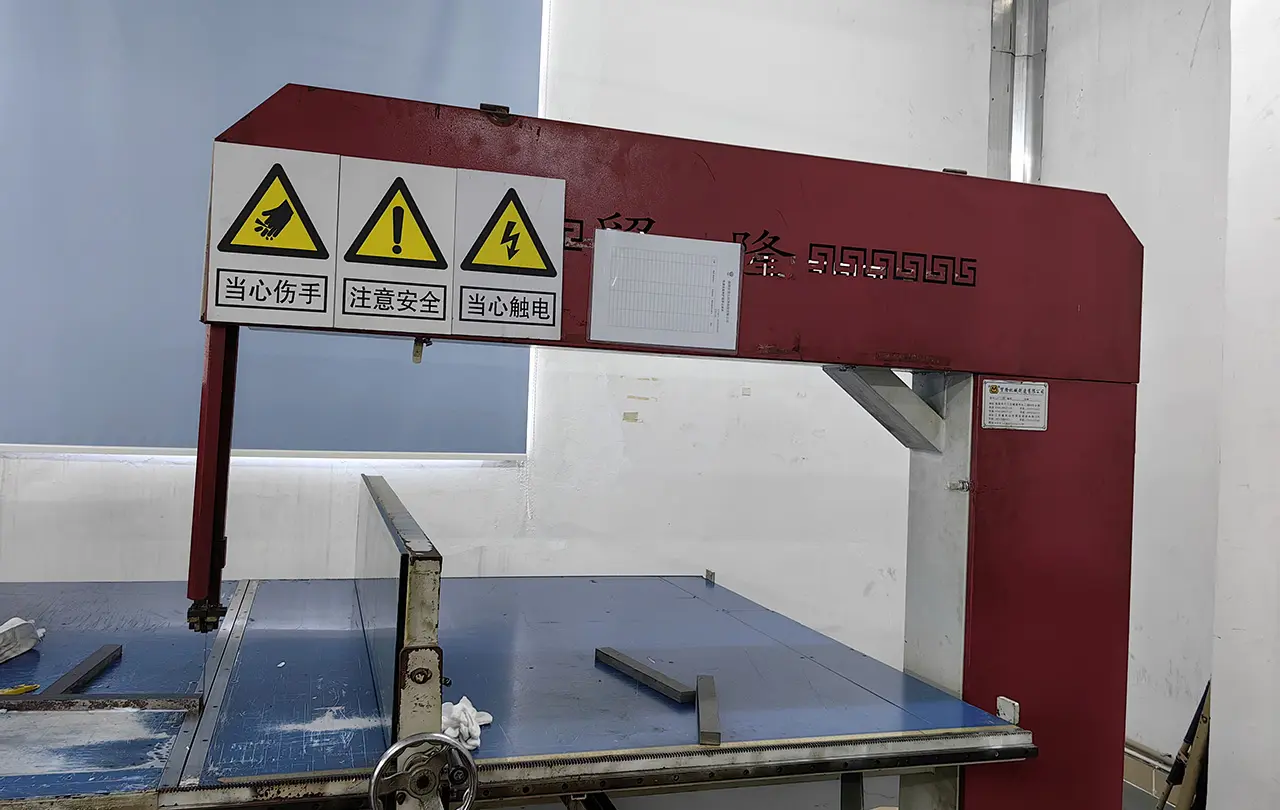
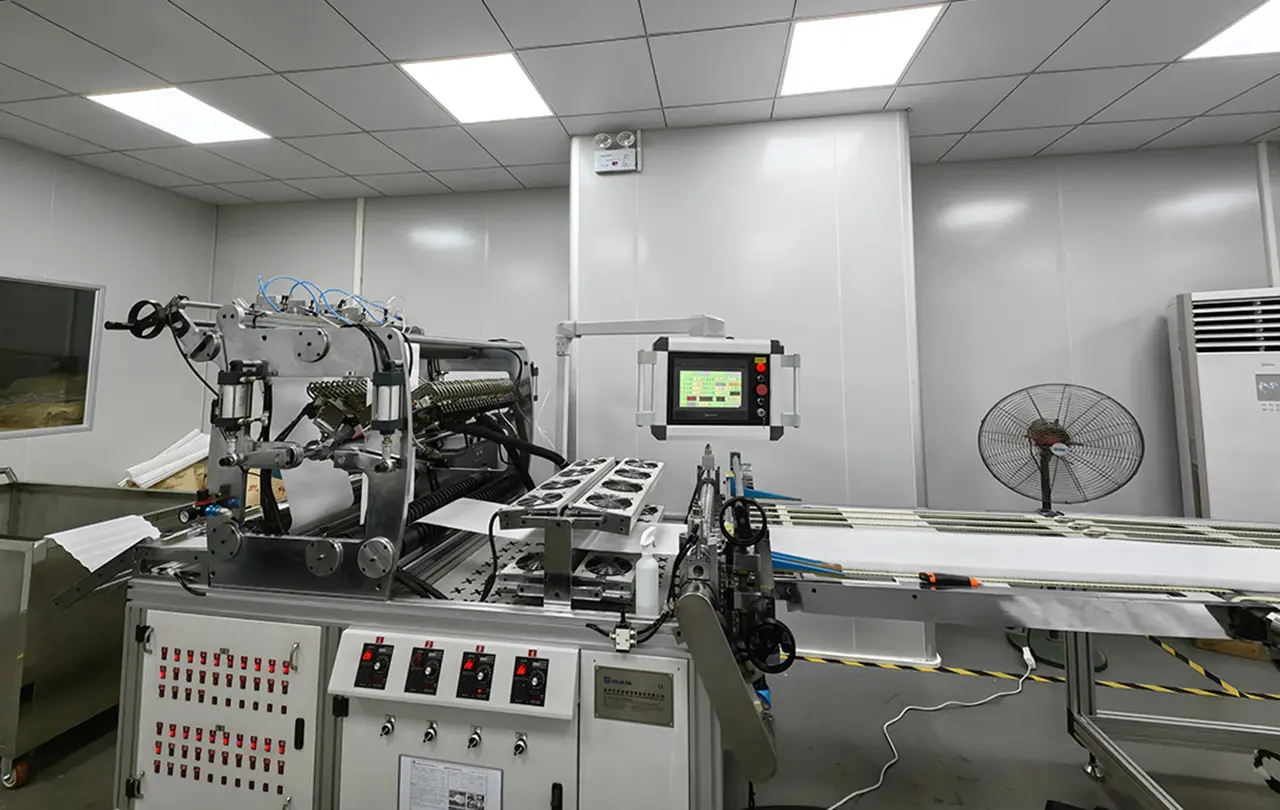
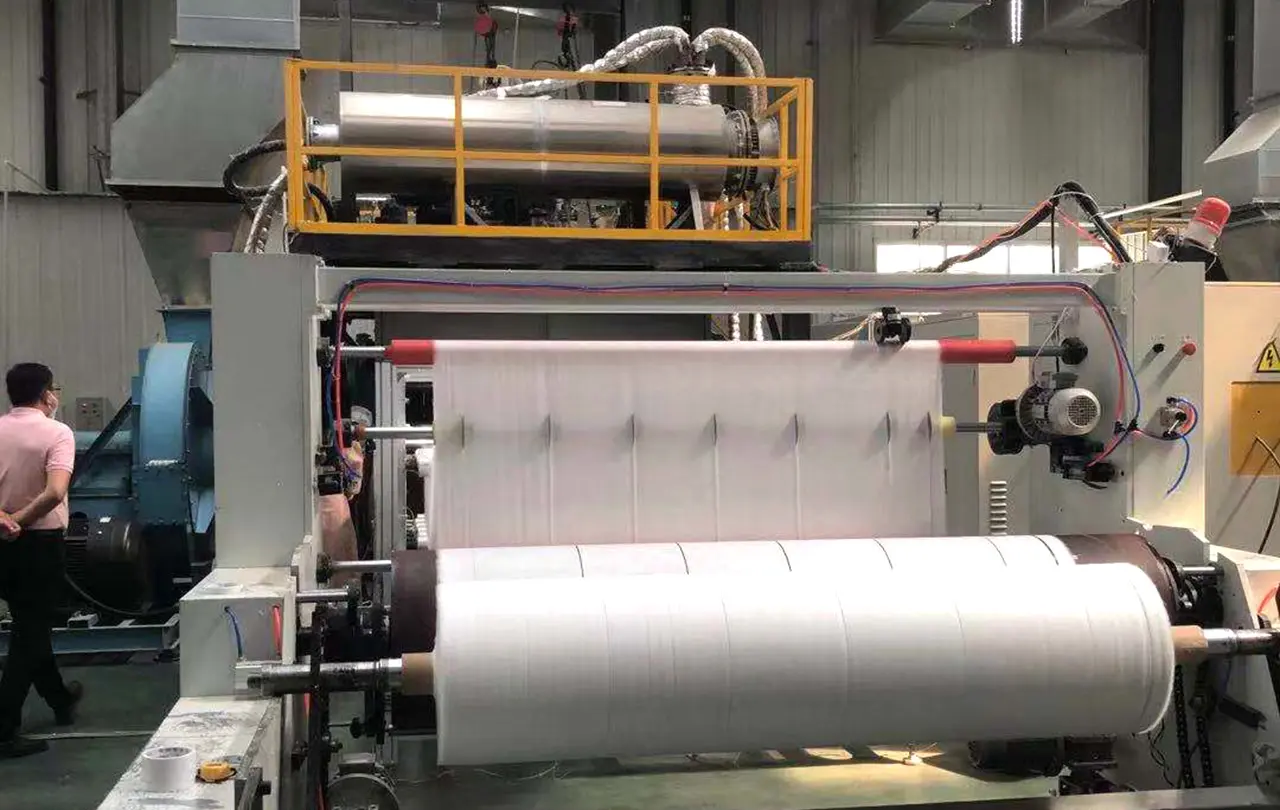
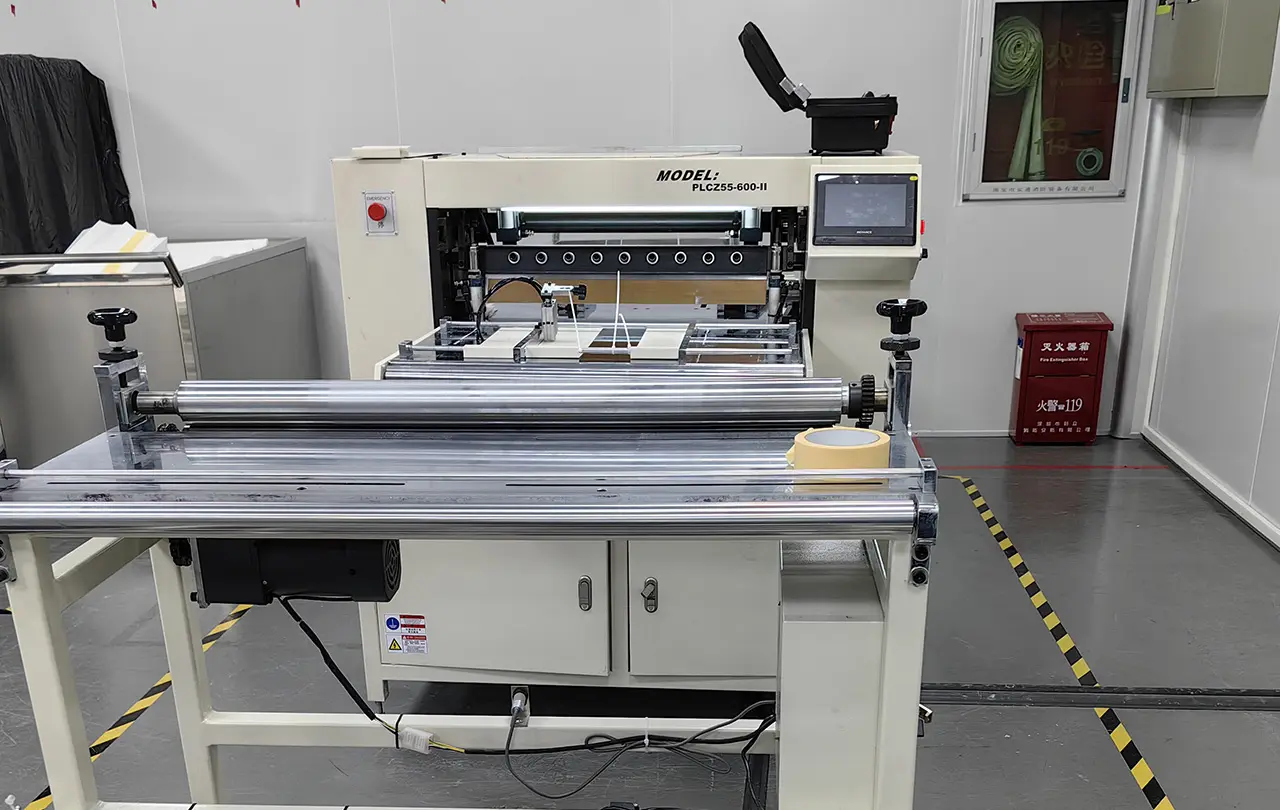
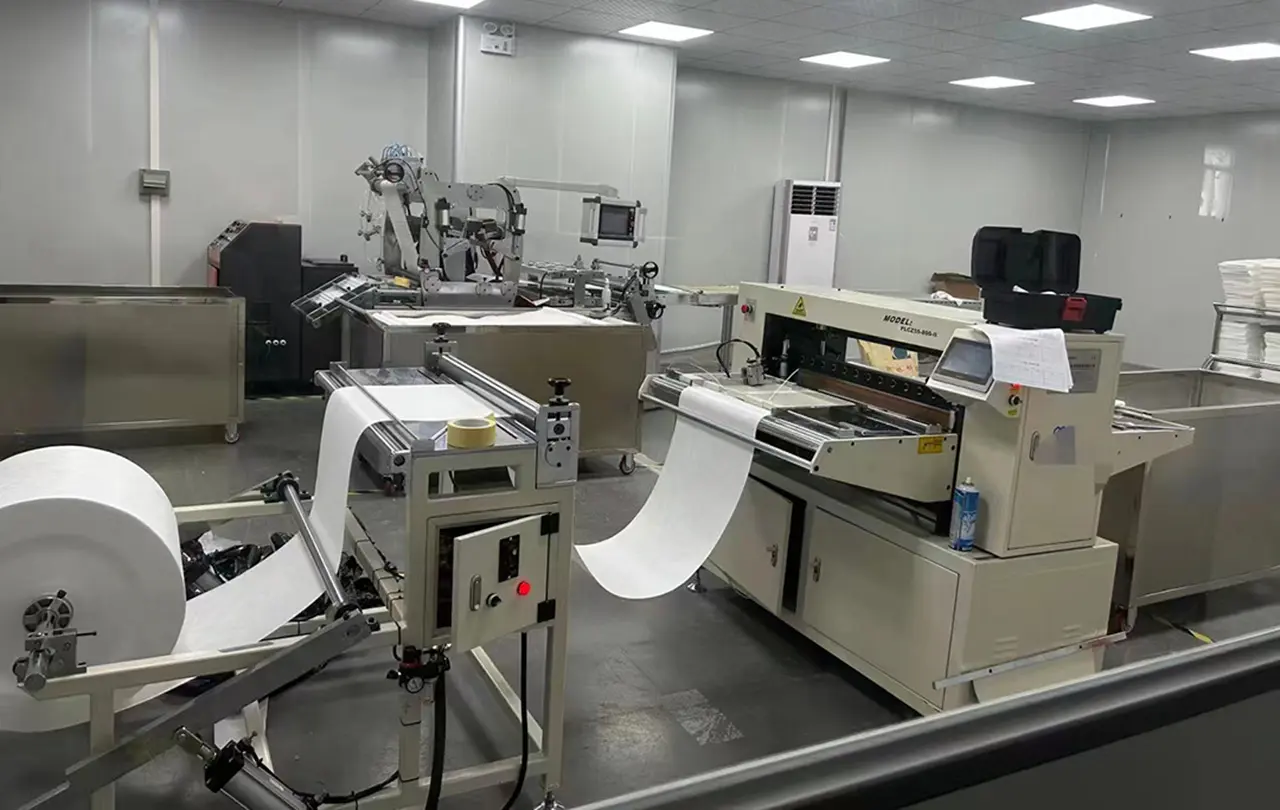
Why global organizations choose Shenzhen Snow Peak as their long-term filtration partner.
Leveraging 15 years of international air purification technology experience to construct standardized production workshops, dust-free filter lines, and cutting-edge testing laboratories.
Equipped with high-end AMADA CNC punch systems and CNC bending machines, alongside self-developed fully automatic air filter assembly lines for superior manufacturing precision.
Our patented sterilizing antiviral HEPA technology delivers a sterilization rate up to 99.9% and limits PM2.5 to 10 micrograms/m3, preventing secondary microbial growth.
Activated charcoal vent filtration solutions play a vital role across multiple industries. Proper deployment requires customized media weights and carbon impregnation classes tailored to the target pollutant profiles:
Modern servers and circuit boards are highly sensitive to corrosive gases like hydrogen sulfide (H2S), sulfur dioxide (SO2), and nitrogen oxides (NOx). Corrosive creep under high humidity can lead to catastrophic hardware failure. Incorporating customized gas-adsorption activated carbon pleated filters at air intake vents neutralizes these airborne molecular contaminants (AMCs), conforming to ISA-71.04 G1 severity levels.
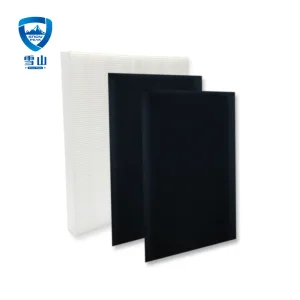
Cleanroom environments rely on absolute sterility. However, organic chemicals used in drug formulation or chemical processing can easily escape through exhaust air and contaminate supply lines. Utilizing honeycomb active carbon filters paired with our patented high-performance HEPA dust collectors ensures that both toxic chemical vapors and microbiological particles are completely captured at the intake and exhaust points.
Localized communities adjacent to waste processing facilities demand complete mitigation of odor-causing ammonia (NH3) and hydrogen sulfide. High-mass carbon media with specific basic and acidic chemical impregnations are fitted inside exhaust vents to achieve neutral exhaust streams, boosting compliance with local municipal air quality guidelines.
Airport terminals, commercial hubs, and hospitals process massive volumes of outdoor air, which is frequently contaminated by jet fuel, vehicle exhaust, and street emissions. Multi-stage filtration using pocket pre-filters and carbon-laminated media removes both coarse particles and gaseous diesel fumes, protecting indoor occupants and improving productivity metrics.
Answers to critical design, operations, and procurement questions regarding activated charcoal systems.
Relative humidity is a key parameter in adsorption calculations. Because carbon pores are naturally hydrophobic, they perform excellently in low to moderate humidity. However, when RH exceeds 60-70%, water molecules compete with VOCs for adsorption sites. Water adsorption creates a film within the micro-pores, reducing the filtration efficiency for volatile organics. In conditions with high RH, it is highly recommended to install a dehumidification stage upstream or increase the thickness of the carbon bed.
Unlike particulate filters where higher velocity may increase electrostatic collection, gas-phase filters require sufficient contact time (residence time) to let gas molecules diffuse into the carbon pores. An optimal velocity is typically between 0.1 m/s and 0.5 m/s. Higher velocities require deeper carbon beds (increased pleat depth) to guarantee that the residence time remains above the minimum threshold (typically 0.1 to 2.0 seconds, depending on the chemical concentration).
Unlike standard HEPA or pre-filters, activated charcoal filters do not exhibit a noticeable increase in pressure drop when they reach molecular saturation. Instead, saturation is marked by "breakthrough," where incoming gases pass through without being captured. Breakthrough can be detected by odor thresholds, localized gas sensors (such as photoionization detectors), or using preventive engineering calculations based on the total mass of the carbon bed and estimated VOC load.
Standard industrial filters cannot be washed with water. Water washing does not release the chemically bound or physically trapped VOCs and will damage the structural integrity of the filter. True regeneration requires thermal reactivation in a nitrogen environment at temperatures exceeding 800°C. In commercial HVAC applications, it is more cost-effective to replace the saturated carbon cartridges or use customized OEM replacement units.
Non-impregnated carbon relies entirely on physical adsorption (Van der Waals forces) and is optimal for medium-to-large molecular weight organic gases. Impregnated carbon is chemically treated with inorganic reagents (e.g., KOH, KI, H3PO4) to target small, highly reactive inorganic molecules like ammonia, chlorine, sulfur compounds, and formaldehyde via chemisorption. The selection depends entirely on the specific contaminants present in the environment.
From coarse pre-filtration to cleanroom-grade HEPA and molecular adsorption filters, discover our high-performance inventory.
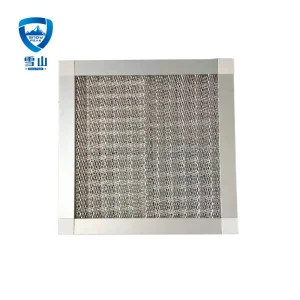
 Snow Peak