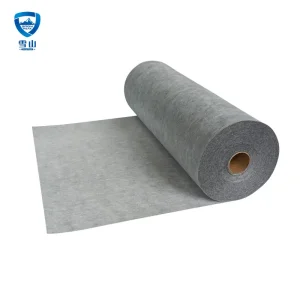
In the modern industrial landscape, air purification has transitioned from a basic regulatory compliance requirement to a critical pillar of operational efficiency, product yield, and occupational health. Global procurement managers face escalating challenges in sourcing high-performance gas-phase adsorption systems. The demand is driven by tightening environmental regulations, such as the European Union's REACH and RoHS directives, and the United States EPA's Clean Air Act standards.
Carbon filtration stands at the forefront of molecular contamination control. Whether it is removing Volatile Organic Compounds (VOCs) in semiconductor cleanrooms, neutralizing corrosive acid gases in pulp and paper mills, or eliminating odors in commercial HVAC systems, selecting the right wholesale manufacturer is paramount. Organizations require partners who can deliver consistent CTC (Carbon Tetrachloride) adsorption capacities, low pressure drops, and optimized structural integrity to minimize energy consumption and system downtime.
B2B buyers prioritize three primary vectors when evaluating carbon filter manufacturers:
Utilizing Van der Waals forces, our activated carbon media traps volatile organic compounds (VOCs) and gaseous pollutants within its highly porous internal structure. With surface areas exceeding 1000 m²/g, the media provides maximum contact time for gas molecules, ensuring high single-pass removal efficiency.
For target gases that cannot be captured by physical adsorption alone—such as formaldehyde, ammonia, hydrogen sulfide, and sulfur dioxide—our carbon media is chemically impregnated. This process initiates a chemical reaction that permanently bonds and neutralizes the toxic gas molecules.
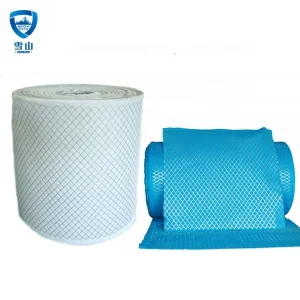
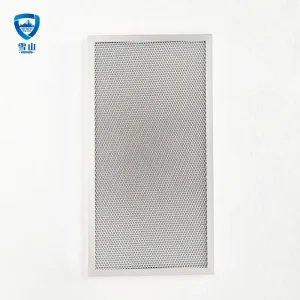
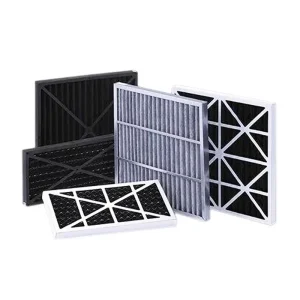
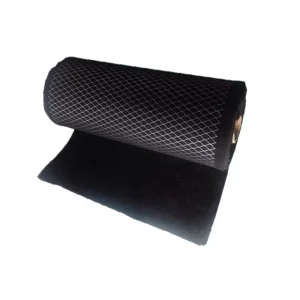
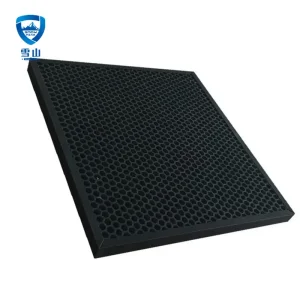
By structuring activated carbon into honeycomb matrices or laminating it with high-strength wire mesh, we achieve an optimal balance between gas-phase adsorption and low aerodynamic resistance. This structural design prevents carbon dusting and ensures uniform airflow distribution across the filter face.
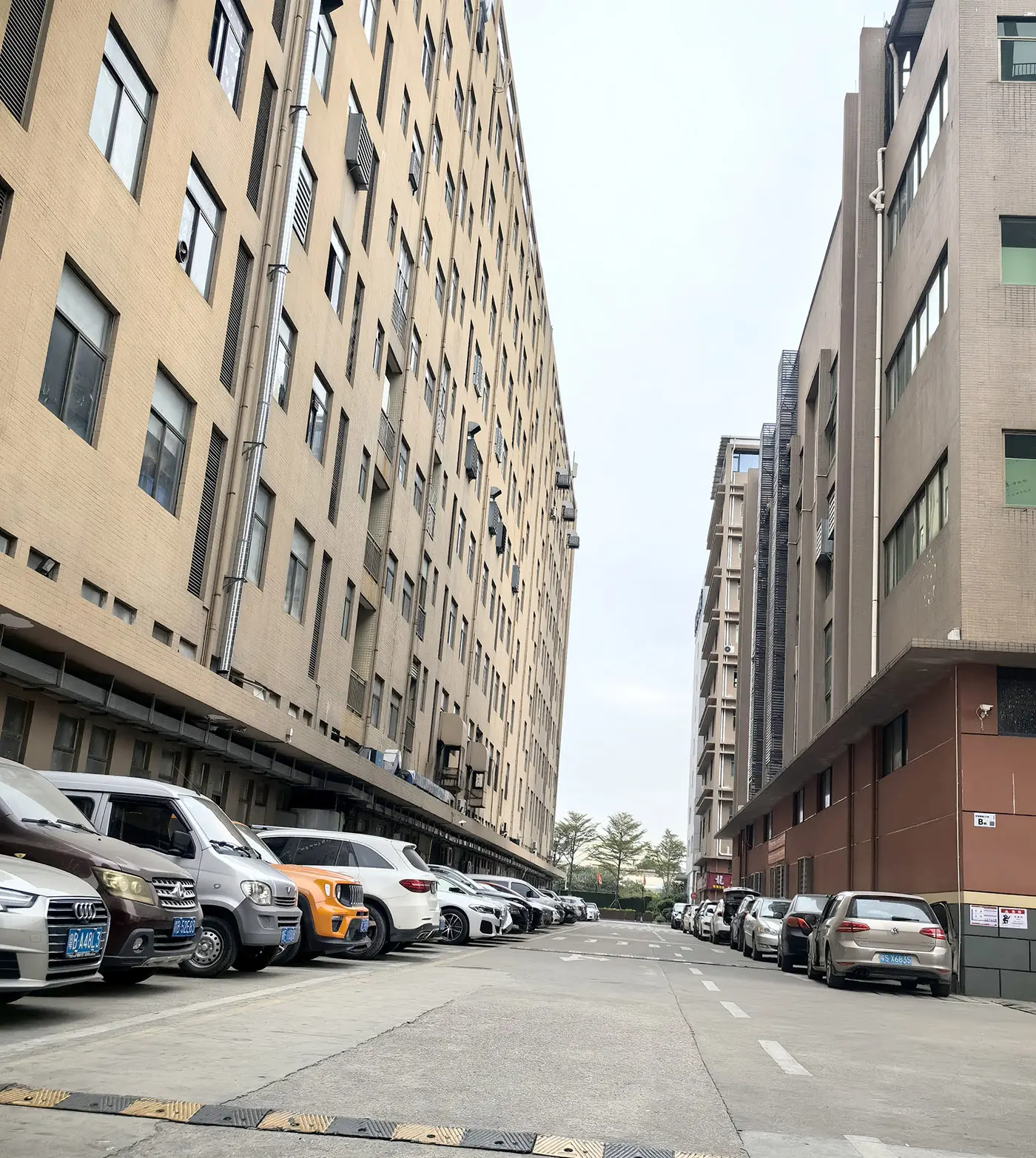
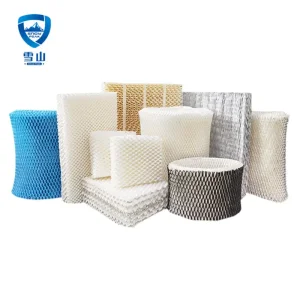
Shenzhen Snow Peak Clean Technology Co., Ltd. is an integrated high-tech enterprise, specialized in air filtration products research and development, production, sales, import and export trade. We produce and supply: Pre-filter, pocket filter, HEPA filter, chemical filter; replacement HEPA filter, car cabin air filter, humidifier filter; pocket filter media, melt-blown composite filter media, and other high-performance filter materials.
We provide high quality air purification solutions and products for indoor air pollution control and air conditioning systems of civil and industrial buildings, microelectronics, pharmaceutical, laboratory, school, hospital clean room etc. Combined with self-developed patented technology, our sterilizing antiviral HEPA filter can effectively filtrate fine particles, so that PM2.5 concentration down to 10 micrograms/m3, 5 times better than national standard; effectively inhibit the breeding of microorganisms, sterilization rate up to 99.9%, and no secondary pollution, removal of H1N1 virus efficiency as high as 99.99%.
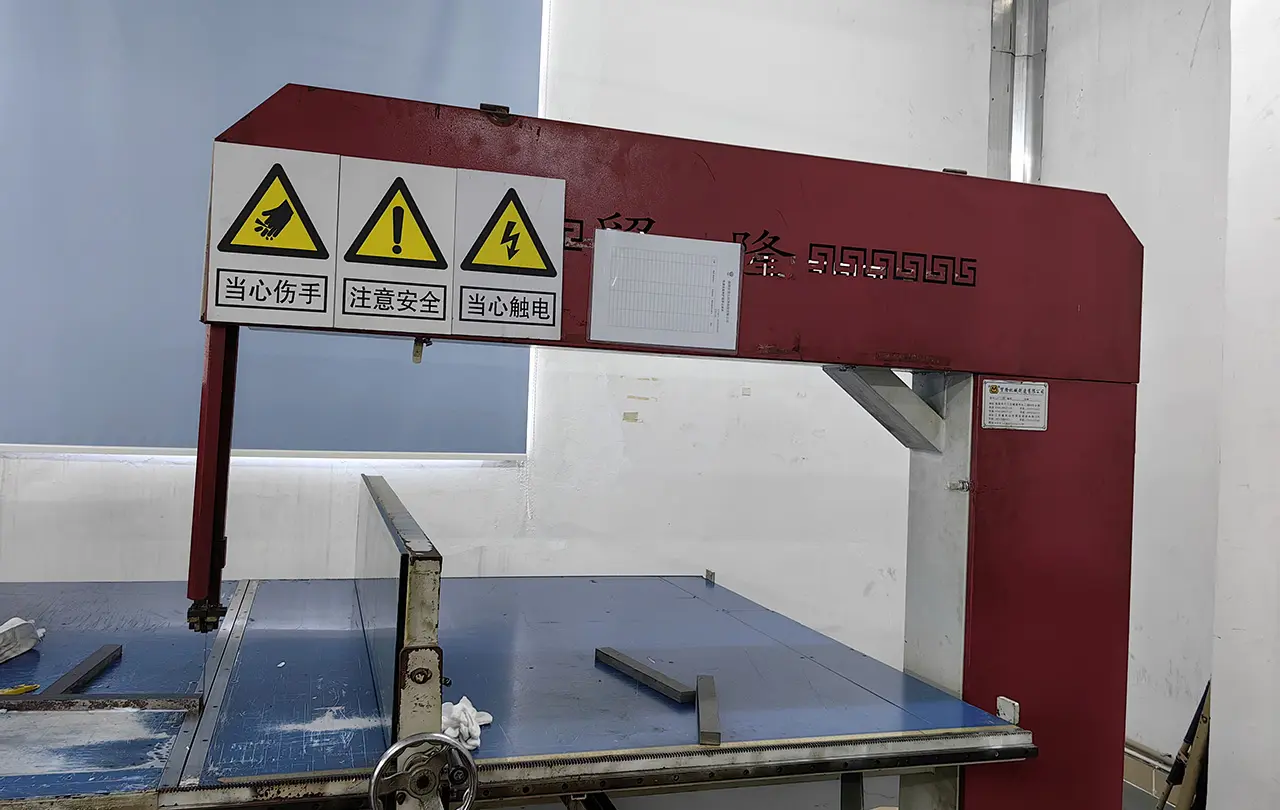
Having 15 years of international air purification technology experience as the background, our company has standardized production workshop, dust-free filter workshop and first-class technology of HEPA filters production line and inspection line, independent research and development of fully automatic air filter production line, equipped with AMADA CNC punch and CNC bending machine as well as many other advanced high-end equipment, provide a strong guarantee for production and quality of air filtration and purification products.
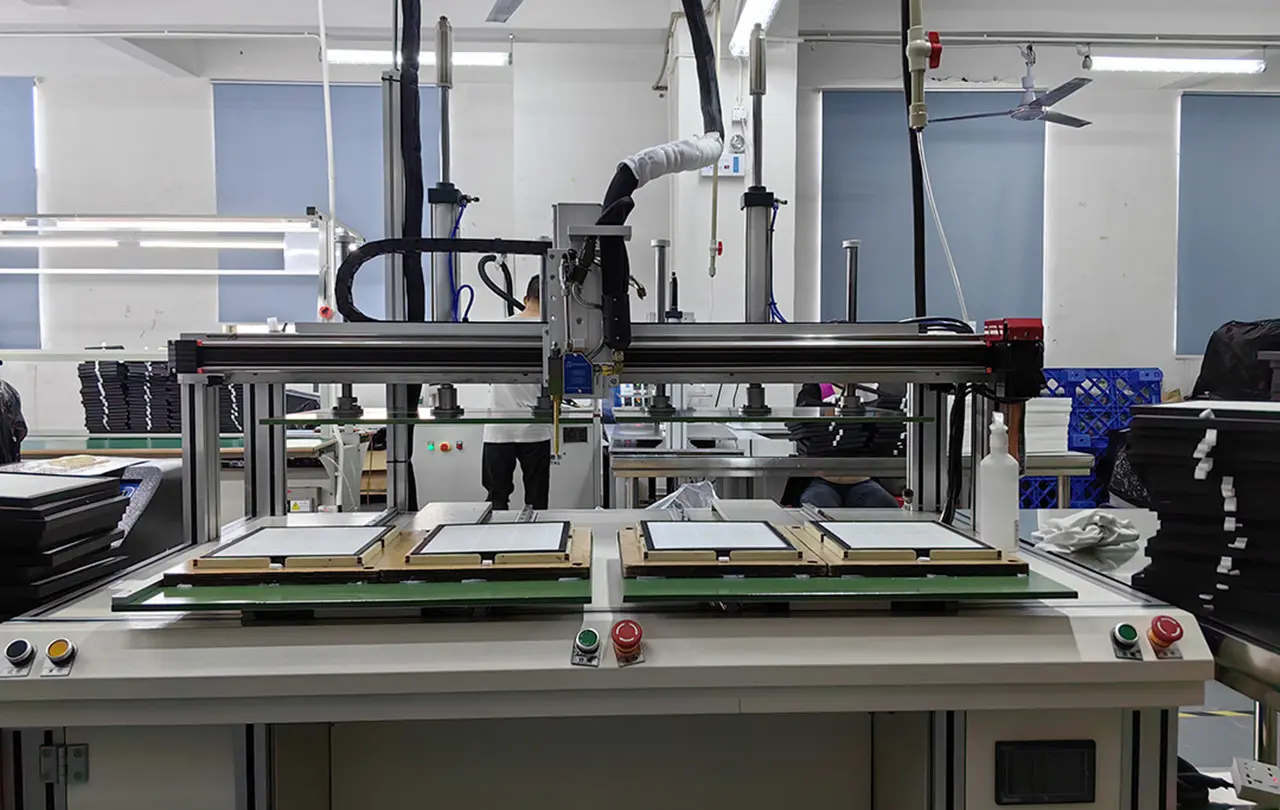
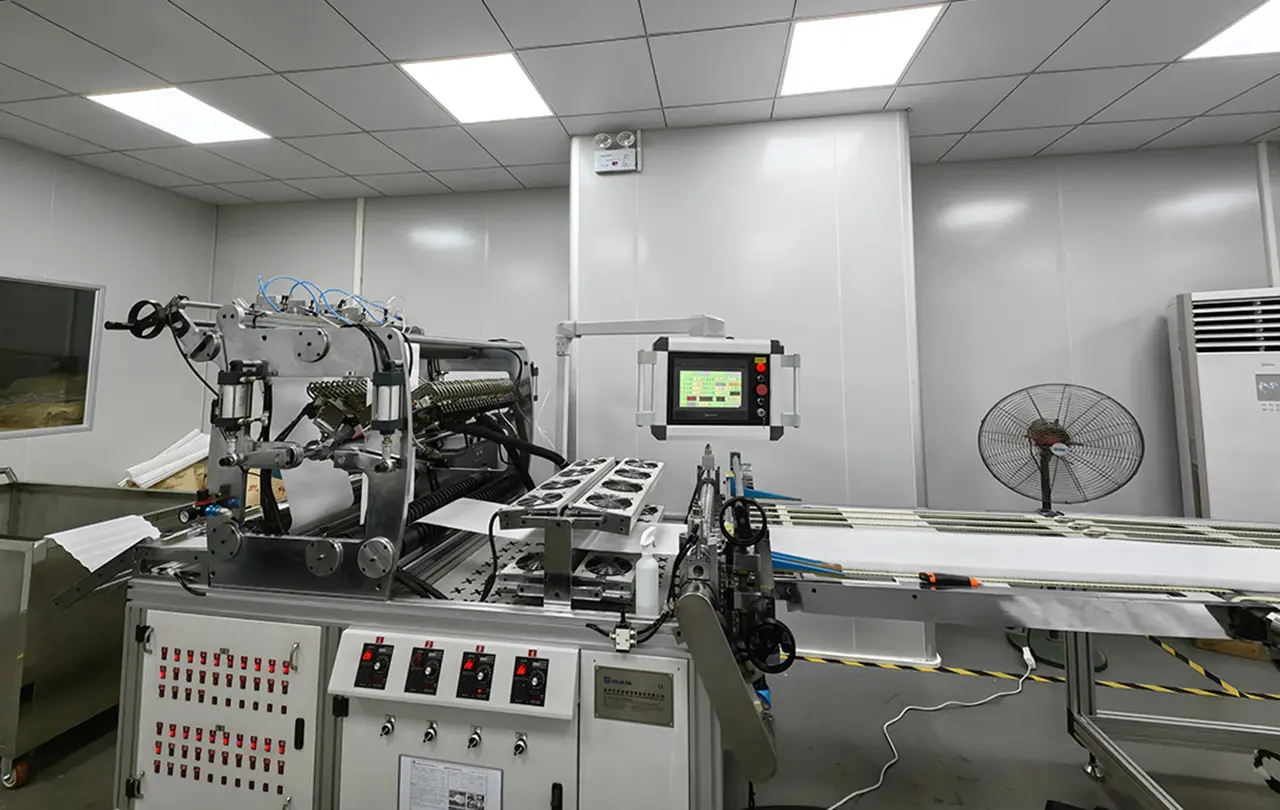
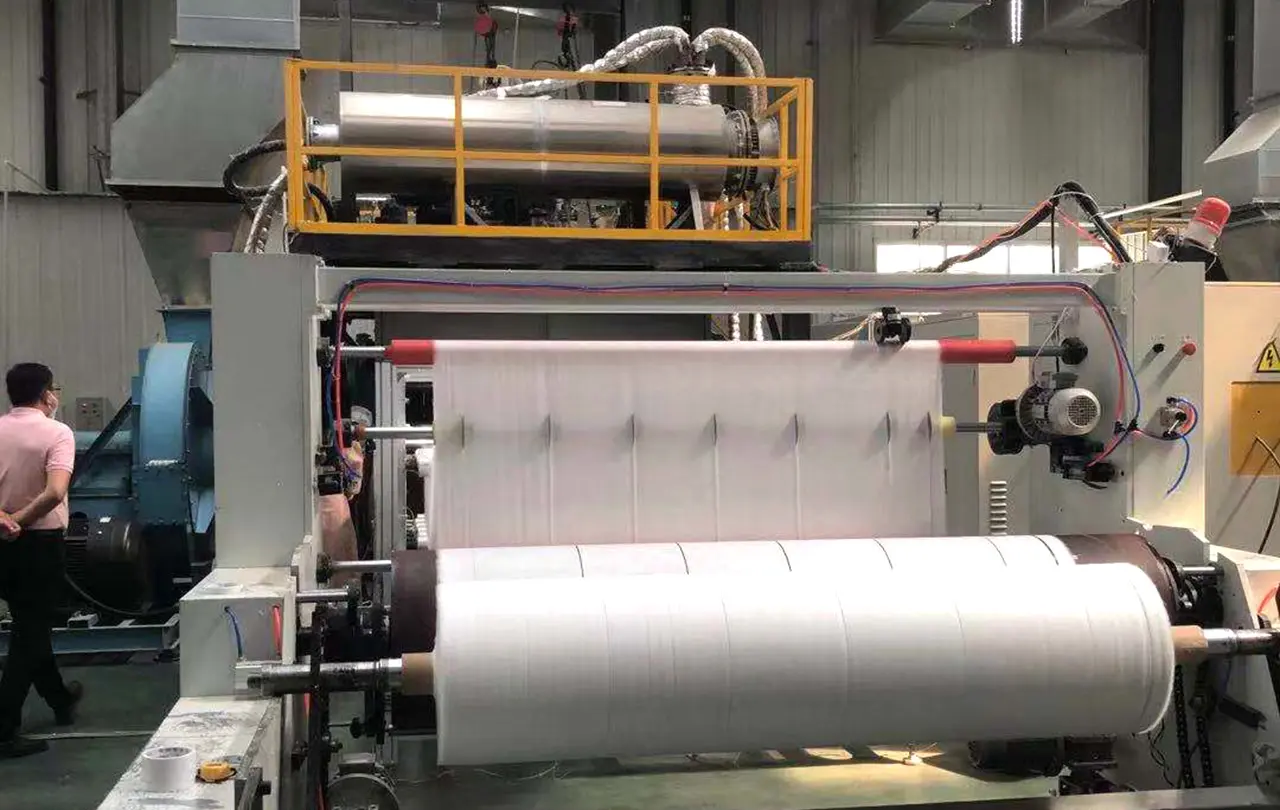
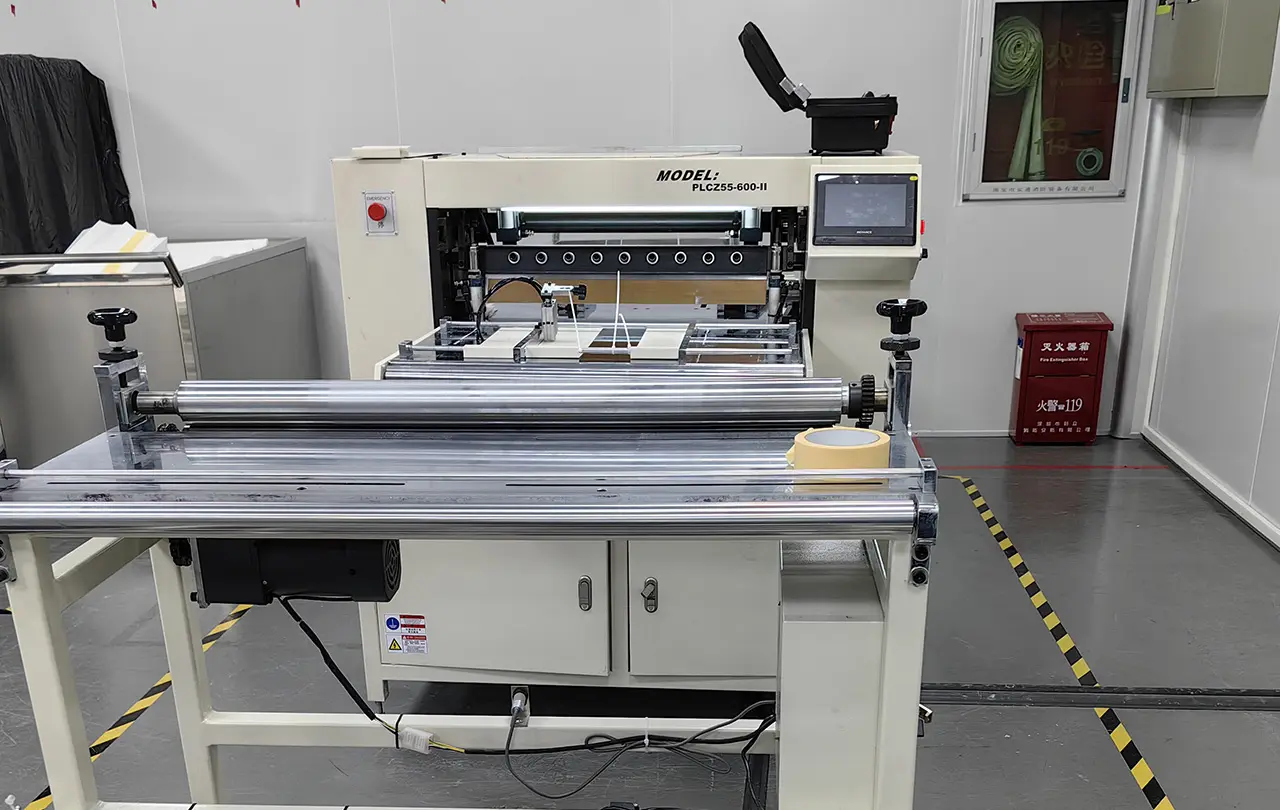
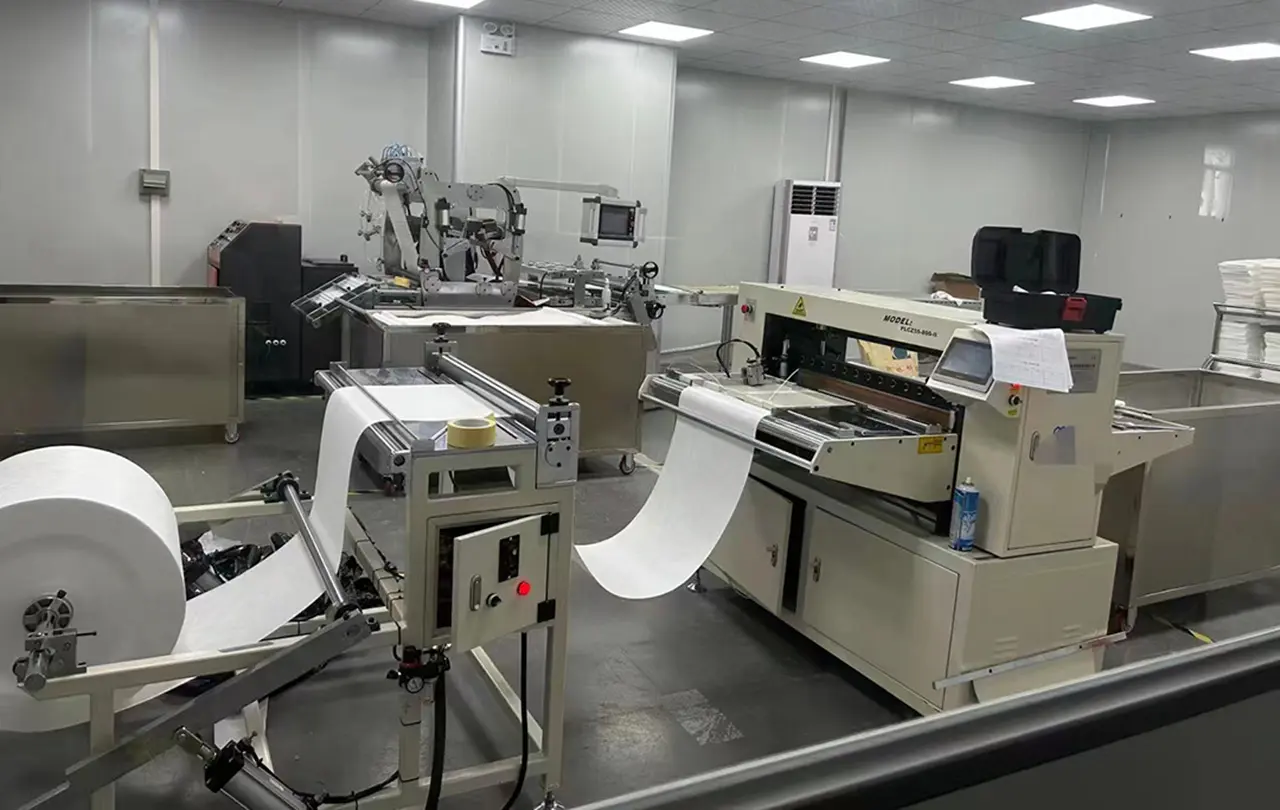
In semiconductor fabrication plants, Airborne Molecular Contamination (AMC) can ruin silicon wafers and reduce production yields. Our customized honeycomb activated carbon filters are designed to eliminate trace organic gases, dopants, and acid gases down to parts-per-trillion (ppt) levels. By utilizing low-outgassing polyurethane adhesives and high-purity carbon media, we ensure that the filters themselves do not introduce contaminants into the cleanroom environment.
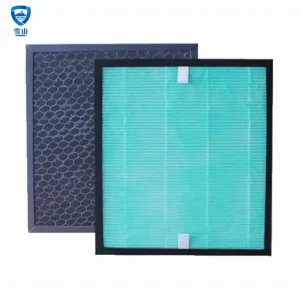
Pharmaceutical manufacturing requires sterile environments free of both biological pathogens and chemical vapors. Our composite filters combine H13/H14 HEPA media with high-efficiency activated carbon layers. This dual-action design captures airborne microorganisms while simultaneously adsorbing solvent vapors and sterilizing agents. For containment facilities, we supply specialized Bag-In-Bag-Out (BIBO) carbon filter replacement systems to guarantee safe maintenance procedures.
Urban commercial buildings face high levels of outdoor pollutants, including nitrogen dioxide (NO2), sulfur dioxide (SO2), and ozone (O3). Our carbon-laminated pleated filters fit seamlessly into standard air handling units, providing high-efficiency gas-phase filtration with minimal pressure drop. This helps commercial facilities meet ASHRAE Standard 62.1 for indoor air quality while optimizing energy consumption by reducing the need for excessive outdoor air intake.
The future of carbon filtration lies in material science innovation. Shenzhen Snow Peak is actively researching nano-structured carbon composites, metal-organic frameworks (MOFs), and photocatalytic carbon media. These advanced materials will offer significantly higher adsorption capacities for specific low-molecular-weight gases (such as formaldehyde and ethylene) and enable self-regenerating filter media, reducing waste and long-term operational costs.
Navigating global regulatory frameworks is a critical aspect of international procurement. Shenzhen Snow Peak Clean Technology Co., Ltd. ensures that all exported products comply with relevant international standards. Our manufacturing processes are certified under ISO 9001:2015, and our air filtration products carry CE certification where applicable. We conduct rigorous testing in accordance with EN 779, ISO 16890, and ASHRAE 52.2 to provide transparent, verifiable performance data to our clients.
To support our global client base, we offer comprehensive OEM/ODM services, including custom labeling, localized packaging, and technical documentation in multiple languages. Our engineering team provides direct support for system integration, helping clients select the correct media formulations and filter geometries to meet local building codes and industrial emissions standards.
Every production batch undergoes strict quality control measures before dispatch:
Physical adsorption (physisorption) relies on weak intermolecular forces (Van der Waals forces) to trap gas molecules within the carbon's micropores. It is highly effective for organic compounds with high molecular weights. Chemisorption involves a chemical reaction between the gas and an impregnant on the carbon surface, forming a stable chemical bond. This is necessary for capturing highly volatile or reactive gases like formaldehyde, ammonia, and acid gases.
The primary metrics are the Iodine Number (mg/g) and the CTC (Carbon Tetrachloride) adsorption value (%). The Iodine Number measures the micropore content (typically 900 to 1100 mg/g for high-quality carbon), while the CTC value measures the adsorption capacity for organic vapors (typically 50% to 80% for premium grades). Higher values indicate a more extensive pore structure and a longer filter service life.
Yes, we specialize in OEM/ODM customization. We can manufacture filters in custom dimensions, using various frame materials such as galvanized steel, aluminum, stainless steel, plastic, or beverage board. We also offer different media configurations, including honeycomb, pleated, and laminated wire mesh, to meet specific system requirements.
Our manufacturing facility is ISO 9001:2015 certified, and our products carry CE certification. We test our filters in accordance with international standards, including EN 779, ISO 16890, and ASHRAE 52.2, ensuring compliance with global environmental and safety regulations.
We use advanced lamination and bonding techniques to secure the activated carbon particles. By sandwiching the carbon between synthetic non-woven layers or using structured honeycomb matrices, we eliminate the risk of carbon shedding, ensuring clean downstream air.
The lifetime depends on the concentration of gaseous pollutants, airflow rate, and operating temperature. Generally, in standard commercial HVAC applications, carbon filters last between 6 to 12 months. In high-concentration industrial environments, they may need replacement every 3 to 6 months. We can assist in calculating estimated lifetimes based on your specific gas challenge.
Our MOQ varies depending on the product type and customization requirements. For standard replacement filters, the MOQ is typically lower, while custom-engineered industrial filters have higher MOQs due to tooling and setup times. Please contact our sales team with your specifications for a detailed quote.
We offer comprehensive shipping solutions, including FOB, CIF, and DDP terms. We work with leading global freight forwarders to ensure safe and timely delivery via sea, air, or rail. All products are securely packed in export-grade cartons and palletized to prevent damage during transit.
 Snow Peak