Discover our high-efficiency molecular, HEPA, and custom air filtration systems engineered for rigorous volatile organic compound (VOC) capture, gaseous containment, and particulate abatement.
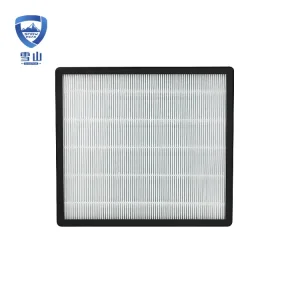
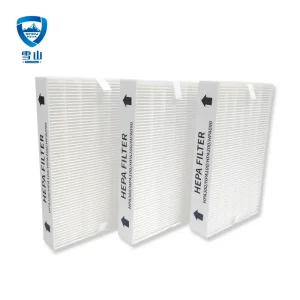
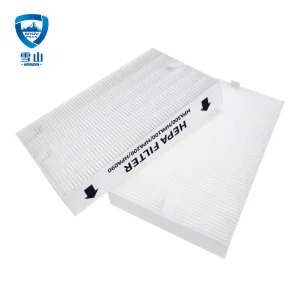
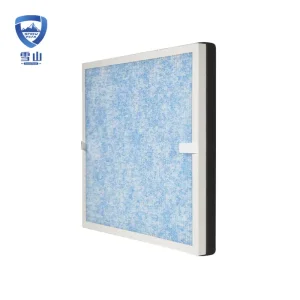
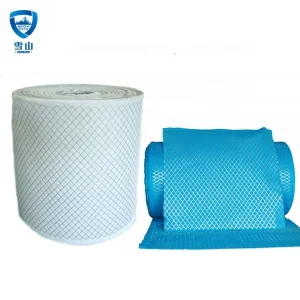
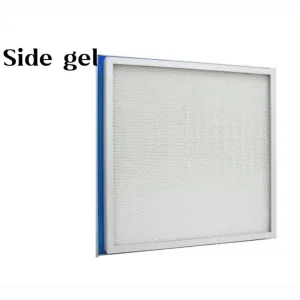
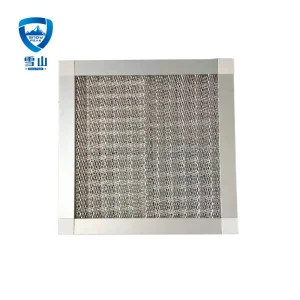
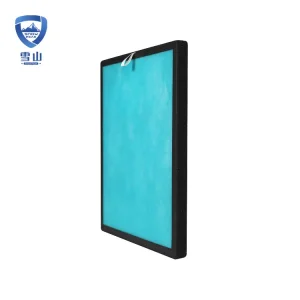
Volatile Organic Compounds (VOCs)—ranging from short-chain aliphatic hydrocarbons and aromatic rings (such as benzene, toluene, ethylbenzene, and xylene isomers, collectively referred to as BTEX) to highly reactive aldehydes—present complex challenges for cleanroom ventilation and industrial hygiene. Active molecular gaseous contaminants degrade silicon wafer yields in microelectronics manufacturing and pose severe occupational health risks. Traditional particulate filtration (HEPA/ULPA) relying on inertial impaction, interception, and diffusion mechanisms is completely transparent to gas-phase molecules because molecular diameters span between 0.3 to 0.9 nanometers.
Physisorption relies on weak intermolecular attractive forces (London dispersion forces) to secure target VOC molecules within the porous graphitic structure of carbon. Since the temperature of the processed air stream dictates molecular kinetic energy, the adsorption capacity follows the **Langmuir isotherm** model under controlled relative humidity. Without physical bonding, thermal energy fluctuation can cause VOC desorption, making pore sizing critical.
For low-molecular-weight or highly polar organic contaminants (e.g., formaldehyde, hydrogen sulfide, ammonia), pure activated carbon exhibits limited adsorption kinetics. To counter this, we utilize chemical impregnation (chemisorption). Injecting basic or acidic catalysts (e.g., potassium hydroxide, phosphoric acid, or potassium permanganate) directly into the carbon structure drives irreversible covalent chemical reactions, transforming toxic VOCs into inert solid salts.
Effective VOC capture requires optimizing the carbon’s internal surface area, which can exceed 1,200 m²/g. Our processing technologies control pore-size distribution: micropores (<2 nm) trap lighter gaseous chemicals, while mesopores (2 to 50 nm) act as conduits, minimizing pressure drops while maintaining long contact times (typically 0.1 to 0.5 seconds).
Shenzhen Snow Peak Clean Technology Co., Ltd. is an integrated high-tech enterprise, specialized in air filtration products research and development, production, sales, import and export trade. We produce and supply: Pre-filter, pocket filter, HEPA filter, chemical filter; replacement HEPA filter, car cabin air filter, humidifier filter; pocket filter media, melt-blown composite filter media, and other high-performance filter materials; provide high quality air purification solutions and products for indoor air pollution control and air conditioning systems of civil and industrial buildings, microelectronics, pharmaceutical, laboratory, school, hospital clean rooms, etc.
Combined with self-developed patented technology, our sterilizing antiviral HEPA filter can effectively filtrate fine particles, so that PM2.5 concentration is reduced down to 10 micrograms/m³, 5 times better than the national standard. It effectively inhibits the breeding of microorganisms, with a sterilization rate up to 99.9%, producing no secondary pollution, and achieves a removal efficiency for the H1N1 virus as high as 99.99%.
Having 15 years of international air purification technology experience as our foundation, our company operates standardized production workshops, dust-free filter workshops, and first-class technology lines for HEPA filters production and inspection. Our independent R&D has yielded fully automatic air filter production lines equipped with AMADA CNC punches and CNC bending machines alongside advanced, high-end tooling to guarantee the physical structural integrity and performance parameters of our products.
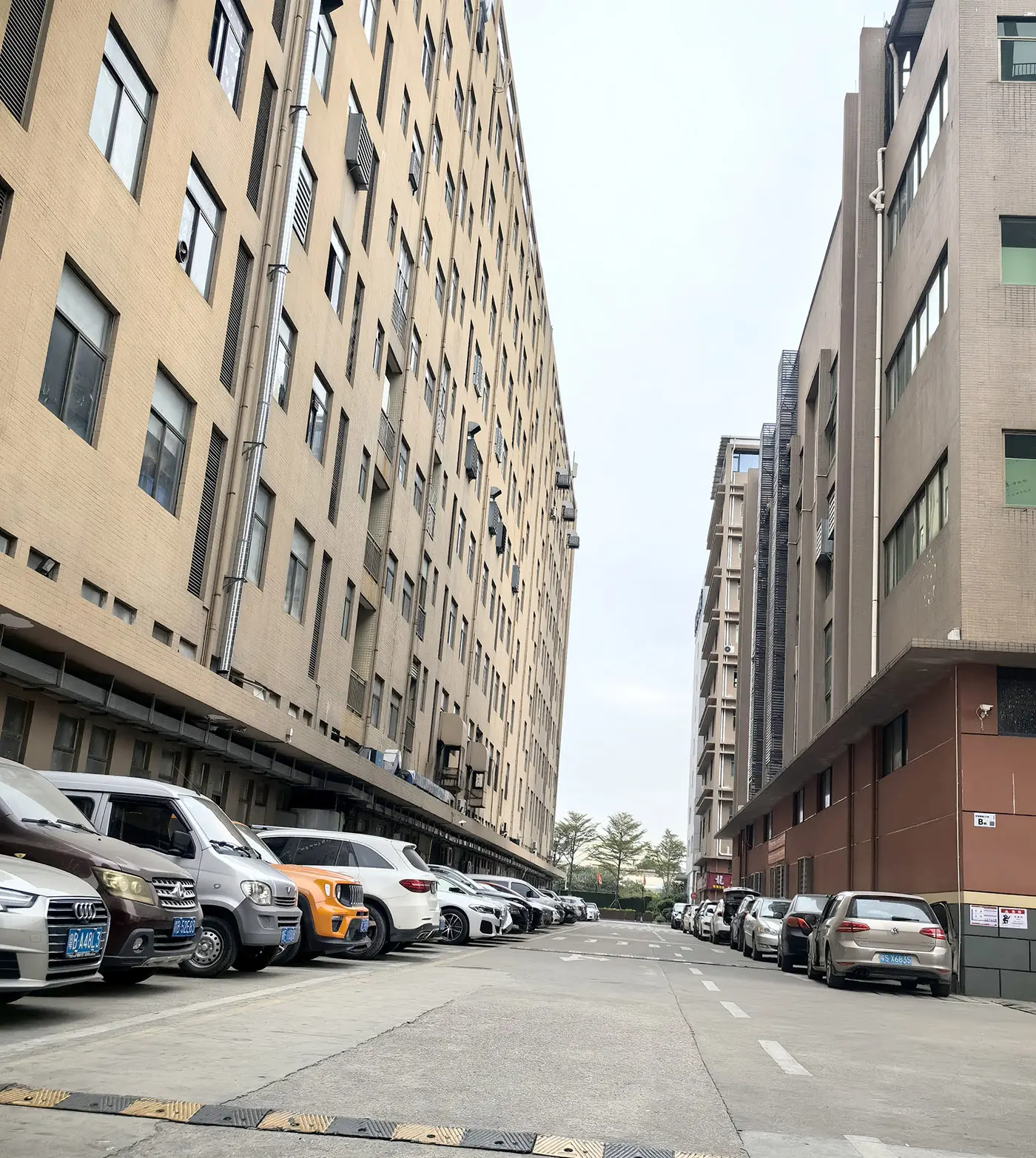
Continuous automation ensures precision pleating, error-free gluing, and hermetic sealing for zero-bypass air filter assemblies.
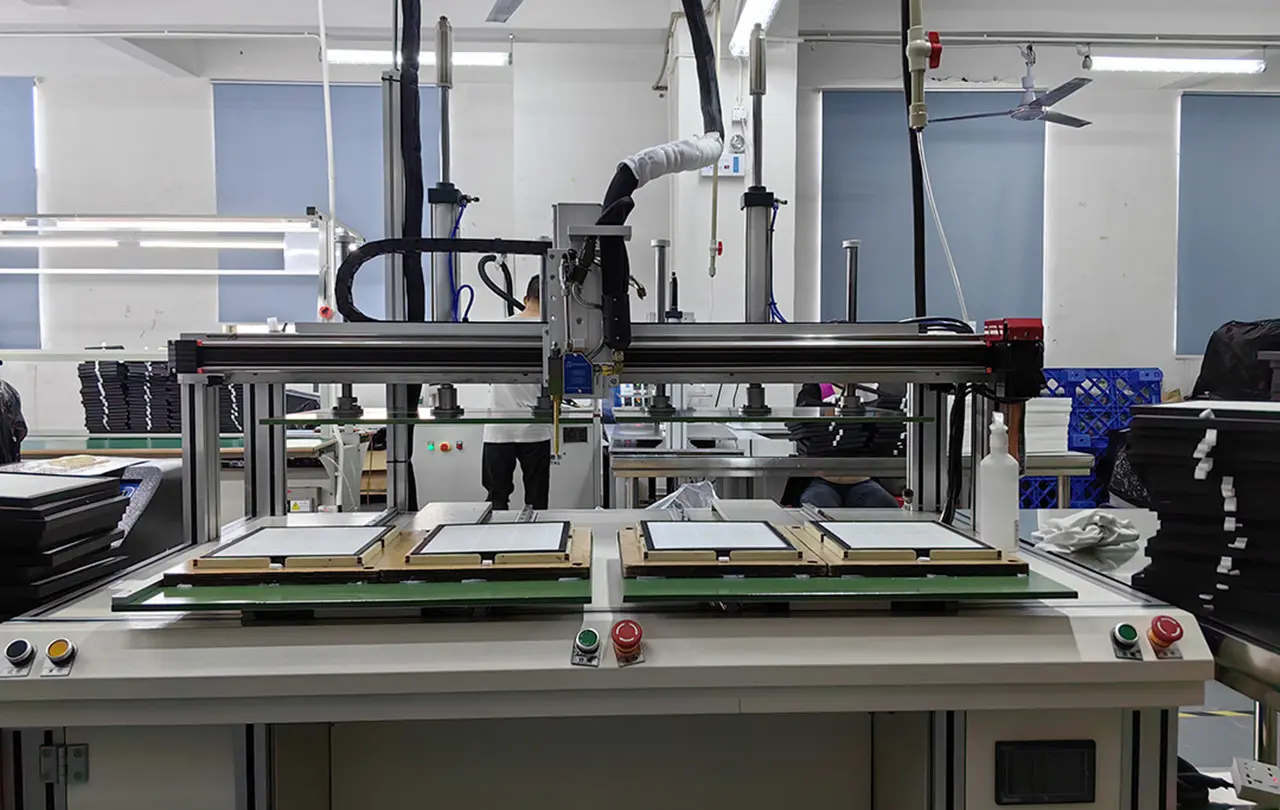
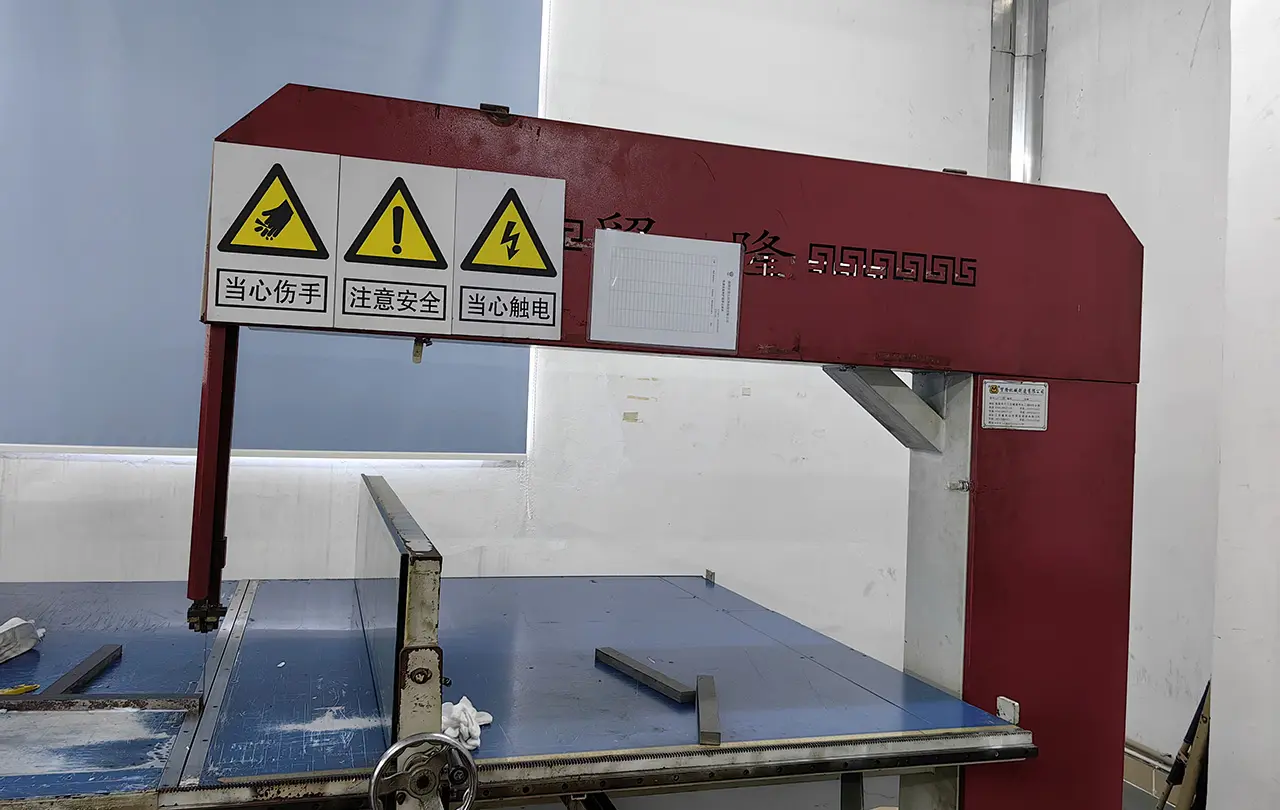
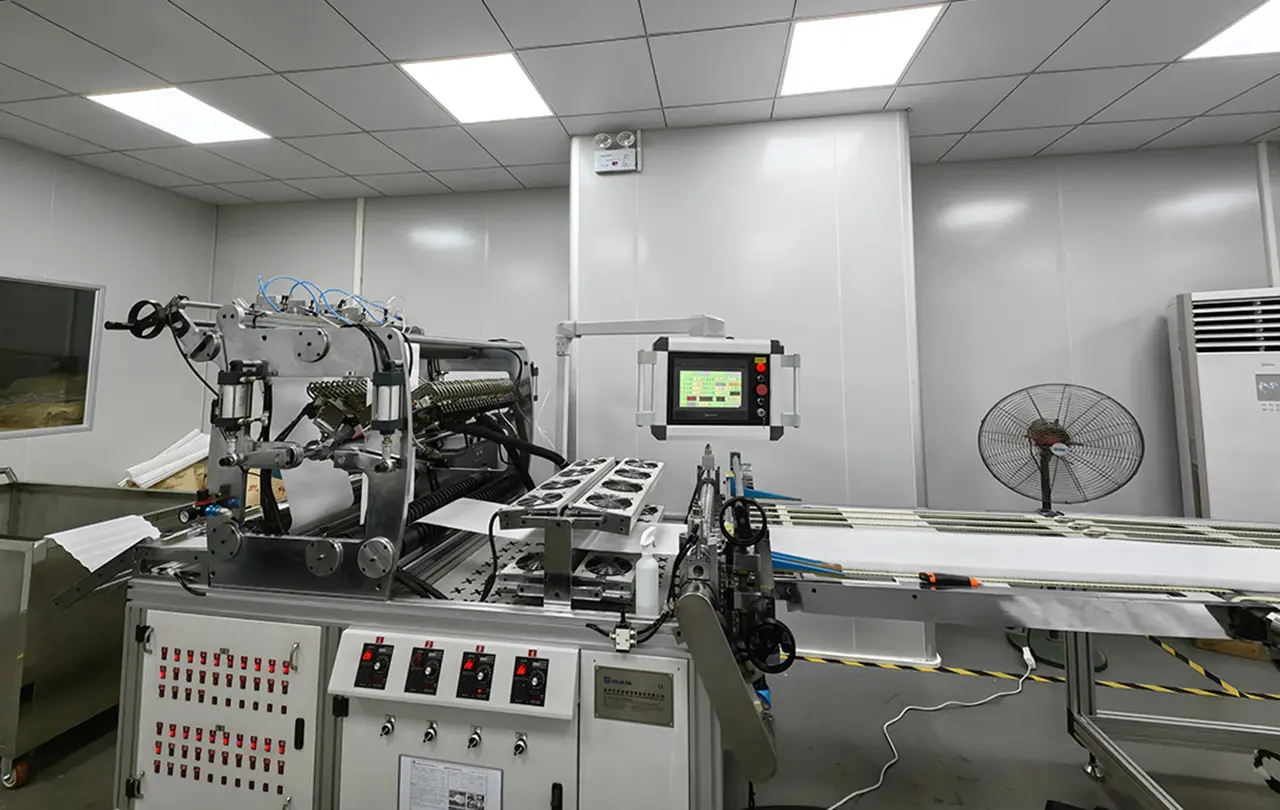
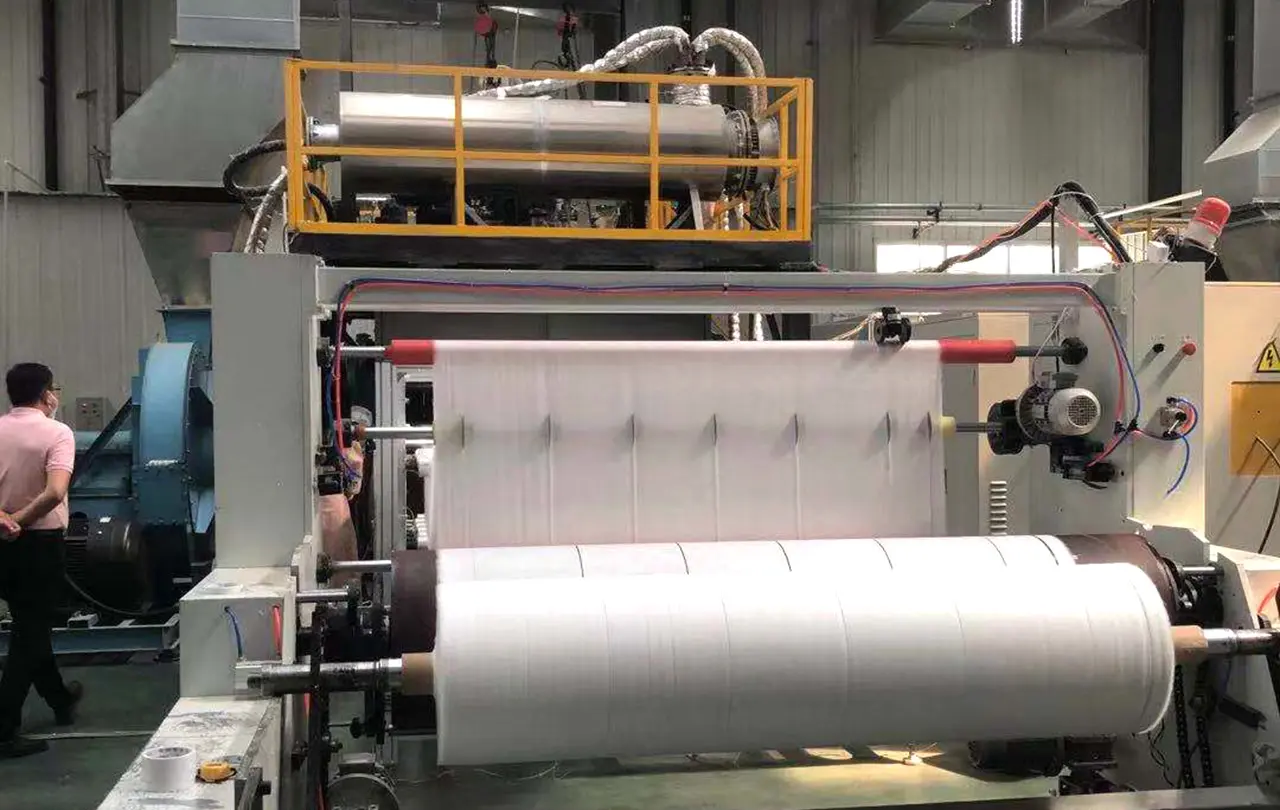
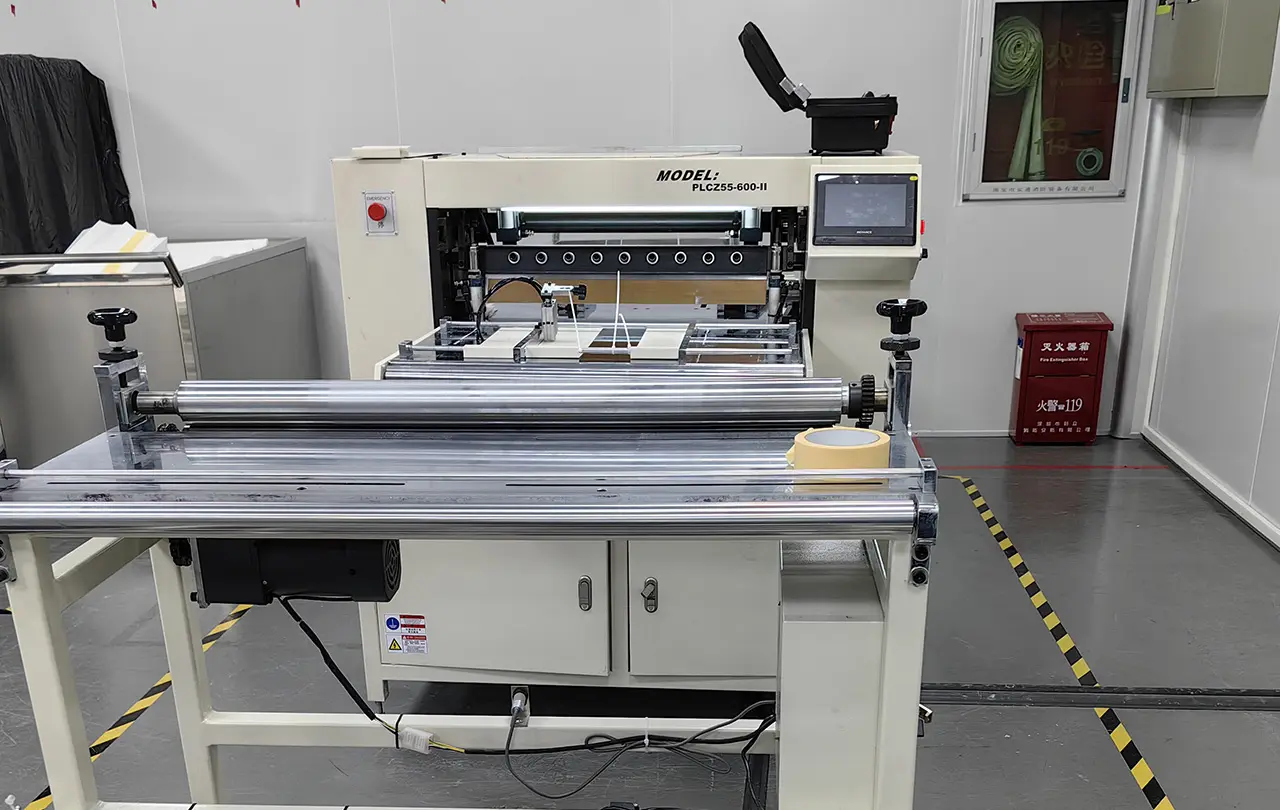
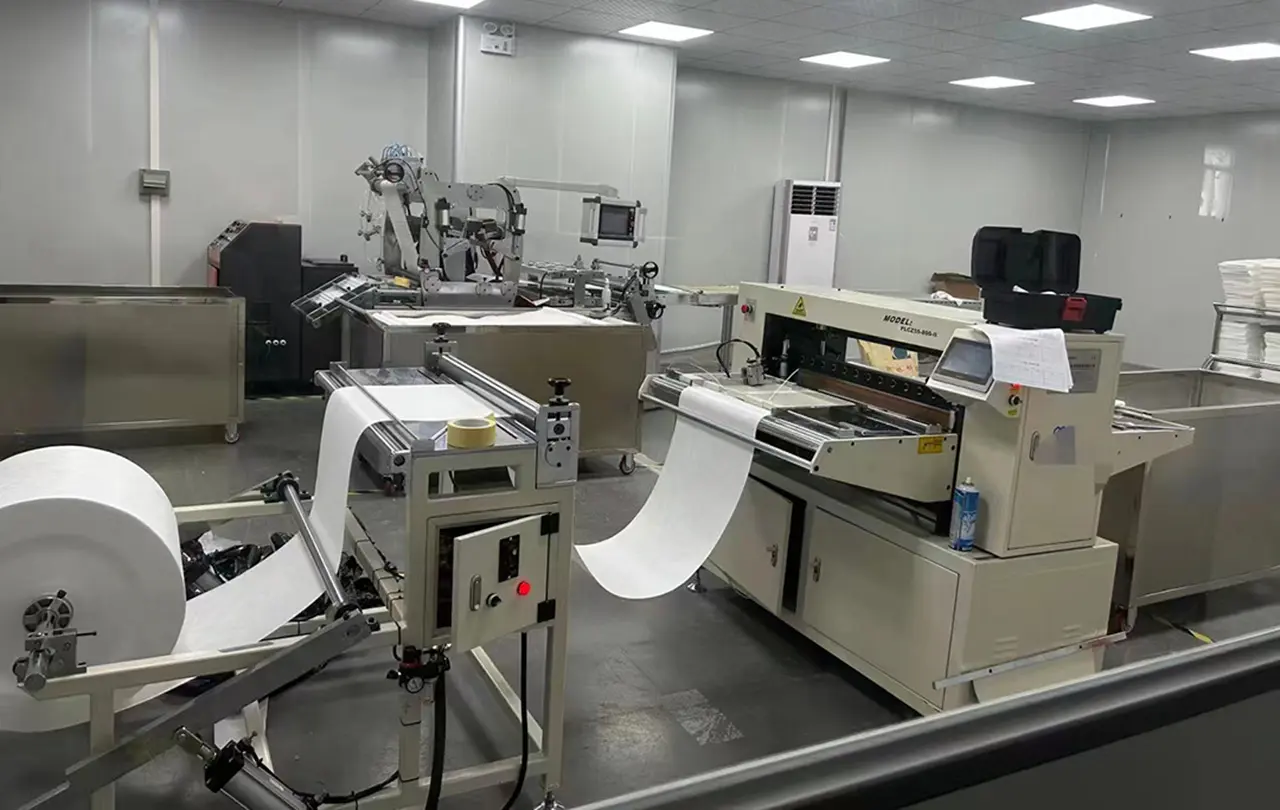
How localized regulations, manufacturing conditions, and climate considerations dictate molecular filtration architecture.
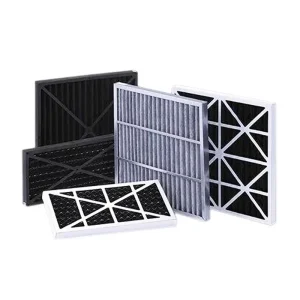
In North America, commercial and industrial HVAC system designs are heavily governed by **ASHRAE Standard 62.1** (indoor air quality) and tested via **ASHRAE Standard 145.2** for gaseous contaminant removal. The primary driver in municipal environments is the abatement of traffic-related air pollutants (TRAPs) like NOx, SOx, and ozone, alongside low-level formaldehyde concentrations from building materials. Our custom Honeywell R3 and carbon prefilter configurations are built to directly fit regional clean air handler frameworks, maintaining optimal static pressure boundaries.
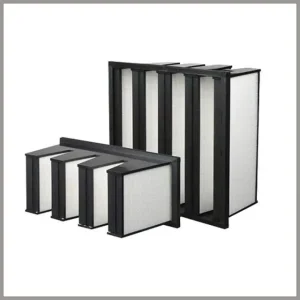
European industrial guidelines focus on strict chemical compliance (**REACH**) and unified performance metrics for gas-phase air cleaning media (tested to **ISO 10121-1** and **ISO 10121-2** standards). Applications in Germany, Switzerland, and the UK emphasize low carbon footprints, regenerable filter cassettes, and halogen-free impregnants. We supply bespoke W-bank structures and molecular chemical pocket filters configured to prevent structural corrosion from acid gases in maritime industrial complexes.
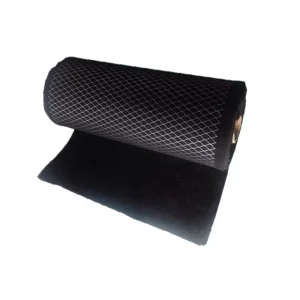
In megacities and heavy processing zones across the Asia-Pacific region, ambient outdoor air frequently contains complex mixtures of diesel exhaust VOCs and seasonal particulate haze (PM2.5). Our dual-phase compound filters integrate high-efficiency melt-blown HEPA substrates with multi-layer sandwich carbon fabric. This single-stage, space-efficient solution reduces HVAC footprint constraints while providing combined particulate and gaseous mitigation.
By operating directly in Shenzhen, China's high-tech manufacturing epicenter, we source premium synthetic polymers, fiberglass, and premium coal-based or coconut-shell-derived activated carbon. Our localized supplier ecosystem isolates us from material scarcity, allowing us to source and scale production within days of client specifications.
Our facilities deploy AMADA CNC tooling to construct galvanized steel, aluminum, and stainless steel filter frames. Automated pleaters keep pleat spacing uniform, eliminating local velocity spikes that lead to early VOC breakthrough. Each batch of chemical media undergoes carbon tetrachloride (CTC) adsorption testing to verify its micro-porosity.
Proximity to international shipping hubs allows us to streamline transit times. Every export batch is fully certified (CE compliance, ISO 9001 quality audits), ensuring custom documentation moves smoothly through global customs to reach commercial sites on schedule.
As industrial standards require lower detection limits (parts-per-trillion or ppt level for advanced lithography cleanrooms), the molecular filtration sector is moving toward hybrid media systems. The Snow Peak R&D roadmap focuses on:
Technical answers to common questions about molecular filtration design, media selections, and operational lifetime.
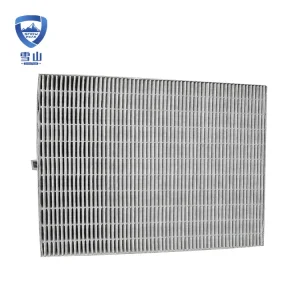
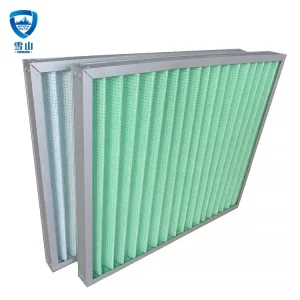
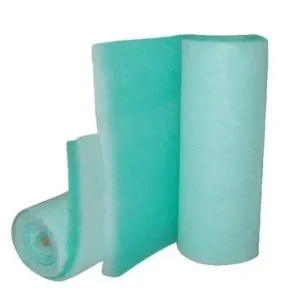
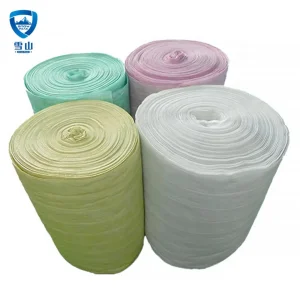
Browse our cleanroom fiberglass deep-pleat separators, pocket filter rolls, VOC media rolls, and plastic frame bank ventilation products.
 Snow Peak