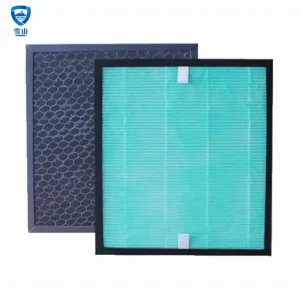
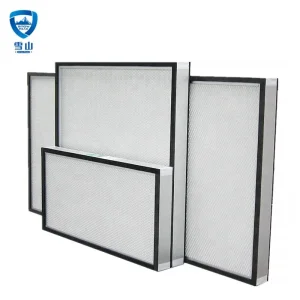
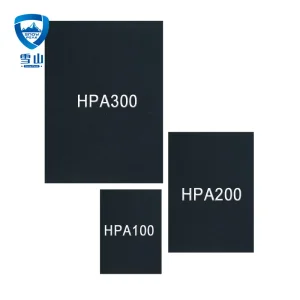
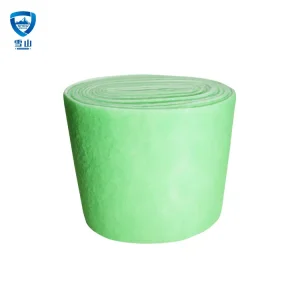
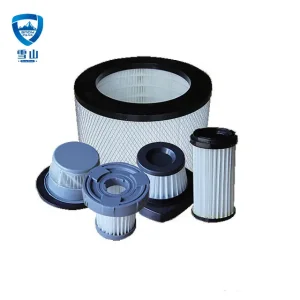
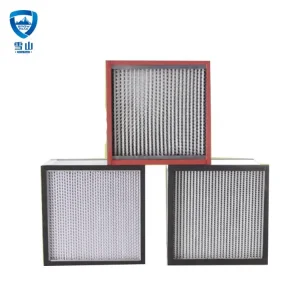
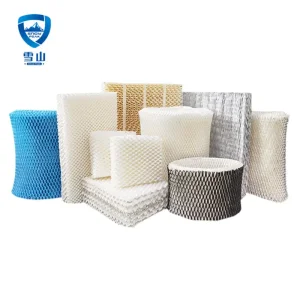
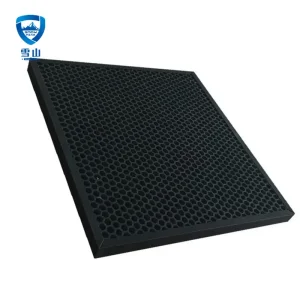
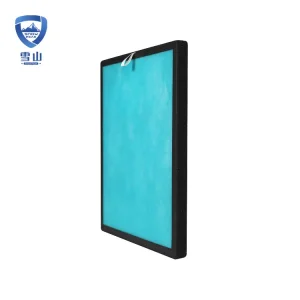
Discover our advanced line of custom-engineered clean air solutions. High-efficiency structural designs, premium replacement sets, and eco-friendly primary filtration media rolls.
Understanding particulate collection classification under global ISO 16890 and EN 779 standards is crucial for establishing long-term, high-efficiency cleanroom operations.
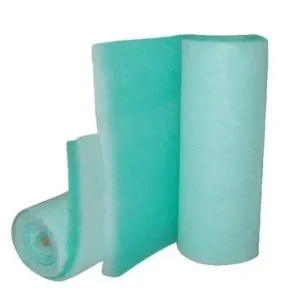
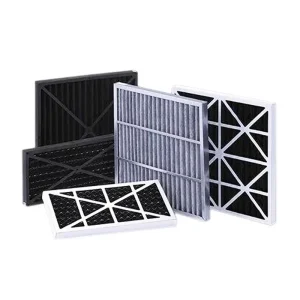
Classified under EN 779:2012 as G4 Coarse (and matching ISO Coarse > 90% under ISO 16890), these filters form the primary shield of any HVAC or cleanroom environment. By capturing massive particles, lint, sand, and large dust fibers, they safeguard secondary medium filters and delicate HEPA modules down the line.
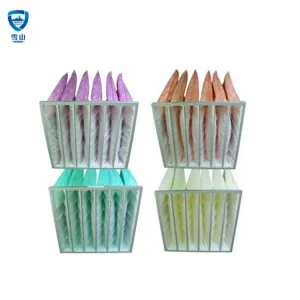
Operating as the second stage, F7 filters (ePM1 50-65% or ePM2.5 > 65-80%) capture critical fine dust particles, atmospheric carbon, and bacterial hosts. Positioned directly in front of terminal cleanroom HEPA filters, F7 units absorb high quantities of microscopic debris, significantly extending HEPA life cycles.
A G4 + F7 cascade creates an optimized system curve. G4 handles the mass load, keeping pressure drop down, while F7 refines the airstream. This prevents sudden terminal HEPA clogging, protecting sensitive industrial equipment, reducing fan energy consumption, and lowering operations overhead.
| Filter Grade (EN 779) | ISO 16890 Classification | Primary Application Profile | Key Filtration Target | Average Pressure Drop (Pa) |
|---|---|---|---|---|
| G4 | ISO Coarse > 90% | Pre-filters for AHUs, heavy manufacturing plants | Sand, hair, large industrial dust (d > 10 μm) | 35 - 70 Pa |
| M5 / M6 | ISO ePM10 > 50% / > 60% | Automotive paint booths, secondary pre-filters | Pollens, spores, coarse atmospheric aerosols | 60 - 110 Pa |
| F7 | ISO ePM1 > 50% to 65% | Commercial HVAC, pharma pre-filters, gas turbine inlets | Bacteria, fine coal dust, welding fumes (0.3 - 1.0 μm) | 80 - 160 Pa |
Air filtration is no longer just a facility cost; it is a critical regulatory, operational, and energy-management pillar across global economies.
In modern microfabrication facilities, even a sub-micron particle can destroy an entire silicon wafer's layout. G4 to F7 multi-stage configurations serve as the core pre-filtration shield in massive Air Handling Units (AHUs). They protect costly terminal Ultra-Low Penetration Air (ULPA) systems by absorbing up to 95% of incoming particulate matter, ensuring a stable cleanroom atmosphere and minimal system downtime.
Cleanrooms for drug manufacturing must adhere to strict GMP guidelines (EU GMP/FDA). F7 filters provide the vital barrier required to eliminate bacterial spores and other cellular vectors before they can contact processing terminals. By combining G4 and F7 filters with antibacterial HEPA, pharmaceutical developers safeguard formulation pipelines from ambient biocontaminants.
Within automotive spray paint lines, clean, particulate-free airflow determines the quality of final product coats. Over-spray must also be efficiently contained. Fiberglass G4 media and synthetic F7 pocket filters keep the airstream clear of ambient paint particles, ensuring high-gloss, defect-free automotive finishes while protecting exhaust fans from sticky paint residue.
Integrating research & development, automated manufacturing, and global distribution of high-efficiency clean air systems.
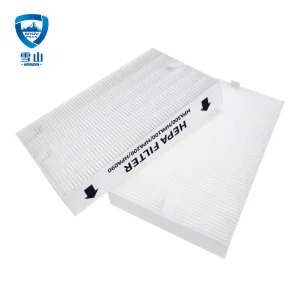
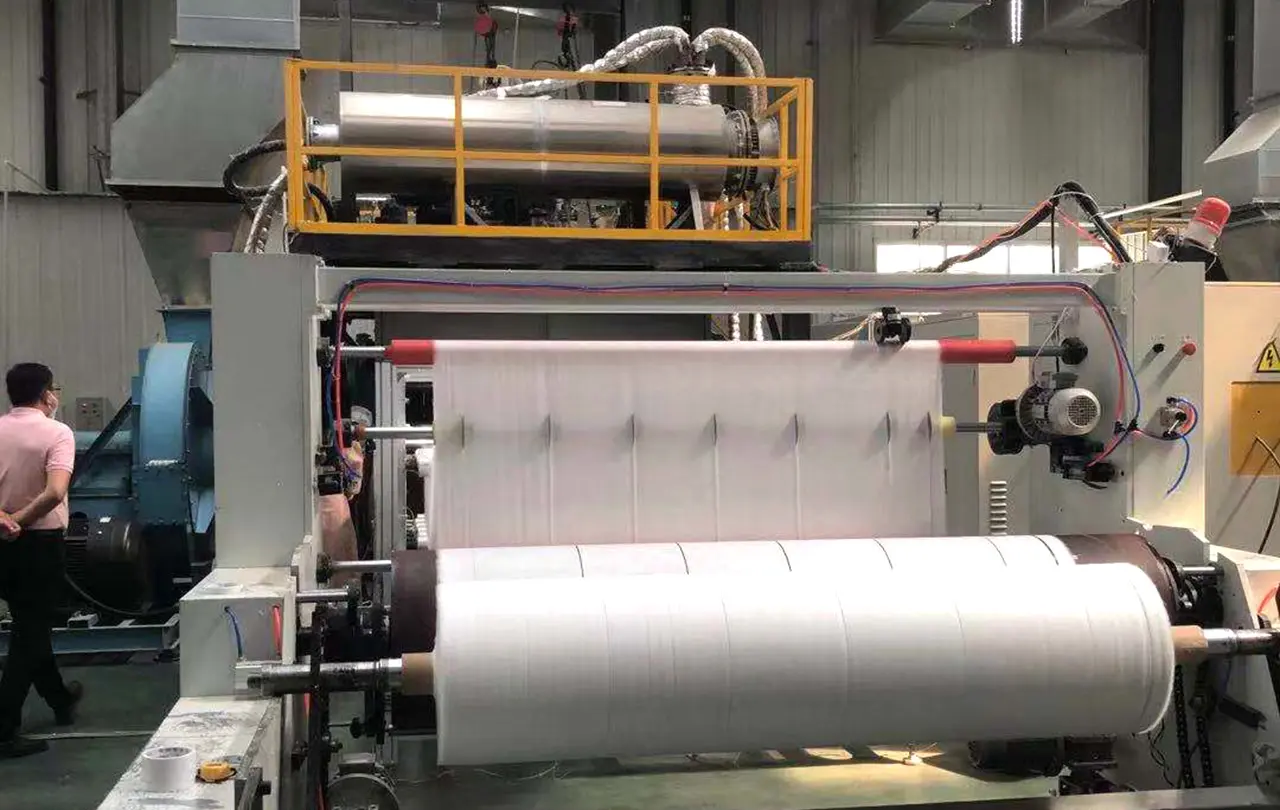
Shenzhen Snow Peak Clean Technology Co., Ltd. is an integrated high-tech enterprise, specialized in air filtration products research and development, production, sales, import and export trade. We produce and supply: Pre-filter, pocket filter, HEPA filter, chemical filter; replacement HEPA filter, car cabin air filter, humidifier filter; pocket filter media, melt-blown composite filter media, and other high-performance filter materials; provide high quality air purification solutions and products for indoor air pollution control and air conditioning systems of civil and industrial buildings, microelectronics, pharmaceutical, laboratory, school, hospital clean room etc.
Combined with self-developed patented technology, our sterilizing antiviral HEPA filter can effectively filtrate fine particles, so that PM2.5 concentration down to 10 micrograms/m3, 5 times better than national standard; effectively inhibit the breeding of microorganisms, sterilization rate up to 99.9%, and no secondary pollution, removal of H1N1 virus efficiency as high as 99.99%.
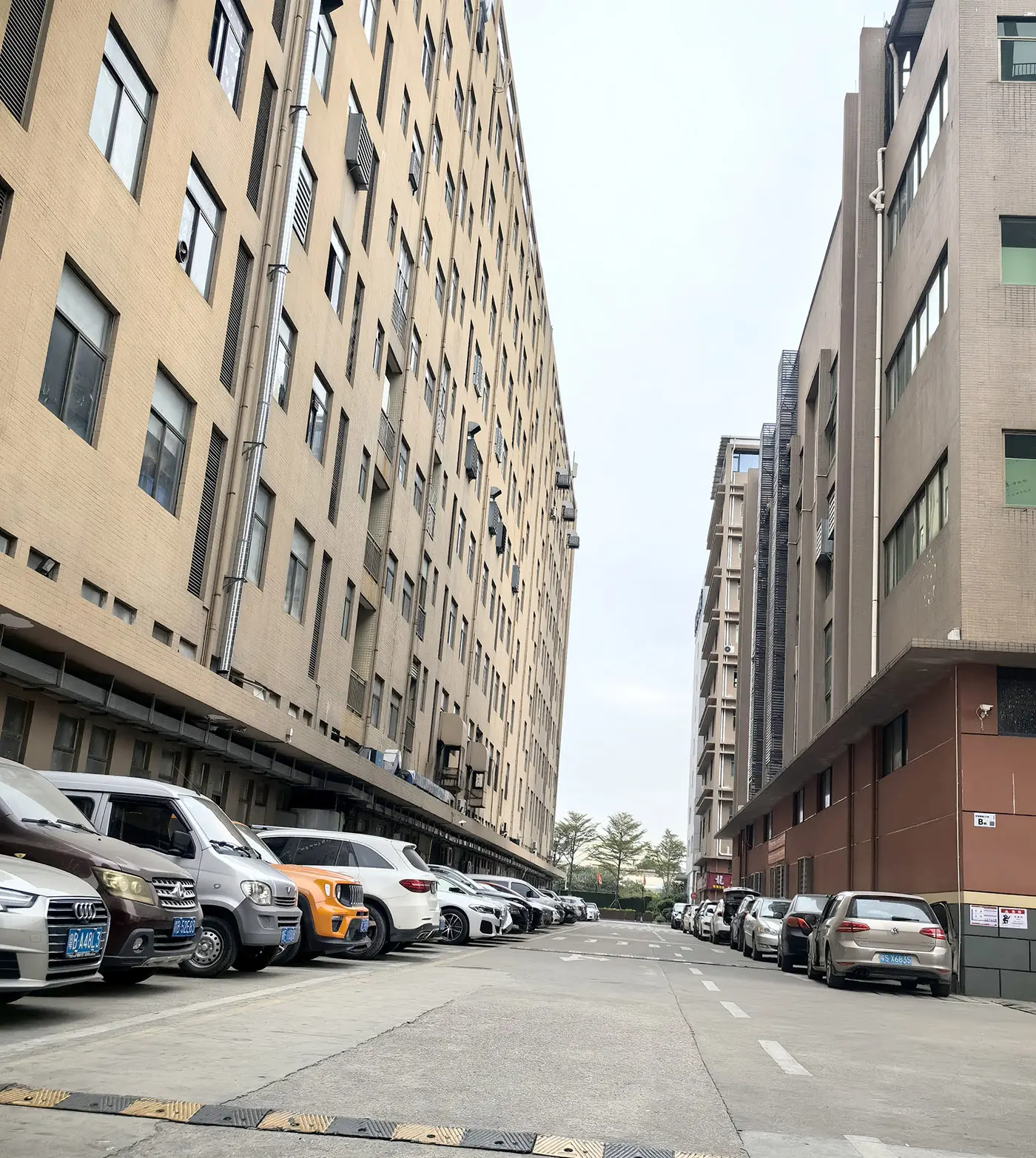
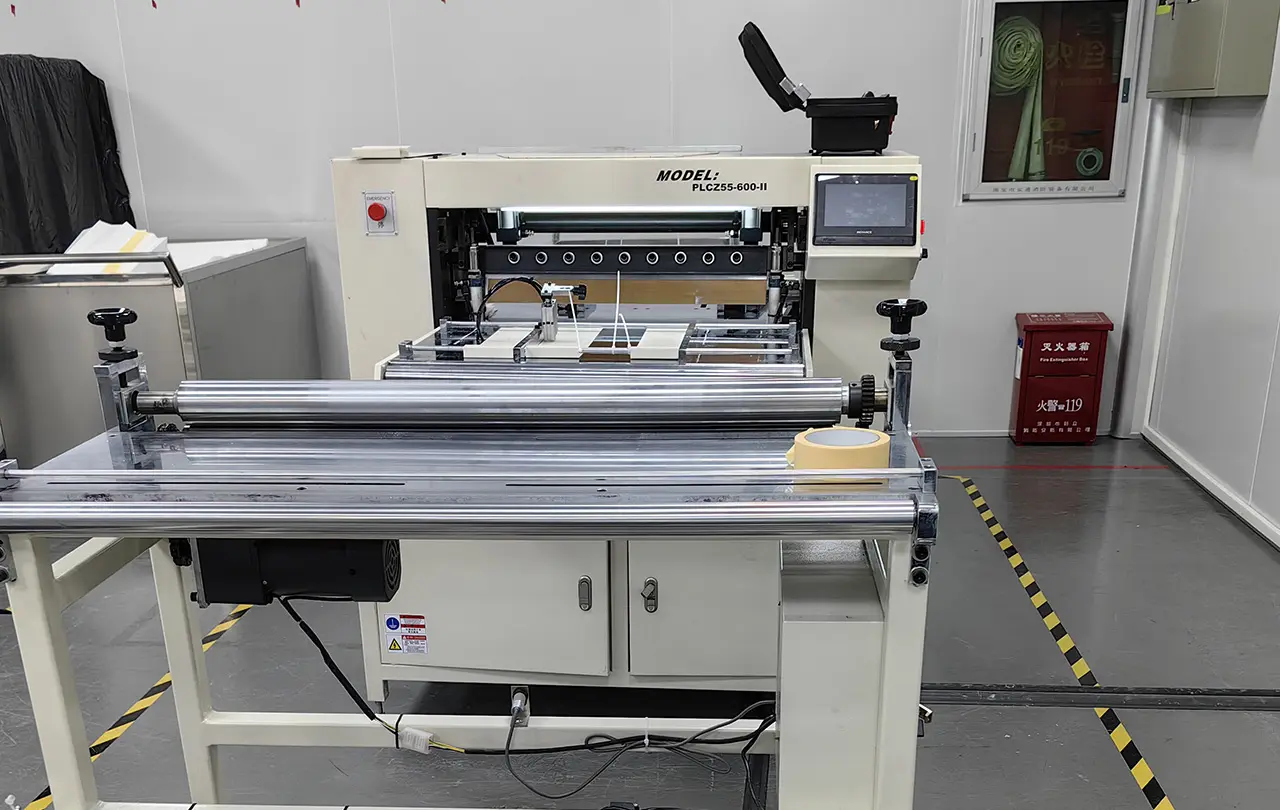
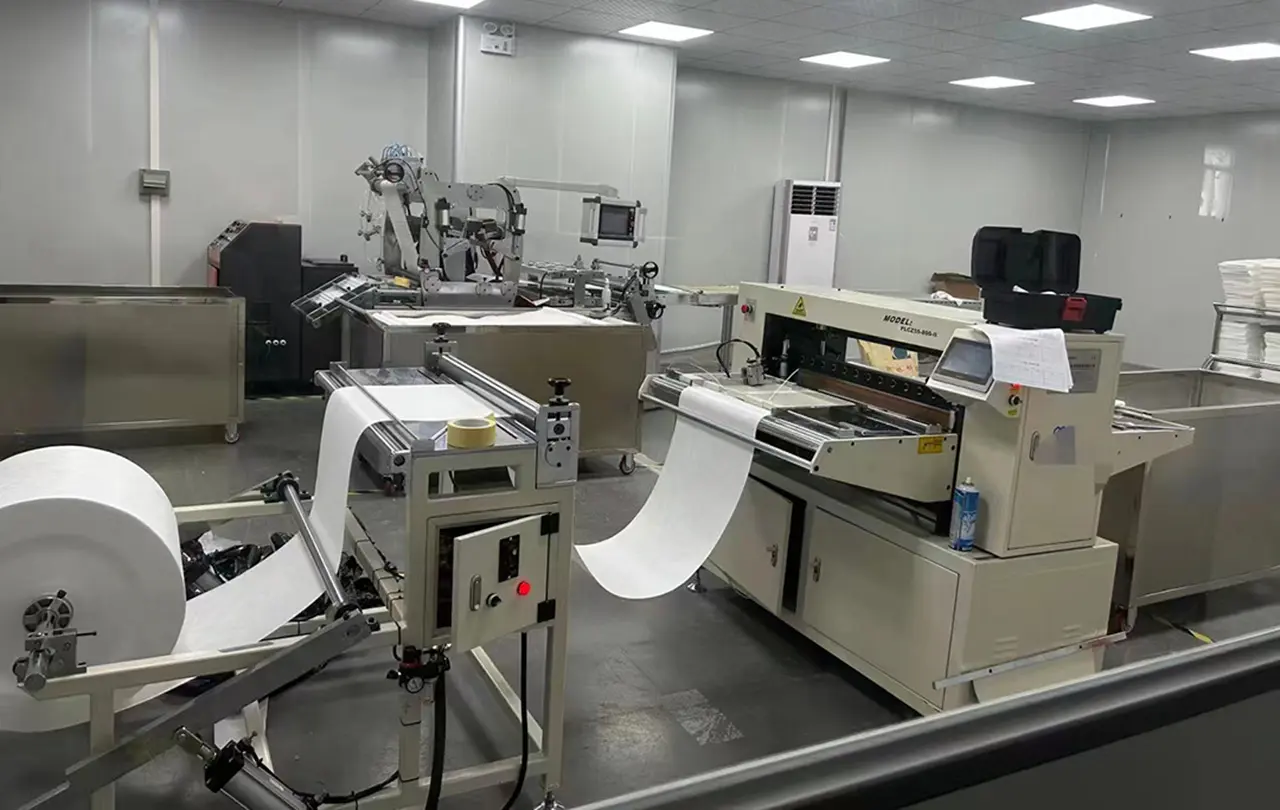
Having 15 years of international air purification technology experience as the background, our company has standardized production workshop, dust-free filter workshop and first-class technology of HEPA filters production line and inspection line, independent research and development of fully automatic air filter production line, equipped with AMADA CNC punch and CNC bending machine as well as many other advanced high-end equipment, provide a strong guarantee for production and quality of air filtration and purification products.
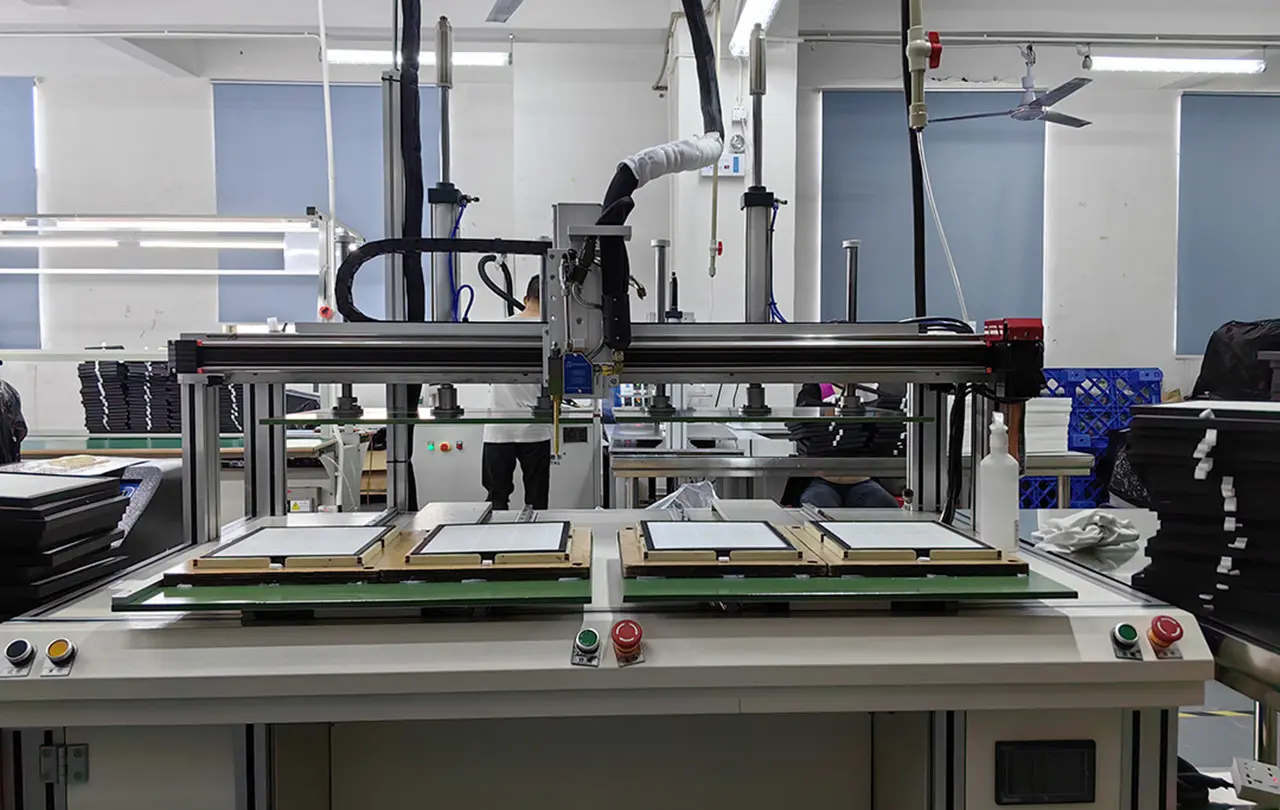
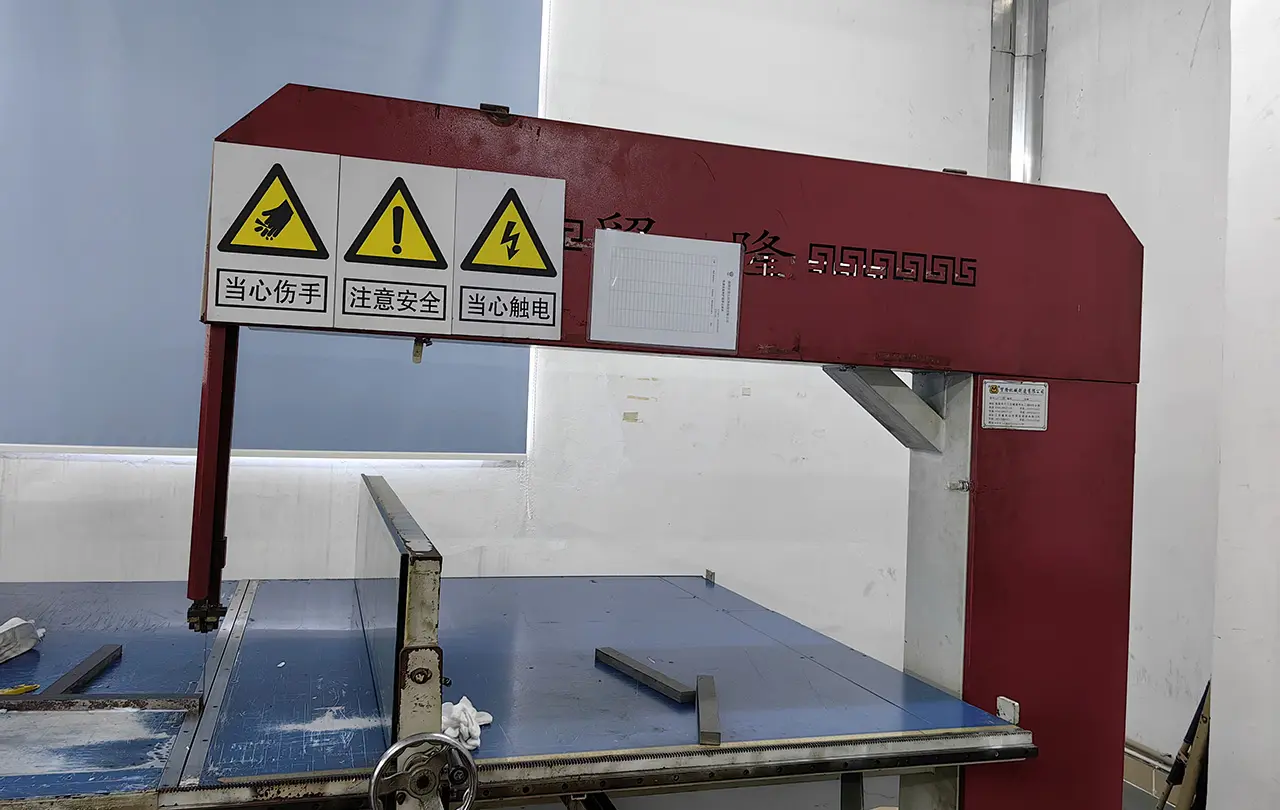
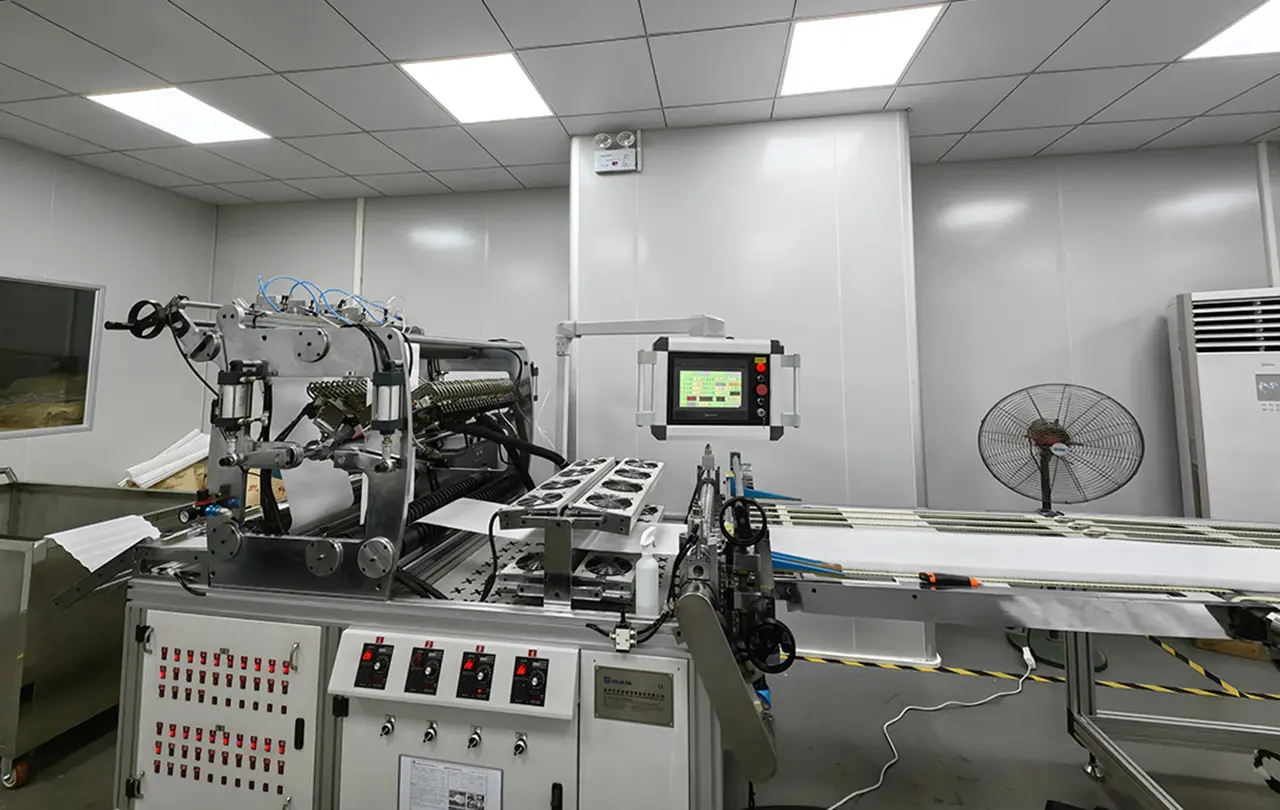
How custom design parameters and structural geometry dictate dust holding capacity, operating costs, and overall airflow resistance.
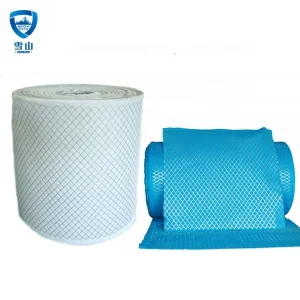
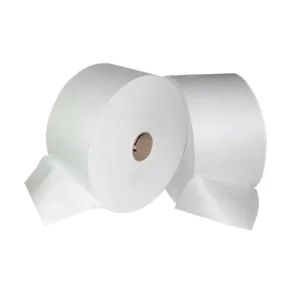
The choice of raw fiber media determines filtration speed, resistance, and stability. Our laminated polyester synthetic wire mesh rolls offer massive tensile strength, protecting the pleated structure from collapsing under high wind loads. Meltblown PP composite materials provide electrostatic charges that capture microscopic elements without restricting airflow. Fiberglass media stands as the gold standard for high-temperature exhaust and paint spray booth floor containment due to its chemical inertia.
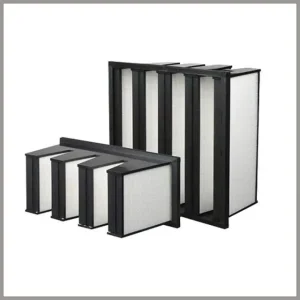
V-Bank configurations (2V, 3V, 4V, 5V, 6V plastic frame systems) optimize the active media area within a compact physical footprint. By positioning pleat packs at specialized angles, airflow is evenly distributed, reducing local friction and drag. This reduces the system's operational pressure drop by up to 25%, resulting in significant energy savings for building automation and HVAC fans.
For pre-filtration (G3 and G4) panels, pleat integrity is crucial. Our custom laminates adhere galvanized or aluminum wire mesh backing directly onto synthetic media. This structural backing prevents pleat deformation under high moisture, turbulent air intake, and heavy particulate loads, guaranteeing steady, linear air flow rates across the filter's operational lifetime.
Meeting strict regional cleanroom guidelines and safety specifications across standard frameworks like EU-CE, ISO 16890, and ASHRAE.
All structural components, media layers, and adhesives used in our primary floor glass fiber rolls, V-Bank air conditioning modules, and cylindrical HEPA dust collector units carry CE Certification. This guarantees compliance with European health, safety, and environmental protection guidelines. Crucial for EU factories, this certification ensures easy customs clearance and seamless integration into municipal cleanroom configurations.
For operations in North America, we align our metrics with MERV rating benchmarks. A standard G4 filter correlates with MERV 7 to MERV 8 pre-filters, while our premium F7/F8 synthetic pocket filters deliver performance equivalent to MERV 13 to MERV 14 systems, matching regional energy-saving design criteria.
Different operational areas require specific filter configurations. For example, high-humidity regions require anti-microbial pocket filters that resist mold growth, while heavy manufacturing hubs benefit from high-capacity G4 wire-laminated panels that capture coarse industrial dust.
Looking ahead, air filtration must balance high separation efficiency with environmental sustainability and smart building automation.
To address plastic waste, our engineering team is developing bio-based synthetic polymers for pre-filter media. By transitioning to biodegradable materials for G4 and F7 filters, we help clients reduce their environmental footprint without sacrificing filtration performance.
We are working to integrate stable electrostatic charges into our meltblown pocket filters. This technology helps capture sub-micron particles at a lower physical density, keeping initial pressure drop low and reducing energy consumption in heavy HVAC systems.
Our future filtration frames will support IoT pressure sensors. These sensors track pressure drop in real time, alerting facilities when a filter is near capacity to prevent premature replacement or energy loss.
Direct answers to common technical, procurement, and deployment questions regarding G4 and F7 filtration systems.
Engineered for cleanrooms, high-temperature lines, and heavy-duty dust collection applications.
 Snow Peak