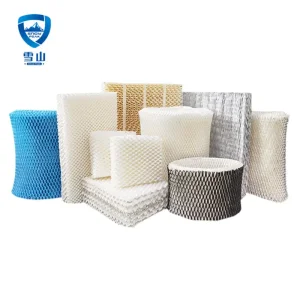
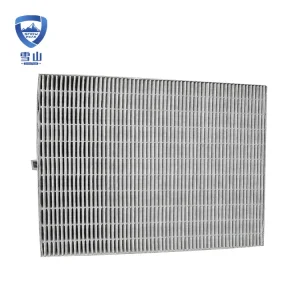
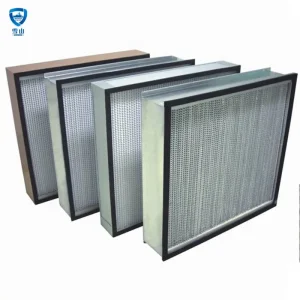
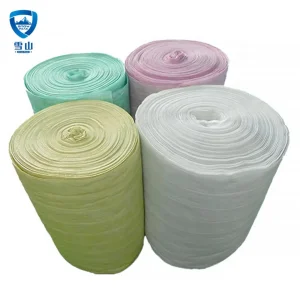
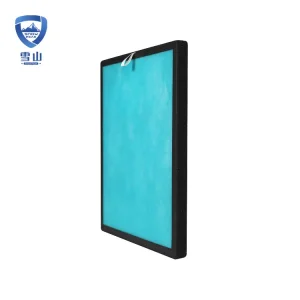
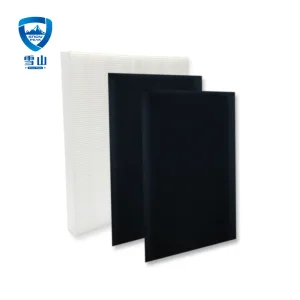
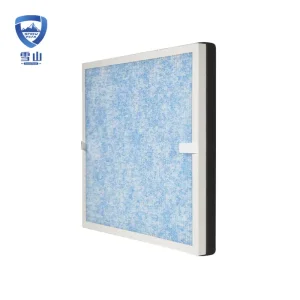
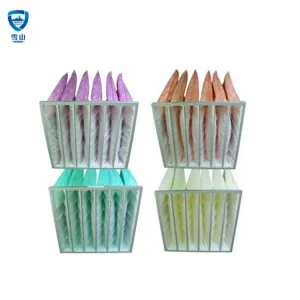
Explore our elite portfolio of high-efficiency filters, pocket ventilation systems, and evaporative technologies engineered for global commercial and industrial applications.
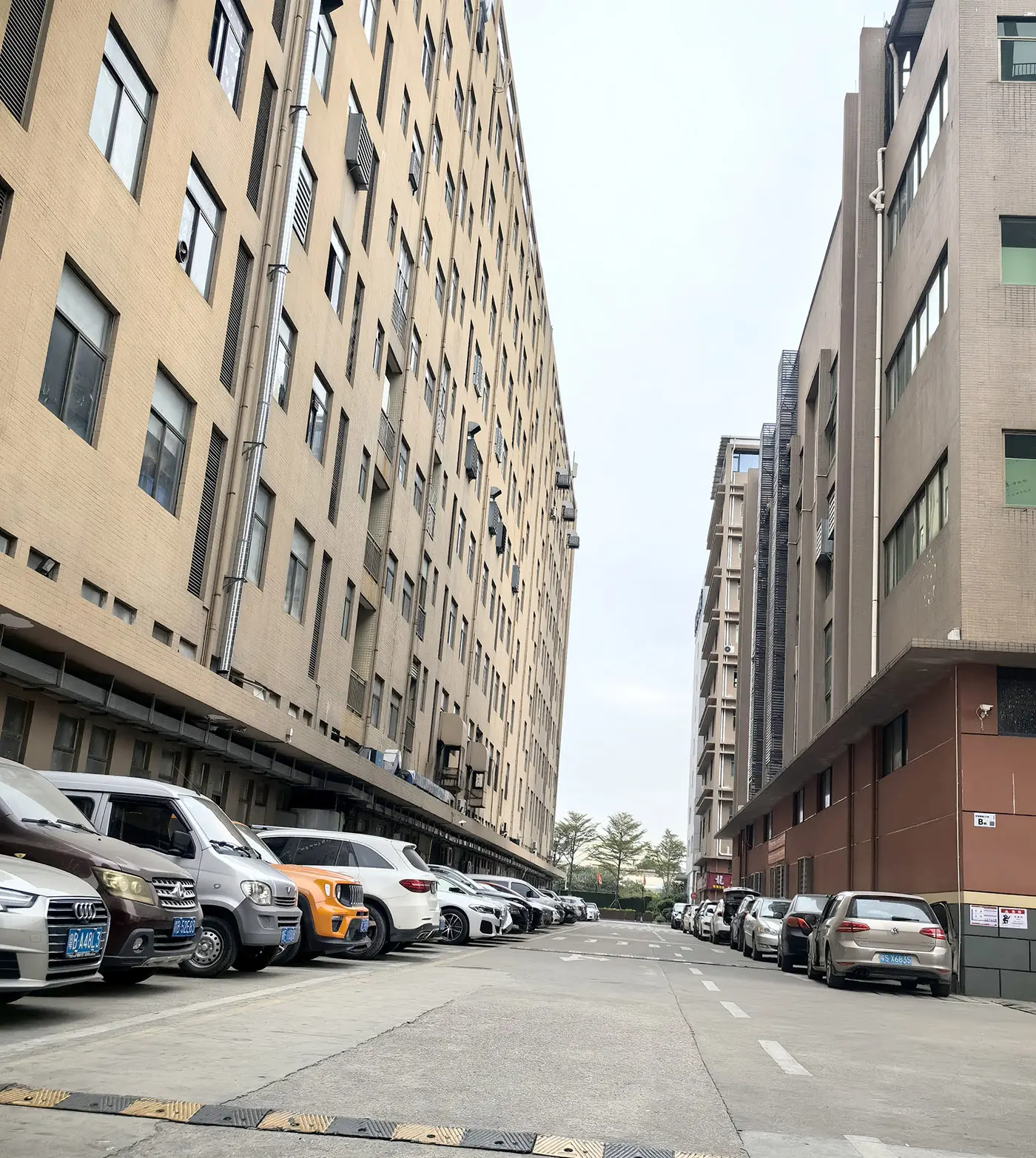
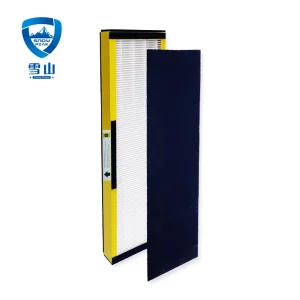
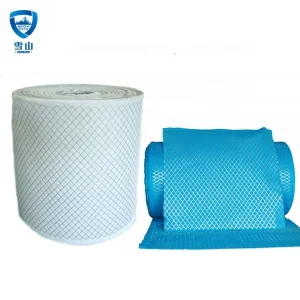
Shenzhen Snow Peak Clean Technology Co., Ltd. is an integrated high-tech enterprise, specialized in air filtration products research and development, production, sales, import and export trade. We produce and supply: Pre-filter, pocket filter, HEPA filter, chemical filter; replacement HEPA filter, car cabin air filter, humidifier filter; pocket filter media, melt-blown composite filter media, and other high-performance filter materials; provide high quality air purification solutions and products for indoor air pollution control and air conditioning systems of civil and industrial buildings, microelectronics, pharmaceutical, laboratory, school, hospital clean room etc.
Combined with self-developed patented technology, our sterilizing antiviral HEPA filter can effectively filtrate fine particles, so that PM2.5 concentration down to 10 micrograms/m3, 5 times better than national standard; effectively inhibit the breeding of microorganisms, sterilization rate up to 99.9%, and no secondary pollution, removal of H1N1 virus efficiency as high as 99.99%.
Patented antiviral substrate eliminates H1N1 viruses, bio-aerosols, and pathogens without producing harmful secondary pollution.
Engineered to suppress PM2.5 particulate concentrations down to 10 µg/m³, massively exceeding conventional indoor clean standards.
Comprehensive OEM/ODM capability supported by 15 years of industry-leading R&D and proprietary tooling setups.
The dynamic global shift towards indoor air quality (IAQ) maintenance has transformed exhaust system architectures. Historically, simple mechanical exhaust systems served ventilation needs. In the modern industrial and commercial landscape, the integration of HEPA (High-Efficiency Particulate Air) filtration in exhaust channels is a regulatory necessity. This evolution is propelled by rising bio-security demands, stringent emissions laws, and the expansion of high-tech manufacturing ecosystems.
Globally, the market is shifting from mere energy conservation to integrated safety ventilation. Exhaust fans must prevent environmental contamination, control toxic gaseous compounds, and eliminate bio-aerosols. This requires structural resilience in both the filtration medium (fiberglass, synthetic media, and composite layers) and the mechanical fan assembly. For exporters and wholesale buyers, recognizing this integration is key to addressing the modern supply chain requirements of pharmaceutical, semiconductor, and clinical facilities.
"The combination of HEPA-level micro-glass media with optimized fan enclosures forms the core of modern safe containment design. This integration mitigates pressure drops while maximizing particle retention at the most critical points of emission."
Selecting a HEPA exhaust fan is not only about finding the correct physical footprint. It requires matching fan motor pressure curves with filter resistance. The structural integrity of the filter envelope (pleat count, depth, and separator type) directly dictates system efficiency. In high-efficiency systems, fiberglass and compound materials are selected to balance high air flow with resistance.
| Filter Class (EN1822) | Min. Efficiency (MPPS) | Common Material Base | Typical System Application |
|---|---|---|---|
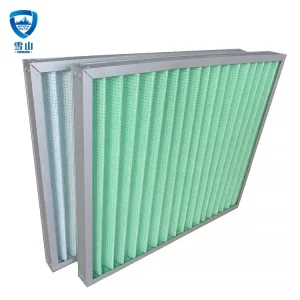
| G3 - G4 (Pre-Filter) | Coarse Dust (>90%) | Synthetic Fibers / Wire Mesh | HVAC Intakes & Fan Protection |
| M5 - F9 (Medium) | 40% - 95% (ePM1) | Meltblown / Synthetic Pockets | Secondary Stage Protection |
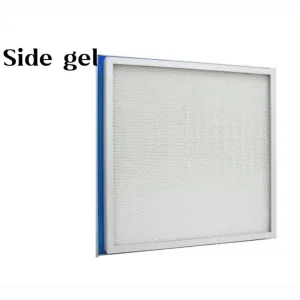
| H13 (HEPA) | 99.95% | Fiberglass / Mini-pleat Gel-seal | Pharma Cleanrooms / Bio-Exhaust |
| H14 (HEPA) | 99.995% | Deep-pleat Fiberglass | Semi-conductor Cleanrooms / Lab BIBO |
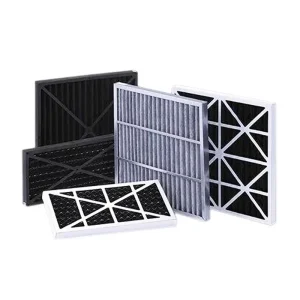
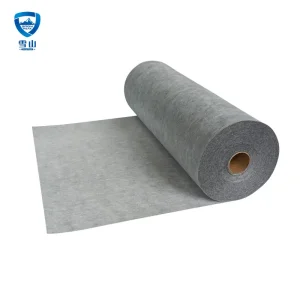
HEPA exhaust fans operate against high static pressure. As the cleanroom environment maintains negative or positive pressure zones, the fan must continuously overcome the rising resistance of loading filter media. Our factory designs specialized composite systems, integrating activated carbon sandwich fabrics to remove both hazardous particulate matter and Volatile Organic Compounds (VOCs) simultaneously, protecting both personnel and downstream mechanical equipment.
B2B buyers, EPC contractors, and distribution partners require high efficiency and low maintenance overheads. Procurement operations evaluate key parameters to verify structural compliance and long-term viability:
Our 15 years of air purification expertise is backed by a standardized production workshop, dust-free filter assembly lines, and high-end processing machinery including AMADA CNC punch and bending systems.
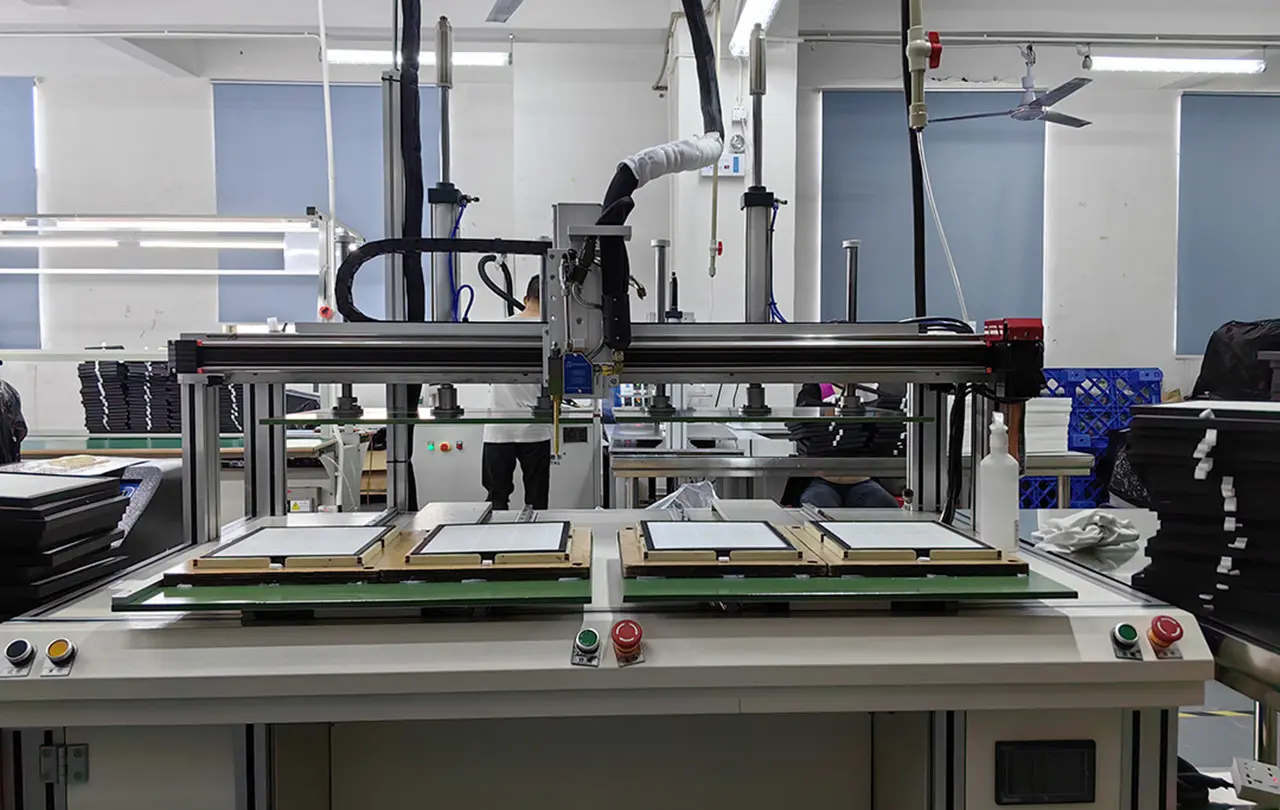
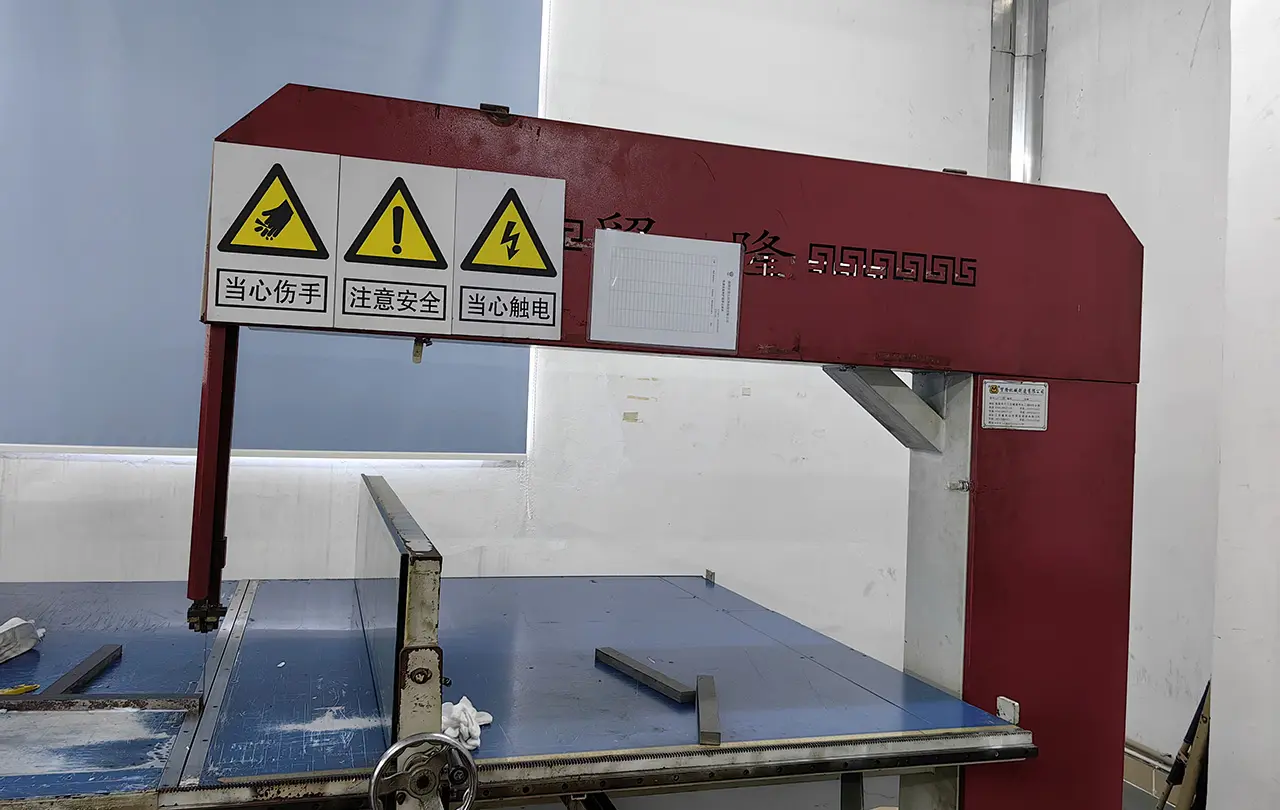
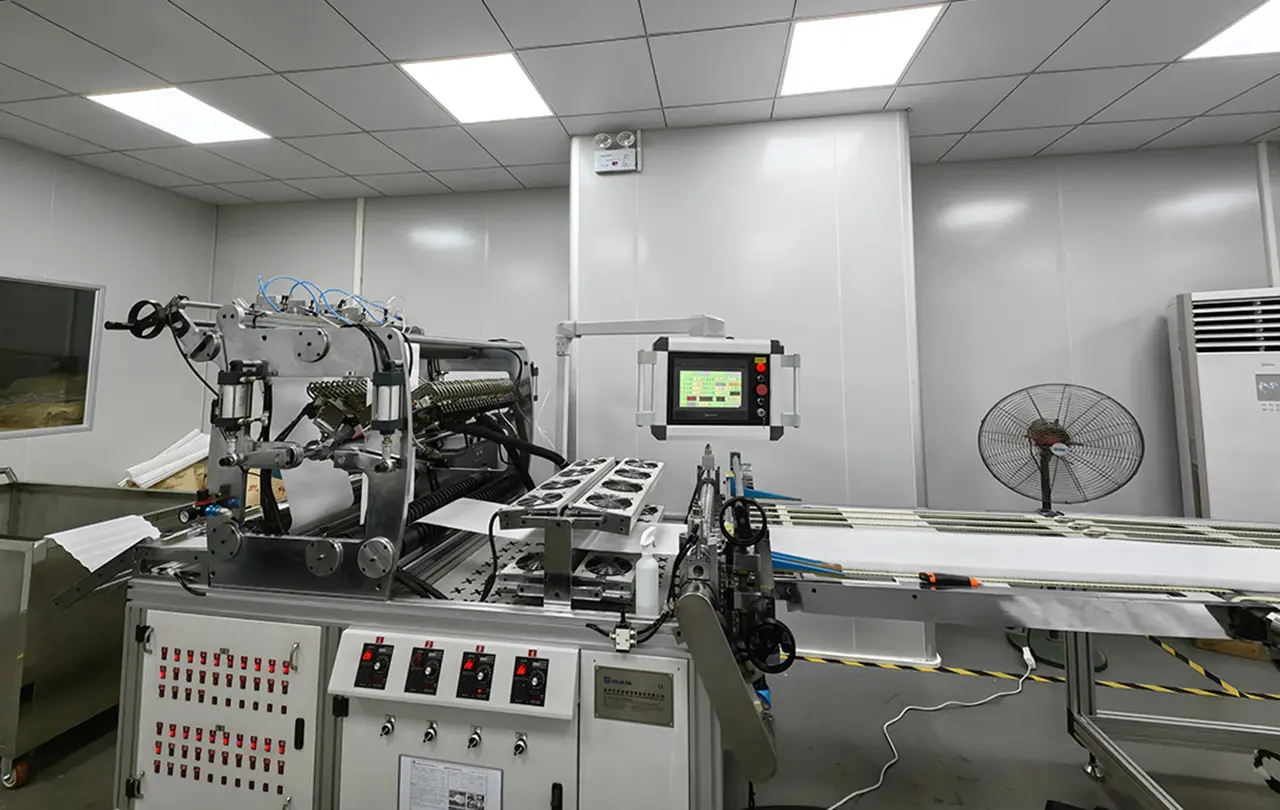
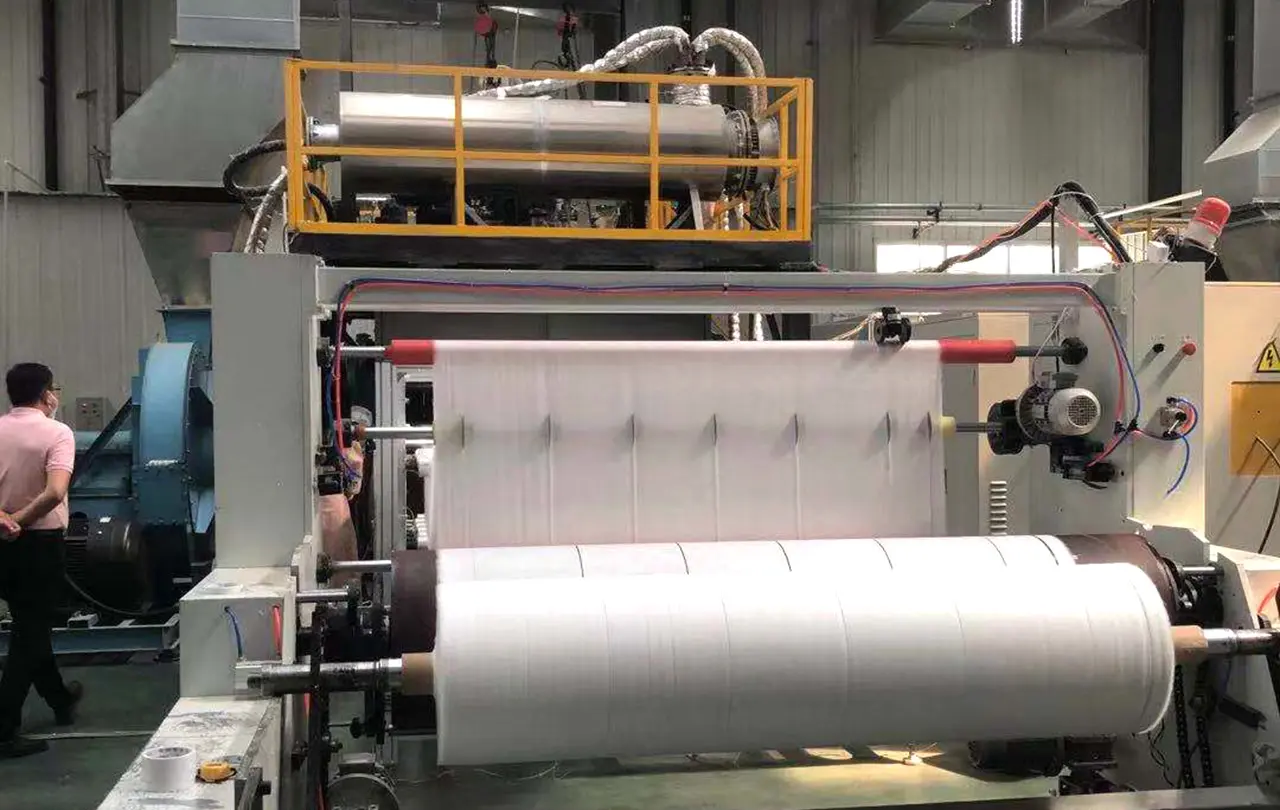
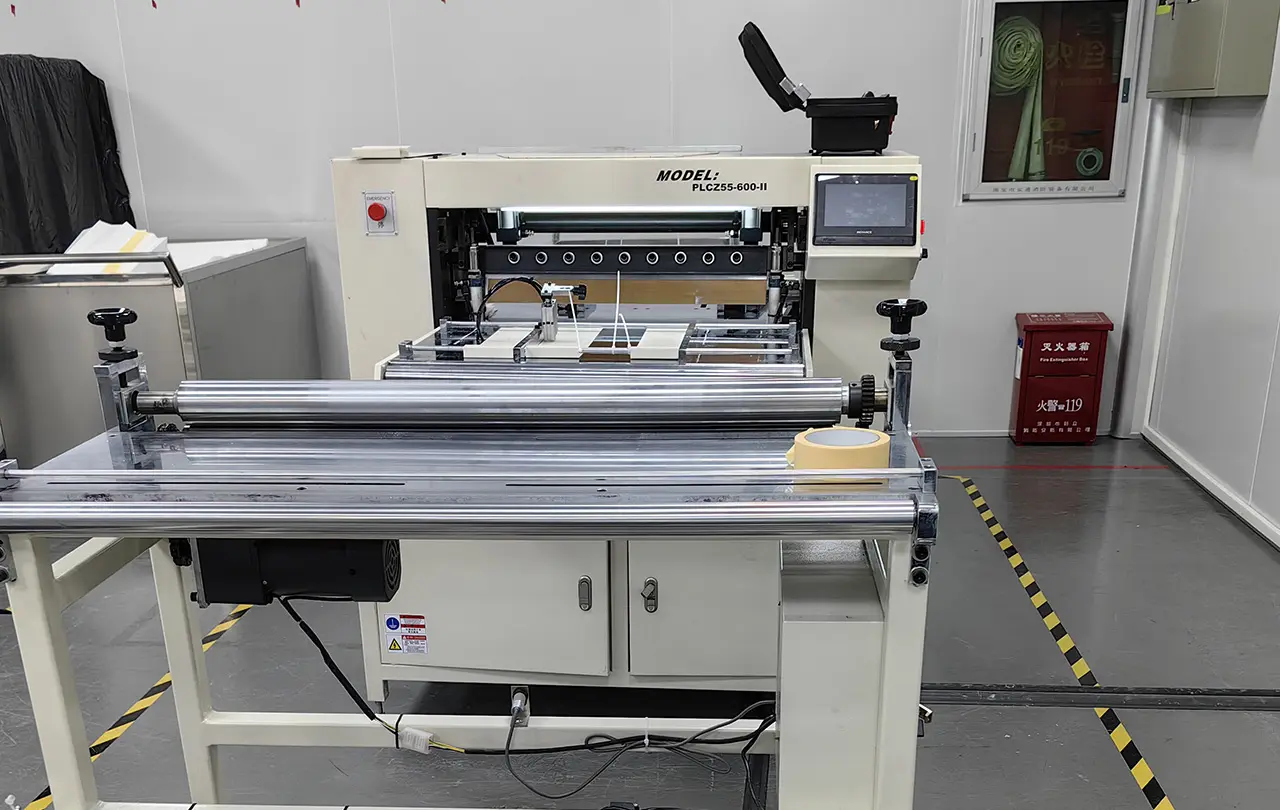
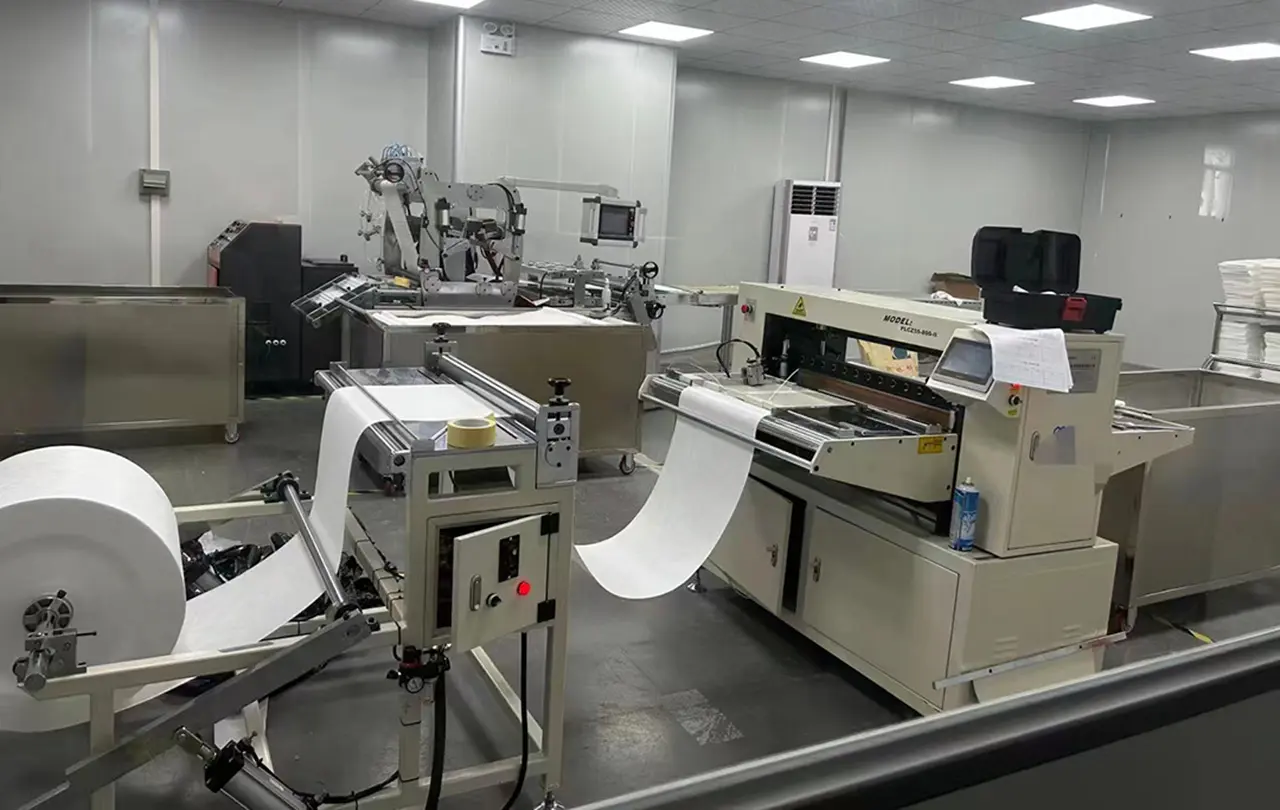
Having 15 years of international air purification technology experience as the background, our company has standardized production workshop, dust-free filter workshop and first-class technology of HEPA filters production line and inspection line, independent research and development of fully automatic air filter production line, equipped with AMADA CNC punch and CNC bending machine as well as many other advanced high-end equipment, provide a strong guarantee for production and quality of air filtration and purification products.
This integrated technological capability underpins our Factory 4.0 strategy. Precision sheet-metal processing guarantees the mechanical tolerances of filter housings, ensuring that there is no air bypass. Dust-free filter workshops eliminate secondary environmental contamination during the curing of hot-melt adhesives, preserving the high efficiency of micro-glass media before shipment.
The implementation of high-efficiency HEPA exhaust fans varies depending on localized engineering demands:
In airborne infection isolation rooms (AIIR), negative pressure must be continuously maintained. HEPA exhaust systems safely remove contaminated air, passing it through multi-stage pre-filters and high-efficiency HEPA elements, preventing viruses like H1N1 from entering surrounding hospital corridors.
Sub-micron dust particles can destroy semiconductor wafers during production. Integrated HEPA fan filter units (FFUs) are utilized to scrub internal air recirculation streams, holding particle counts below strict ISO Class 5 or Class 4 limits.
Active Pharmaceutical Ingredients (APIs) and hazardous biological agents demand fail-safe containment. In these environments, gel-sealed deep-pleat HEPA filters with integrated containment housings prevent any bypassed air leaks, maintaining clean air paths during intensive manufacturing phases.
The post-pandemic market has exposed vulnerabilities in global distribution networks. As custom air filtration systems are crucial components of complex mechanical installations, delivery delays can cause project slippage. Shenzhen Snow Peak mitigates these risks through a robust raw material sourcing model, utilizing regional aluminum, fiberglass media, and carbon fabric production clusters.
Our proximity to key logistics hubs in Shenzhen, Hong Kong, and Guangzhou allows us to coordinate air, sea, and multimodal shipments efficiently. Combined with robust packaging solutions like wire-mesh laminated pre-filters and durable wooden casing, we ensure high-value micro-pleated HEPA filters arrive in pristine structural condition, ready for direct field installation.
Answers to critical design, installation, and procurement questions asked by HVAC engineers, B2B buyers, and cleanroom design experts.
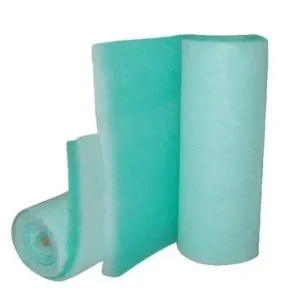
High-performance replacement filtration matrices, chemical gas control units, and robust roll media tailored to challenging industrial environments.
 Snow Peak