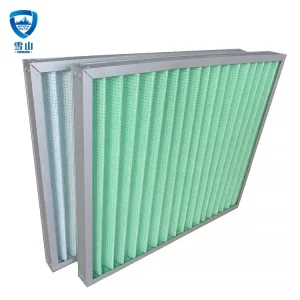
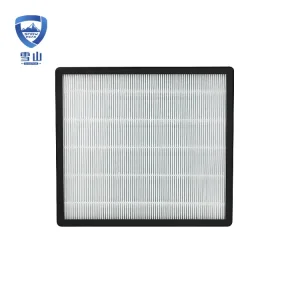
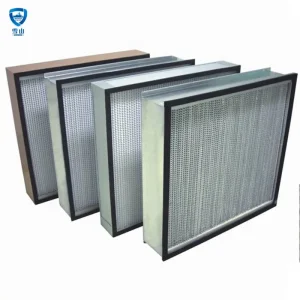
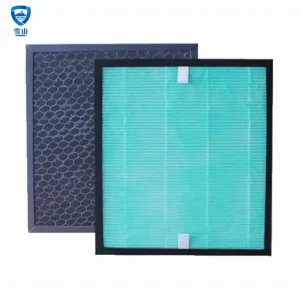
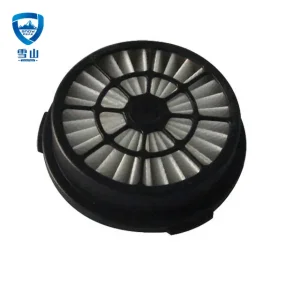
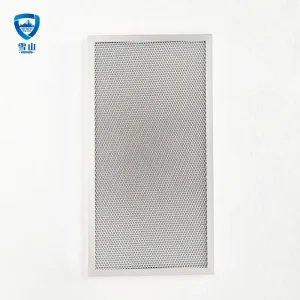
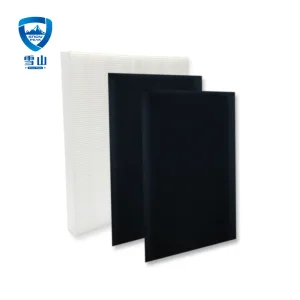
Direct factory-to-business wholesale offerings utilizing high-efficiency particulate air and gas-phase filtration technologies.
Modern air filtration systems demand an engineered approach capable of handling multi-phase airborne pollutants. In modern industrial, cleanroom, and high-performance residential ventilation environments, particulate matter is only one side of the coin. Volatile Organic Compounds (VOCs), acid vapors, toxic gases, and odor-bearing molecules form the molecular side of pollution. By pairing High-Efficiency Particulate Air (HEPA) mechanical filters with Activated Carbon (AC) adsorption mechanisms, manufacturers produce composite elements that guarantee comprehensive purification.
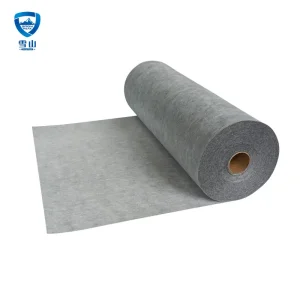
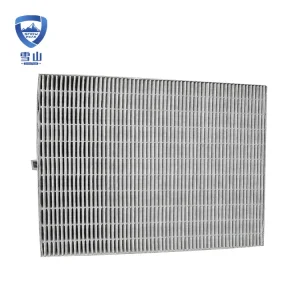
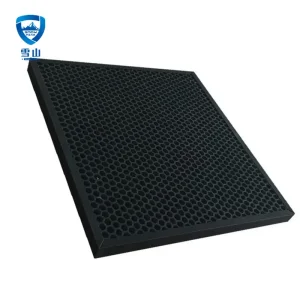
A major design factor for B2B procurement professionals is calculating the optimal pressure drop versus the holding capacity. Carbon impregnated fabric structures provide an excellent balance between low airflow resistance and decent gas-holding capacity, whereas honeycomb-shaped beds filled with granulated activated carbon (GAC) offer a significantly higher Carbon Tetrachloride (CTC) value, making them suitable for heavy-duty industrial emission scrubbing.
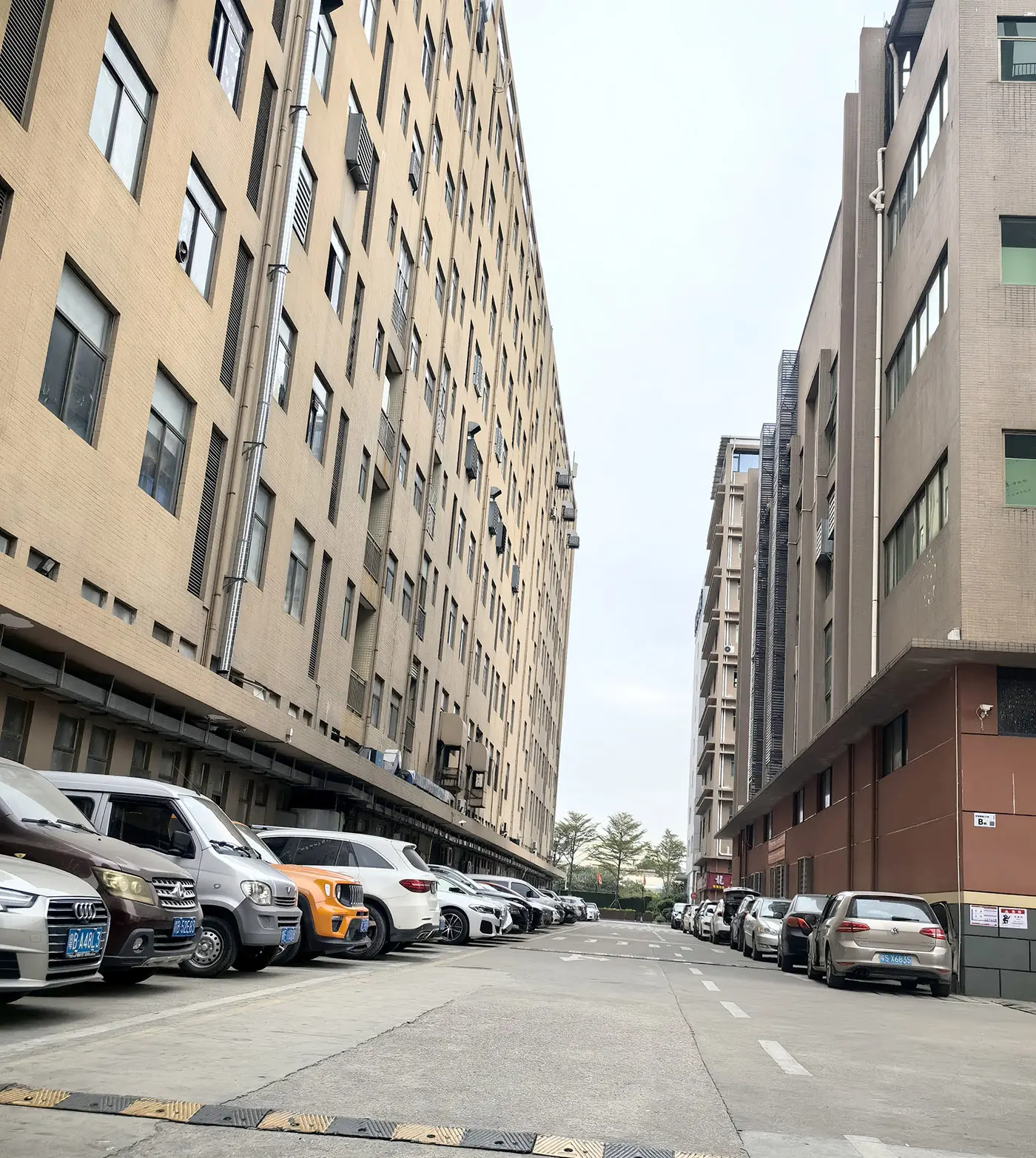
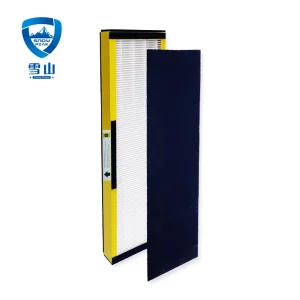
Shenzhen Snow Peak Clean Technology Co., Ltd. is an integrated high-tech enterprise, specialized in air filtration products research and development, production, sales, import and export trade. We produce and supply: Pre-filter, pocket filter, HEPA filter, chemical filter; replacement HEPA filter, car cabin air filter, humidifier filter; pocket filter media, melt-blown composite filter media, and other high-performance filter materials; provide high quality air purification solutions and products for indoor air pollution control and air conditioning systems of civil and industrial buildings, microelectronics, pharmaceutical, laboratory, school, hospital clean room etc.
Combined with self-developed patented technology, our sterilizing antiviral HEPA filter can effectively filtrate fine particles, so that PM2.5 concentration down to 10 micrograms/m3, 5 times better than national standard; effectively inhibit the breeding of microorganisms, sterilization rate up to 99.9%, and no secondary pollution, removal of H1N1 virus efficiency as high as 99.99%.
Our state-of-the-art machinery ensures high repeatability, minimal structural bypass leaks, and precision cutting of all filter components.
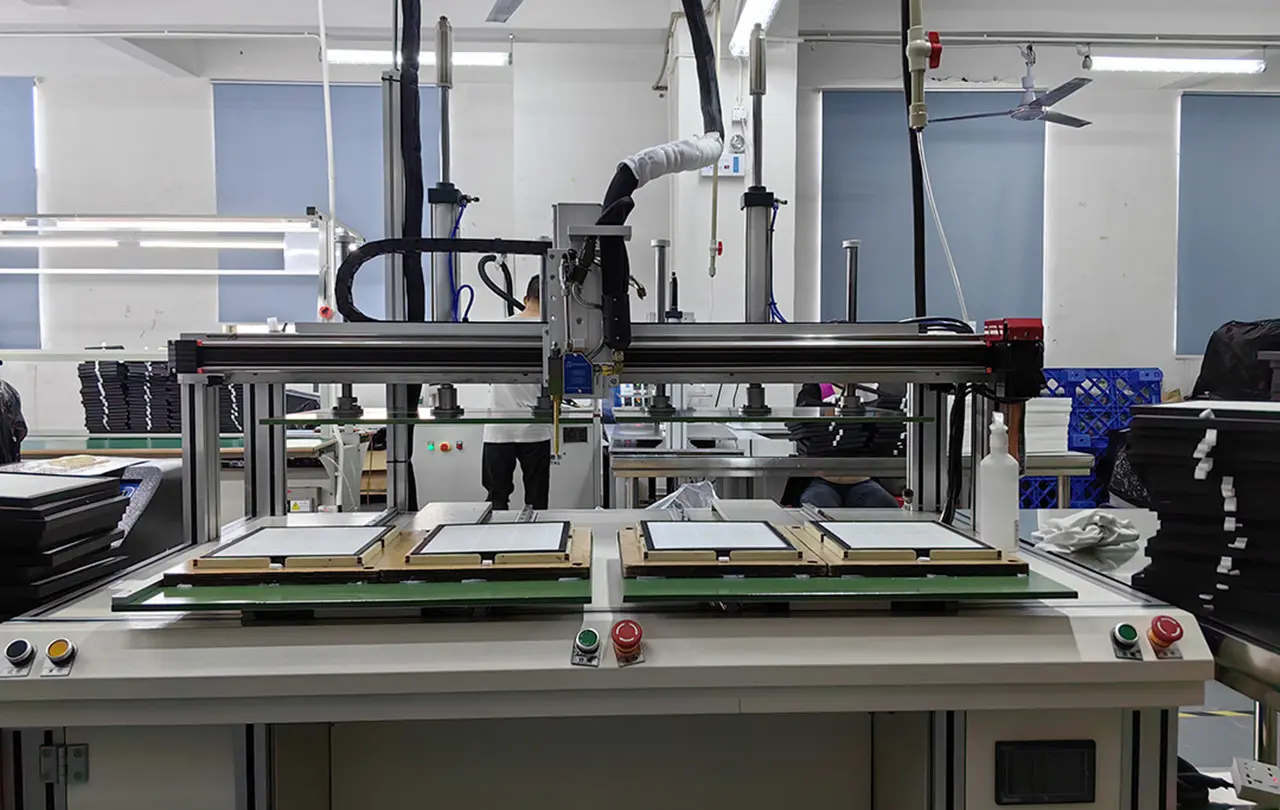
Computer-guided automated adhesive dispensing systems for uniform frame sealing and leak-free performance.
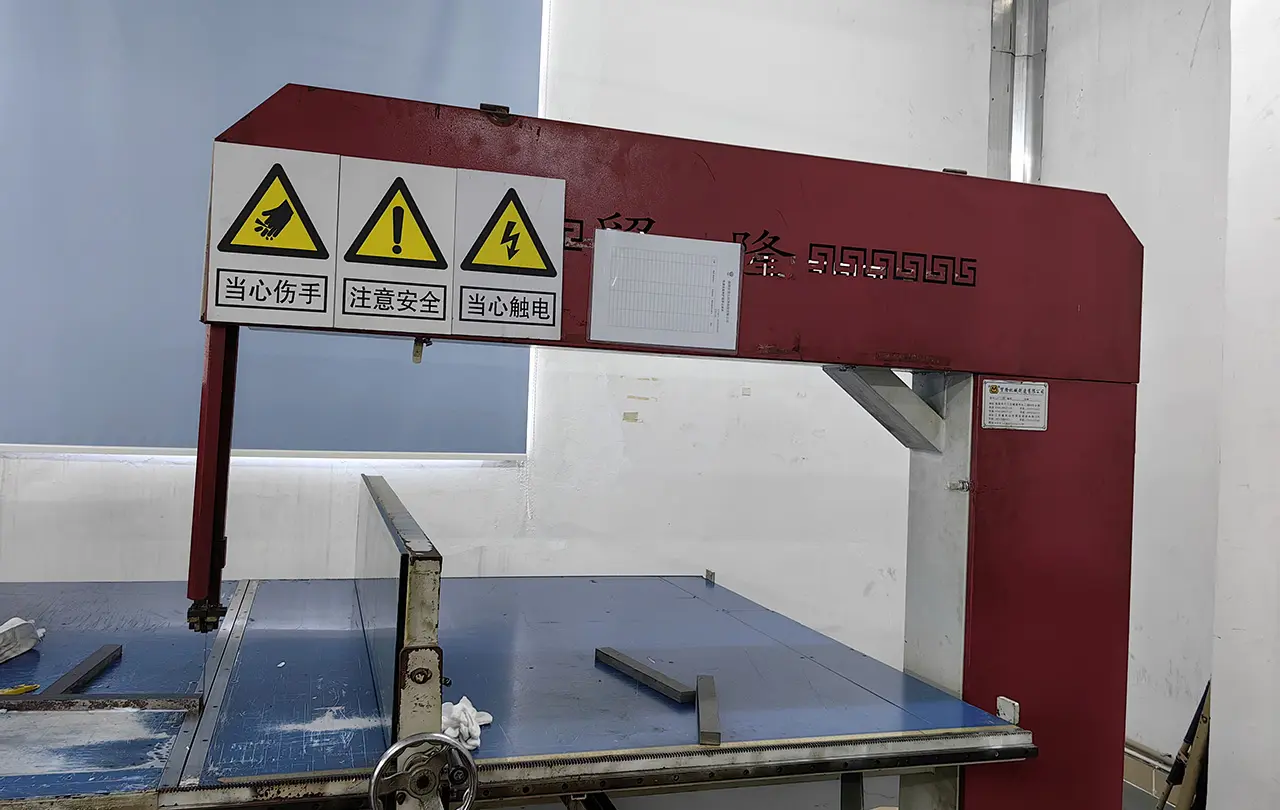
High-precision material sizing equipment preventing frayed edges and maintaining absolute dimensions.
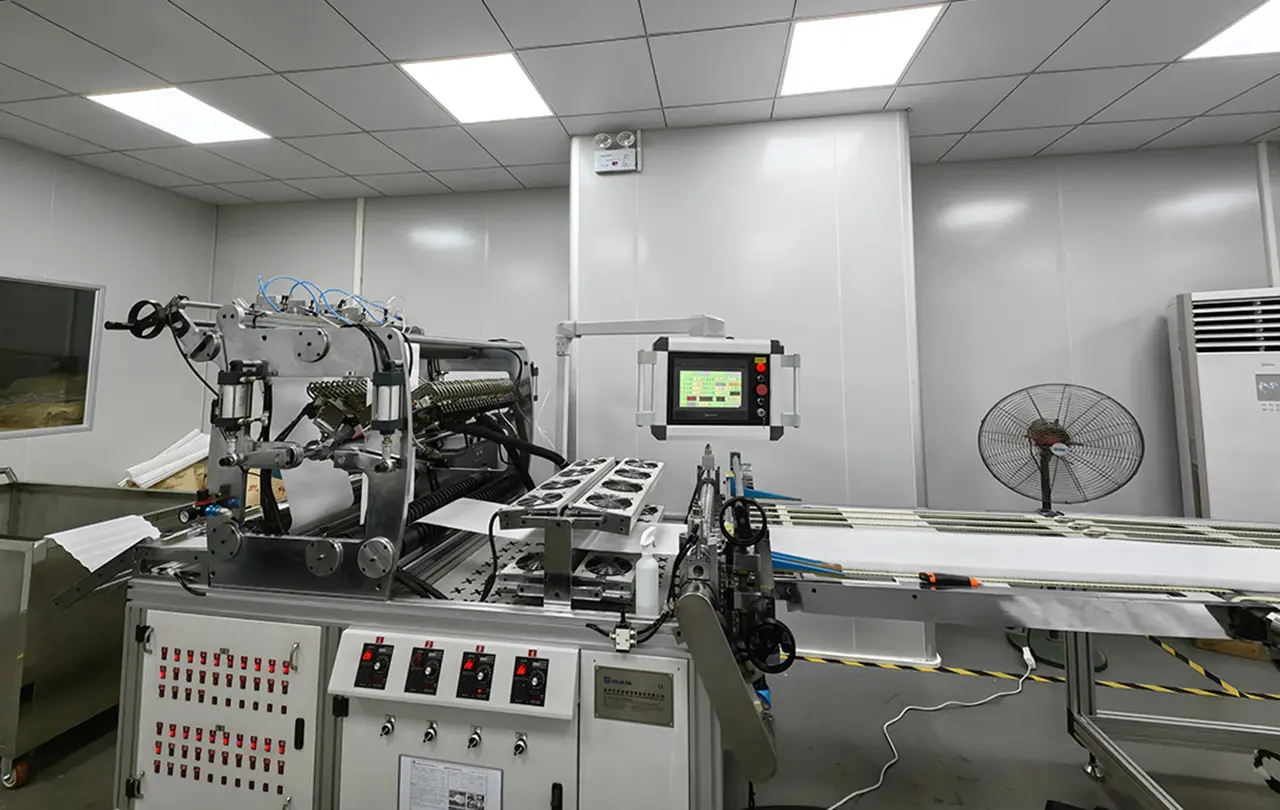
Integrated potting processes that anchor pleated filters securely into plastic, metal, or wood housings.
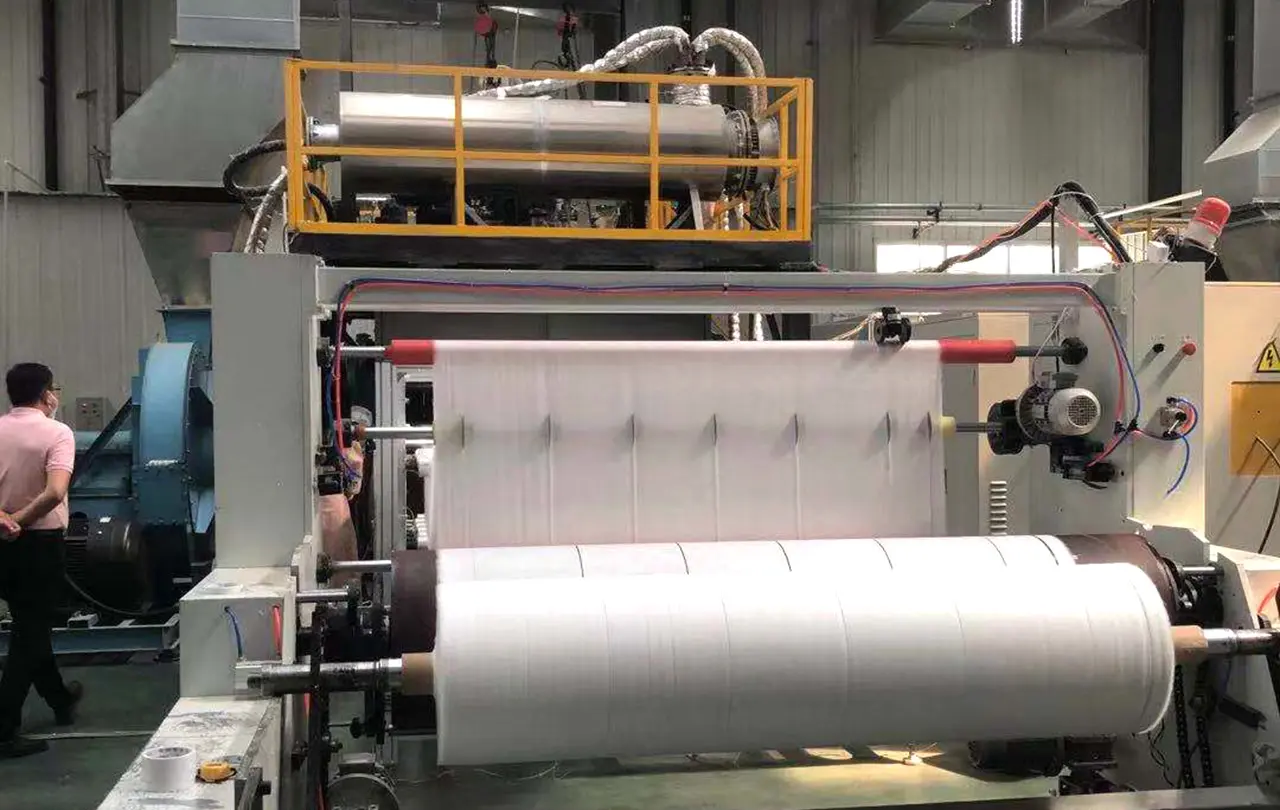
Thermal bonding of HEPA media with activated carbon layers ensuring high structural stability.
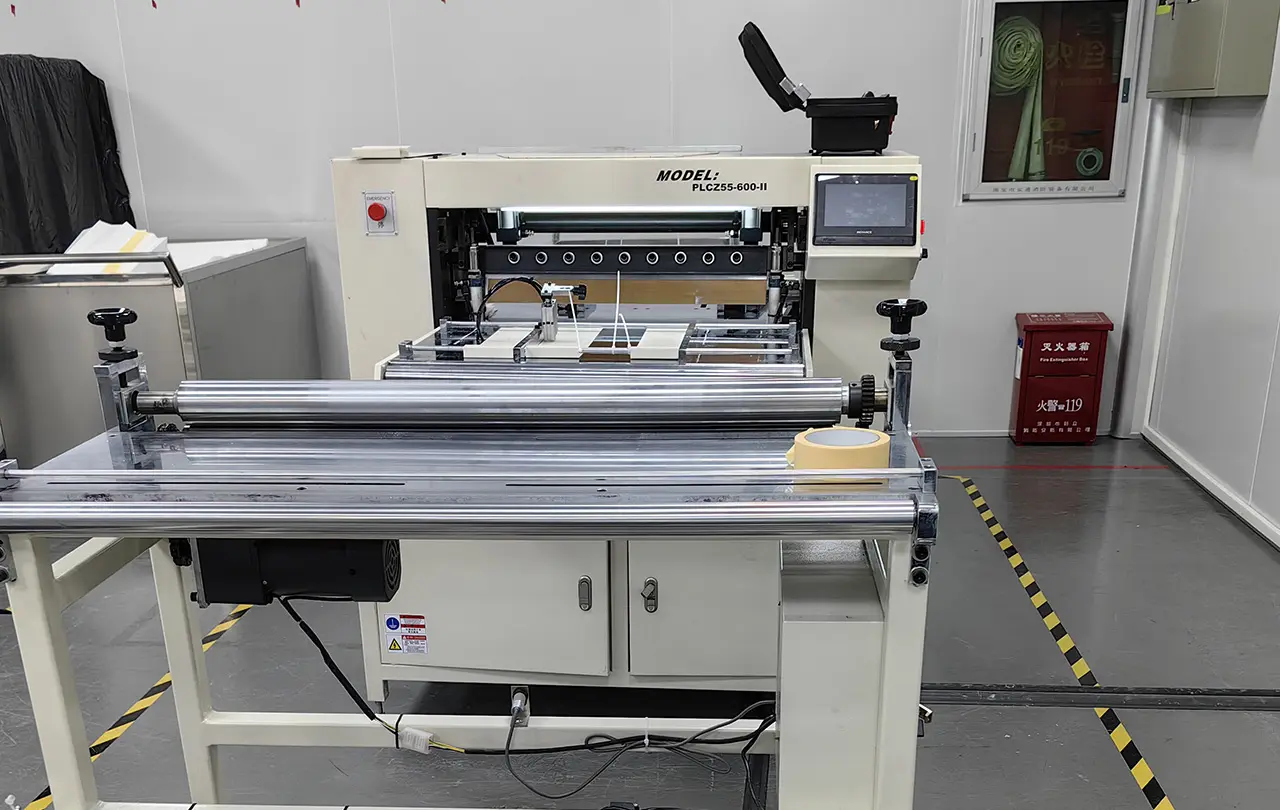
Rotary pleating machines control pleat spacing to prevent collapse under heavy CFM loads.
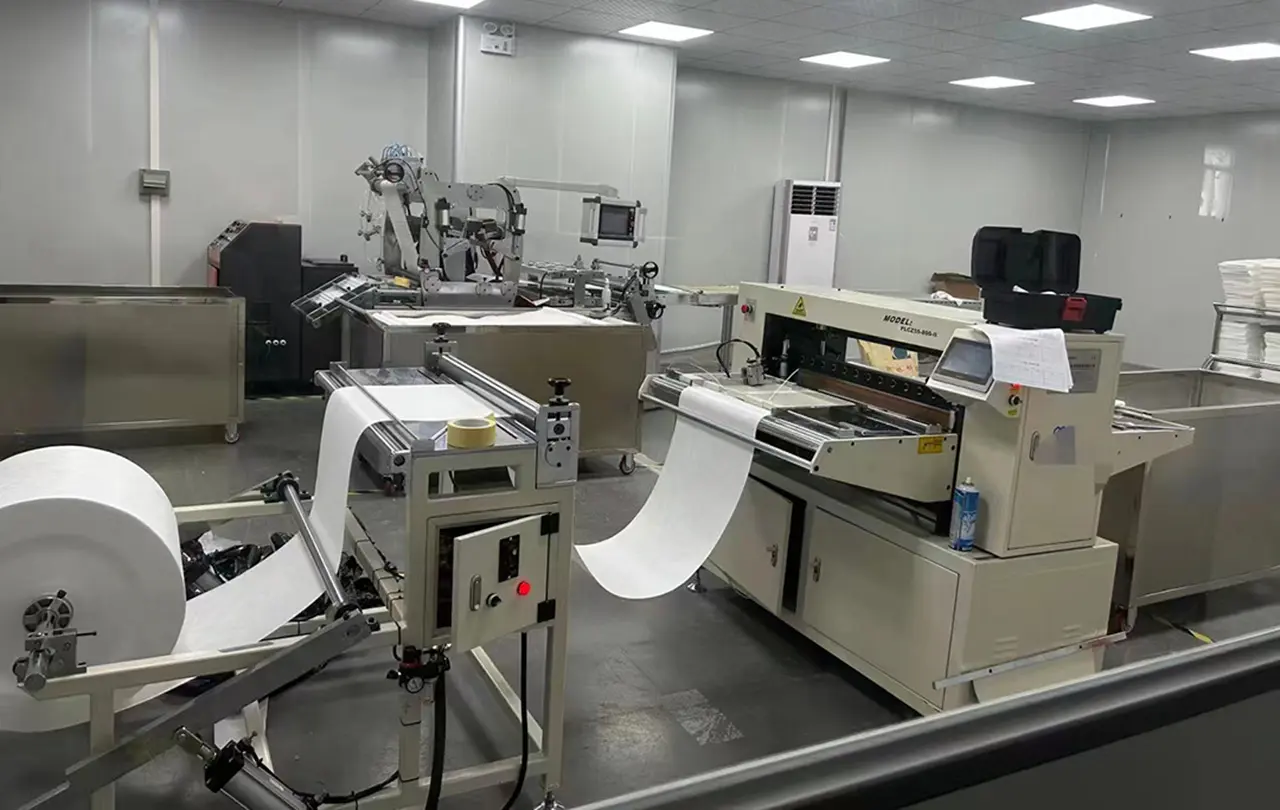
Advanced hot-melt bead application during the pleating cycle to optimize air-path distribution.
Having 15 years of international air purification technology experience as the background, our company has standardized production workshop, dust-free filter workshop and first-class technology of HEPA filters production line and inspection line, independent research and development of fully automatic air filter production line, equipped with AMADA CNC punch and CNC bending machine as well as many other advanced high-end equipment, provide a strong guarantee for production and quality of air filtration and purification products.
China's manufacturing ecosystems allow exporters like Shenzhen Snow Peak to deliver high-quality components at competitive wholesale rates. Our core capabilities rely on:
Entering international markets requires strict adherence to regional testing standards and regulatory compliance. Shenzhen Snow Peak guarantees all HEPA and activated carbon compound filters undergo performance testing matching Western verification systems.
Our cleanroom filters undergo MPPS (Most Penetrating Particle Size) testing according to EN 1822 standards, classifying products into E10-E12 (EPA), H13-H14 (HEPA), and U15-U17 (ULPA). Full CE certification ensures legal import across all EU member states.
For HVAC and commercial buildings, we supply MERV 13 to MERV 16 options, along with HEPA filters that meet DOE-STD-3020 requirements. Flammability testing is verified to meet UL 900 standards.
Adherence to RoHS (Restriction of Hazardous Substances) and REACH protocols ensures that zero toxic chemical off-gassing occurs from the hot-melt adhesives, frames, or composite carbon elements.
The global filtration industry is shifting from single-layer purification components to advanced smart composite assemblies. As buildings strive for net-zero carbon footprints, minimizing filter pressure drops is a critical challenge. The main innovations driving our export lines include:
Additionally, functionalizing the carbon phase has shown major performance jumps. We are seeing a high demand for catalyst-doped carbons (such as potassium permanganate or metal-oxide catalysts) that actively decompose toxic formaldehyde, hydrogen sulfide, and VOCs into harmless water and carbon dioxide, instead of merely trapping them. This prevents media saturation and dramatically extends the component replacement intervals.
Different industrial and commercial sectors require tailored combinations of HEPA and activated carbon filtration. Here is how our configurations are applied globally:
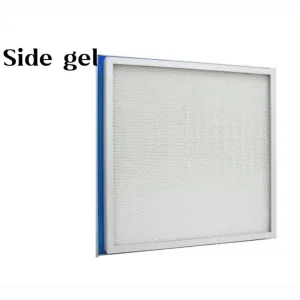
Air filtration systems in wafer fabrication must eliminate trace acid vapors, alkaline gases, and ultra-fine dust. Using cleanroom-grade Gel Seal HEPA filters combined with chemical-adsorption molecular filters prevents defects in photolithography stages.
Preventing cross-contamination requires heavy-duty H14 deep-pleated fiberglass filters with integrated carbon elements to safely absorb sterilizing solvent odors (such as vaporized hydrogen peroxide or ethanol emissions).
Integrated MERV 13 to HEPA filters with thin activated carbon sandwich layers remove vehicle exhaust emissions (nitrogen dioxide, sulfur dioxide) and typical building odors, maintaining high Indoor Air Quality (IAQ) ratings.
Resolving key technical queries for procurement managers, HVAC engineers, and quality assurance agents.
Browse our range of specialized industrial, cleanroom, and residential replacement filtration solutions.
 Snow Peak