Industrial-grade particulate air filters engineered to exceed stringent ISO, EN, and ASHRAE validation standards globally.
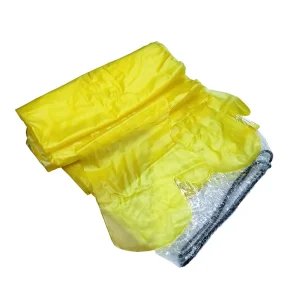
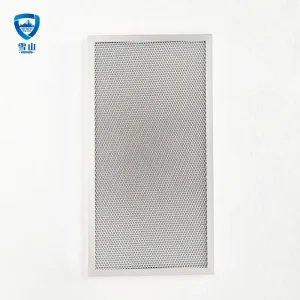
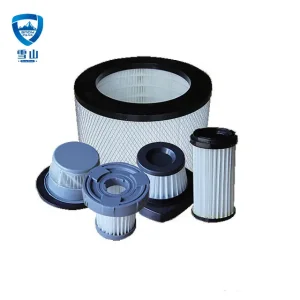
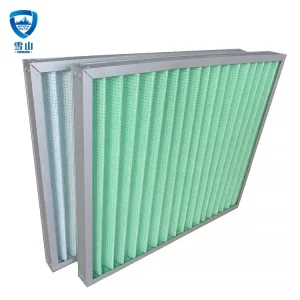
Shenzhen Snow Peak Clean Technology Co., Ltd. is a globally integrated high-tech enterprise at the forefront of cleanroom research, development, and clean technology manufacturing. Backed by 15 years of international air purification engineering experience, we design, develop, and manufacture comprehensive particulate management solutions.
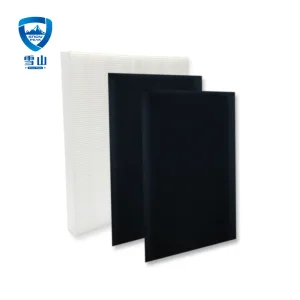
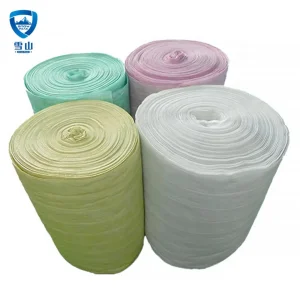
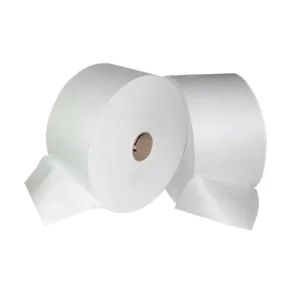
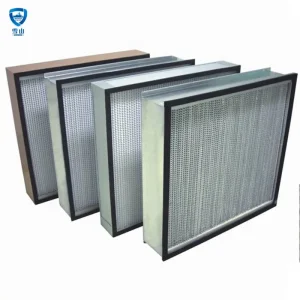
Our core capabilities range from primary-stage pre-filters, pocket ventilation filters, and chemical molecular filters to ultra-high efficiency HEPA/ULPA cleanroom modules, customized car cabin filters, and specialized humidifier media. Utilizing our proprietary technology, our sterilizing antiviral HEPA filters maintain a proven 99.9% biological sterilization rate and a verified H1N1 virus filtration rating of 99.99% without secondary pollutant outgassing. We help institutions achieve PM2.5 concentrations below 10 micrograms per cubic meter—five times cleaner than prevailing international baseline requirements.
"Our mission is to engineer high-grade containment barriers and low-resistance air media that protect human capital, optimize industrial HVAC systems, and validate advanced microelectronics and biopharmaceutical processing lines."
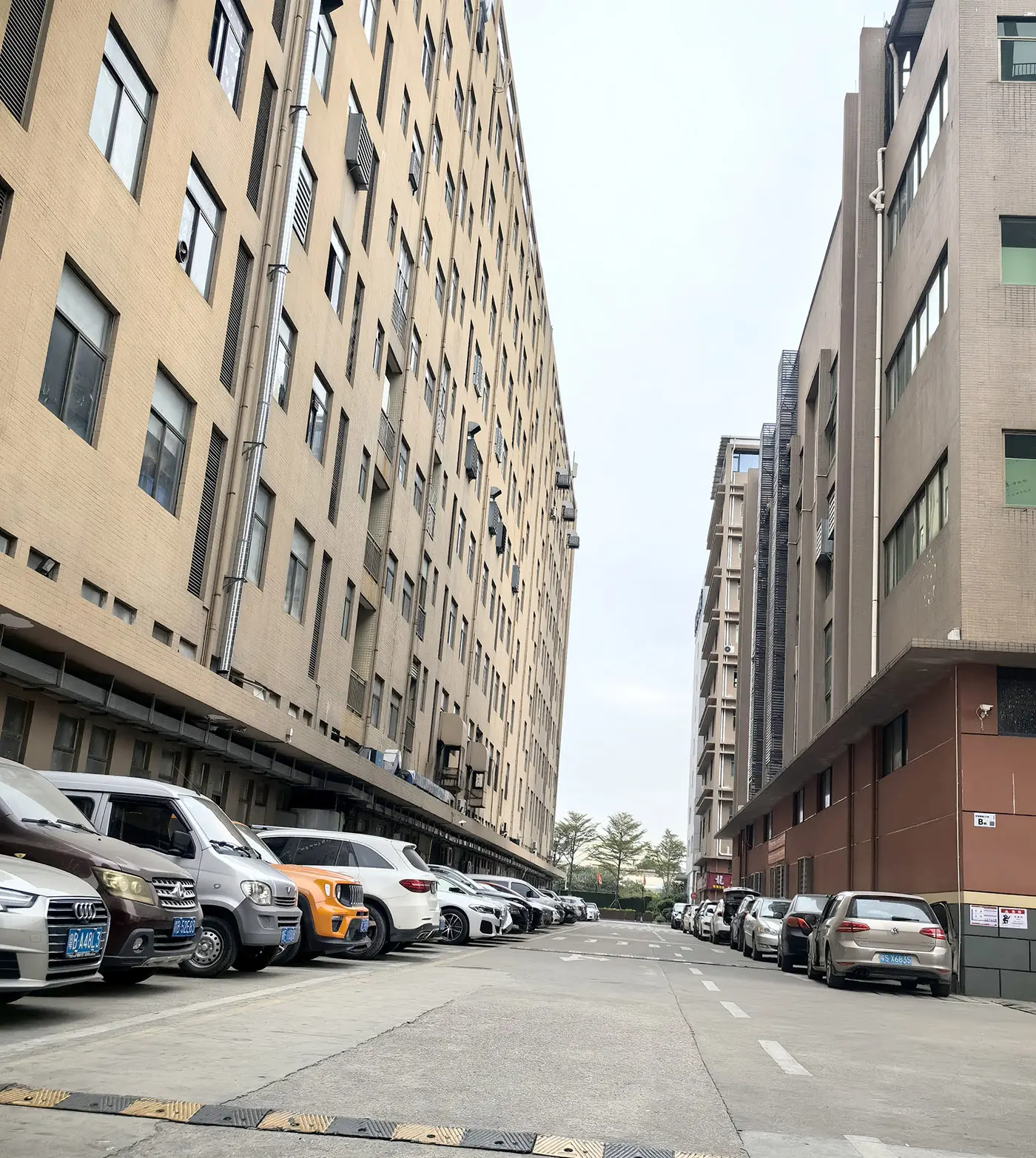
Ensuring structural integrity, media consistency, and airtight frames through automated manufacturing and rigorous quality control testing.
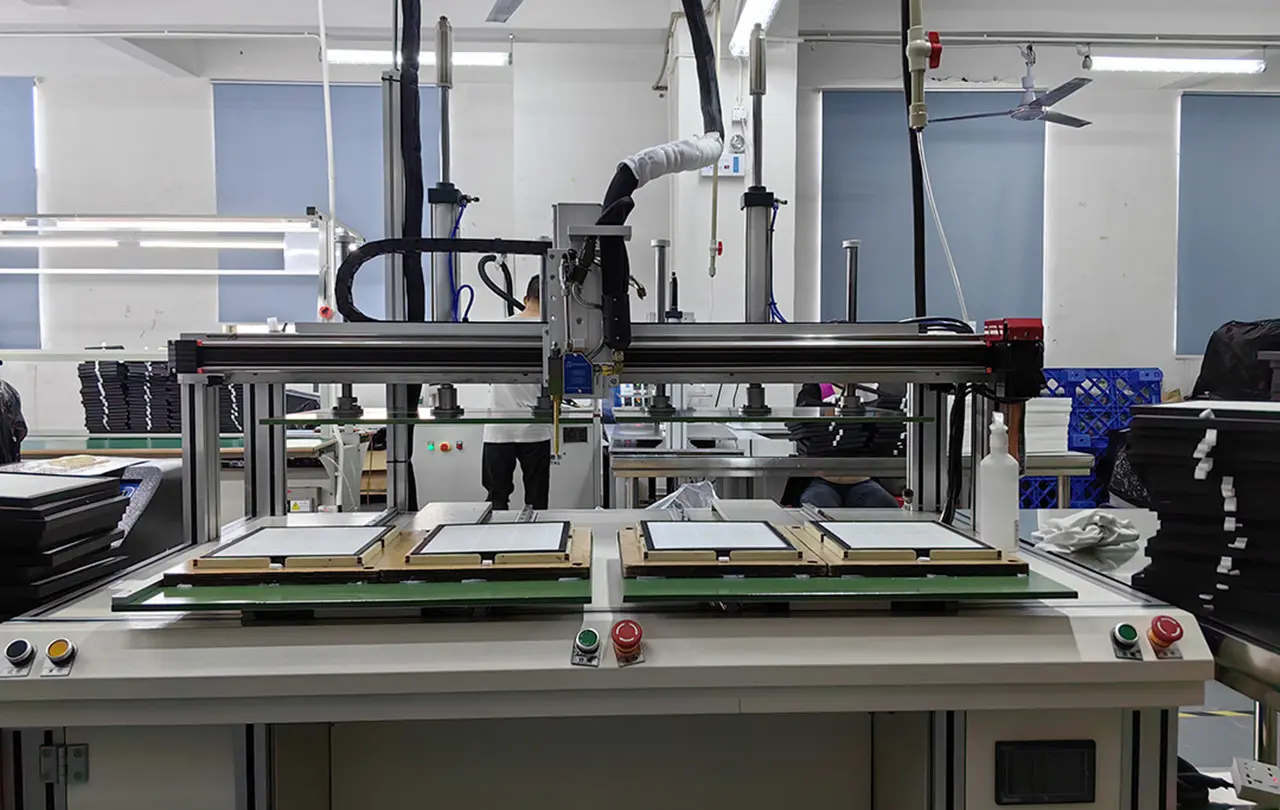
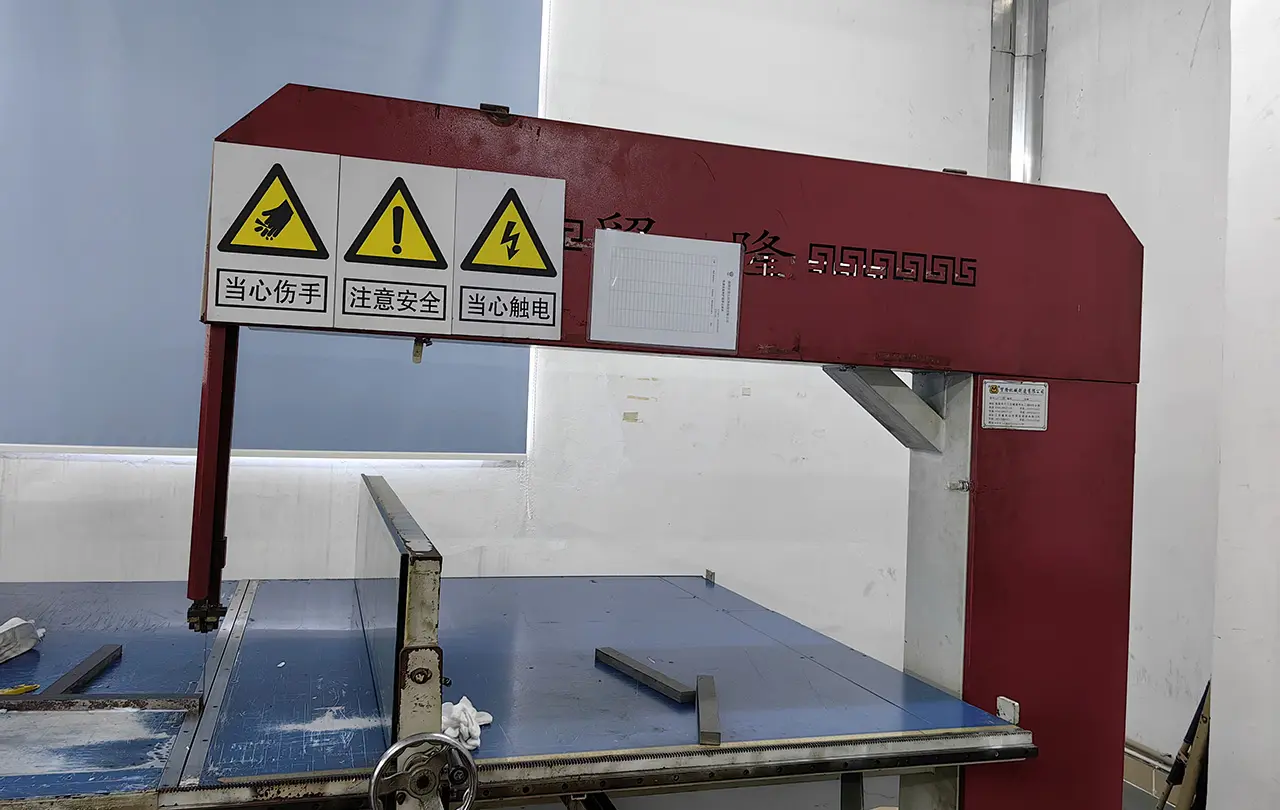
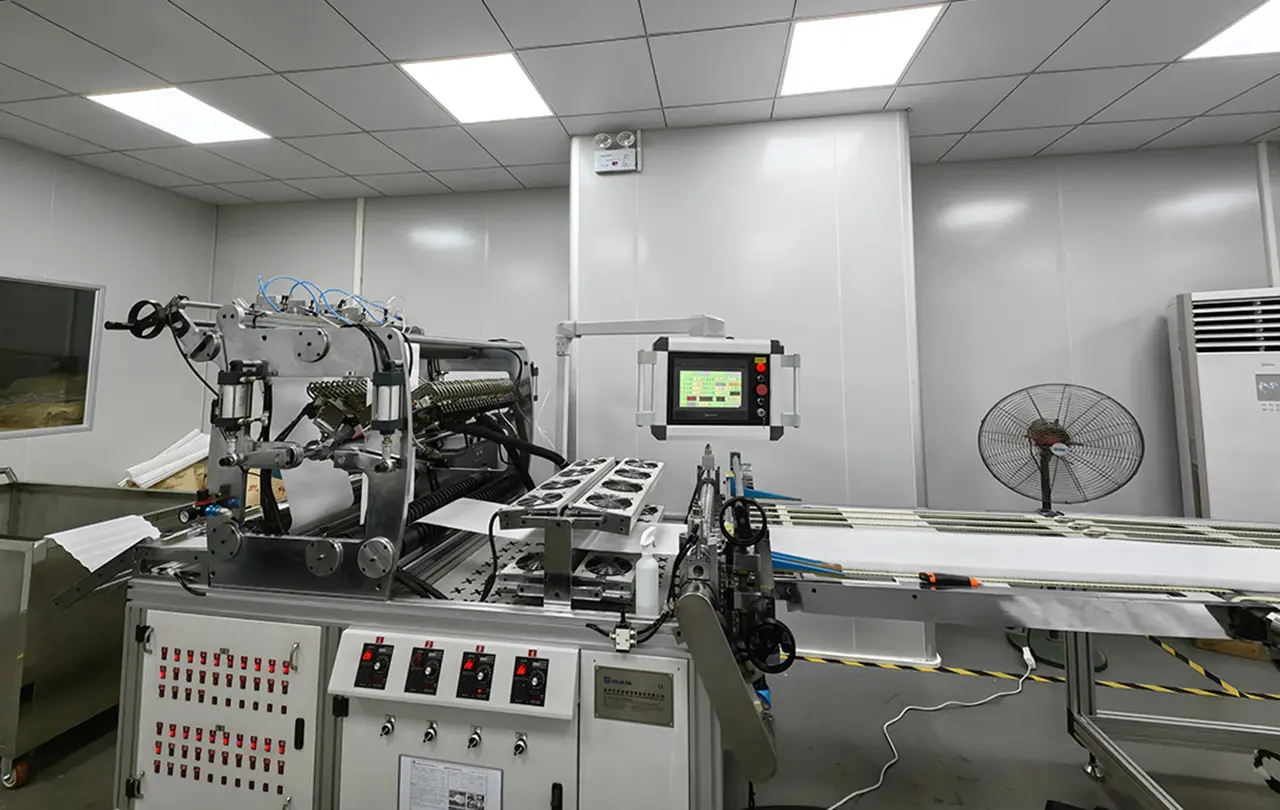
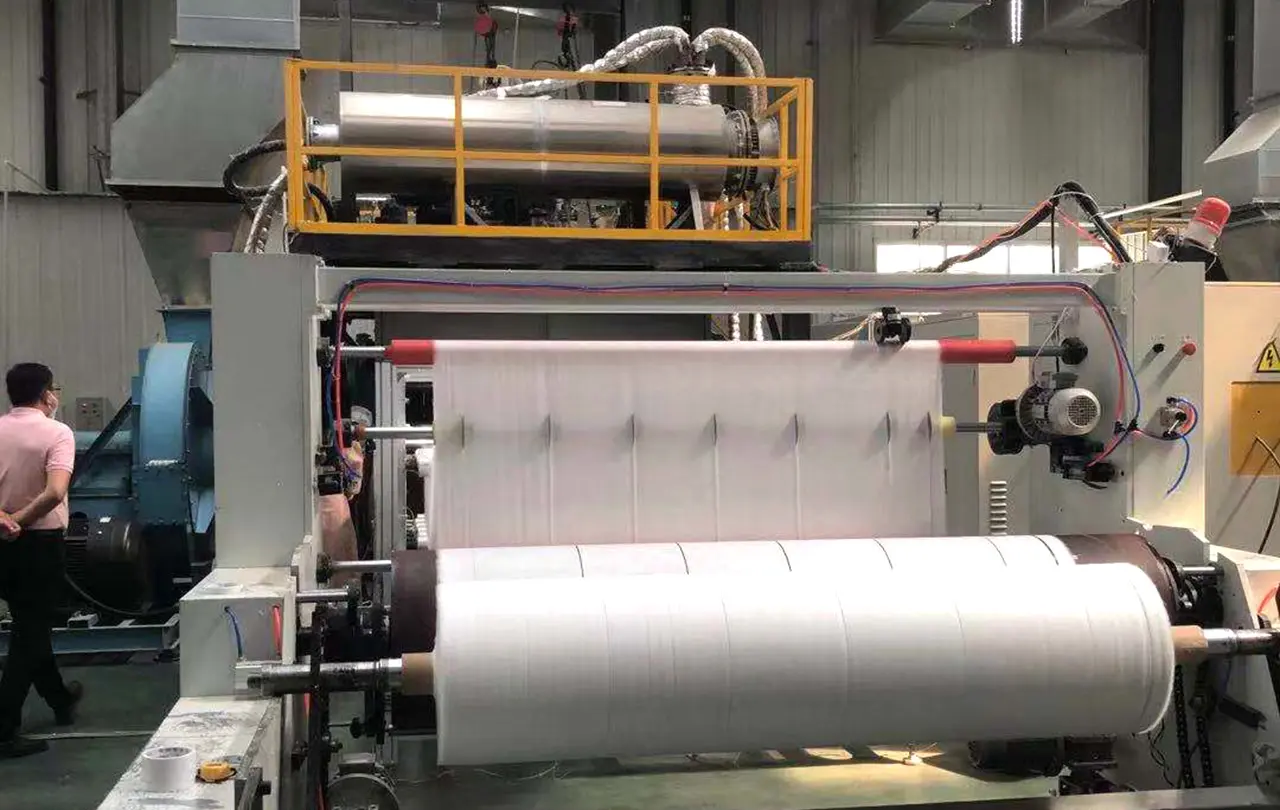
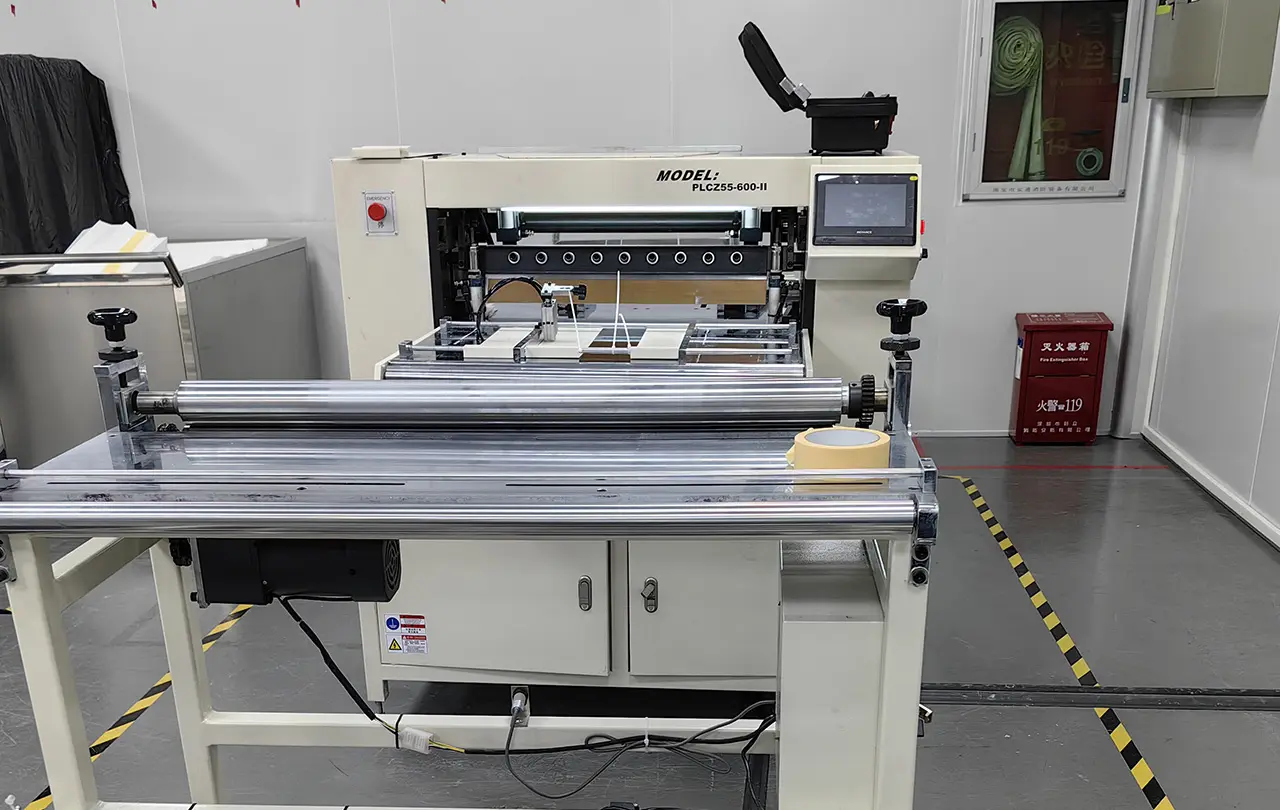
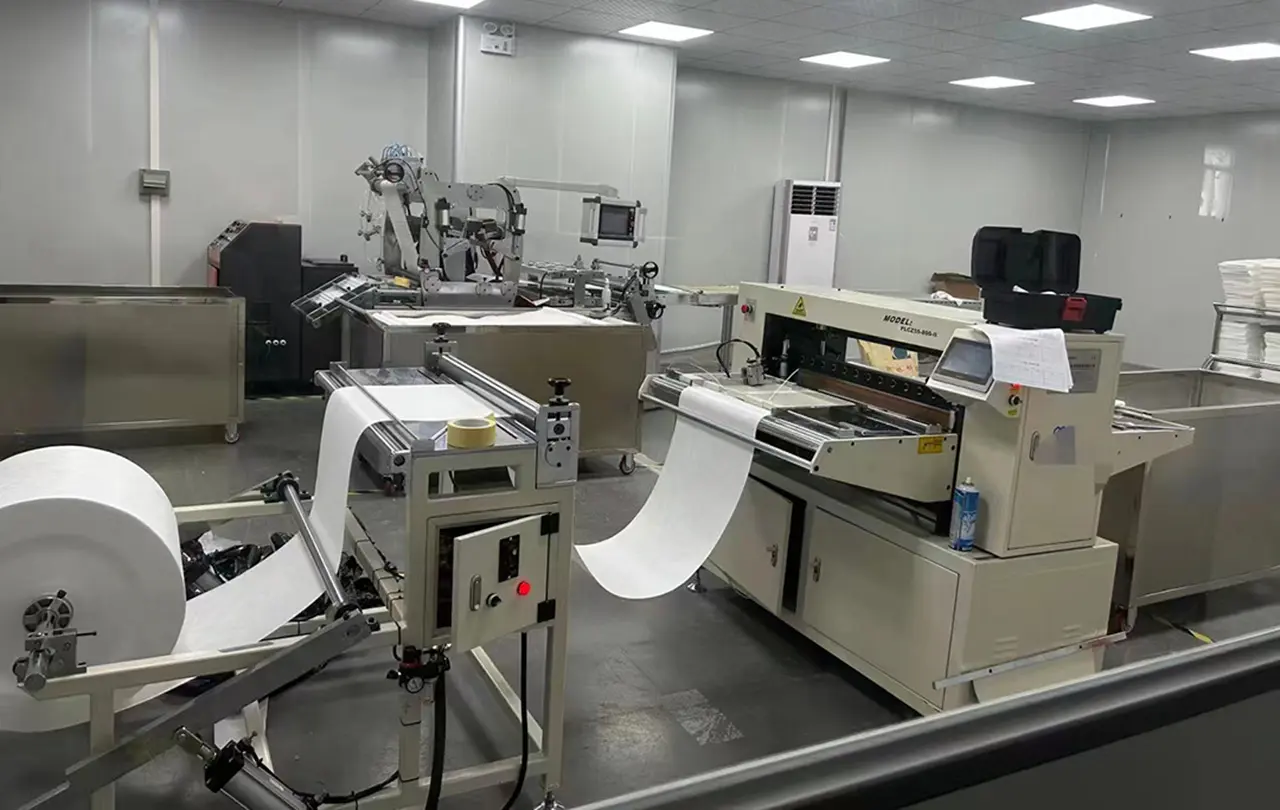
Our infrastructure features specialized, dust-free manufacturing rooms, high-speed pleating lines, and independent testing chambers. Armed with AMADA CNC punch and bending tooling alongside custom-developed automated filter assembly equipment, we guarantee zero-bypass filtration designs suitable for high-risk applications, cleanroom facilities, and large-scale industrial ventilation networks.
Analysis of market forces, cleanroom regulations, and macro environmental requirements.
Globally, clean air requirements have transitioned from a localized, workplace-safety concern to a critical requirement for precision engineering. Modern microchip production, biopharma laboratories, and nanotechnology facilities cannot operate without absolute control of airborne particulates. The transition of semiconductor lithography into sub-7nm processes has increased the demand for ULPA (Ultra-Low Penetration Air) filters, pushing traditional HEPA technologies to evolve lower resistance and higher structural durability.
Additionally, regulatory frameworks like ISO 14644 (for cleanrooms) and standard protocols under WHO and European guidelines require facility operators to implement multi-stage air filtration processes to achieve particulate counts that match designated clean class ratings.
HVAC systems represent up to 40% of the energy consumed in commercial buildings and cleanroom facilities. The resistance (pressure drop) created by particulate air filters directly increases the mechanical load on fan motors. For wholesale suppliers and engineering consultants, this dynamic represents a major opportunity: by designing and supplying high-performance, low-resistance air filter media, operators can achieve double-digit energy cost savings. Modern developments in melt-blown synthetic fabrics and specialized deep-pleated fiberglass configurations are designed to optimize the balance between filtration efficiency and operational pressure drops.
High-efficiency filtration designs optimized for specialized commercial and cleanroom installations.
Achieving ISO Class 1 to 4 cleanroom requirements requires high-efficiency minipleated HEPA and ULPA gel-sealed filters. Our gel-seal mechanisms eliminate bypass leakage, maintaining strict contamination barriers against sub-micron dust particles that can ruin silicon wafers.
We provide advanced biological containment systems using Bag-in-Bag-Out (BIBO) housings alongside H13 and H14 absolute HEPA filters. These designs capture and isolate pathogens, virus vectors, and harmful dust, ensuring secure filter replacement protocols.
Optimized for schools, retail centers, and high-rise office towers, our multi-stage pre-filters (G3/G4 panel and cardboard filters) work in tandem with pocket bags (M5 to F9) and carbon-integrated panels to extract gaseous VOCs, diesel fumes, PM2.5, and standard allergens.
How filtration materials and engineering architectures are evolving to meet the demands of tomorrow.
Transitioning from traditional micro-glass and meltblown fibers to electrospun polymer nanofibers. This transition reduces physical filter weight, decreases pressure drops by up to 25%, and maintains high dust loading capacities.
Integrating chemical and physical antimicrobial coatings on air filter surfaces. Building on Snow Peak's patented antiviral technology, filters will destroy captured viral particles contact-free, eliminating contamination risks during filter disposal.
Incorporating embedded sensors to track air resistance, air flow velocity, and particulate loading. Smart building management systems will receive real-time alerts, allowing for automated maintenance schedules based on actual filter wear rather than calendar milestones.
Comparing global classification frameworks to help design-build engineers select the correct filter systems.
In the United States and Canada, HVAC filter performance is categorized by the Minimum Efficiency Reporting Value (MERV) scale (MERV 1 to 16). Commercial offices are transitioning toward MERV 13 as a minimum baseline to qualify for LEED points and clean indoor air mandates. Industrial installations rely on True HEPA (exceeding MERV 17) to satisfy OSHA dust mitigation and emissions standards in manufacturing environments.
European design-build engineers use ISO 16890 to classify coarse, ePM10, ePM2.5, and ePM1 fractions. HEPA and ULPA configurations are tested under EN 1822, which measures fractional collection efficiency at the Most Penetrating Particle Size (MPPS). Our H13 and H14 replacement filters are validated to these standards, assuring cleanroom planners of compliance during commissioning audits.
In-depth responses to frequent design, selection, and purchasing questions from mechanical engineers and procurement officers.
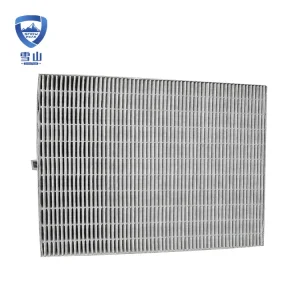
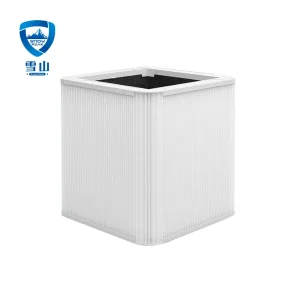
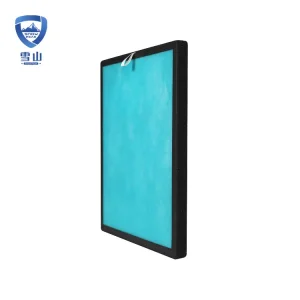
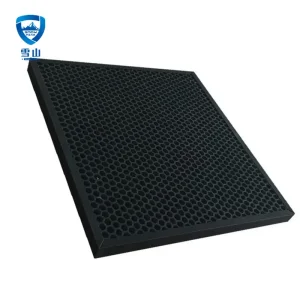
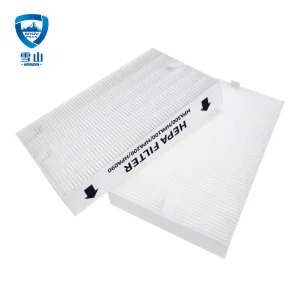
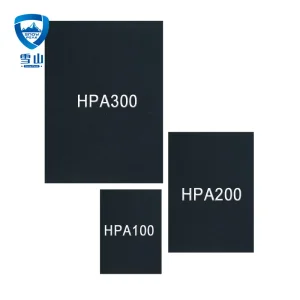
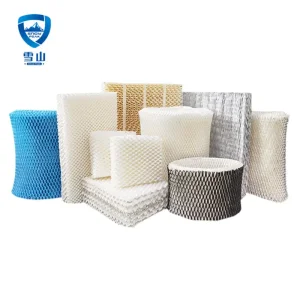
Commercial-grade replacement HEPA filters, activated carbon cartridges, and humidifier wicks.
 Snow Peak