Engineered to deliver high dust holding capacity, minimal pressure drops, and exceptional structural reliability across complex air handler networks.
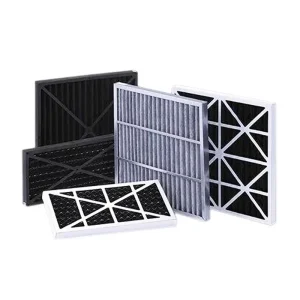
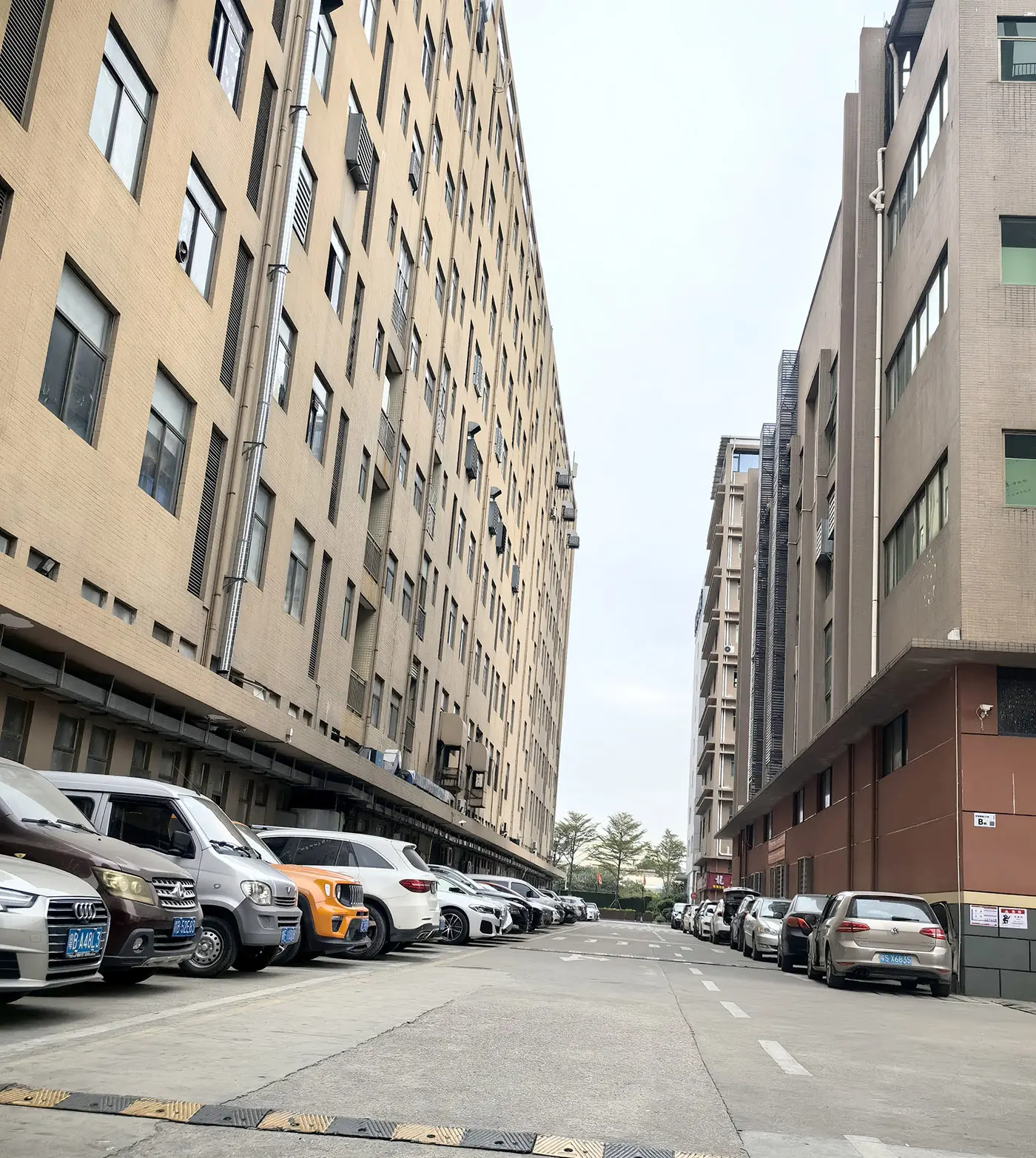
Shenzhen Snow Peak Clean Technology Co., Ltd. is an integrated high-tech enterprise, specialized in air filtration products research and development, production, sales, import and export trade. Over 15 years, we have scaled our production to meet high-volume global demands while maintaining stringent aerospace and biomedical filtration tolerances.
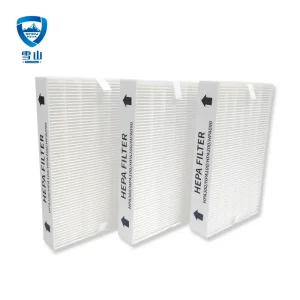
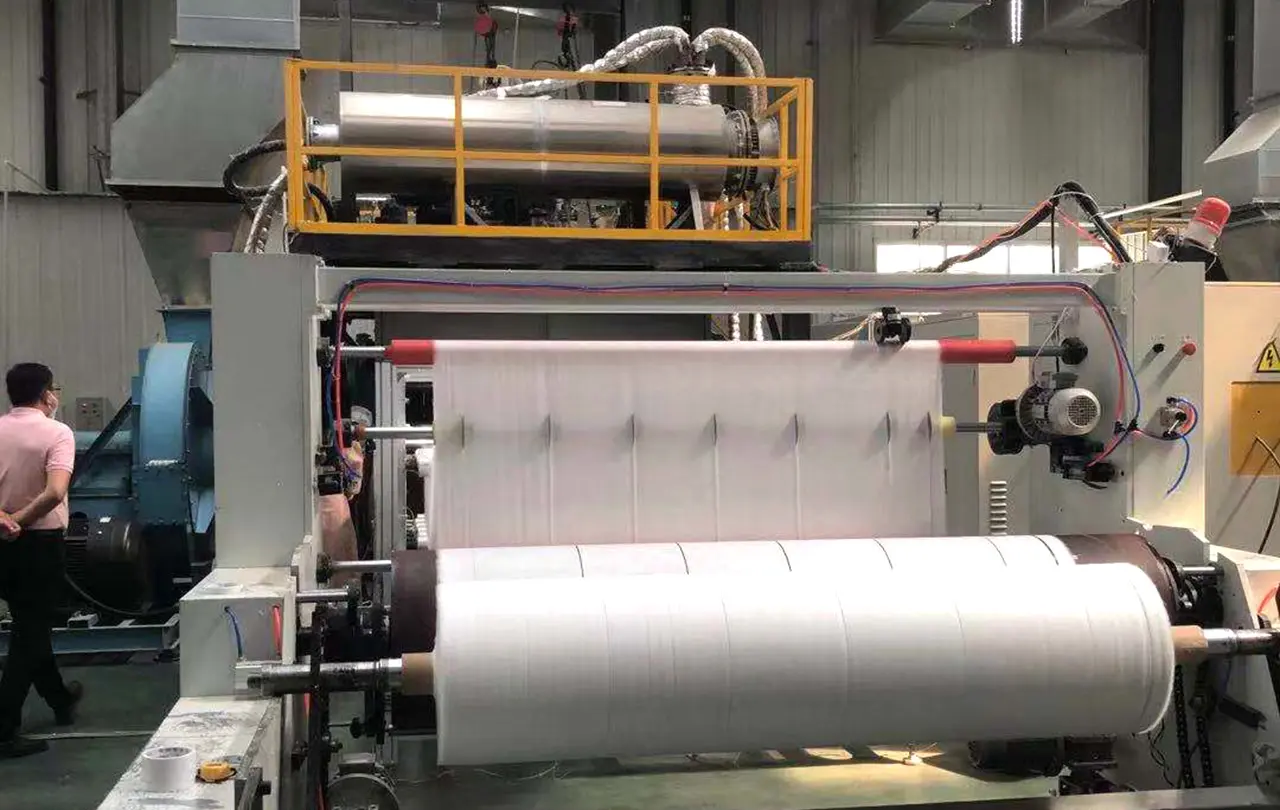
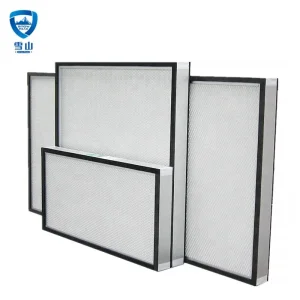
From standardized G3/G4 pre-filters to custom-configured H13/H14 mini-pleat HEPA filters, we control the entire vertical supply chain—from melt-blown fiber synthesis to advanced frame fabrication using AMADA CNC technology.
The paradigm shift in HVAC engineering: Balancing energy reduction with indoor air quality (IAQ) and biosafety regulations.
Modern HVAC intake lines demand filter media that minimizes static pressure. Our high-efficiency, low-resistance melt-blown technologies reduce power draw on heavy blower fans, direct-drive plenums, and variable frequency drives (VFDs) without dropping particle capture rates.
Every commercial air filtration environment operates under rigid regulatory baselines. We manufacture products matching ISO 16890, EN 779, ASHRAE 52.2 standards, and CE directives, ensuring seamless compliance audits for multi-national corporate facilities.
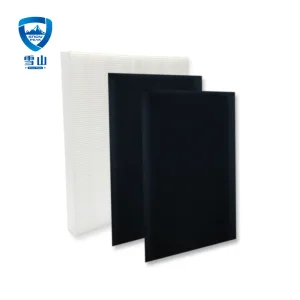
Integrating chemical and physical barriers, our patented sterilizing antiviral HEPA filter reduces H1N1 virus levels by 99.99%. It stops microbiological growth at the air intake surface, ensuring zero secondary downstream aerosolization.
In global industrial infrastructure—from large-scale automotive paint shops to semiconductor packaging cleanrooms—the HVAC air intake represents the first line of defense. Selecting standard off-the-shelf options typically results in shorter filter lifespans, sudden pressure spikes, and elevated HVAC energy draw. Our engineering department designs filters that optimize the balance between Dust Holding Capacity (DHC) and initial resistance.
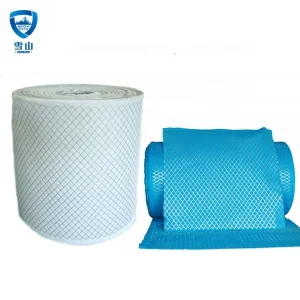
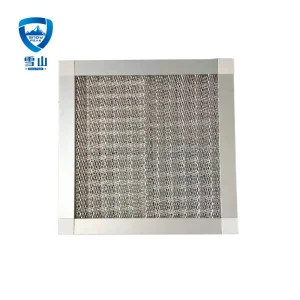
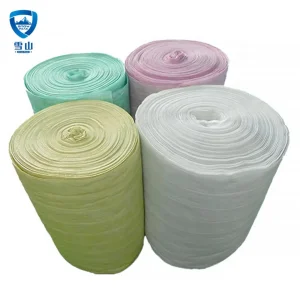
By leveraging custom-formulated polyester and fiberglass synthetic media laminated with protective wire meshes, Snow Peak provides pre-filters that extend the working lifetime of expensive secondary HEPA filters by up to 150%. This structural philosophy guarantees that facilities minimize preventative maintenance cycles, lower filter replacement costs, and safeguard complex mechanical assets from dust ingress and fine particulate wear.
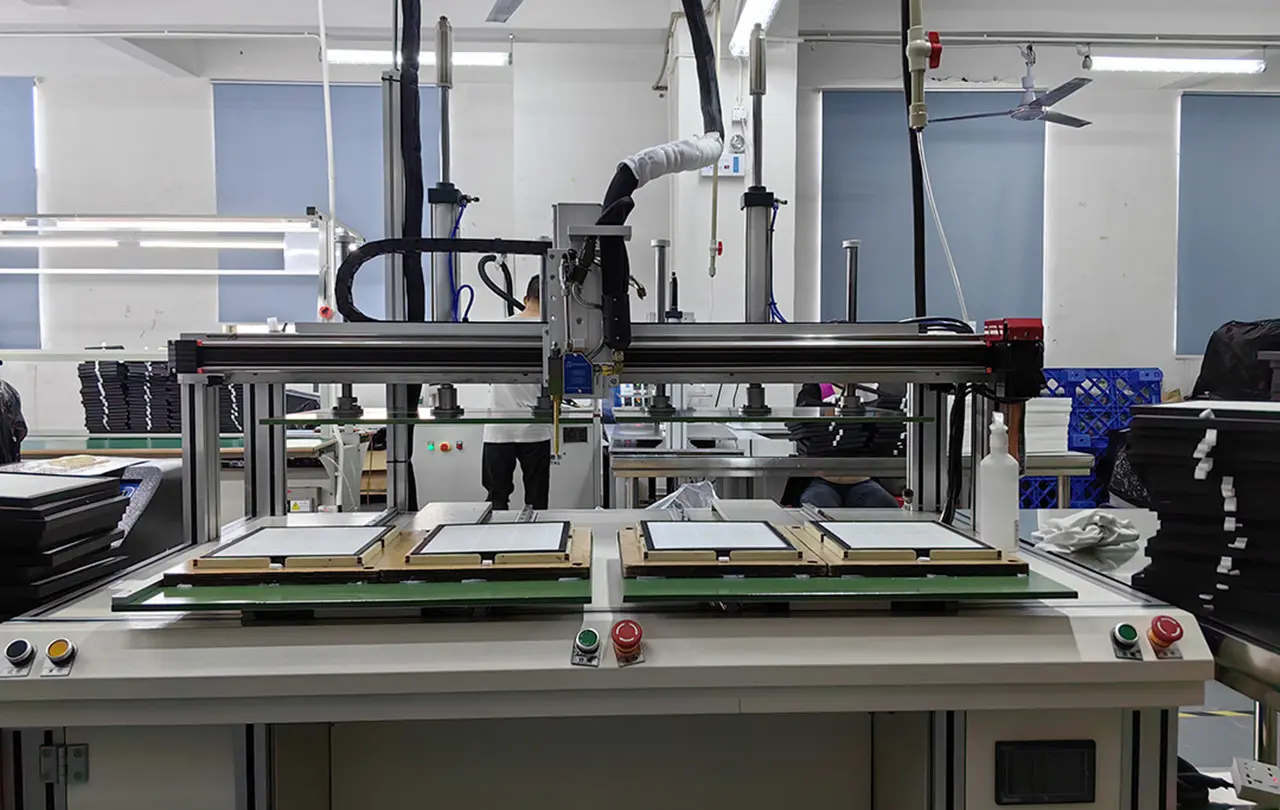
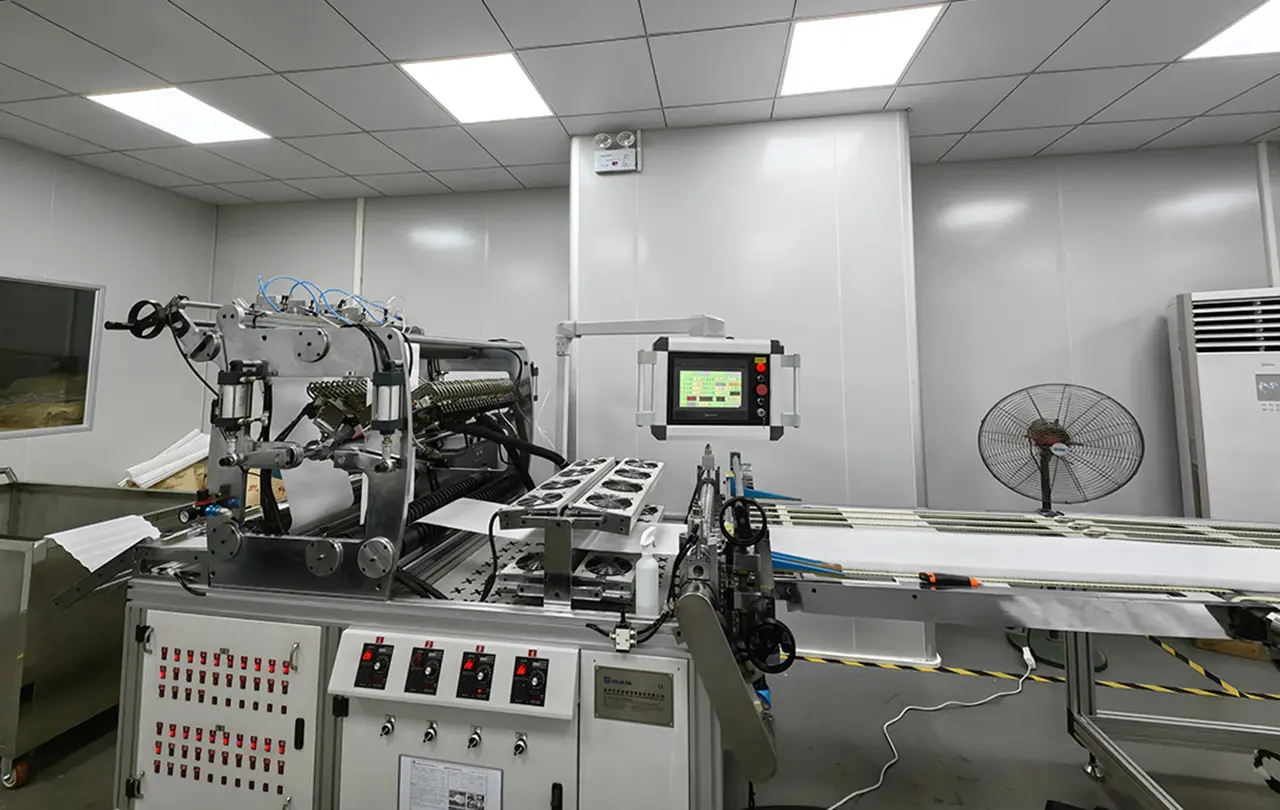
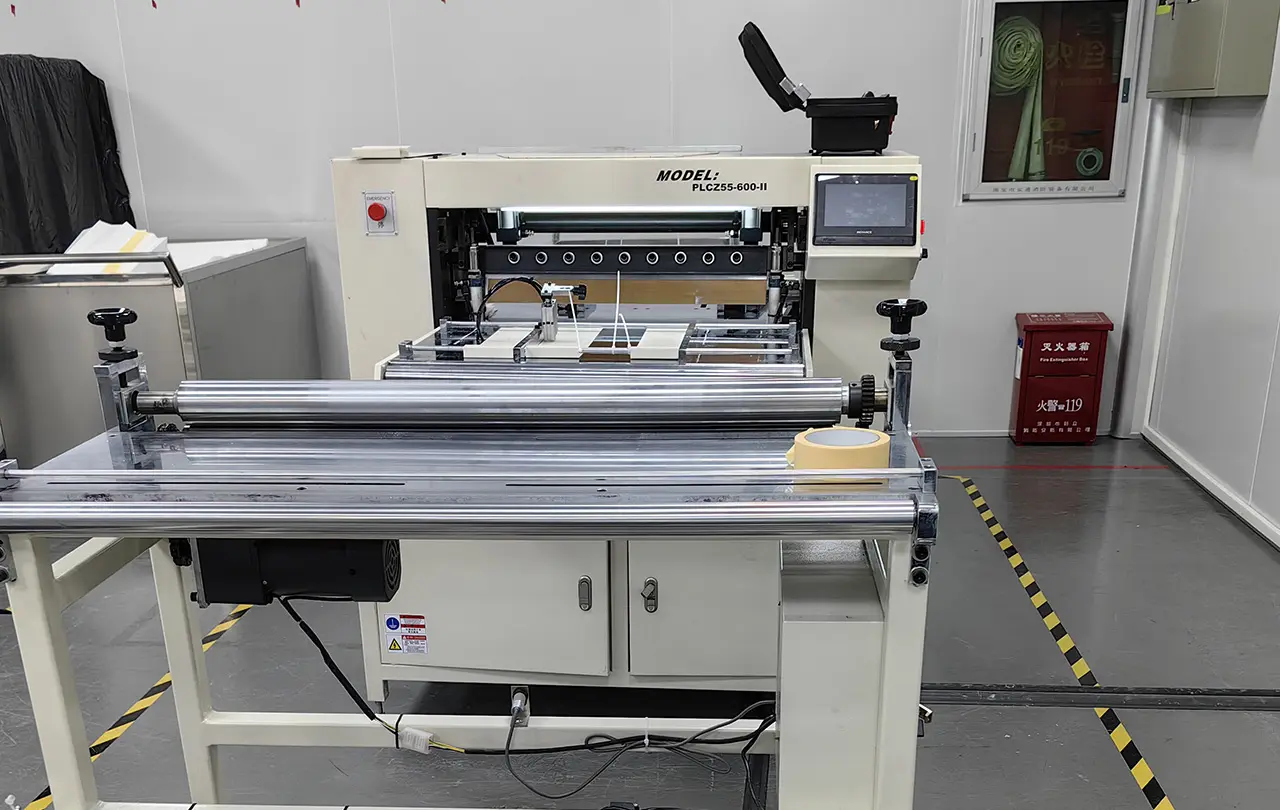
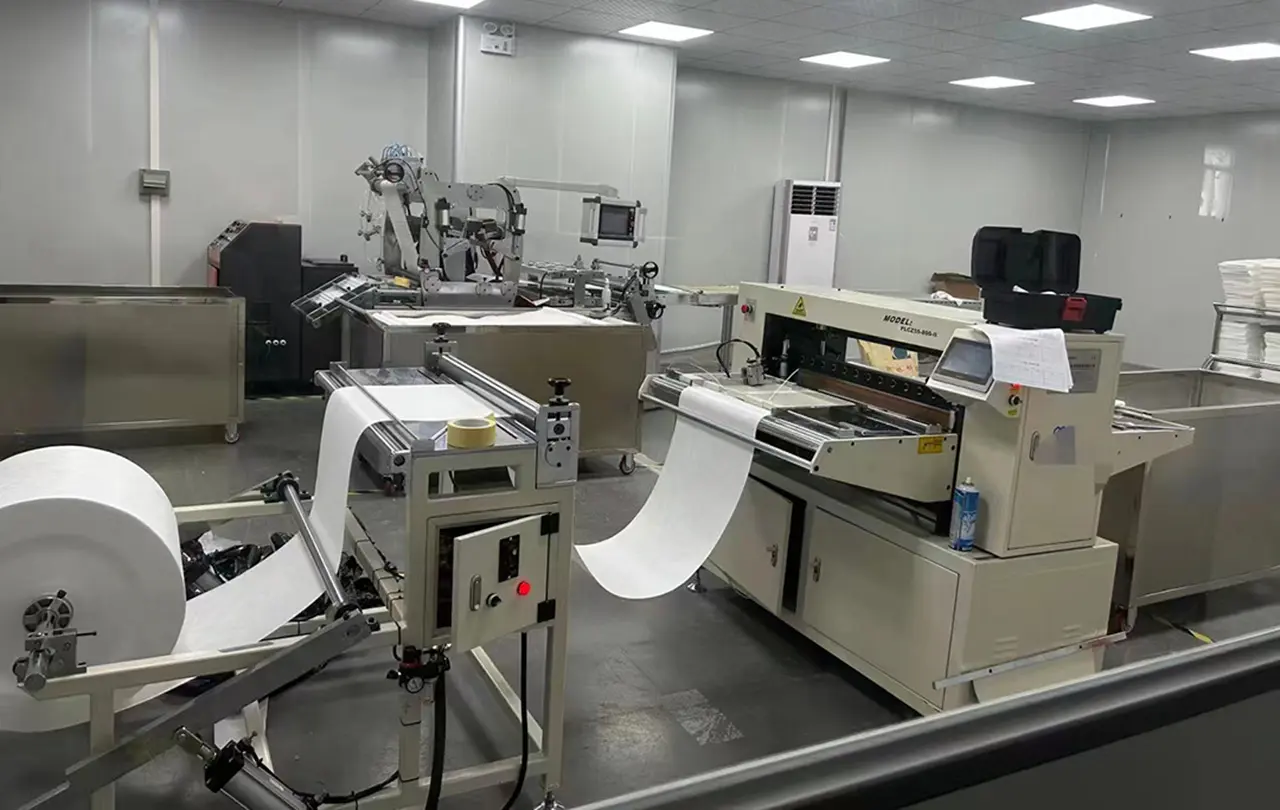
Shenzhen Snow Peak Clean Technology Co., Ltd. operates state-of-the-art production environments, consisting of standardized fabrication centers, dust-free filter assembly suites, and world-class testing layouts designed to verify particle capture efficiency for medium and high-efficiency filters.
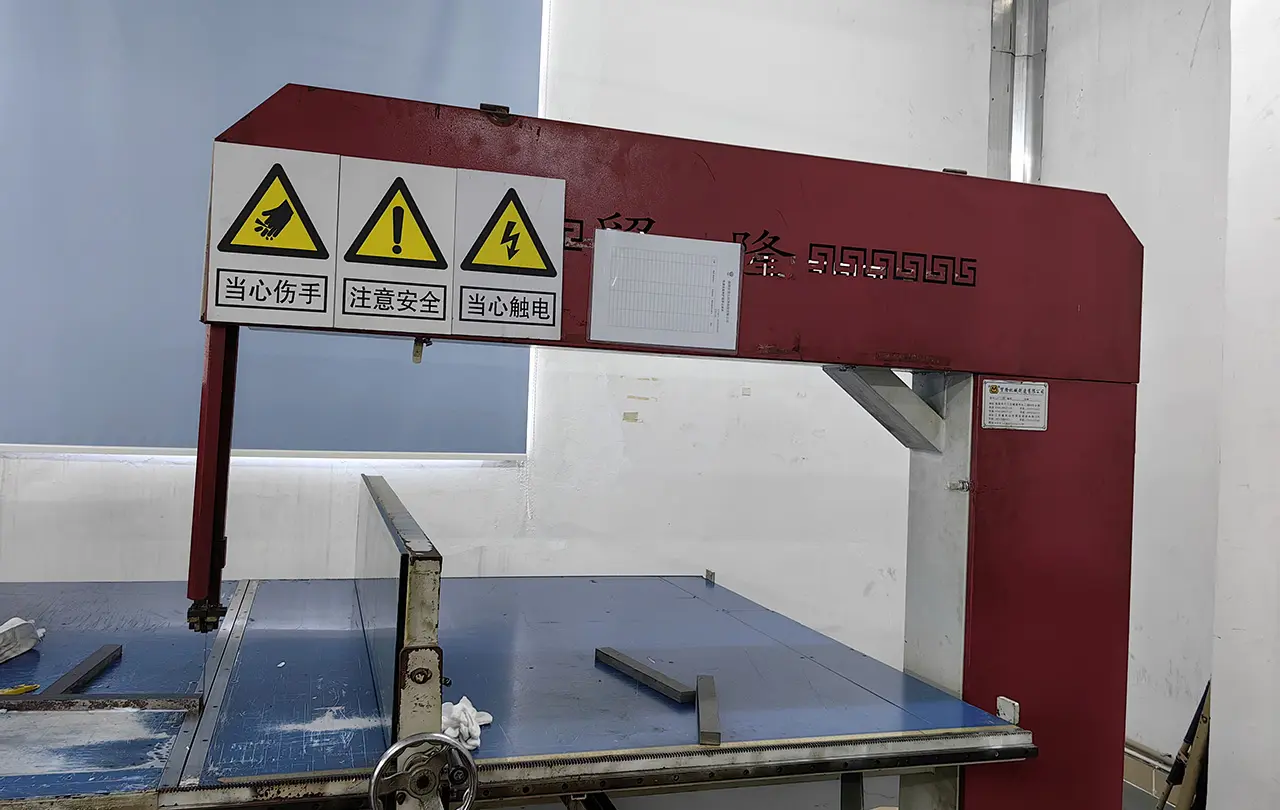
Our manufacturing capabilities are powered by advanced equipment, including AMADA CNC punch lines, precision CNC bending machines, and self-developed automated air filter pleating systems. This physical infrastructure ensures we produce filters with tight structural tolerances, eliminating bypass air paths and maintaining total dimensional consistency.
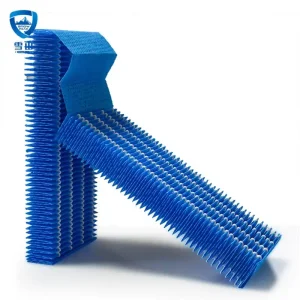
Whether supplying pocket filters, chemical VOC capture cells, or high-performance humidifier pads, we ensure every product undergoes thorough inspection before dispatch, offering global distributors and facility engineers reliable performance in demanding environments.
HVAC systems operate in diverse environmental conditions worldwide. A filtration layout optimized for cool, dry regions will likely face early failure in humid, tropical coastal zones or arid, dust-prone desert locations. Snow Peak designs custom solutions that target these specific regional challenges:
Reliability in air filtration requires verifiable performance data. Our testing cleanrooms check for leaks, initial resistance, and fractional particle efficiency using laser particle counters.
Snow Peak clean air solutions carry CE Certifications, proving they meet European health, safety, and environmental protection guidelines. This focus on compliance guarantees that whether you are an OEM system builder in North America or an industrial contractor in Europe, our filters will meet local technical requirements and pass strict facility audits.
The commercial building and air purification sectors are shifting toward smart, connected systems. Snow Peak’s R&D department is focused on three main technology frontiers:
Technical guidance and design solutions from our senior research engineers.
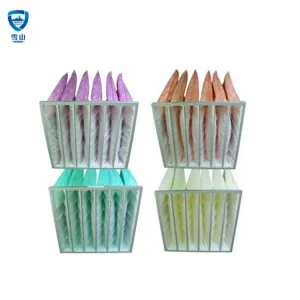
Synthetic media pocket filters are highly resistant to fiber shedding and moisture. Fiberglass media can shed tiny glass fibers when subjected to turbulent airflow or moisture, which is unacceptable in food processing, microelectronics, and healthcare settings. Synthetic pockets also handle physical handling better during installation, preventing tears that lead to unfiltered bypass air.
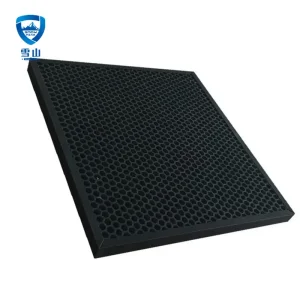
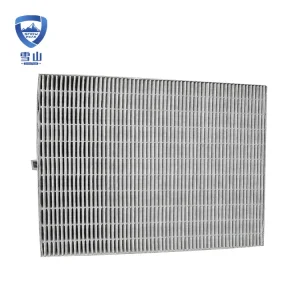
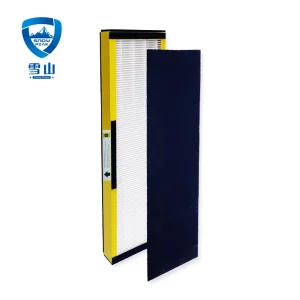
Honeycomb-activated carbon filters feature a structured lattice that maximizes surface area exposure while maintaining a linear, straight-through airflow path. This design allows for higher carbon loadings (often over 600g/m²) and longer contact times, keeping the pressure drop minimal. In contrast, flat impregnated carbon sheets saturate quickly and increase fan power consumption.
Our antiviral HEPA filter uses a non-migrating antiviral agent integrated into the melt-blown fibers. This treatment disrupts viral envelopes and bacterial membranes on contact, achieving a 99.9% disinfection rate. Crucially, the treatment is chemically bonded to the fibers, preventing it from off-gassing, evaporating, or leaching into the clean downstream airflow.
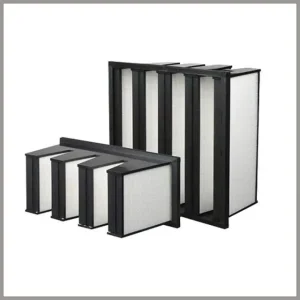
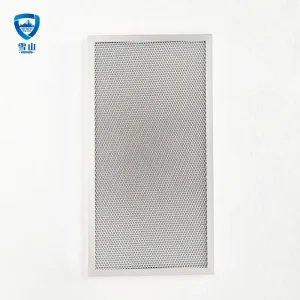
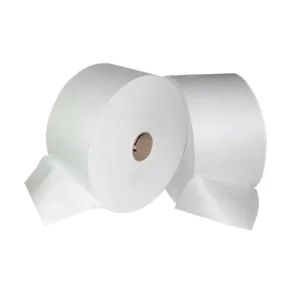
A standard industrial setup starts with a G3 or G4 pre-filter (such as our washable metal mesh or synthetic roll media) to capture large debris and bugs. Next, an M5 to F9 pocket or bag filter removes medium particles (1–10 µg). Finally, a mini-pleat HEPA or V-bank filter cleans the air of fine dust and microbial contaminants. This progressive layout prevents the final-stage HEPA filters from overloading prematurely.
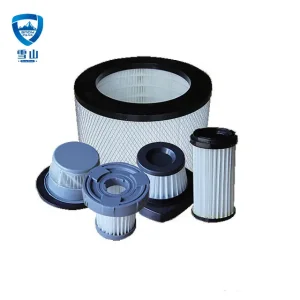
Specialized options, including high-capacity pocket media, humidifier pads, replacement elements, and high-efficiency V-bank filters.
 Snow Peak