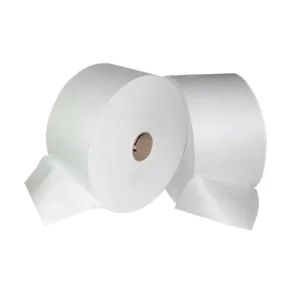
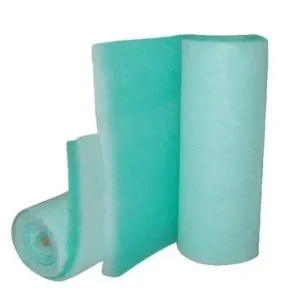
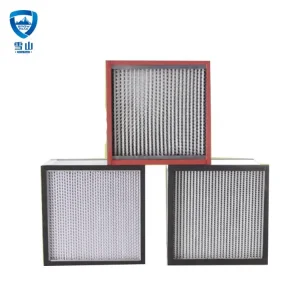
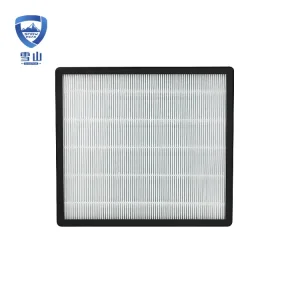
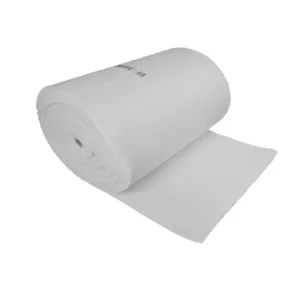
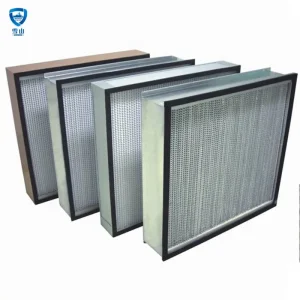
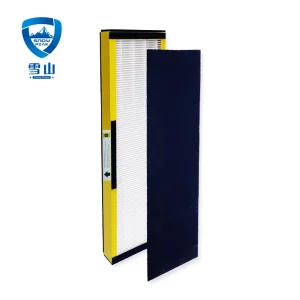
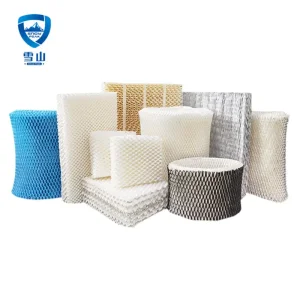
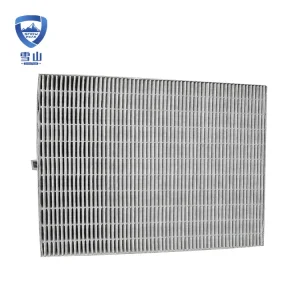
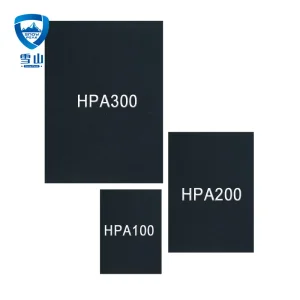
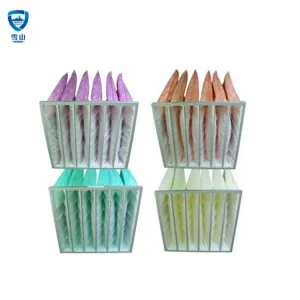
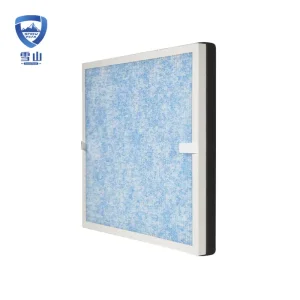
Explore our foundational filtration products, engineered for high efficiency, high-volume flow, and preliminary particulate extraction.
Deep-dive analysis of industrial carbon filters in controlling Volatile Organic Compounds (VOCs) and hazardous acid vapors.
In highly sensitive manufacturing landscapes, particle filtration is only one component of clean air quality. The presence of gaseous contaminants, acid vapors, and volatile compounds demands the application of molecular filtration. Industrial activated carbon filters act as the premier barrier, utilizing advanced chemical adsorption principles to secure microenvironments and guarantee product safety. Whether looking for a wholesale supply partner or designing a custom mechanical structure, understanding the science of carbon selection is key.
At the center of high-performance gas-phase filtration is the physical structure of the carbon pore system. Raw carbon materials such as coconut shells, premium coal, or wood undergo thermal activation processes to create highly complex networks of micropores (<2 nm), mesopores (2 to 50 nm), and macropores (>50 nm). For gaseous contaminants like VOCs, a high concentration of micropores is critical. The specific surface area of activated carbon can range from 800 to over 1500 m²/g, allowing a small block of carbon to filter vast quantities of industrial air.
For more specific applications, raw activated carbon is enhanced through chemical impregnation. This process involves coating the internal pore structures with target reagents. Basic gases like ammonia require phosphoric acid-impregnated media. Acid vapors, including sulfur dioxide and hydrogen chloride, are neutralized using alkaline-impregnated carbons (such as potassium hydroxide). Formaldehyde, hydrogen sulfide, and low-molecular-weight hydrocarbons are captured through chemisorption, turning the physical capture process into a chemical bond that locks contaminants deep inside the filtration media.
| Adsorbent Media Type | Primary Target Contaminants | Adsorption Mechanism | Common Industries Served |
|---|---|---|---|
| Standard Coconut Shell Carbon | High molecular weight VOCs, chlorine, organic solvents | Physical Adsorption (Physisorption) | Electronics Assembly, General HVAC, Industrial Refineries |
| KOH Impregnated Carbon | Hydrogen Sulfide (H₂S), Acidic gases (SO₂, HCl, HF) | Chemisorption (Neutralization reactions) | Wastewater Treatment, Pulp & Paper Mills, Chemical Plants |
| H₃PO₄ Impregnated Carbon | Basic vapors, Ammonia (NH₃), Amines | Acid-Base Chemisorption | Semiconductor Fabs (AMC Control), Agricultural facilities |
| Metal Oxide Impregnated Carbon | Formaldehyde (HCHO), low molecular weight aldehydes | Catalytic Oxidation & Capture | Hospital Cleanrooms, Automotive Paint Booths, Labs |
Our Corporate Profile, Dynamic R&D Initiatives, and Comprehensive Air Purification Engineering.
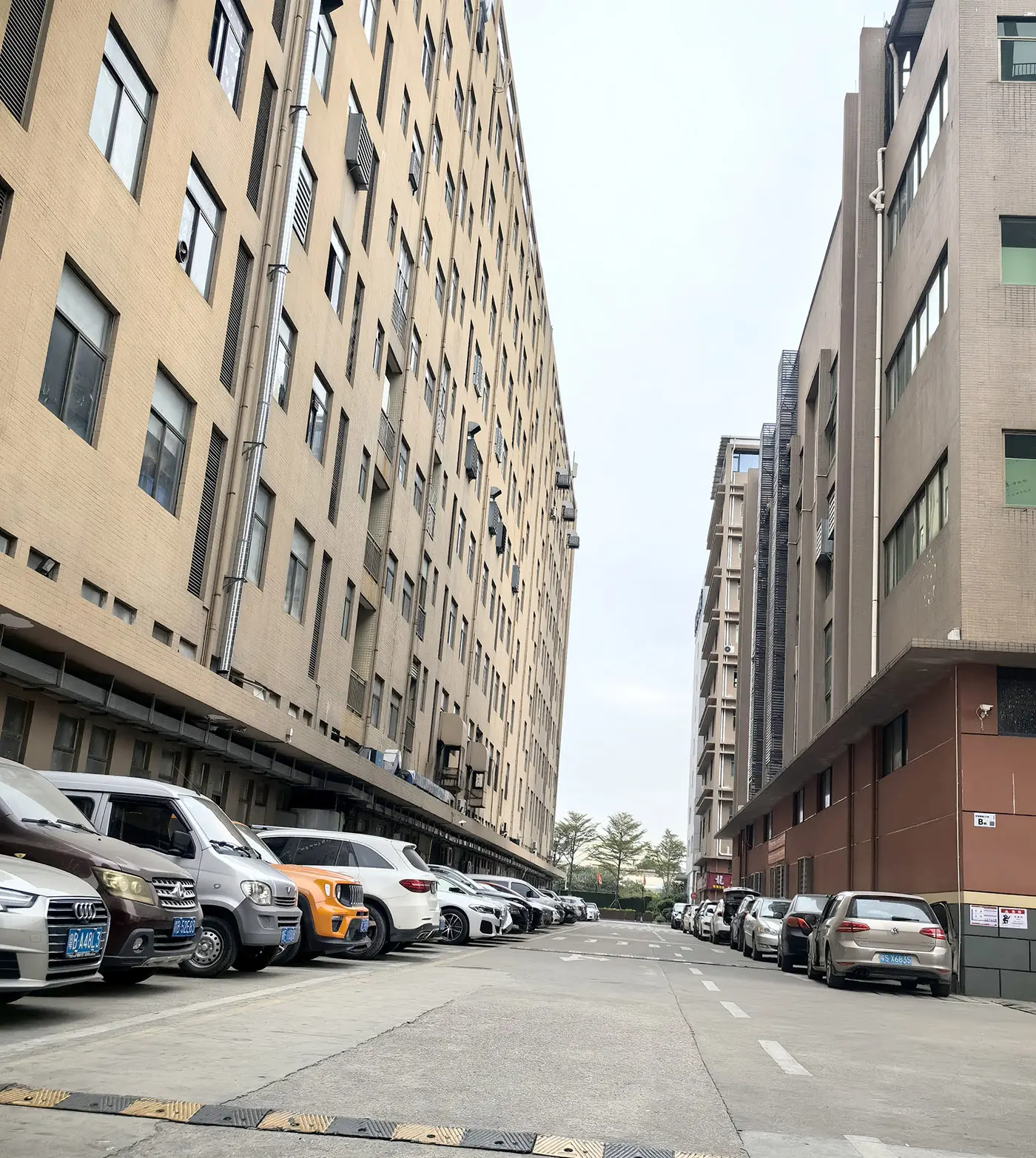
Shenzhen Snow Peak Clean Technology Co., Ltd. is an integrated high-tech enterprise, specialized in air filtration products research and development, production, sales, import and export trade. We produce and supply: Pre-filter, pocket filter, HEPA filter, chemical filter; replacement HEPA filter, car cabin air filter, humidifier filter; pocket filter media, melt-blown composite filter media, and other high-performance filter materials; provide high quality air purification solutions and products for indoor air pollution control and air conditioning systems of civil and industrial buildings, microelectronics, pharmaceutical, laboratory, school, hospital clean room etc.
Our commitment to precision engineering ensures that every step of our process—from testing the raw carbon density to pleating combined molecular-particulate media—is conducted under strict quality protocols. This guarantees that global OEMs and industrial distributors receive premium products that meet local compliance standards in North America, Europe, and Asia-Pacific.
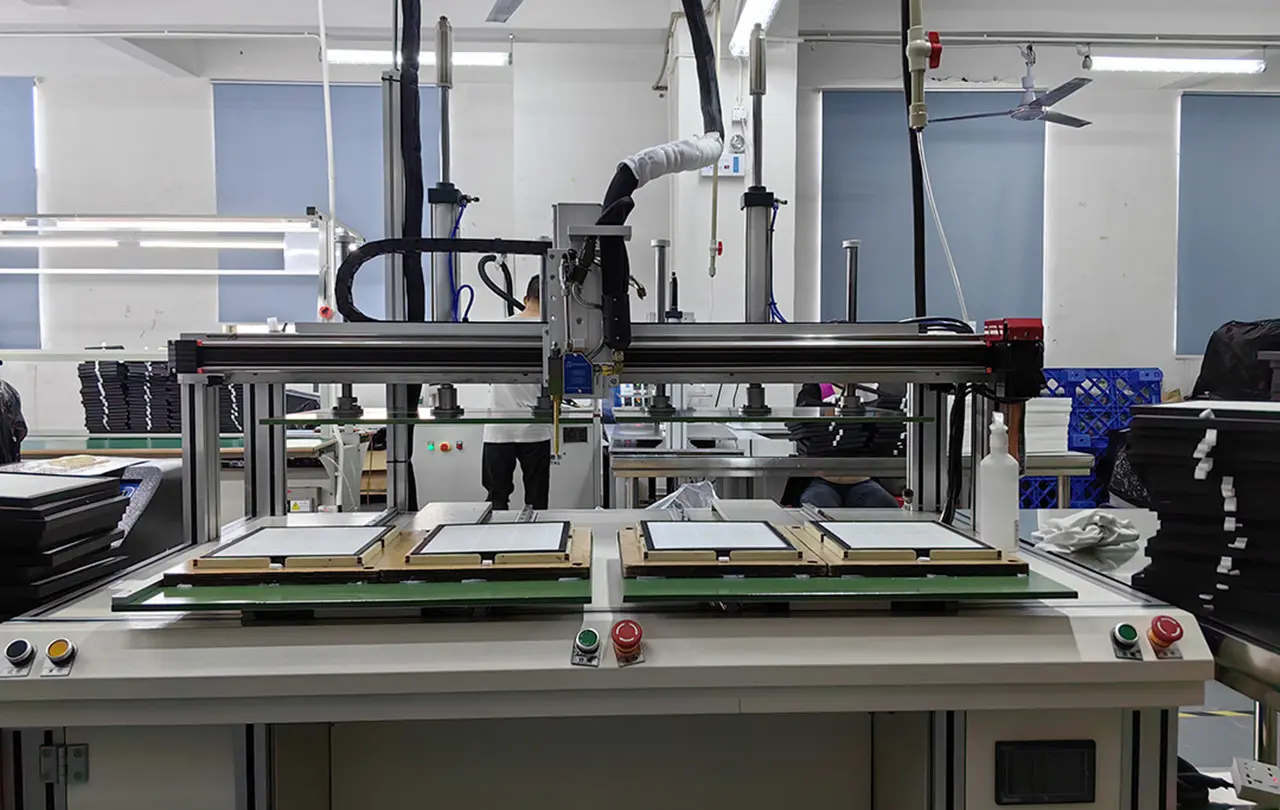
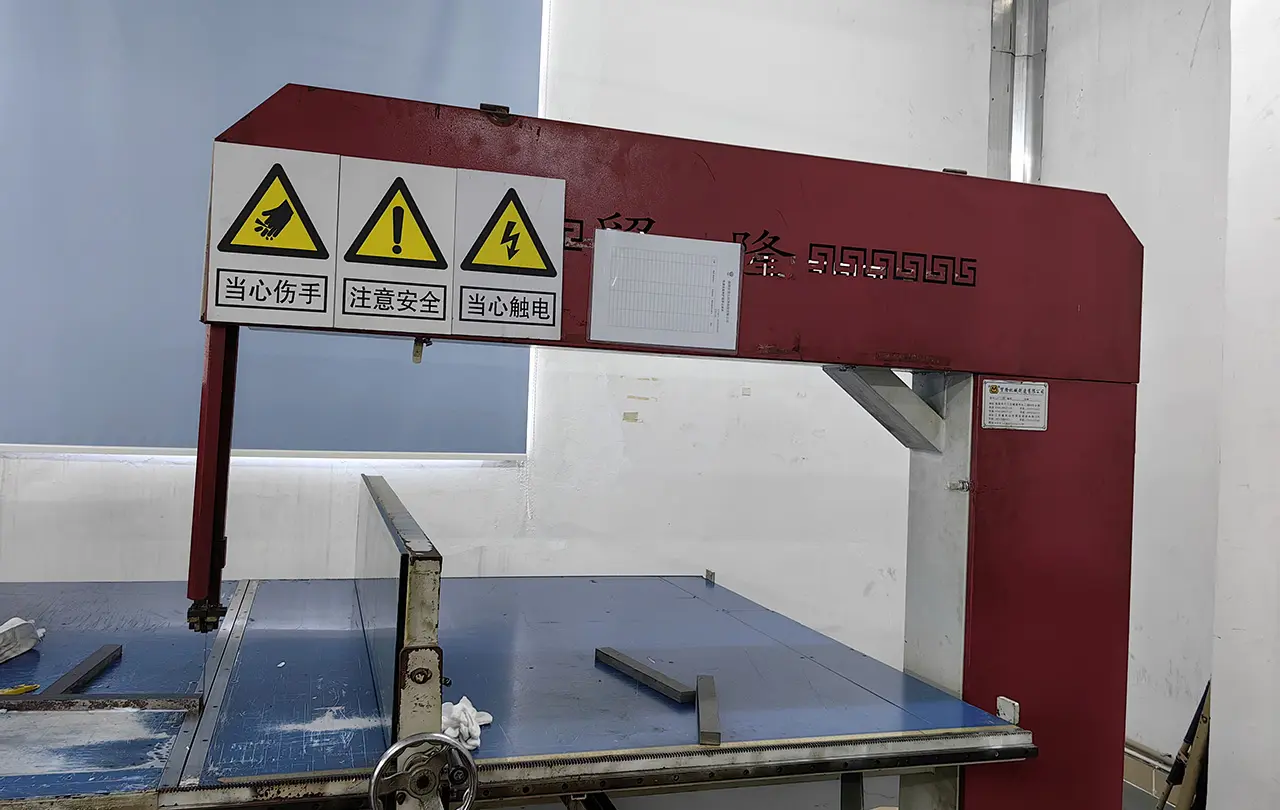
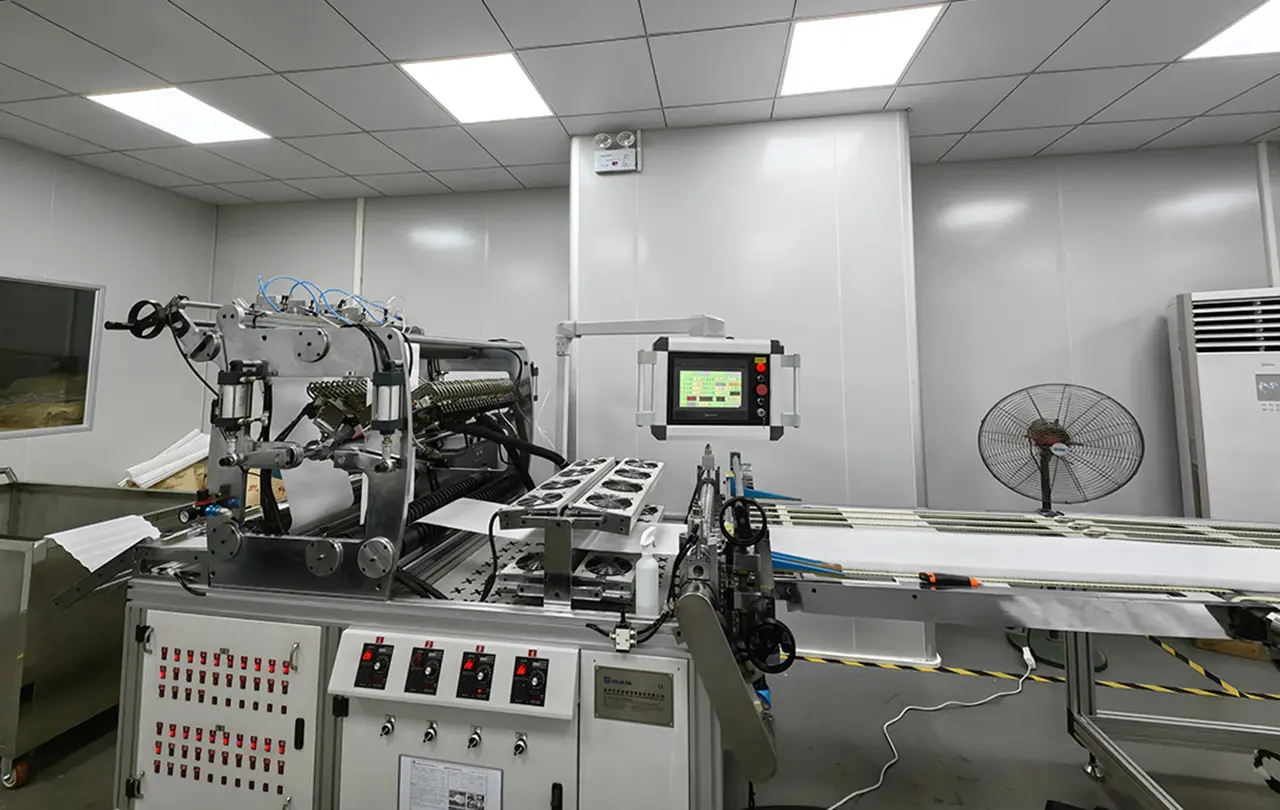
Leveraging state-of-the-art manufacturing automation to secure volume supply and stable lead times.
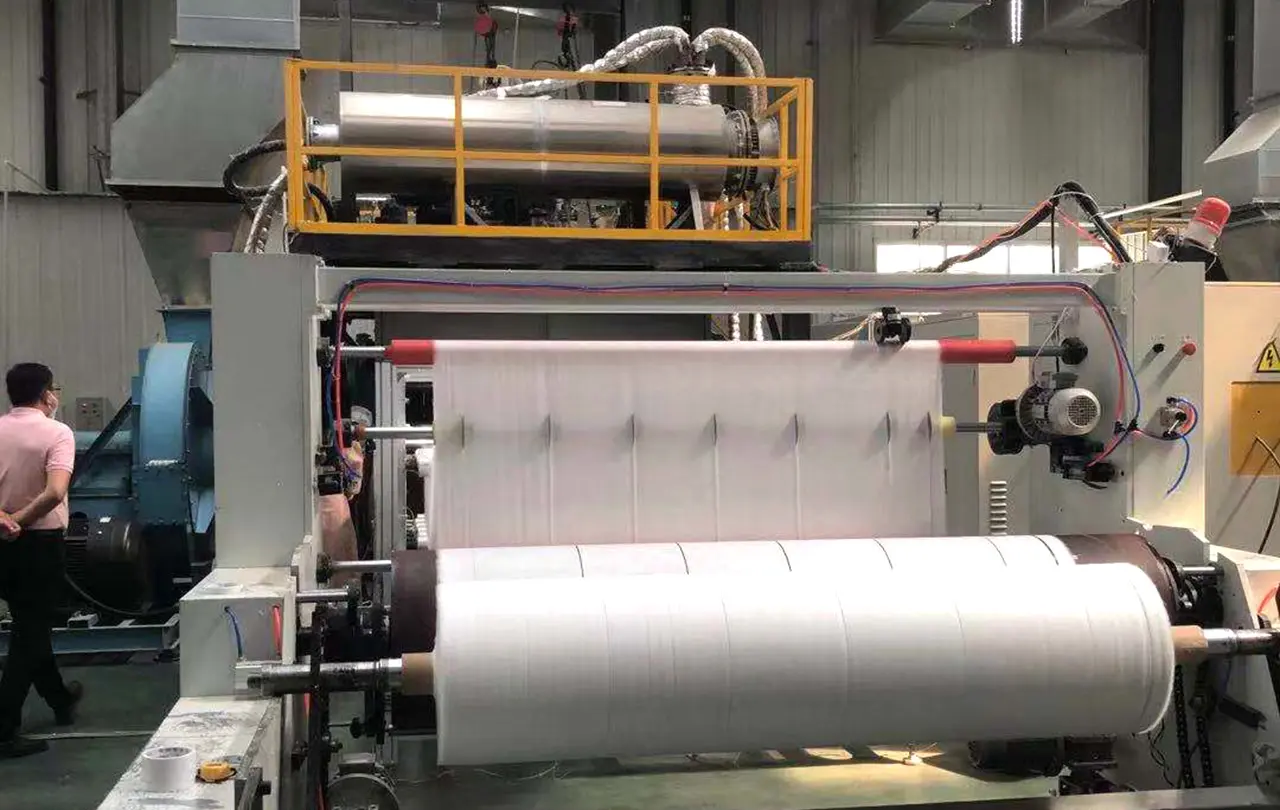
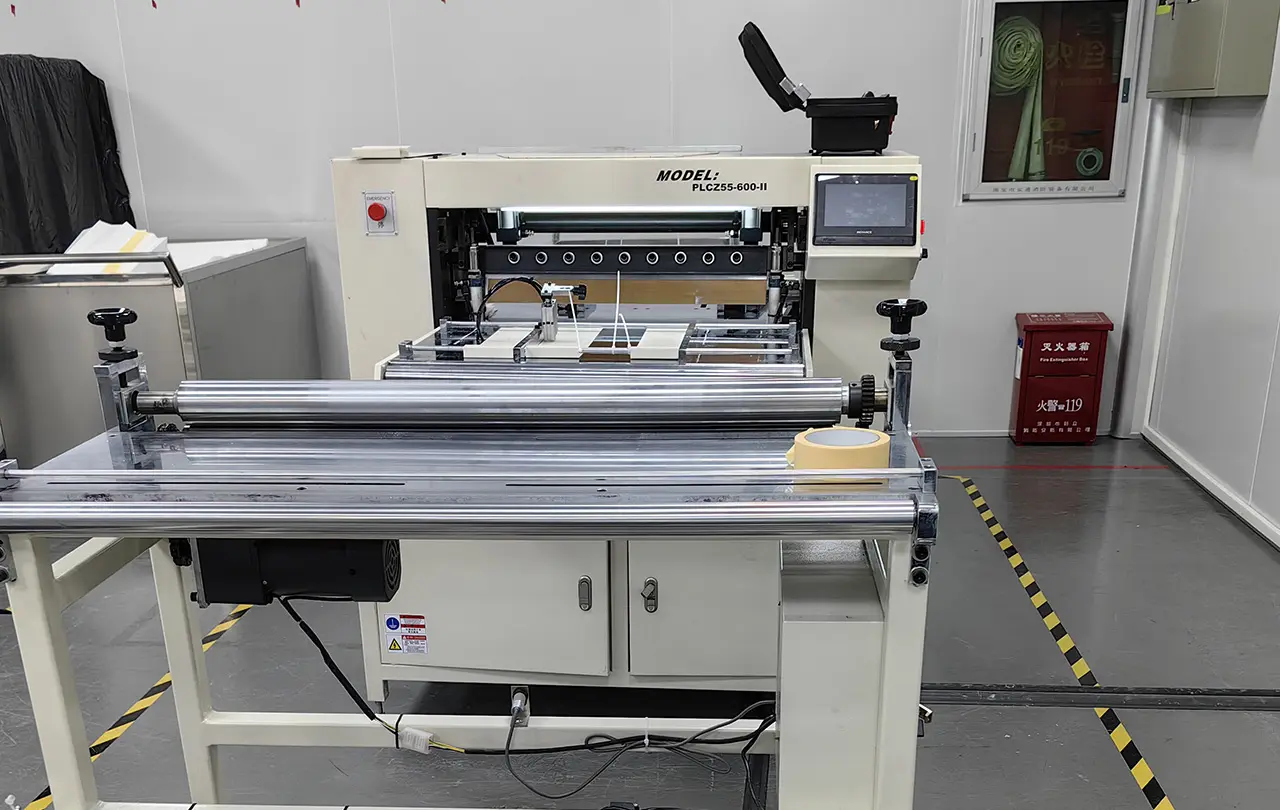
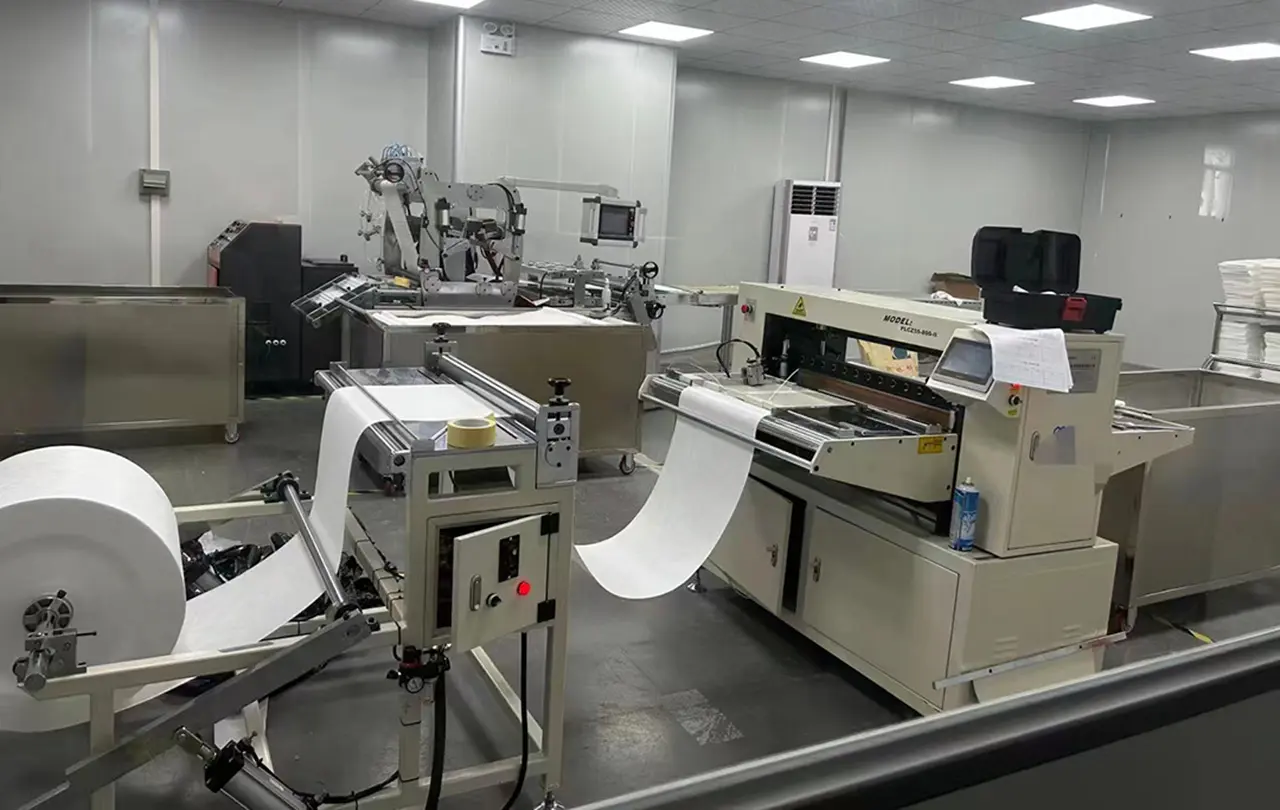
Our manufacturing capacity is built on advanced technology, deep supply chain integration, and precision quality systems. Having 15 years of international air purification technology experience as the background, our company has standardized production workshops, dust-free filter workshops, and first-class technology HEPA filters production lines and inspection lines. Our independent research and development of fully automatic air filter production lines is equipped with AMADA CNC punches and CNC bending machines as well as many other advanced high-end machines, providing a strong guarantee for the production and quality of our air filtration and purification products.
How we solve severe air quality challenges across key global manufacturing and processing sectors.
Modern semiconductor fabrication requires control of Airborne Molecular Contamination (AMC). Gaseous acids, bases, organic dopants, and condensables can settle on silicon wafers, causing defects. Our high-efficiency activated carbon and chemical filtration packages prevent yield loss at critical process nodes.
In bio-safety laboratories and pharmaceutical packaging lines, removing airborne microorganisms and chemical pollutants is key. Our hybrid HEPA and carbon systems neutralize dangerous organic vapors and volatile compounds, while our antiviral HEPA filters achieve a 99.99% H1N1 virus removal rate.
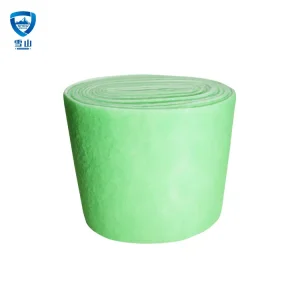
Automotive spray booths produce high concentrations of solvent fumes, overspray, and paint odors. Using our heavy-duty fiberglass floor media alongside specialized carbon secondary units prevents defects in high-gloss finishes and ensures compliance with emission standards.
The molecular filtration industry is moving toward high-efficiency carbon structures, longer service life, and lower pressure drops. Traditional granular carbon systems, though effective, can cause high pressure drops that increase energy costs. Our engineering R&D team is developing thin-profile, composite carbon-meltblown materials that deliver excellent gas capture and low resistance in one piece.
Additionally, the integration of smart sensor technologies is a major focus for future cleanroom systems. By embedding micro-transducers and metal-oxide sensors within our carbon beds, facility engineers can monitor real-time breakthrough curves, tracking when carbon capacity is saturated. This allows for predictive maintenance, ending the practice of discarding expensive filters too early or running them past saturation.
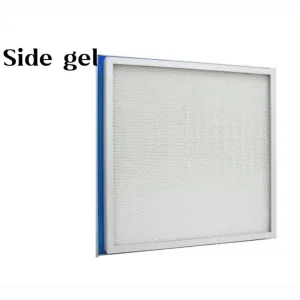
For global procurement managers, consistency in product dimensions and compliance is essential. We offer extensive OEM/ODM support, customizing carbon cartridge dimensions, frame options (aluminum, galvanized steel, and heat-resistant stainless steel), and seal designs. Our top-side liquid gel seal HEPA and carbon designs provide leak-free performance in cleanrooms, ensuring simple installation and reliable seals under high pressure.
Guaranteeing absolute alignment with environmental agencies, safety certifications, and test standards.
Procuring wholesale carbon filters requires adherence to strict global certification frameworks. Shenzhen Snow Peak guarantees complete transparency, providing detailed test records for air flow rates, pressure resistance, and particle count leak tests. Our products carry CE Certification, conforming to EN 779, ISO 16890, and EN 1822 test protocols. This ensures our filtration products are ready for integration into North American and European industrial systems.
By checking chemical properties (such as carbon ash content, moisture percentage, and CTC levels), our laboratory ensures each production run matches the specified performance targets. For projects with high fire safety requirements, we provide UL-900 fire-rated designs, giving plant managers and fire protection engineers peace of mind in high-temperature or high-risk industrial environments.
Expert answers to technical inquiries on industrial carbon filtration and structural designs.
The lifetime of an activated carbon filter is based on the concentration of contaminants, face velocity, and operating humidity. Typically, filters are monitored by tracking breakthrough times or weighing the carbon to see when it reaches its maximum capacity. In standard cleanroom operations, carbon beds are replaced every 6 to 12 months, or when odor breakthrough is detected.
Physical adsorption (physisorption) relies on weak van der Waals forces to trap VOC molecules inside the carbon's micropores. Chemisorption uses active chemical agents impregnated onto the carbon to bond with specific target gases (such as acid fumes or ammonia). This forms stable compounds that cannot release back into the cleanroom.
Pressure drop represents the resistance of the filter to passing air. A high initial pressure drop forces fan motors to consume more energy to maintain the required airflow rate. By using pleated carbon structures and low-resistance meltblown materials, we reduce energy costs while maintaining high filtration efficiency.
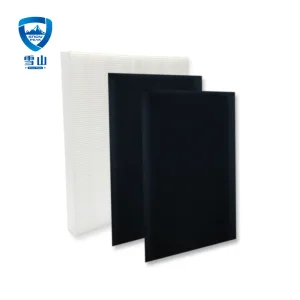
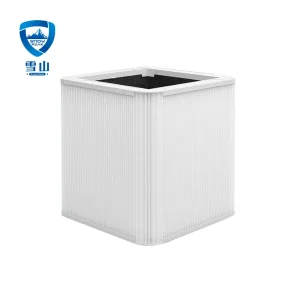
Yes, we specialize in high-efficiency replacement filters. We manufacture customized replacement filters compatible with Honeywell HRF-AP100, Coway AP-1512HH, and Blueair Blue Pure 211+. These replacements deliver equal or superior particulate and gas-phase filtration performance compared to original equipment parts.
Browse our selection of specialized high-efficiency HEPA, activated carbon, and ODM replacement solutions.
 Snow Peak