Explore our certified product portfolio developed to address diverse particulate, gaseous, and microbiological contamination challenges across various air handling systems.
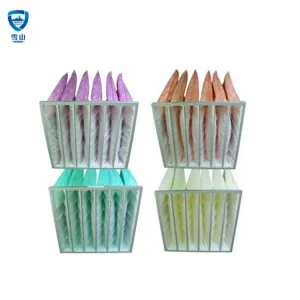
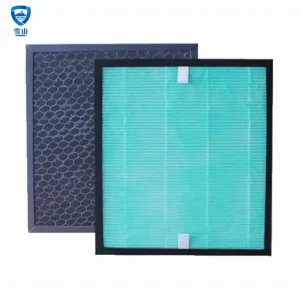
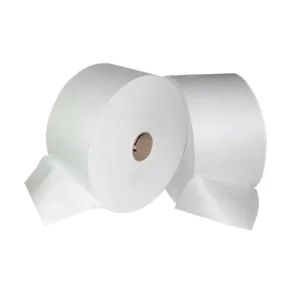
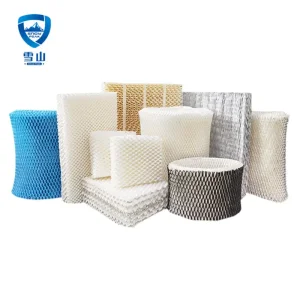
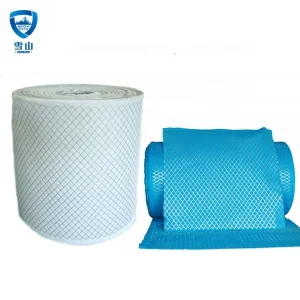
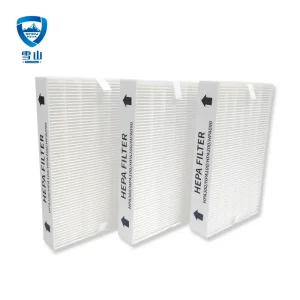
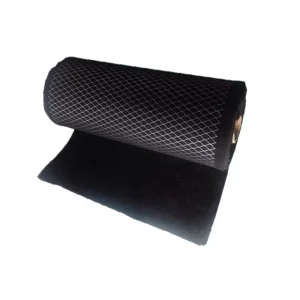
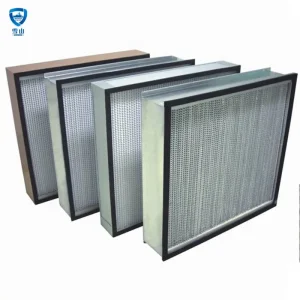
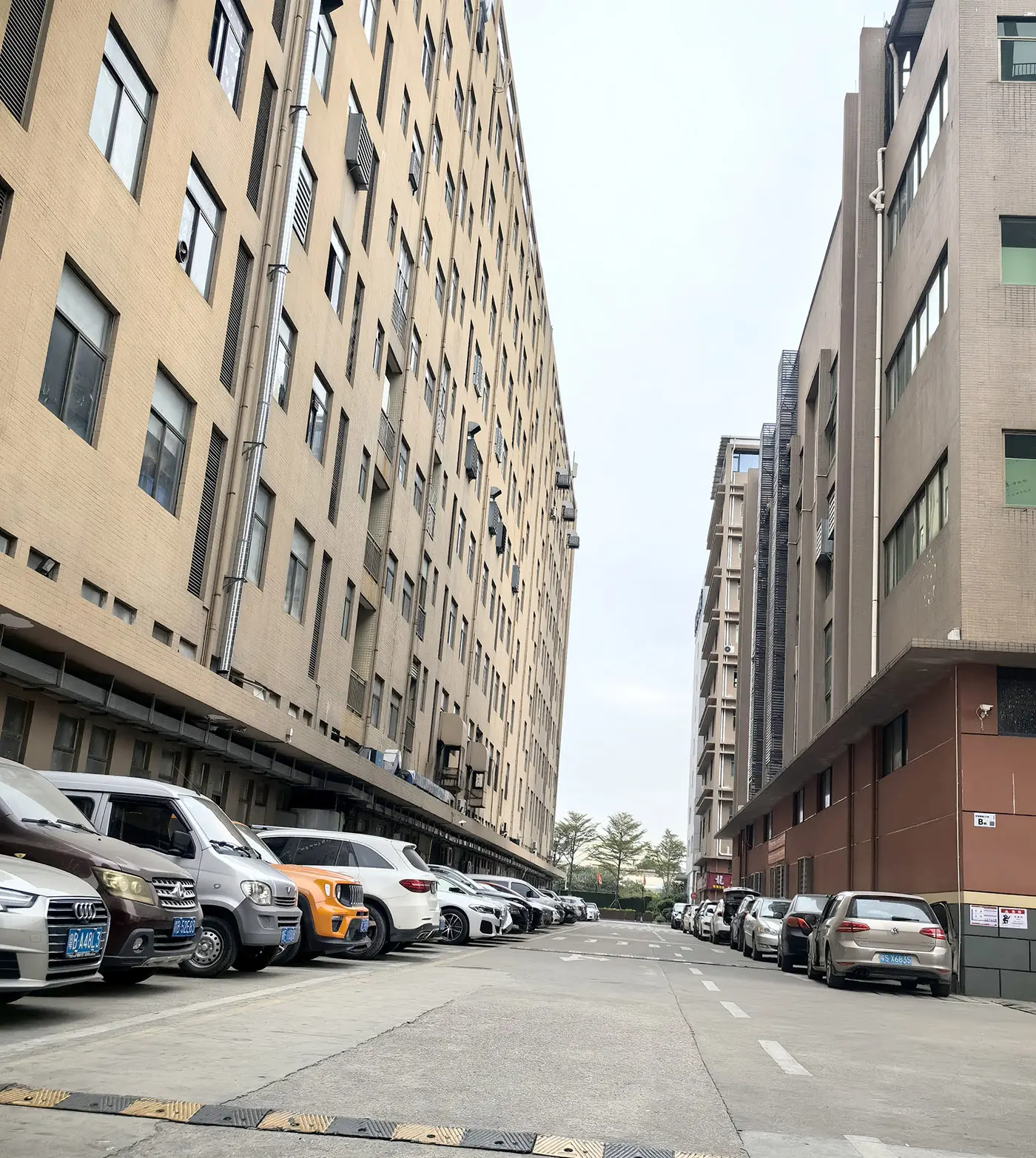
Shenzhen Snow Peak Clean Technology Co., Ltd. is an integrated high-tech enterprise, specialized in air filtration products research and development, production, sales, import and export trade. Backed by 15 years of international air purification technology experience, our company has standardized production workshops, dust-free filter workshops, and first-class technical HEPA filters production and inspection lines.
We provide highly optimized, high-quality air purification solutions and products for indoor air pollution control and air conditioning systems. Our key applications span across civil and industrial buildings, microelectronics, pharmaceuticals, laboratories, academic institutions, and hospital clean rooms. Combined with our self-developed patented technology, our sterilizing antiviral HEPA filter can effectively filtrate fine particles, bringing PM2.5 concentrations down to 10 micrograms/m³, which is 5 times better than the national standard. It effectively inhibits the breeding of microorganisms, yielding a sterilization rate up to 99.9% with zero secondary pollution, and a removal efficiency of H1N1 virus as high as 99.99%.
For global procurement professionals and system engineers, CE certification represents more than just a regulatory entry permit to the European Economic Area (EEA); it is a rigorous validation of performance, safety, and mechanical integrity. Air and carbon filters utilized in HVAC and industrial environments are subject to strict standards. Under the European standards framework, particulate filters are classified according to EN 779 / EN 1822 and the newer ISO 16890 protocol, while molecular/carbon filters must comply with ISO 10121 testing criteria.
ISO 16890 categorizes air filters based on fractional efficiency against particulate matter (PM1, PM2.5, PM10). It evaluates filter media performance under real-world particle distributions, ensuring that G4, M5, F7, or F9 pocket and bag filters deliver predictable performance in urban and industrial intake systems.
The EN 1822 standard regulates high-efficiency filters (EPA, HEPA, ULPA) ranging from E10 to U17. To achieve CE compliance, filters must undergo Most Penetrating Particle Size (MPPS) testing, verifying that H13/H14 deep-pleated systems maintain ≥99.97% and ≥99.995% retention rates respectively.
This standard defines test methods for assessing the performance of gas-phase air cleaning media and devices. Activated carbon filters must display stable adsorption rates and break-through curves for key target gases like VOCs, SOx, NOx, and NH3 under varying humidity profiles.
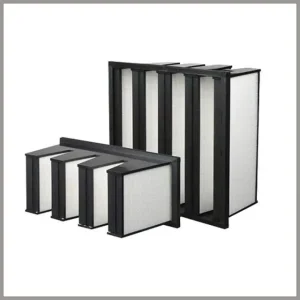
To secure a CE mark, manufacturers must verify that materials are non-hazardous, frames (such as stainless steel, aluminum, or heavy-duty plastic V-banks) can withstand structural pressures, and the filters do not release harmful particulates or fibers during operational velocity. Shenzhen Snow Peak Clean Technology guarantees that all exported CE-marked air and carbon filtration products meet these parameters, offering a transparent audit trail from raw materials to final QC pressure testing.
Particulate air filters isolate dust, pollen, and aerosols; however, gaseous phase contaminants, odors, and Volatile Organic Compounds (VOCs) pass through standard HEPA media. Resolving these challenges requires adsorption molecular filtration using high-grade activated carbon. Understanding the physics behind gas phase capture is critical for selecting the appropriate carbon filter structure:
Driven by Van der Waals forces, gas molecules stick to the vast internal pore surfaces of the activated carbon. The internal surface area of high-performance carbon media can exceed 1000 square meters per gram, providing high storage capacity for hydrocarbon compounds.
For low-molecular-weight gases like formaldehyde, hydrogen sulfide, or ammonia, physical adsorption is insufficient. The carbon must be chemically impregnated with catalysts or reactive agents (e.g., KOH, Phosphoric Acid) to bind and neutralize specific gaseous hazards.
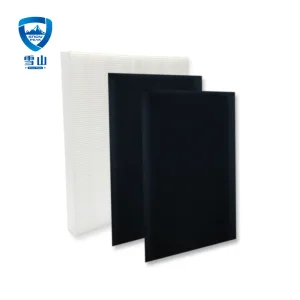
Modern OEM purifiers and HVAC systems utilize sandwich-type carbon fabrics and pleated composite materials. By integrating carbon granules directly with meltblown HEPA media, systems capture both sub-micron dust and complex chemical odors in a single module.
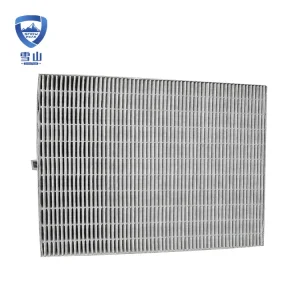
Shenzhen Snow Peak utilizes advanced carbon configuration techniques, such as gas adsorption media laminated with wire mesh and honeycomb structures. These structures are optimized to ensure low resistance (pressure drop) while maximizing contact time (residence time) between the air and the carbon particles, thereby extending the filter's service life.
Our facility is equipped with automated machinery to ensure precision and quality across all stages of production. From automatic pleating to chemical compounding and CNC metal fabrication, we maintain full control over the manufacturing process.
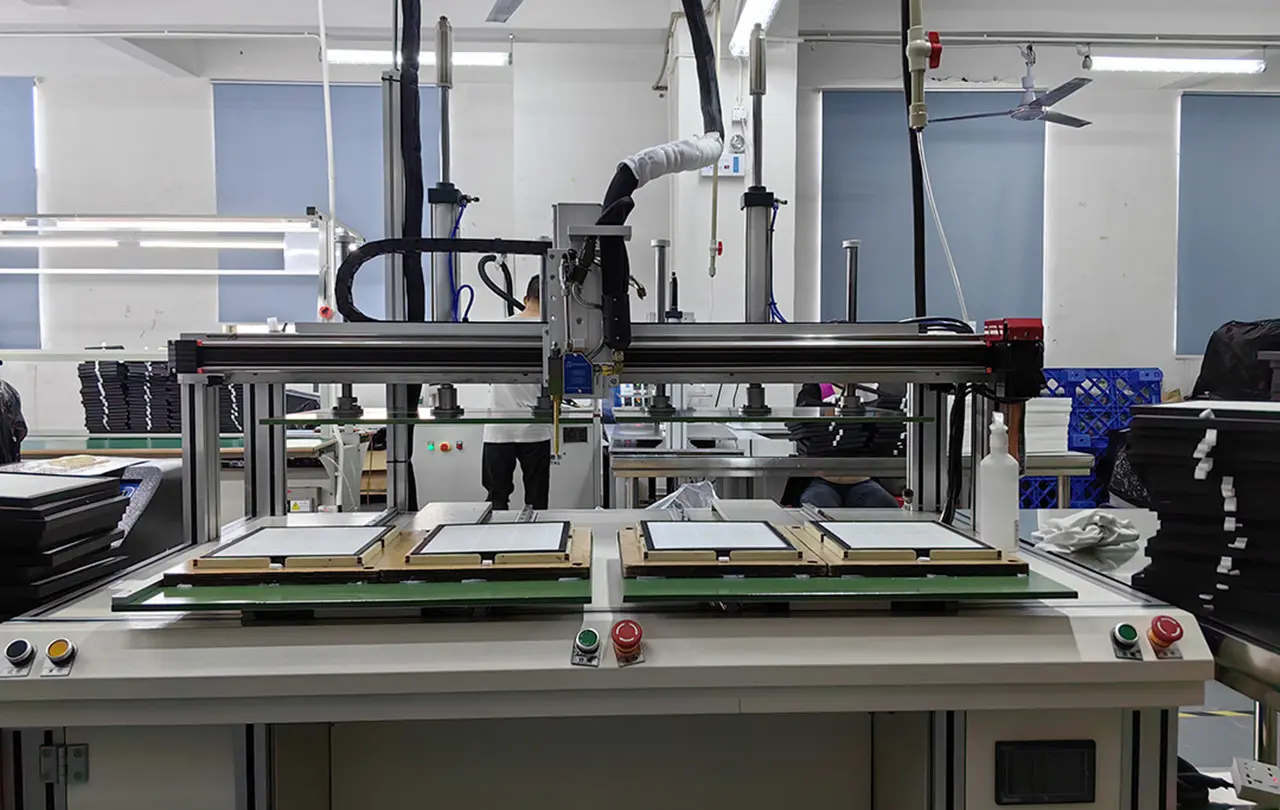
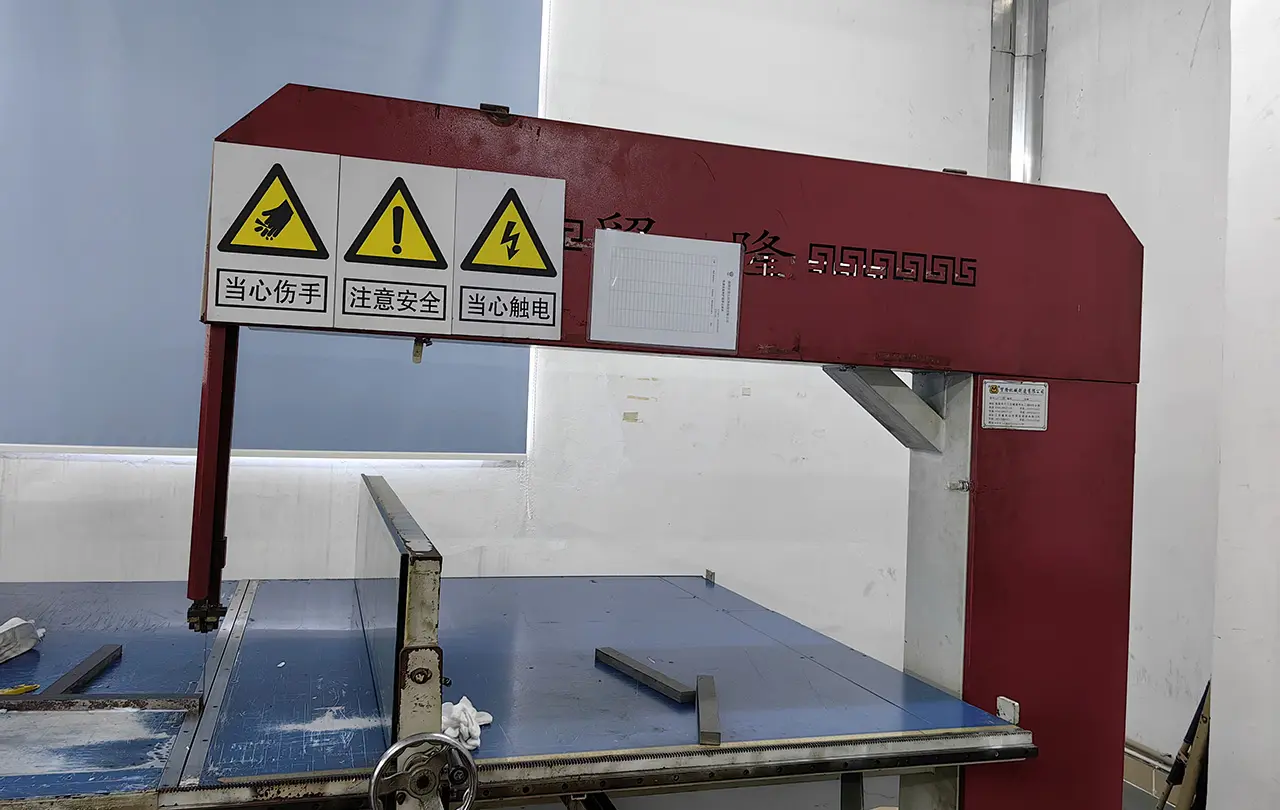
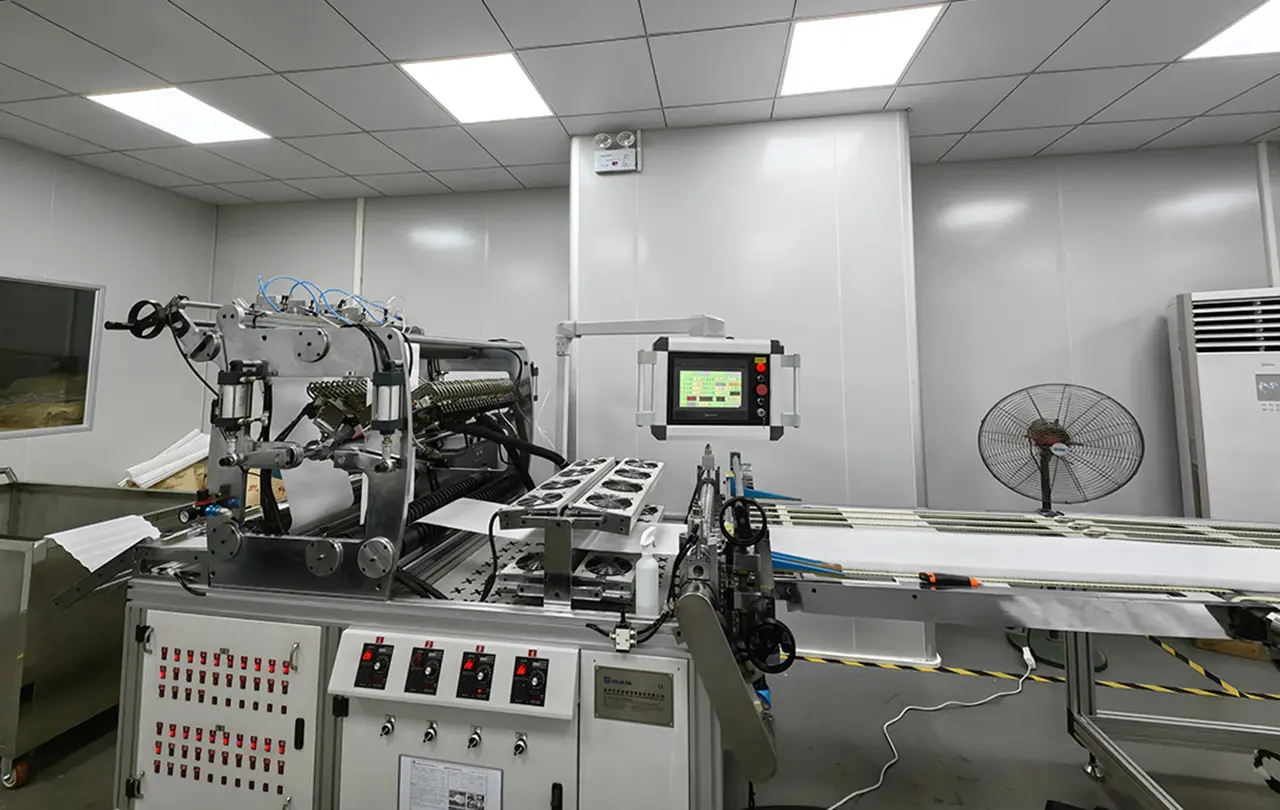
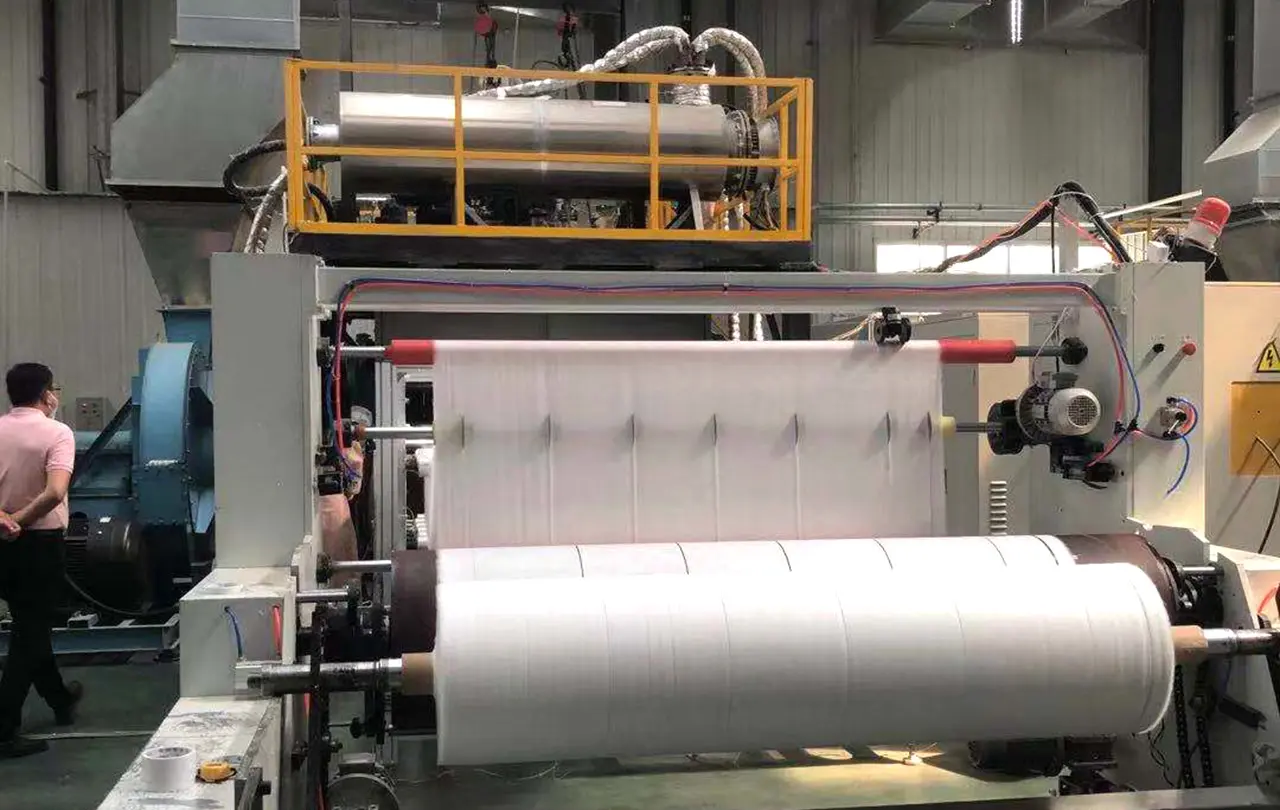
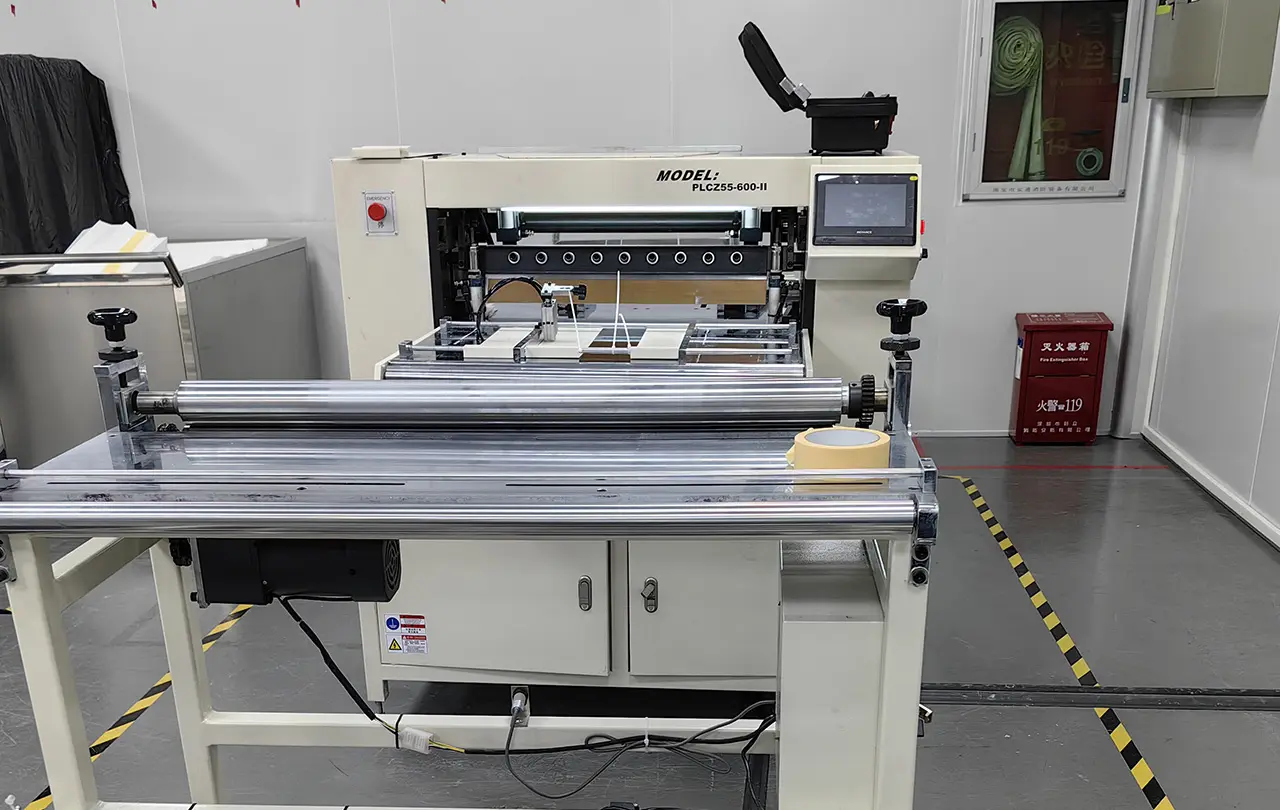
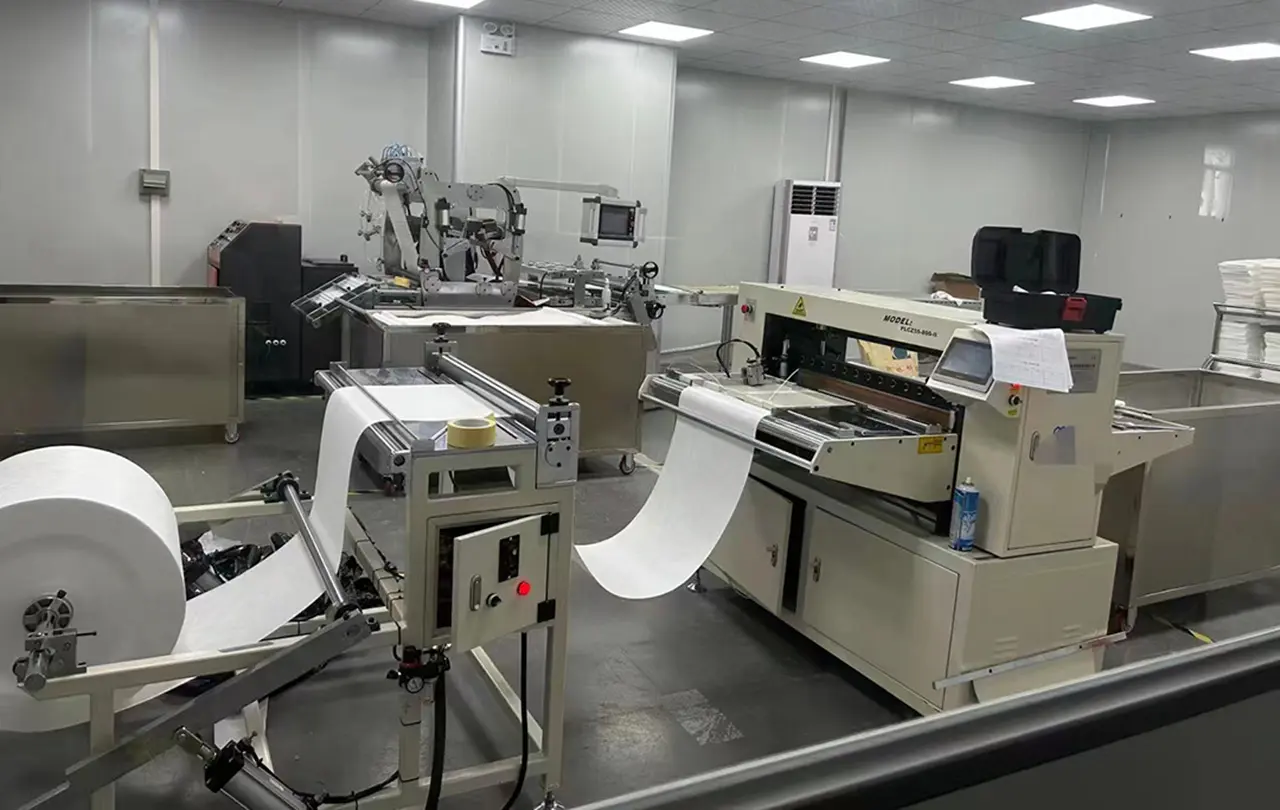
Partnering with a leading Chinese clean technology exporter like Shenzhen Snow Peak offers global enterprises significant strategic advantages. These advantages combine to deliver high value for procurement teams:
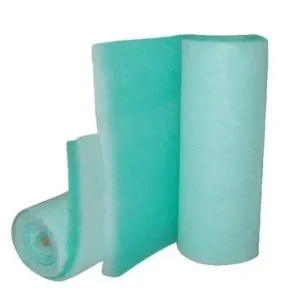
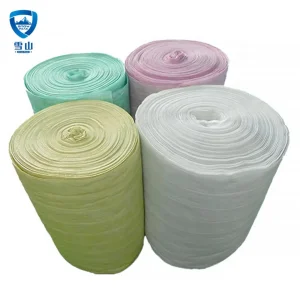
From raw meltblown synthetic bag filter media to synthetic wire mesh rolls and structural galvanized steel frames, all components are sourced and processed within a 100-mile supply ecosystem, minimizing logistical delays and keeping material costs competitive.
By investing in AMADA CNC punch and bending systems, automated glue dispensaries, and advanced pleating stations, we minimize human error and ensure physical dimensional tolerances within ±0.5mm across all product batches.
We match proprietary client specifications, fabricating alternative filter cartridges for Honeywell, Coway, and other premium brands, as well as customized non-standard shapes for specific heavy industrial air handling plants.
Procurement managers in high-stakes fields like microelectronics, pharmaceutical manufacturing, and clinical healthcare require verification of performance and safety. Standard data sheets are often insufficient; enterprise compliance teams require documented testing and quality assurance protocols.
High resistance leads directly to increased energy consumption in HVAC blowers. We test and document the initial resistance (Pa) of our pocket and HEPA systems to help clients optimize their HVAC motor power profiles.
Every HEPA filter designated for pharmaceutical GMP Class A/B cleanrooms undergoes photometer scan testing (oil mist method) to ensure there are no pinhole leaks in the media or frame seals.
Our patented sterilizing filter technology has been tested by third-party laboratories. It achieved a 99.9% microorganism sterilization rate and a 99.99% H1N1 virus removal rate, operating without releasing secondary chemicals.
We trace each batch of synthetic polymers, fiberglass, and carbon media back to its chemical formulation. This ensures compliance with EU RoHS and REACH directives, keeping the process safe and transparent.
Depending on regional regulations and ambient air quality index (AQI) conditions, different applications require tailored filter combinations:
Precision lithography requires the elimination of both sub-micron particles and airborne molecular contamination (AMC). Here, deep-pleated HEPA filters are combined with high-grade active carbon beds to prevent chemical outgassing on silicon wafers.
GMP guidelines require high sterility levels. Our antiviral sterilizing filters are used alongside H14 HEPA units to remove physical particles and actively inhibit microbiological growth on the filter media, reducing the risk of cross-contamination.
To meet green building standards, buildings combine G4 pre-filters with F9 bag filters or active carbon modules. This layout balances pressure drops, optimizes energy consumption, and helps control outdoor pollutants and local odors.
Review our technical FAQ addressing common verification, performance, and engineering questions from B2B buyers.
EN 1822 is the specific standard for High-Efficiency (HEPA) and Ultra-Low Penetration (ULPA) filters (E10-U17) using MPPS particle validation. ISO 16890 is the global standard for general ventilation filters (coarse up to ePM1 95%), replacing the older EN 779 system. We certify general bag filters under ISO 16890, while our high-efficiency cleanroom filters are certified under EN 1822.
Our patented technology applies an antiviral and antimicrobial coating to the HEPA media. Unlike standard passive filters where trapped microbes can multiply over time, our treated fibers actively disrupt the cellular membranes of bacteria and viral envelopes (including H1N1), achieving a 99.9% sterilization rate without releasing secondary chemical pollutants.
Service life depends on the ambient concentration of VOCs or target gases, air velocity, temperature, and relative humidity. We monitor the breakthrough curve under laboratory conditions to estimate life cycles, and we recommend regular gas sensor checks or weight-gain analysis to evaluate carbon saturation.
Yes. Using our AMADA CNC punch and bending equipment, we manufacture custom frame profiles using stainless steel, galvanized sheet metal, or high-temp plastics. For high-temperature setups (up to 250°C), we offer aluminum foil separators and specialized high-temperature silicone seals.
HEPA filter media is sensitive to pressure and moisture. We pack all high-efficiency products in sealed PE bags and place them inside double-wall corrugated shipping boxes with internal foam edge protectors. For sea and air transport, shipments are palletized and stretch-wrapped to prevent shifting.
Browse the remainder of our technical catalog, including pre-filters, carbon rolls, replacement modules, and high-temperature systems.
 Snow Peak