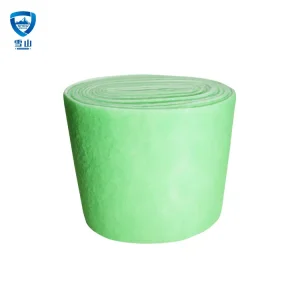
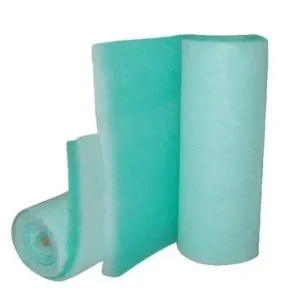
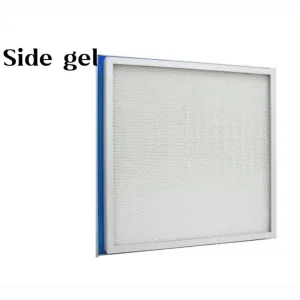
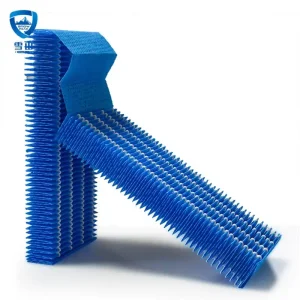
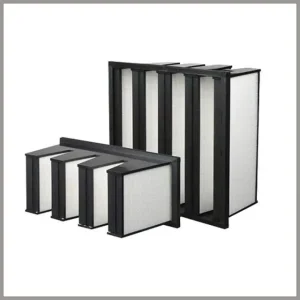
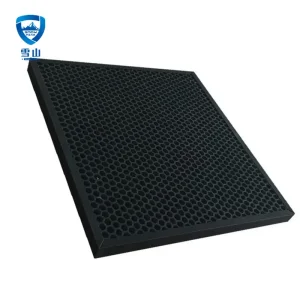
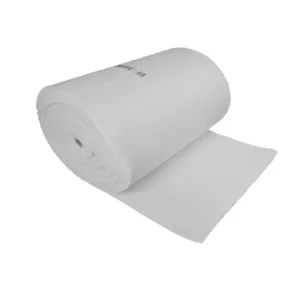
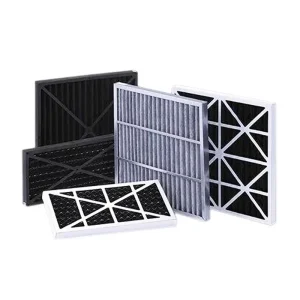
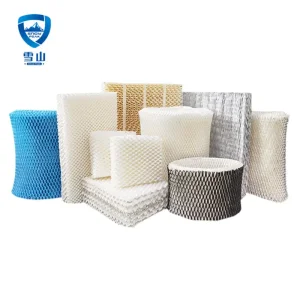
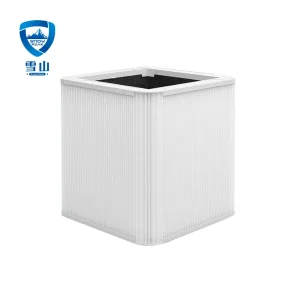
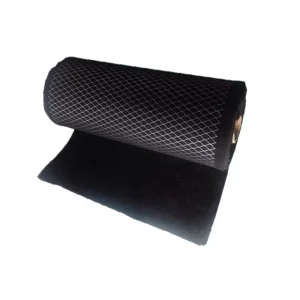
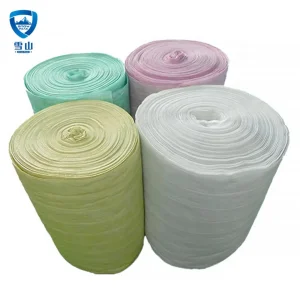
Exposing our key range of air filter solutions designed for factories, paint booths, cleanrooms, and OEM replacement markets worldwide.
Why CE-certified carbon and composite filters are critical infrastructure for modern global air purification strategies.
In the contemporary industrial and municipal landscape, particulate filtration is only one half of the air quality equation. While HEPA and G4/M5 pre-filters successfully capture solid contaminants like PM2.5, pollen, and airborne bacteria, they are entirely ineffective against molecular-level gas-phase toxins. Volatile Organic Compounds (VOCs), industrial odors, gaseous chemical emissions, ozone, and toxic combustion byproducts bypass standard particulate barriers effortlessly. This is where activated carbon air filtration steps in as the primary containment barrier.
For global exporters and cleanroom facility operators, ensuring compliance with strict environmental, health, and occupational safety standards is paramount. The European market, governed by rigorous CE Mark standards (EN 1822 for HEPA/ULPA and ISO 16890 for coarse/fine dust filters), demands absolute transparency in performance testing. The dynamic interactions within molecular filtration systems demand robust design parameters: carbon type, surface area, CTC (Carbon Tetrachloride) adsorption value, gas residence time, and pressure drop curves. Shenzhen Snow Peak Clean Technology Co., Ltd. leads this space by integrating CE-certified honeycomb activated carbon and composite filtration media within highly optimized supply lines.
Rapid urbanization, paired with post-pandemic respiratory awareness and rising statutory emissions limits, has transformed the global air purifier market. Residential and commercial building codes now prioritize indoor air quality (IAQ) alongside thermal efficiency. Meanwhile, heavy-duty industrial sectors, from microelectronics lithography cleanrooms to pharmaceutical packaging halls and automotive paint spray booths, require customized composite carbon-HEPA filters that eliminate chemical off-gassing while capturing micro-particles down to sub-micron scales.
Discover how Shenzhen Snow Peak Clean Technology Co., Ltd. blends decades of experience with advanced robotics and patented technologies.
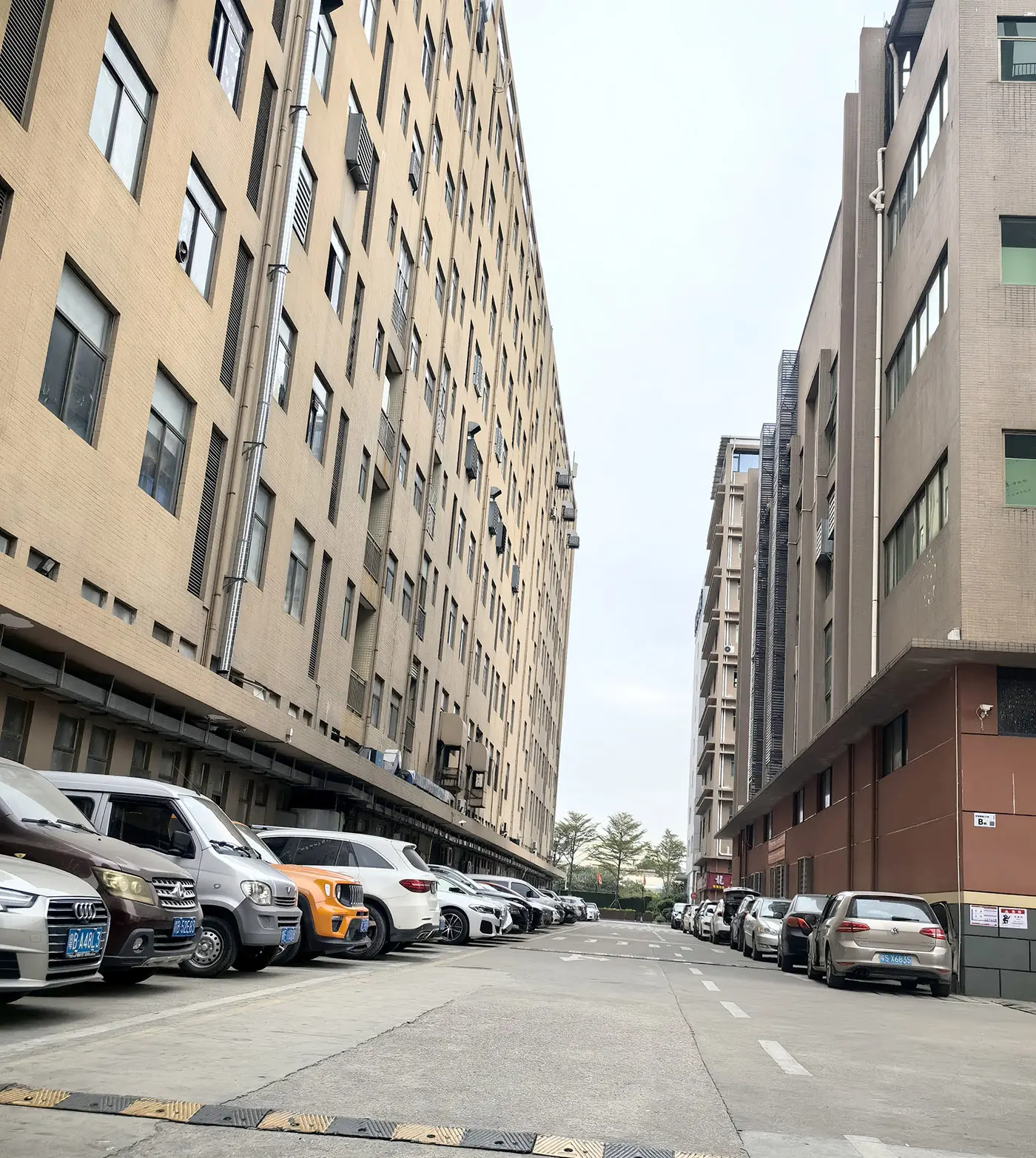
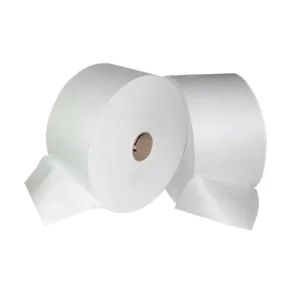
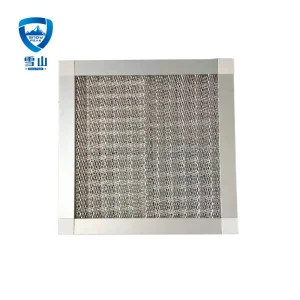
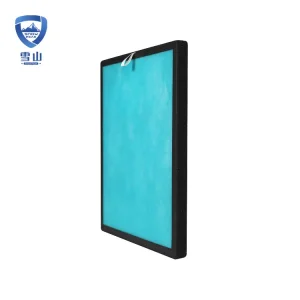
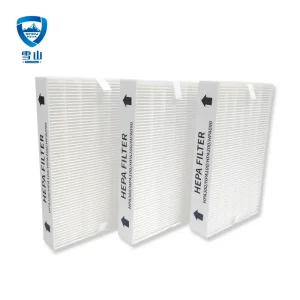
Shenzhen Snow Peak Clean Technology Co., Ltd. is an integrated high-tech enterprise, specialized in air filtration products research and development, production, sales, import and export trade. We produce and supply: Pre-filter, pocket filter, HEPA filter, chemical filter; replacement HEPA filter, car cabin air filter, humidifier filter; pocket filter media, melt-blown composite filter media, and other high-performance filter materials; provide high quality air purification solutions and products for indoor air pollution control and air conditioning systems of civil and industrial buildings, microelectronics, pharmaceutical, laboratory, school, hospital clean room etc.
Combined with self-developed patented technology, our sterilizing antiviral HEPA filter can effectively filtrate fine particles, so that PM2.5 concentration down to 10 micrograms/m³, 5 times better than national standard; effectively inhibit the breeding of microorganisms, sterilization rate up to 99.9%, and no secondary pollution, removal of H1N1 virus efficiency as high as 99.99%.
Precision engineering made possible by standardized cleanroom production and CNC machinery.
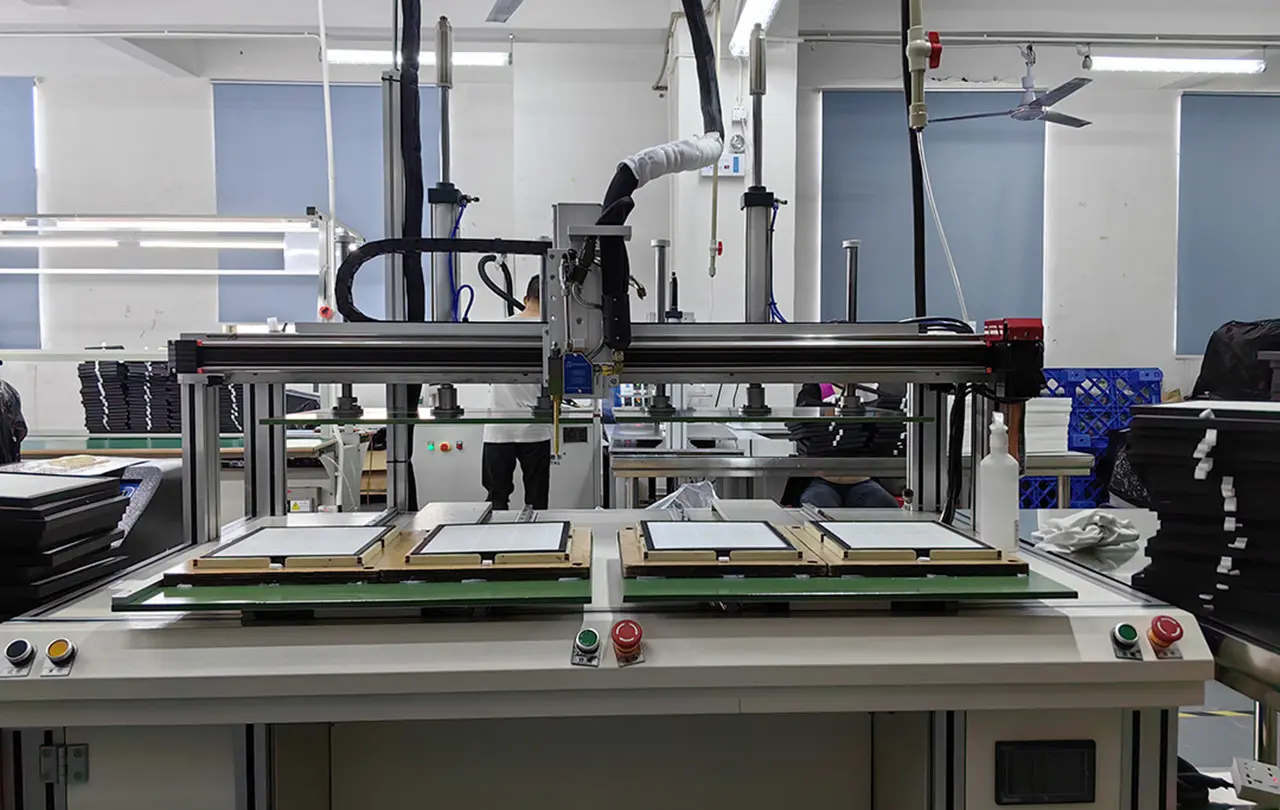
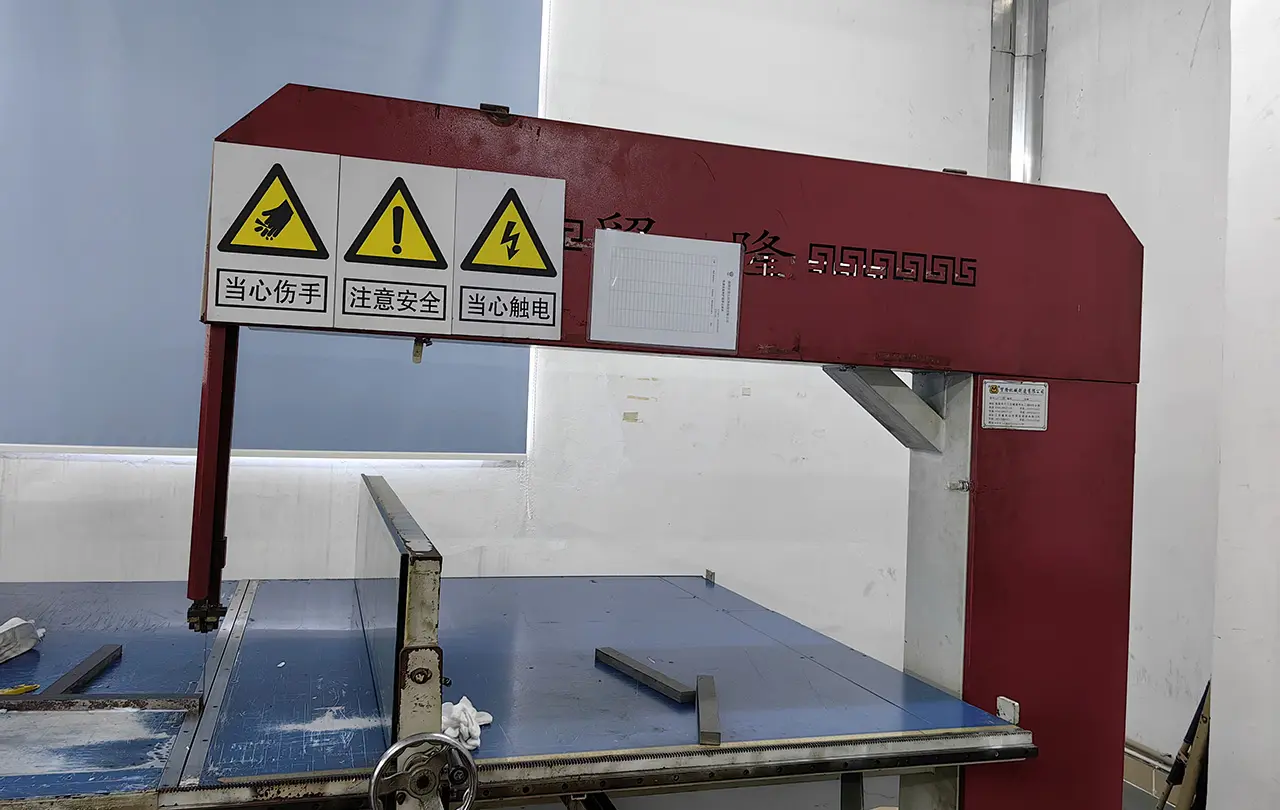
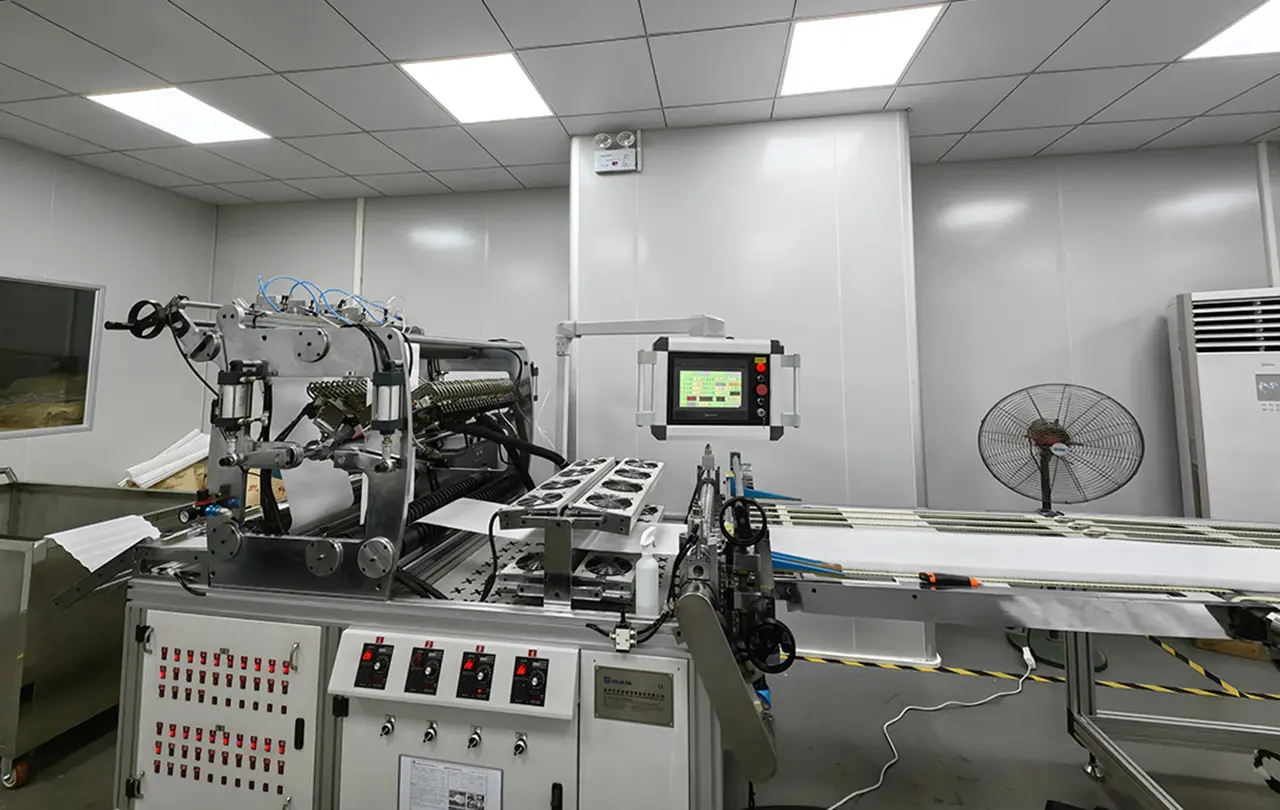
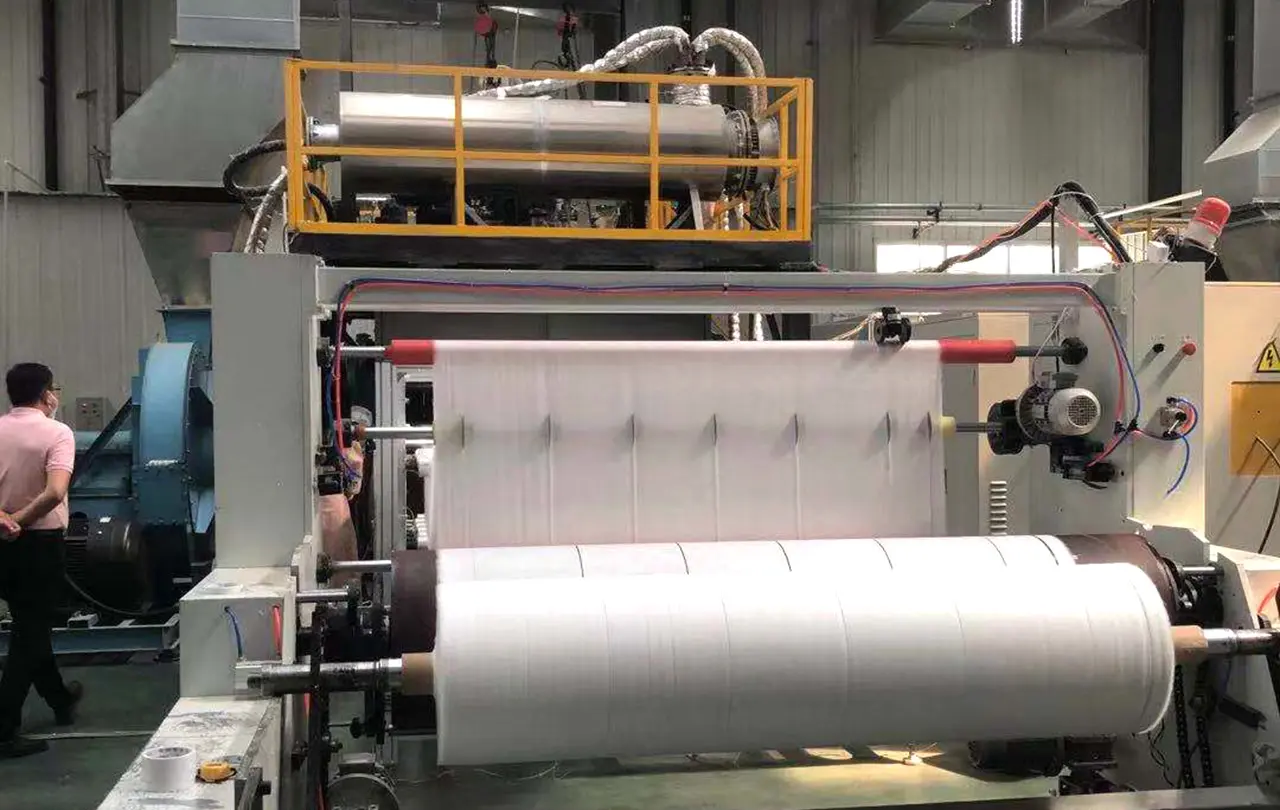
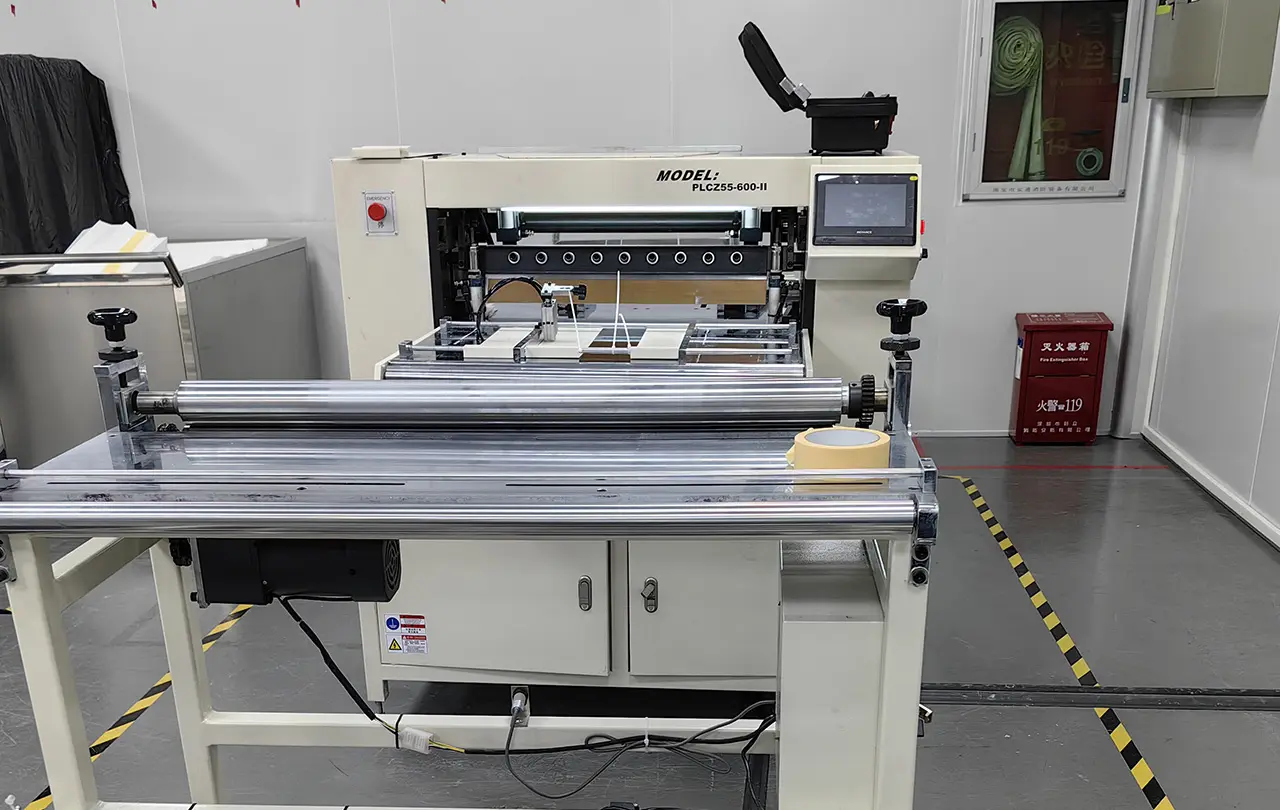
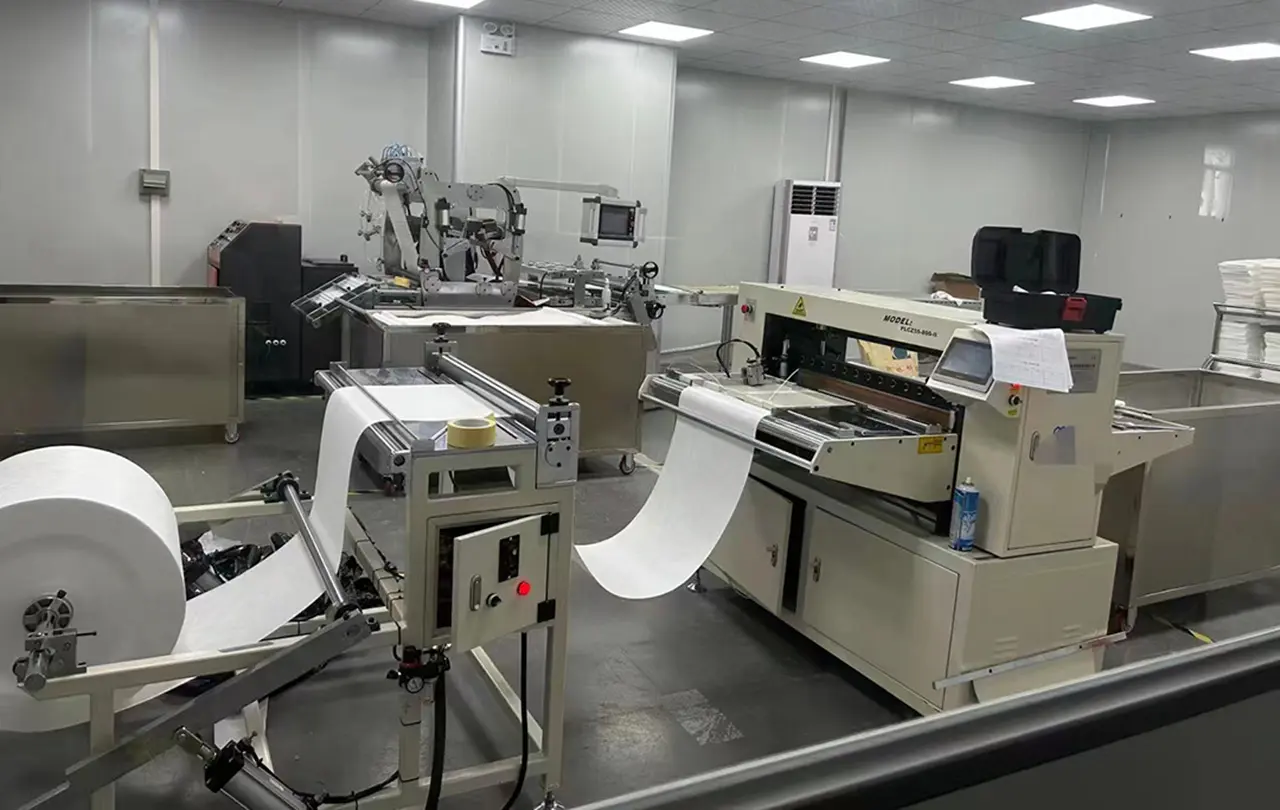
Having 15 years of international air purification technology experience as the background, our company has standardized production workshop, dust-free filter workshop and first-class technology of HEPA filters production line and inspection line, independent research and development of fully automatic air filter production line, equipped with AMADA CNC punch and CNC bending machine as well as many other advanced high-end equipment, provide a strong guarantee for production and quality of air filtration and purification products.
Activated carbon filtration is governed by the principles of physical adsorption (physisorption) and, in specialized environments, chemical adsorption (chemisorption). Carbon atoms within the filter medium possess a highly porous, internal surface area structure. This structure is generated through carbonization followed by high-temperature thermal activation (typically using steam or carbon dioxide).
The performance of any CE-certified carbon filter exported globally depends on several engineering criteria:
| Parameters | Standard Specs | Snow Peak Premium Grade |
|---|---|---|
| Iodine Adsorption Value | < 800 mg/g | 1000 - 1100 mg/g |
| CTC Adsorption Capacity | 40% - 50% | > 60% |
| Primary Carrier Frame | Paper Cardboard | Alloy / ABS / Paper Honeycomb |
| Pressure Drop (at 1m/s) | > 65 Pa | < 40 Pa |
| Formaldehyde Removal Rate | 80% - 85% | 97.5% (Direct Lamination) |
Demystifying regulatory frameworks to guarantee seamless integration in highly regulated markets.
Entering international markets, particularly the European Economic Area (EEA), requires comprehensive regulatory clearance. For air filtration products and air purifiers, the CE (Conformité Européenne) marking is mandatory. It verifies that the equipment conforms with European standards for health, safety, and environmental protection.
1. EN ISO 16890: This global standard classifies air filters based on fractional efficiency testing. It replaces the old EN 779 system (which classified filters as G1-G4, M5-M6, F7-F9). ISO 16890 divides filters into four groups: ISO Coarse, ISO ePM10, ISO ePM2.5, and ISO ePM1. Snow Peak's pocket filter media and pre-filter components are tested under these precise parameters to guarantee that particulate capture efficiency meets modern EU directives.
2. EN 1822: This European standard covers High-Efficiency Air Filters (EPA, HEPA, and ULPA). For air purifiers that integrate carbon and HEPA sheets, achieving H13 or H14 ratings is crucial. A genuine CE-certified H13 HEPA filter must exhibit a particulate removal efficiency of ≥ 99.97% at the most penetrating particle size (MPPS), typically around 0.3 micrometers.
3. RoHS and REACH Compliance: Carbon materials used in consumer air purifiers must be free of harmful heavy metals and chemical elements (such as lead, mercury, cadmium, hexavalent chromium, and specific flame retardants). Standardized honeycomb filters must undergo chemical analysis to verify that binding polymers, adhesives, and raw coconut shells do not release secondary toxic elements during operation.
Optimized configurations tailored to localized industrial processes and critical public cleanrooms.
Innovations driving the next generation of environmental air systems.
As standard regulatory frameworks tighten and commercial end-users demand longer lifetimes with lower energy expenditures, the technology roadmap for carbon and particulate air filters is evolving. Key directions in Snow Peak's research focus on material efficiency and mechanical structural design:
Historically, filter replacements have been scheduled based on time elapsed rather than actual physical saturation. Future configurations will feature embedded sensor technology that tracks localized pressure drop, humidity, and gas concentration. This dynamic system communicates with HVAC controllers to optimize fan speed and alert technicians exactly when breakthrough capacity is reached.
Standard activated carbon performs physisorption, which has limited capacity for light molecular weight compounds such as formaldehyde, ammonia, and hydrogen sulfide. Impregnating the carbon carrier with target chemical agents (such as potassium permanganate or phosphoric acid) triggers a chemical reaction (chemisorption) that neutralizes highly volatile molecules permanently.
Sustainable sourcing of raw carbon materials is becoming a key purchase criterion for European buyers. Moving away from coal-based carbon towards agricultural byproducts like coconut shells, bamboo, and walnut husks reduces the carbon footprint of manufacturing. Incorporating recycled materials into filter frame polymers also aligns with global ESG goals.
Answers to key technical questions from procurement teams, factory operators, and environmental engineers.
Select from our array of ventilation, replacement filters, and specialized activated carbon panels.
 Snow Peak