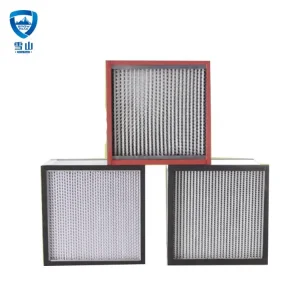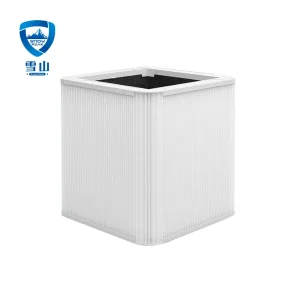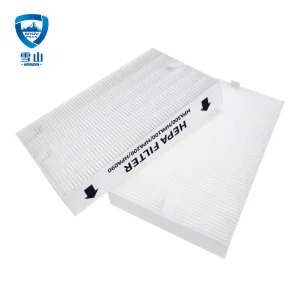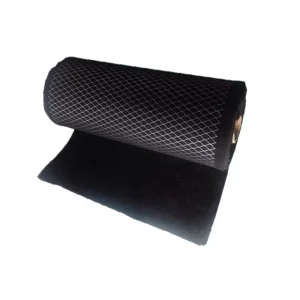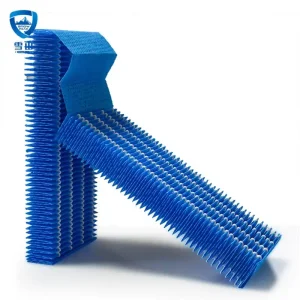
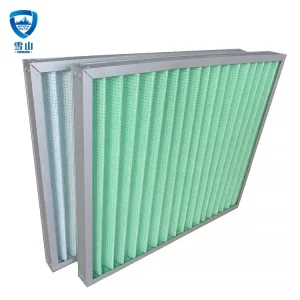
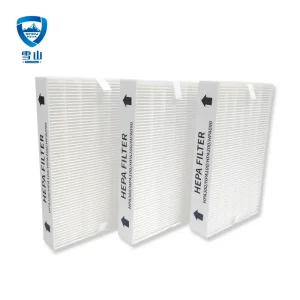
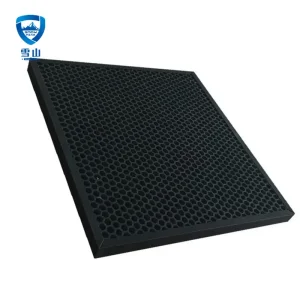
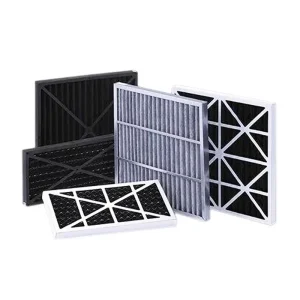
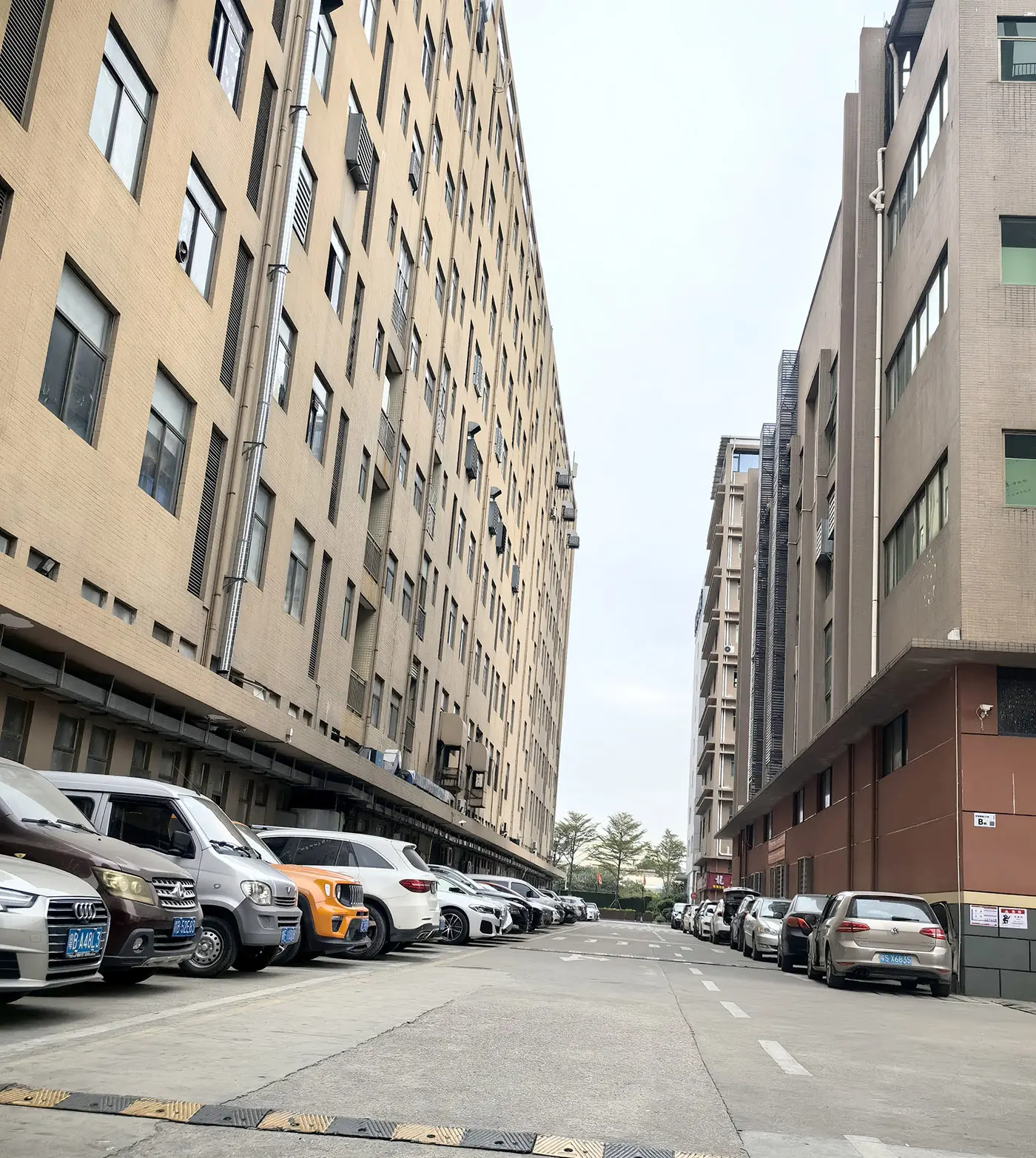
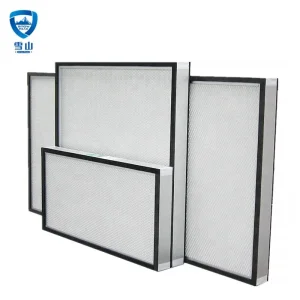
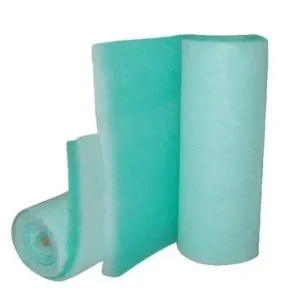
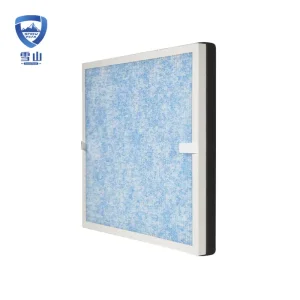
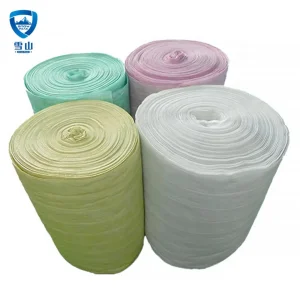
Shenzhen Snow Peak Clean Technology Co., Ltd. is an integrated high-tech enterprise, specialized in air filtration products research and development, production, sales, import and export trade. We produce and supply: Pre-filter, pocket filter, HEPA filter, chemical filter; replacement HEPA filter, car cabin air filter, humidifier filter; pocket filter media, melt-blown composite filter media, and other high-performance filter materials; provide high quality air purification solutions and products for indoor air pollution control and air conditioning systems of civil and industrial buildings, microelectronics, pharmaceutical, laboratory, school, hospital clean room etc.
Combined with self-developed patented technology, our sterilizing antiviral HEPA filter can effectively filtrate fine particles, so that PM2.5 concentration down to 10 micrograms/m3, 5 times better than national standard; effectively inhibit the breeding of microorganisms, sterilization rate up to 99.9%, and no secondary pollution, removal of H1N1 virus efficiency as high as 99.99%.
Patented Nano-Synthesis: Achieving >99.99% viral interception rates while maintaining minimal aerodynamic resistance across variable air volume (VAV) systems.
In modern precision manufacturing, biopharmaceuticals, and high-consequence containment spaces, air filtration is no longer a localized HVAC consideration. It is a critical compliance infrastructure. Globalization and regional environmental mandates (such as the European Green Deal and the EPA Clean Air Act) have catalyzed a fundamental shift toward tighter aerodynamic tolerances and certified zero-emission processes. The modern industrial landscape demands specialized HEPA media that reconcile two opposing goals: maximizing particle interception while minimizing energy consumption.
As certified CE HEPA filter material manufacturers and exporters, Shenzhen Snow Peak Clean Technology addresses this global paradigm shift. CE certification signifies more than regional compliance; it serves as a global benchmark for safety, electromagnetic capability (where applicable to housing mechanisms), and material integrity. Across Europe, North America, and the Asia-Pacific region, industrial ventilation designs now leverage advanced melt-blown fabrics, glass microfiber compositions, and electrostatically charged electret materials to meet strict EN 1822 and ISO 29463 standards.
| Classification Standard | Efficiency Class | Integral Efficiency (MPPS) | Local Efficiency (MPPS) | Primary Industrial Sector |
|---|---|---|---|---|
| EN 1822 / ISO 29463 | E11 / ISO 15 E | ≥ 95% | - | Pre-filtration, Commercial HVAC |
| EN 1822 / ISO 29463 | E12 / ISO 20 E | ≥ 99.5% | - | Food Production, Precision Logistics |
| EN 1822 / ISO 29463 | H13 / ISO 35 H | ≥ 99.95% | ≥ 99.75% | Pharmaceutical Cleanrooms, Electronics |
| EN 1822 / ISO 29463 | H14 / ISO 45 H | ≥ 99.995% | ≥ 99.975% | Semiconductor Fabs, BSL-3/4 Labs |
| EN 1822 / ISO 29463 | U15 / ISO 55 U | ≥ 99.9995% | ≥ 99.9975% | Nanotechnology, Specialized Containment |
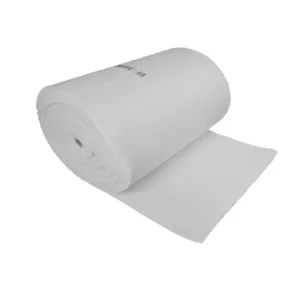
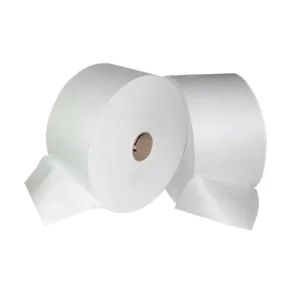
The core of modern HEPA media performance lies in the microstructural geometry of the fibers and the application of stable electrostatic fields. Historically, glass microfiber predominated, yet it presented challenges concerning pressure drop, brittleness, and disposal. Shenzhen Snow Peak has advanced the application of multi-layer polymeric composite media. These rely on high-efficiency, low-resistance melt-blown polypropylene (MB PP) treated with corona discharge technologies to embed stable electret charges.
Electret technology introduces Coulombic attraction to the mechanical filtration mechanisms (Diffusion, Interception, and Inertial Impaction). This allows the fiber matrix to capture sub-micron particulates—specifically at the Most Penetrating Particle Size (MPPS, typically between 0.1 and 0.25 microns)—without decreasing the physical pore size. By maintaining an open fiber structure, we achieve:
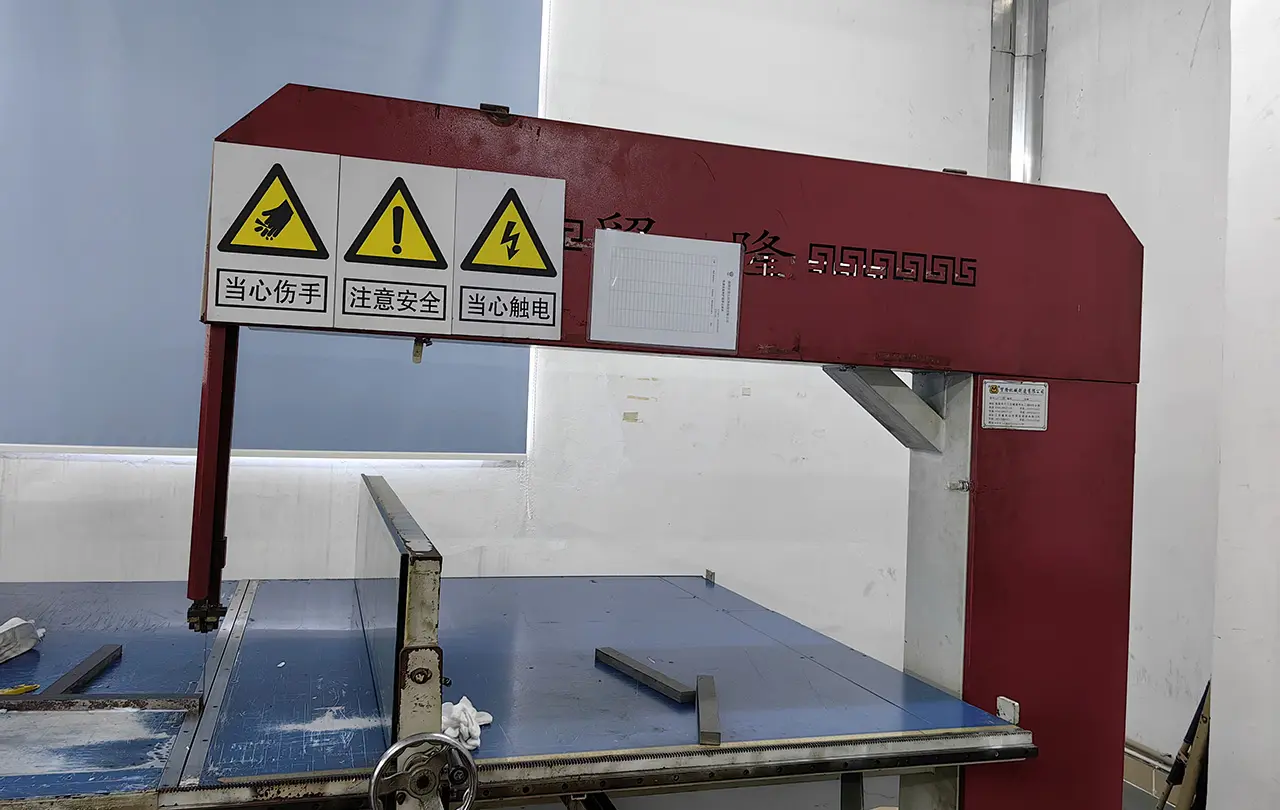
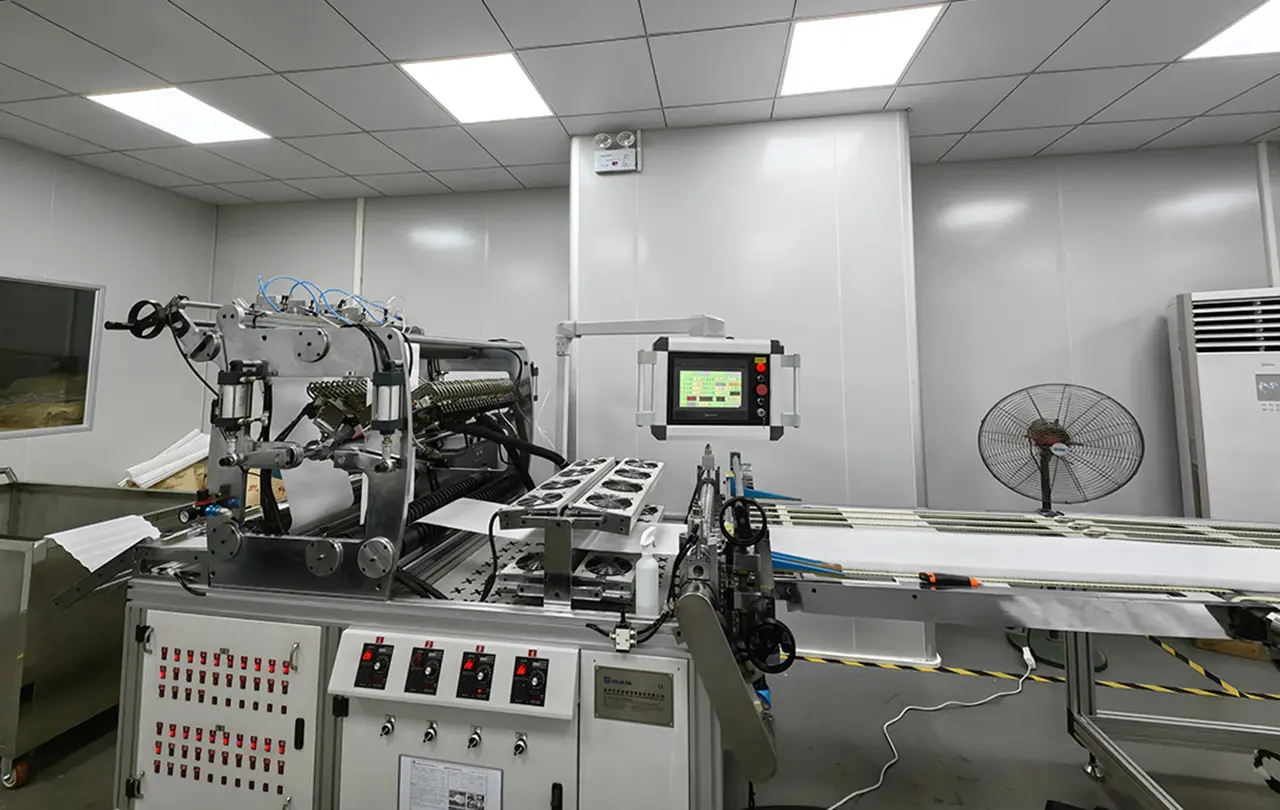
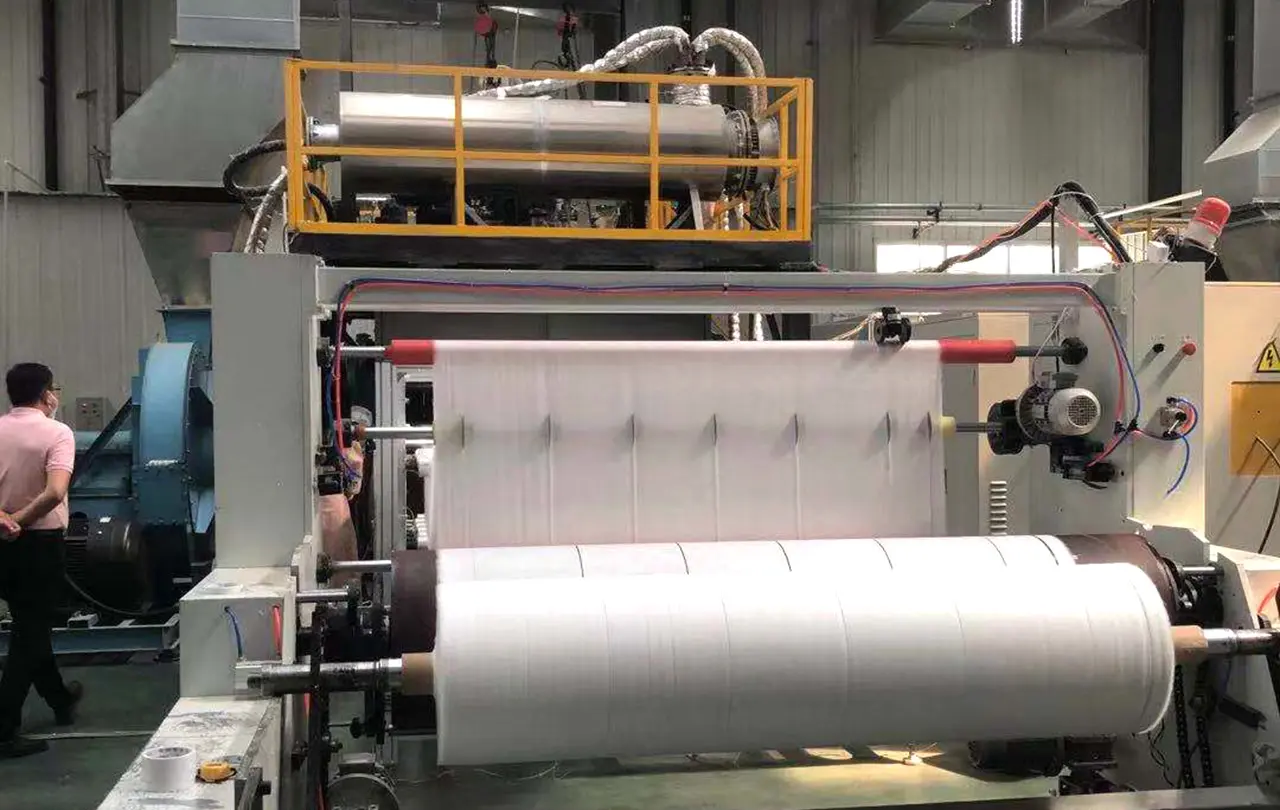
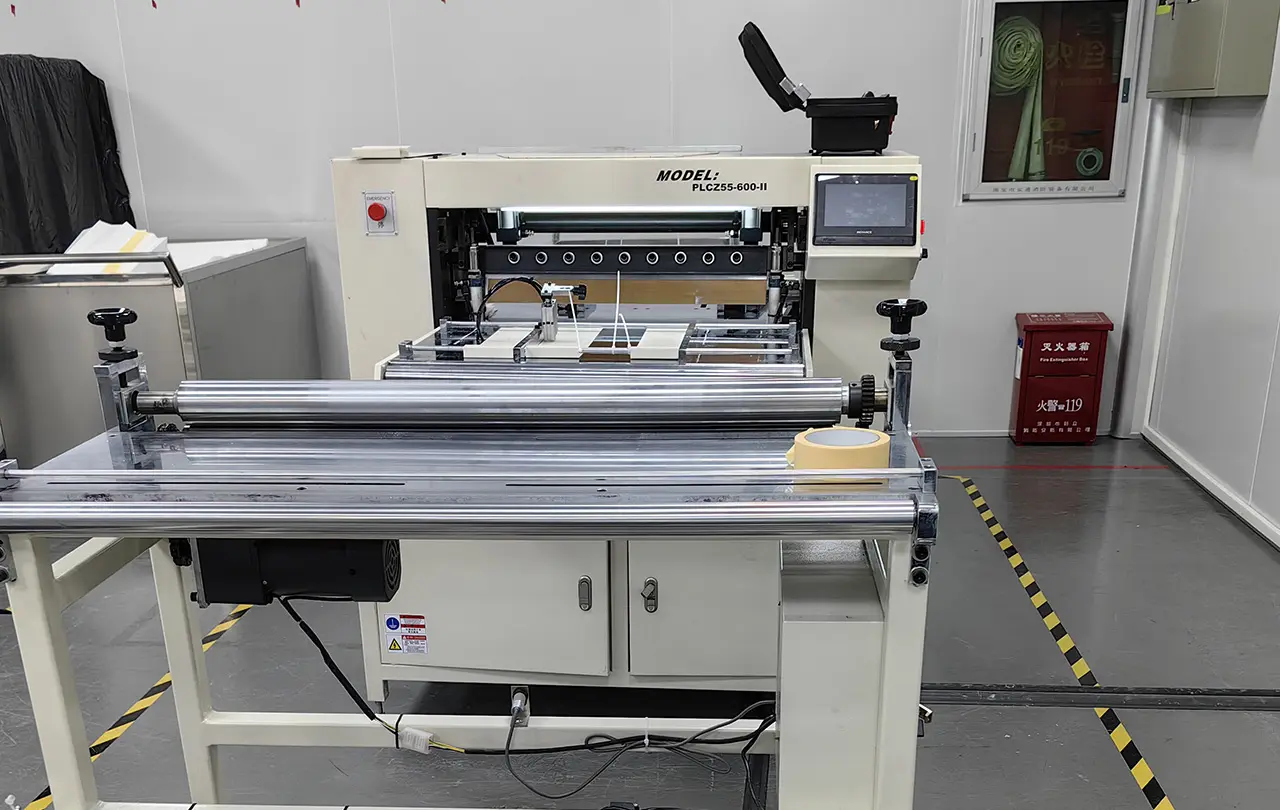
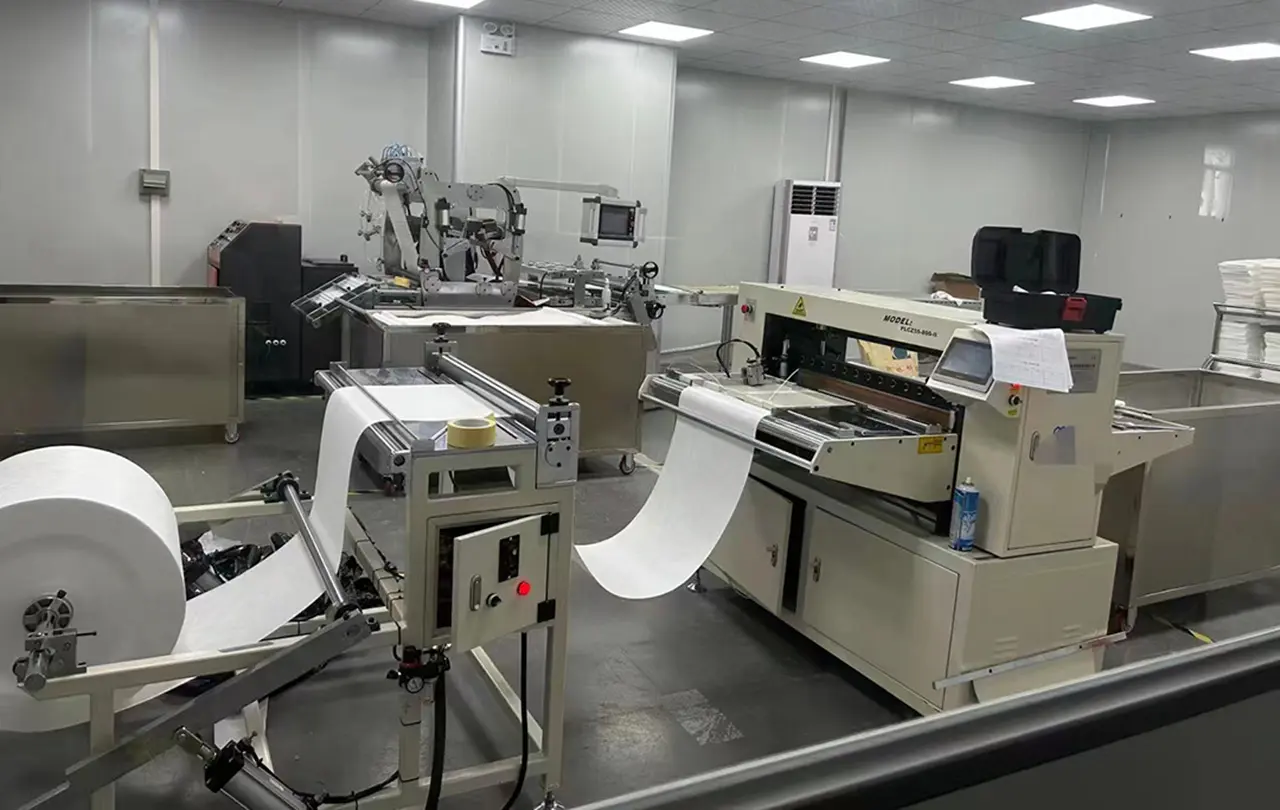
The application of HEPA-grade filter media depends heavily on the specific target industry. For instance, in microelectronics fabs, outgassing must be avoided. The presence of organic compounds, siloxanes, or trace metals can degrade silicon wafers. In this context, Shenzhen Snow Peak offers customized PTFE HEPA/ULPA materials. These maintain low boron content and resist degradation under chemical sanitization regimes.
Conversely, biopharmaceutical facilities operate under strict GMP Annex 1 revisions. Here, microbial growth on the filter media itself presents a major contamination risk. Our patented sterilizing and antiviral HEPA media integrate active metallic elements and stable polymer matrices. This structure physically captures and actively neutralizes pathogens like H1N1 without releasing chemical biocides into the cleanroom environment.
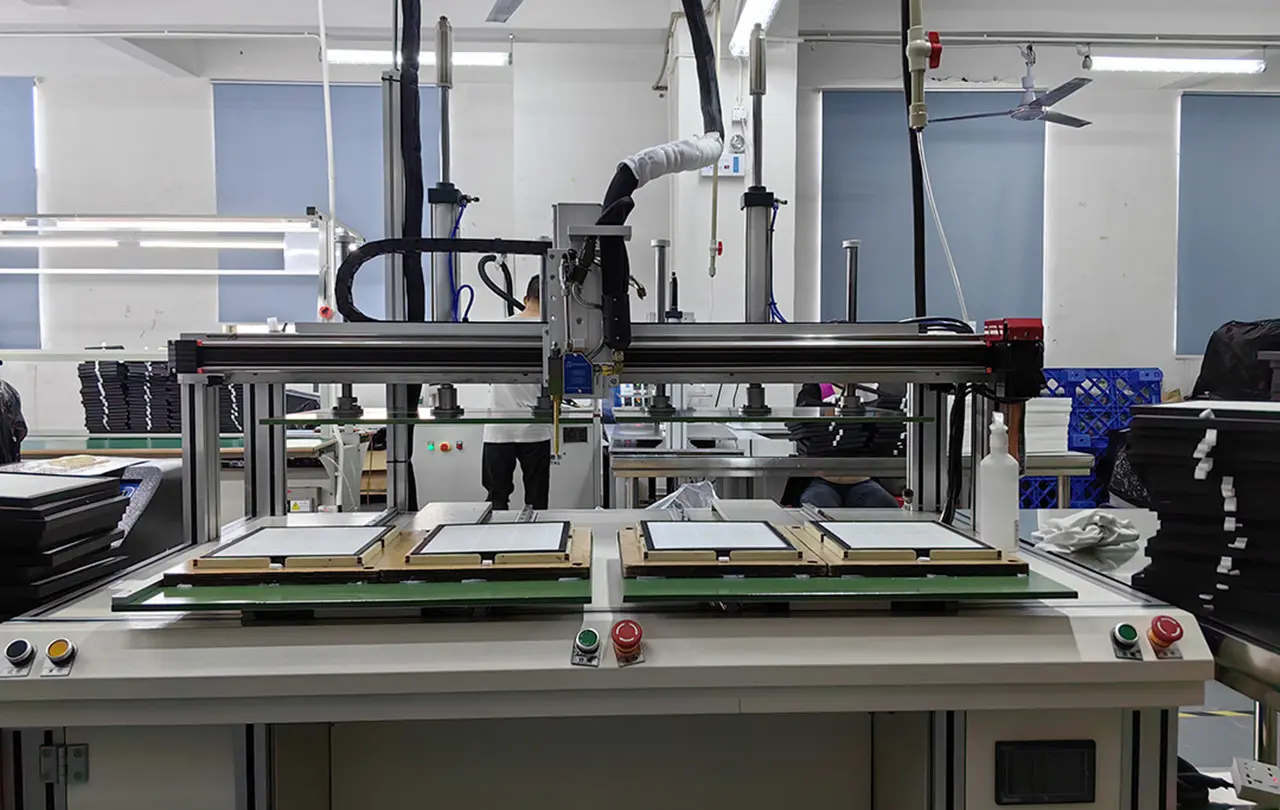
International trade requires strict compliance with regional regulations. As an established exporter, Shenzhen Snow Peak maintains robust traceability and quality verification protocols for all HEPA materials. Each manufacturing run undergoes testing on automated scan rigs using DEHS (Di-Ethyl-Hexyl-Sebacate) or DOP aerosol challenges. This ensures complete avoidance of pinhole leaks and guarantees local efficiency values align with the specifications on the CE Declaration of Conformity.
Furthermore, our export-grade HEPA media align with other regional standards, including:
As energy-efficiency targets intensify globally, the future of air filtration lies in combining synthetic structural chemistry with real-time analytics. Shenzhen Snow Peak is currently researching bio-based polymer substrates. These aim to replace traditional petroleum-derived polypropylene, reducing the carbon footprint of filter replacement cycles without compromising physical durability or particle capture efficiency.
Concurrently, we are developing smart, sensor-integrated air filtration media. These structures incorporate conductive yarns directly into the mini-pleated media during the automated folding process. This will enable real-time dust loading assessment and local pressure drop measurements, allowing HVAC management systems to schedule filter replacements based on performance metrics rather than fixed intervals.
 Snow Peak