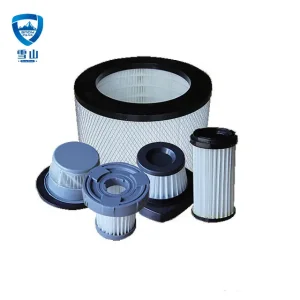
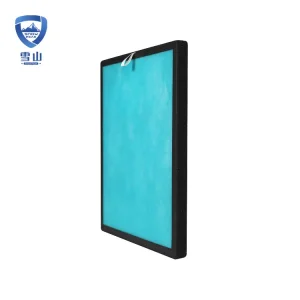
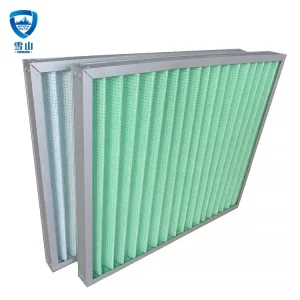
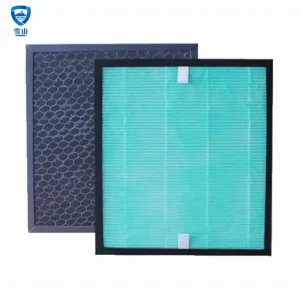
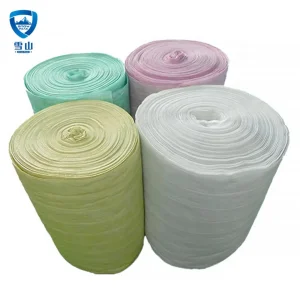
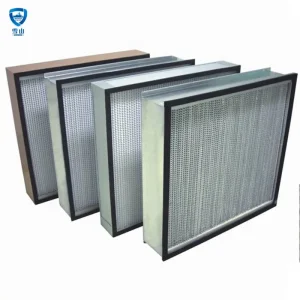
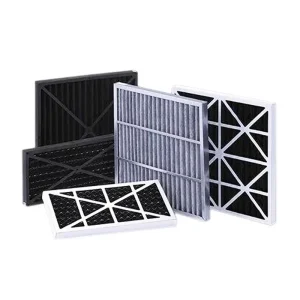
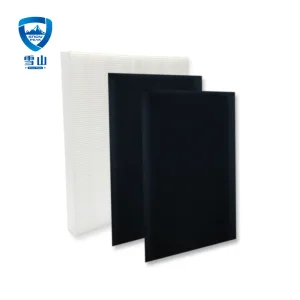
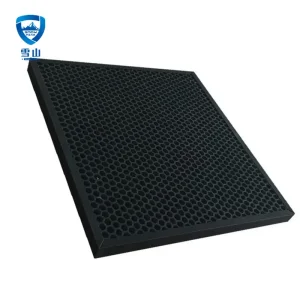
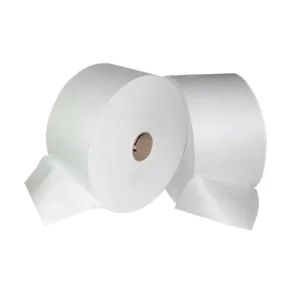
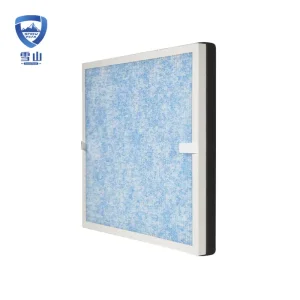
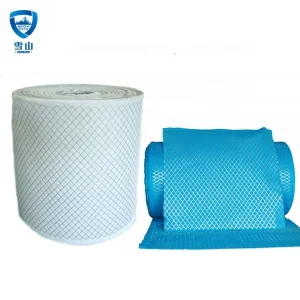
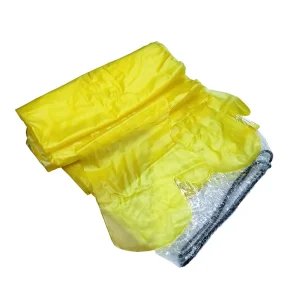
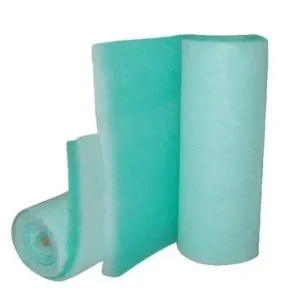
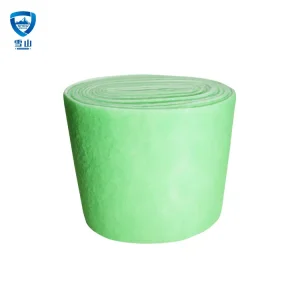
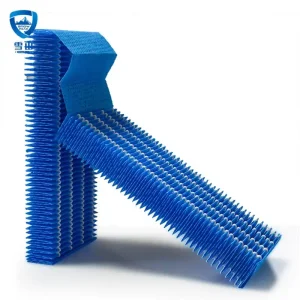
Explore our certified range of replacement HEPA filters, customized cylinders, and activated carbon configurations designed to protect micro-environments and large commercial operations alike.
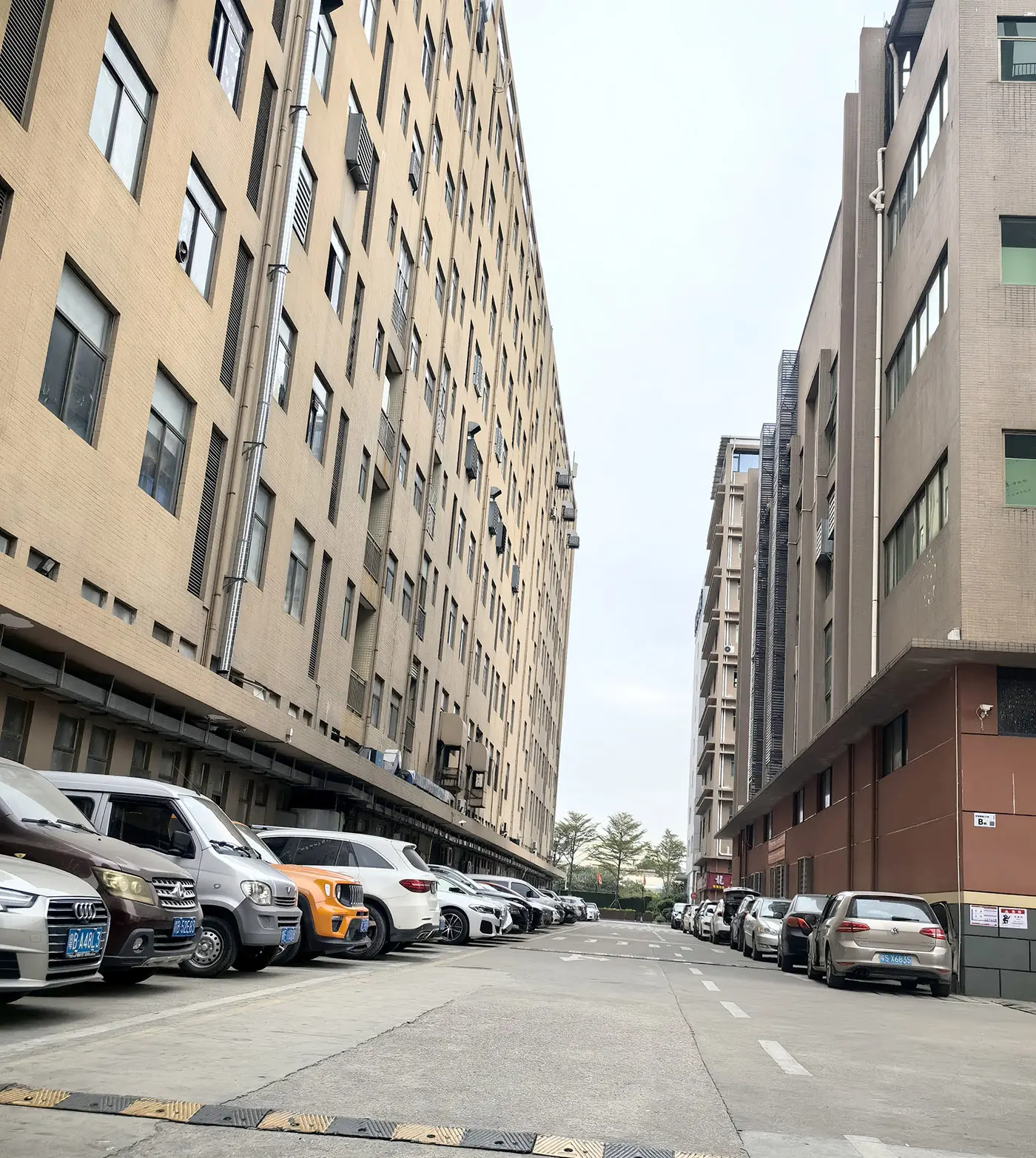
As a leading integrated high-tech enterprise, Shenzhen Snow Peak Clean Technology Co., Ltd. is specialized in air filtration products research, development, high-volume production, global sales, and import-export trade. We have established ourselves as a benchmark manufacturer, offering a comprehensive lineup of primary, secondary, and ultra-high efficiency filtration solutions: Pre-filter, pocket filter, HEPA filter, chemical filter; replacement HEPA filter, car cabin air filter, and humidifier filters.
Our core mission is to provide high-quality air purification solutions and products for indoor air pollution control, high-demand civil installations, industrial HVAC systems, microelectronics facilities, pharmaceutical plants, laboratories, schools, and hospital cleanrooms. Our self-developed patented technology—a sterilizing antiviral HEPA filter—intercepts fine particulates while actively inhibiting microbial reproduction, driving the outlet PM2.5 concentration down to 10 micrograms/m³ (5 times cleaner than standard metrics), delivering a 99.9% sterilization rate and 99.99% H1N1 virus removal efficiency without secondary contamination risks.
Deep insight into procurement requirements, performance optimization, and global regulatory compliance.
Information Gain: Today's global B2B procurement is no longer just looking at unit prices. Modern supply chains focus on Total Cost of Ownership (TCO), pressure drop optimization, molecular capacity for AMC (Airborne Molecular Contamination), and supply chain resilience.
In the wake of rapid technological acceleration, industrial requirements for air filtration have grown increasingly complex. In critical production environments, such as semiconductor lithography bays and aseptic pharmaceutical filling lines, even sub-micron particulate contamination can cause catastrophic yield losses. As a result, B2B procurement managers from Europe, North America, and Southeast Asia look for customized filtration systems that deliver high dust-holding capacity and predictable lifecycle costs.
Furthermore, carbon footprint reduction mandates have made energy efficiency a key procurement metric. By sourcing advanced low-resistance meltblown media and customized fiberglass formulations, businesses can reduce the static pressure on HVAC fans, cutting power consumption by 15% to 30%.
Maintaining ISO Class 3 to Class 5 environments with ultra-low penetration air filters (ULPA) and high-performance H14 deep-pleated glass-fiber separators.
Removing chemical gases, sour odors, and volatile organic compounds through specialized activated carbon lattices, preventing substrate contamination in wafer processing.
Ensuring all industrial and medical operations meet strict regional directives, verified by CE certification and performance testing according to EN 1822 and ISO 16890.
Custom-engineered clean-air strategies designed to align with strict vertical standards and operating parameters.
In semiconductor fabrication facilities, airborne molecular contamination (AMC) directly impacts micro-lithographic processes. Our deep-pleat fiberglass HEPA filters with aluminum separators protect cleanroom environments from particles down to 0.1 microns, while custom honeycomb activated carbon grids adsorb acid gases, bases, and organic compounds.
Compliance with GMP guidelines requires absolute microbiological control. Snow Peak's patented sterilizing antiviral HEPA filters achieve a 99.9% bacterial inhibition rate, destroying pathogens without causing secondary chemical outgassing. For hazardous exhaust air, our Bag-In-Bag-Out (BIBO) safety containment systems isolate filters during swap-outs, preventing contamination release.
Large commercial buildings, hotels, and airports require multi-stage air filtration to ensure high indoor air quality (IAQ) and low fan energy draw. We provide modular layouts using G3/G4 pleated panel pre-filters, F7/F9 pocket filters, and terminal HEPA filters, which protect systems from dust and extend the operational life of high-efficiency components.
A deep look into next-generation media chemistry, electrostatic electret charge stability, and advanced chemisorption structures.
The future of industrial air purification lies in the intersection of material science and fluid dynamics. Snow Peak's research and development focuses on optimizing the relationship between particulate capture efficiency and pressure drop. Our synthetic non-woven meltblown media is treated with corona charging technology, embedding stable electrostatic fields (electrets) within the polymer fibers. This allows the filter media to capture fine particulate matter via electrostatic attraction without relying on restrictive mechanical sieving, keeping energy consumption low.
In molecular phase filtration, we are moving beyond physical adsorption toward targeted chemisorption. Traditional activated carbon filters capture VOCs through physical Van der Waals forces, which can re-release captured gases if ambient temperatures rise. By impregnating the carbon structures with chemical reagents, we facilitate covalent bonding between targeted gaseous pollutants (such as formaldehyde, toluene, and nitrogen oxides) and the filter matrix, permanently neutralizing toxic compounds.
Developing meltblown materials that resist humidity-induced charge dissipation, ensuring long-term particulate capture efficiency in wet conditions.
Combining honeycomb carbon structures with metal-organic frameworks (MOFs) to target airborne gases at room temperature without energy consumption.
Developing PLA-based biodegradable fibers that deliver high filtration efficiency, reducing waste from periodic element replacements.
A look inside Snow Peak's 15-year background in international purification, showcasing our automated cleanroom filter production line.
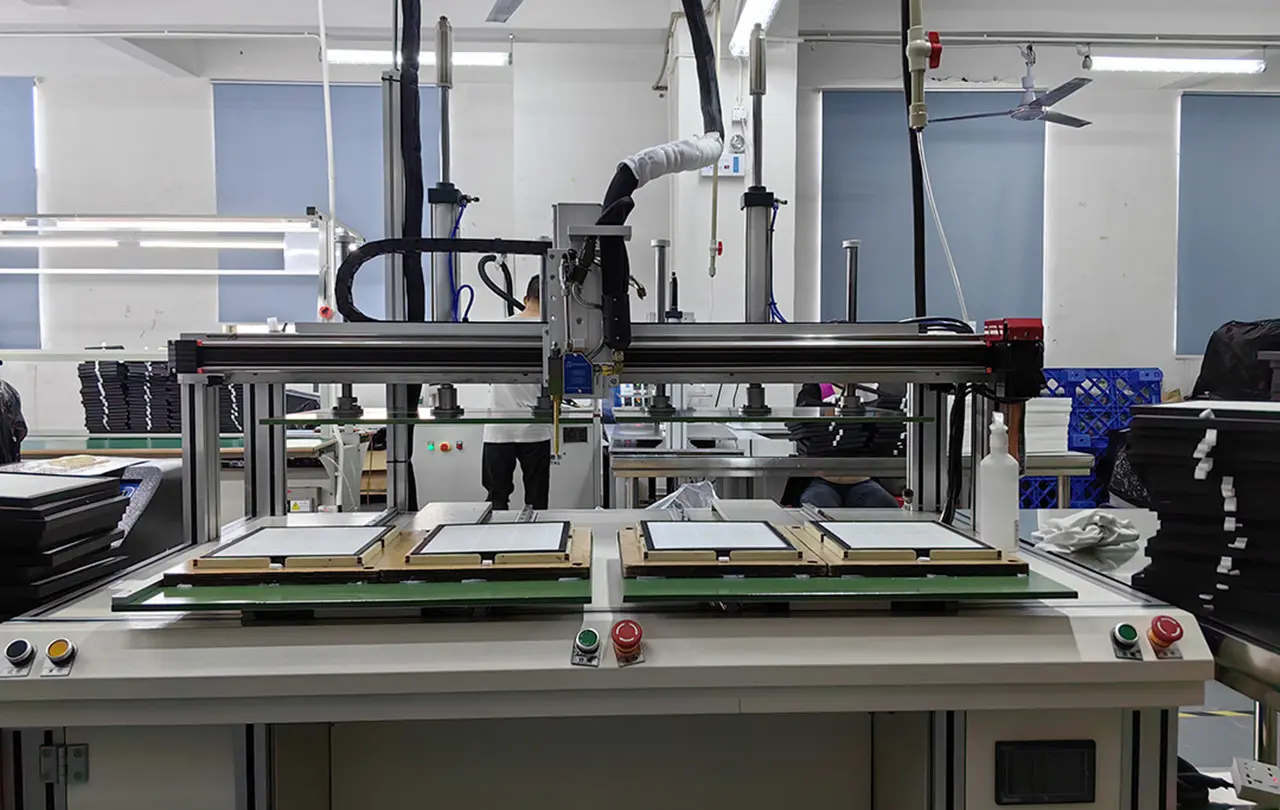
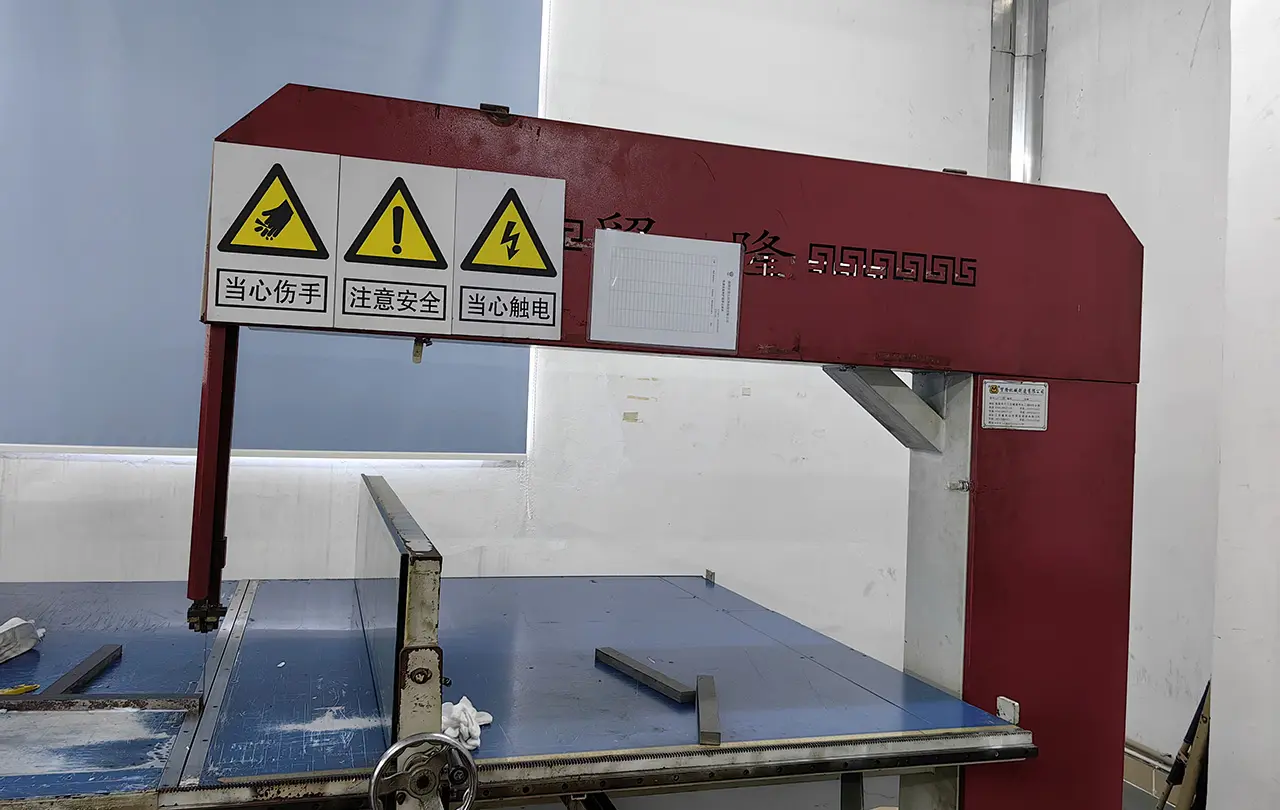
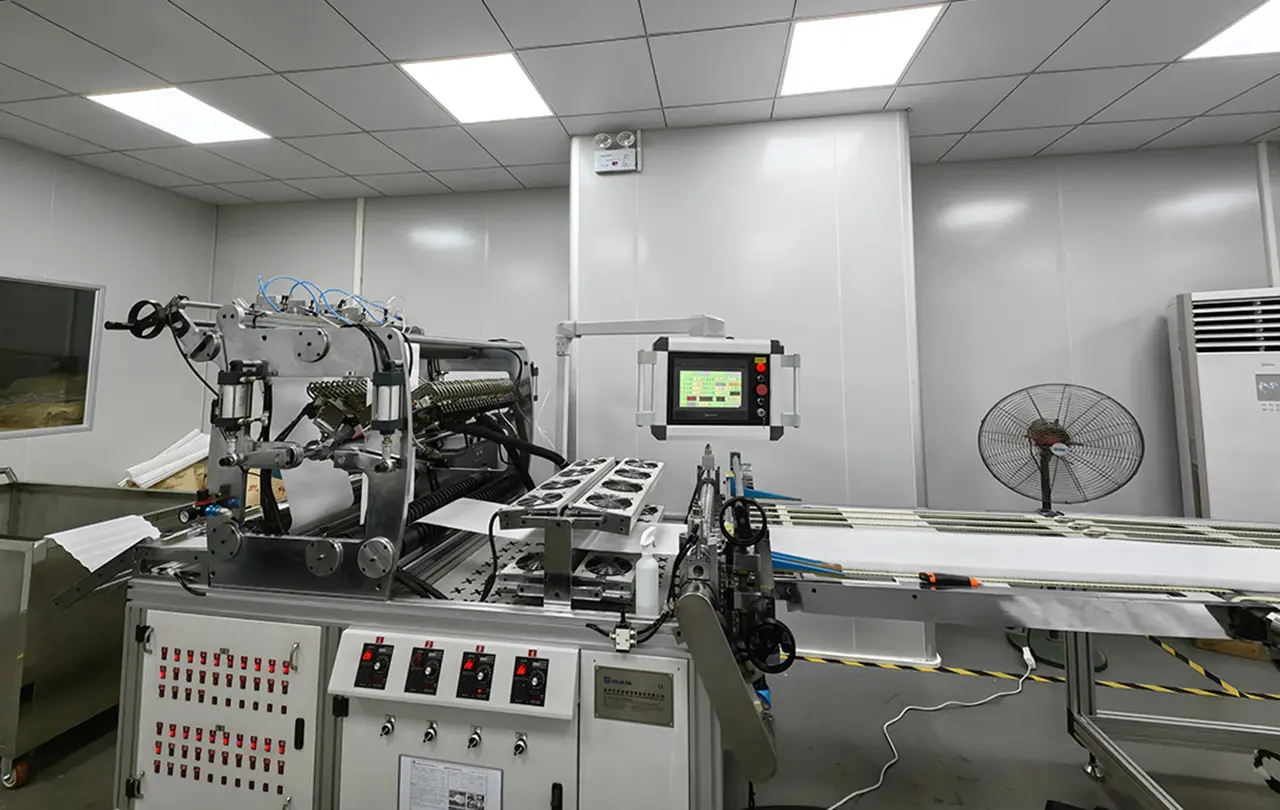
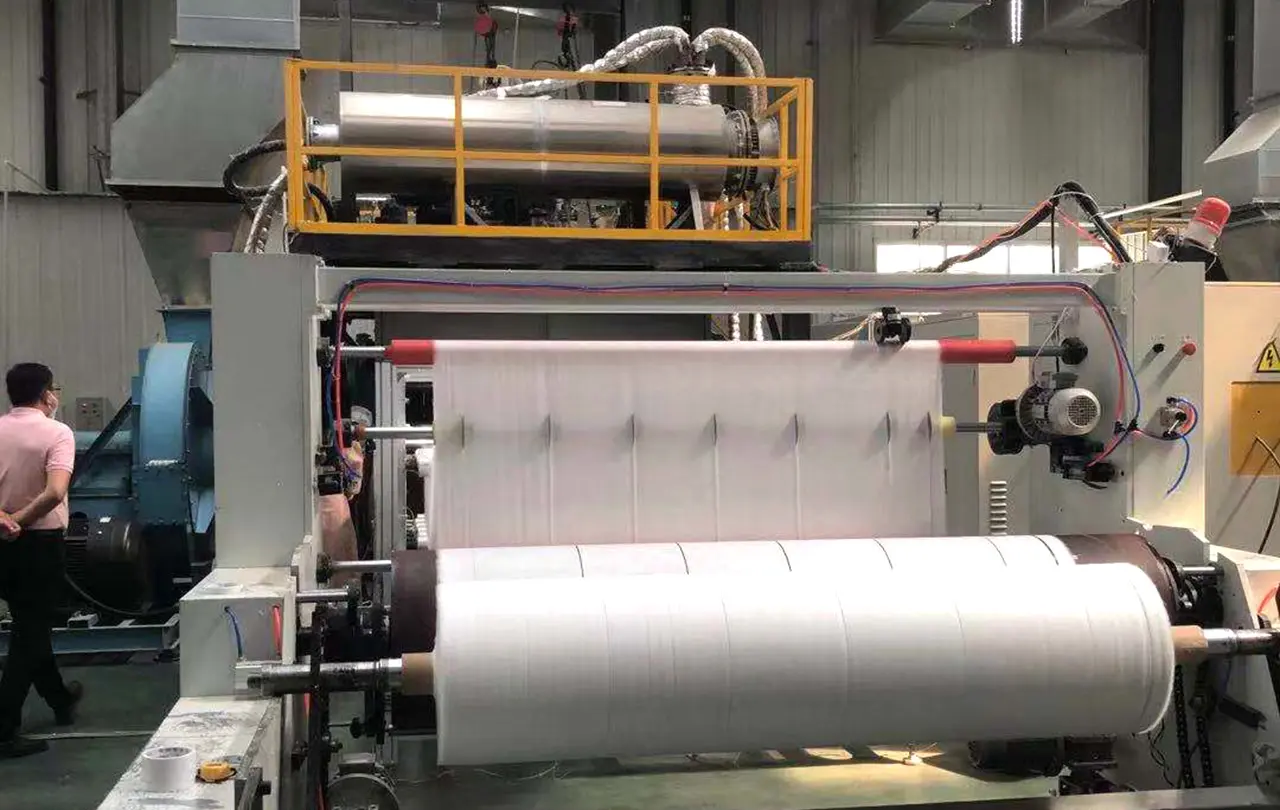
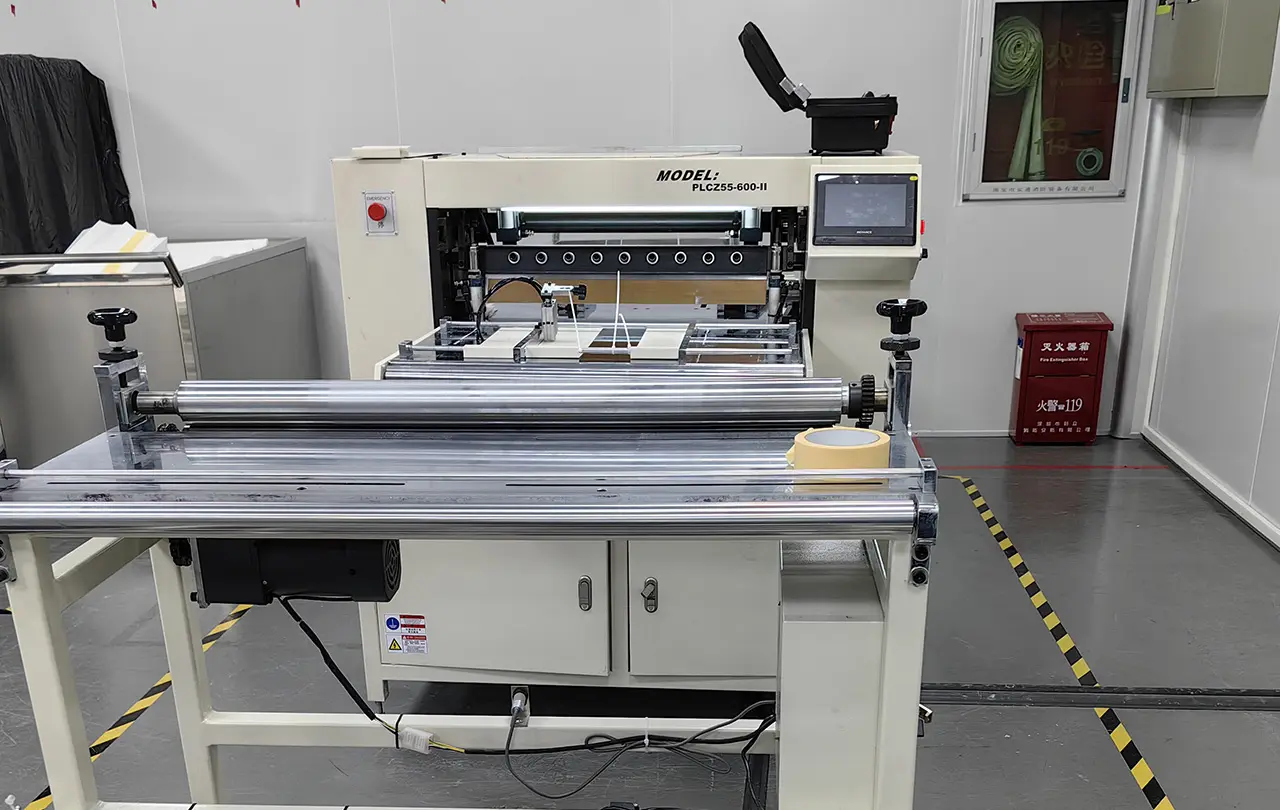
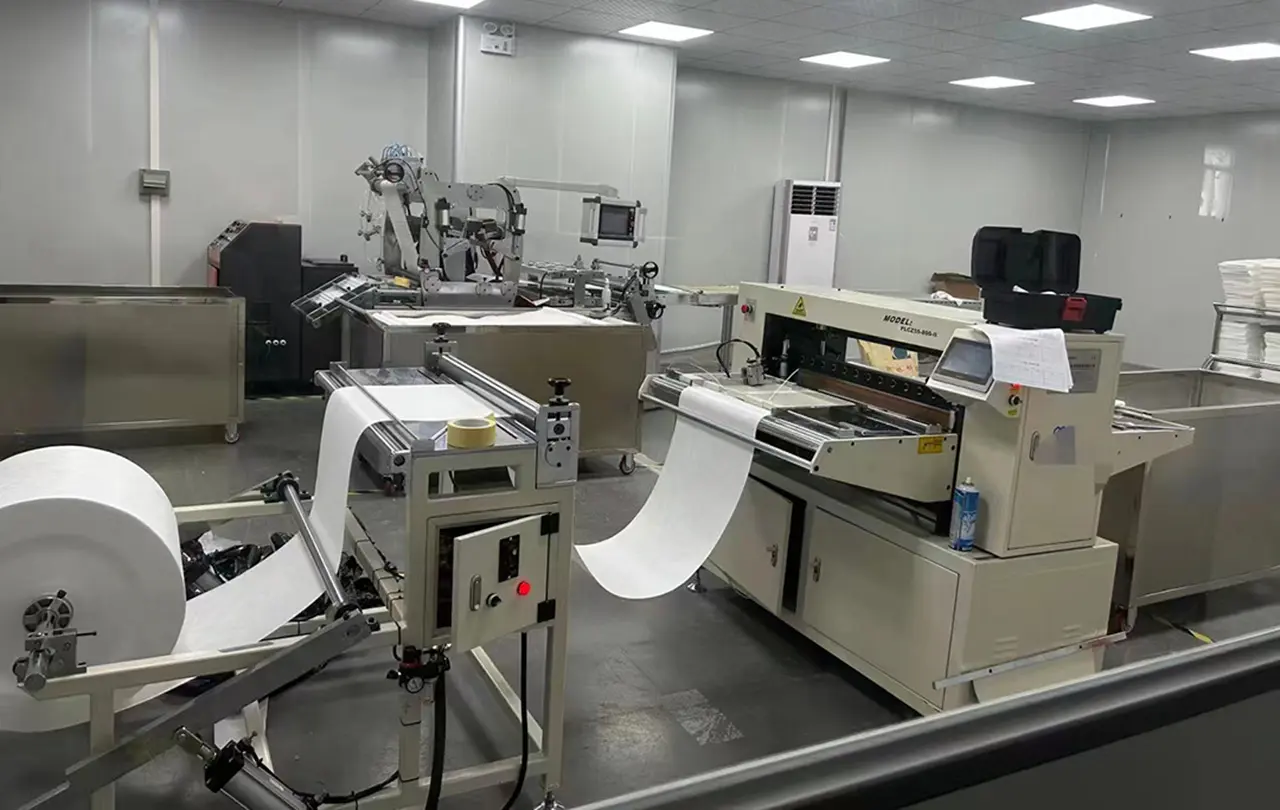
How we ensure our products meet international performance and safety standards.
Exporting high-efficiency filtration products requires strict adherence to international regulatory frameworks. To support our global clients, Shenzhen Snow Peak Clean Technology Co., Ltd. conducts comprehensive testing and maintains compliance with key international standards:
By offering certified solutions (such as CE-compliant cylindrical replacement elements and Bag-In-Bag-Out system components), we simplify local inspection approvals and system commissioning for engineering firms in Europe, Asia, and the Americas.
We also provide localization support in the form of custom dimensions, material sheets, CAD blueprints, and pressure drop charts. This ensures our elements integrate cleanly into existing air handling units (AHUs), clean benches, dust extraction booths, and commercial ventilation networks without requiring field modifications.
Answers to common technical questions from B2B engineers and procurement leads.
Explore our industrial roll media, primary pre-filter rolls, humidifier pads, and specialized cleanroom containment bags.
 Snow Peak