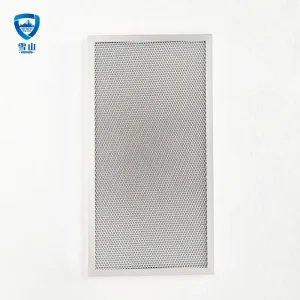
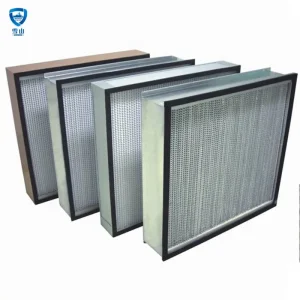
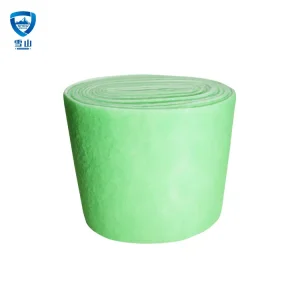
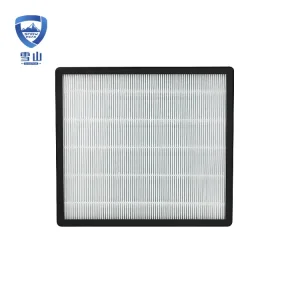
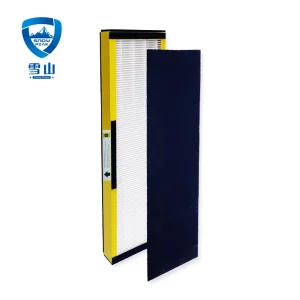
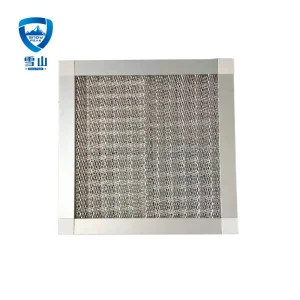
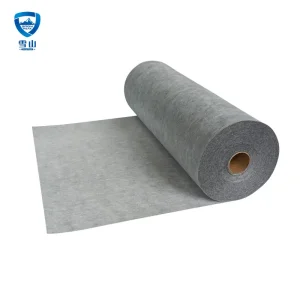
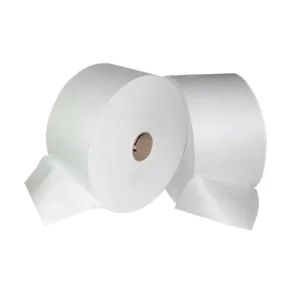
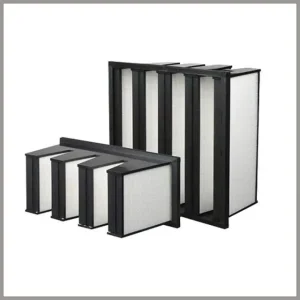
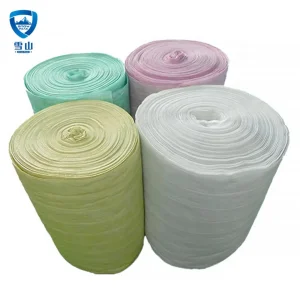
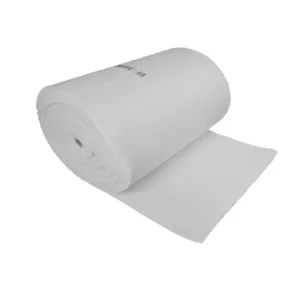
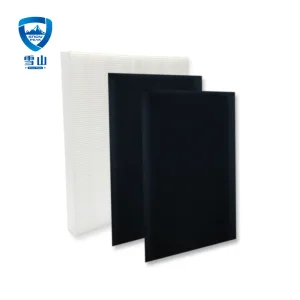
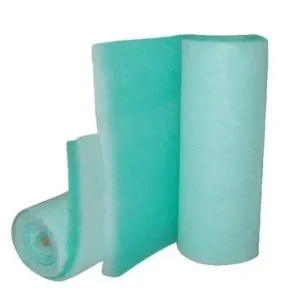
Explore our top-tier industrial filters engineered with precision glass microfiber and advanced media designs for maximum containment capture.
Establishing global benchmarks in air purification technology, backed by 15 years of rigorous manufacturing pedigree and integrated R&D excellence.
Shenzhen Snow Peak Clean Technology Co., Ltd. is an integrated high-tech enterprise, specialized in air filtration products research and development, production, sales, import and export trade. We produce and supply: Pre-filter, pocket filter, HEPA filter, chemical filter; replacement HEPA filter, car cabin air filter, humidifier filter; pocket filter media, melt-blown composite filter media, and other high-performance filter materials; provide high quality air purification solutions and products for indoor air pollution control and air conditioning systems of civil and industrial buildings, microelectronics, pharmaceutical, laboratory, school, hospital clean room etc. Combined with self-developed patented technology, our sterilizing antiviral HEPA filter can effectively filtrate fine particles, so that PM2.5 concentration down to 10 micrograms/m3, 5 times better than national standard; effectively inhibit the breeding of microorganisms, sterilization rate up to 99.9%, and no secondary pollution, removal of H1N1 virus efficiency as high as 99.99%.
An authoritative analysis of glass microfiber composition, mechanical capture methodologies, and performance metrics in challenging cleanroom applications.
High-Efficiency Particulate Air (HEPA) filters constructed from fiberglass media leverage a dense web of randomly oriented borosilicate glass microfibers. Unlike synthetic polymer media (such as melt-blown polypropylene), which often relies heavily on electrostatic charge (electret effect) to capture sub-micron particles, fiberglass operates almost exclusively via stable mechanical mechanisms. Electrostatic charges in synthetic media tend to dissipate over time due to exposure to humidity, chemical fumes, and heavy particulate loading, leading to a catastrophic decline in operational filtration efficiency. Fiberglass, by contrast, maintains constant efficiency throughout its life cycle, relying on four fundamental capture processes:
The crossover point where diffusion and interception are at their weakest is known as the Most Penetrating Particle Size (MPPS), typically occurring around 0.12 to 0.25 microns. HEPA efficiency rating protocols (such as EN 1822) are determined at this specific MPPS, ensuring that the filter meets its guaranteed minimum efficiency (e.g., 99.97% for H13, 99.995% for H14) at the hardest particle size to capture.
When engineering high-spec cleanroom facilities or localized containment units (such as Bag-in-Bag-out nuclear filtration or aseptic pharmaceutical filling lines), selection of the filter media substrate dictates the long-term operational costs and safety margins of the facility. The table below outlines the core properties of the three dominant materials used today.
| Performance Metric | Borosilicate Glass Microfiber | Electret Synthetic (Meltblown) | Membrane PTFE (Polytetrafluoroethylene) |
|---|---|---|---|
| Primary Capture Mechanism | Mechanical (Stable over time) | Electrostatic + Mechanical (Unstable) | Surface Membrane Sieving (Mechanical) |
| Initial Resistance / Pressure Drop | Moderate (250 Pa at nominal flow) | Low (120 Pa at nominal flow) | Extremely Low (100 Pa at nominal flow) |
| Dust Holding Capacity (DHC) | High (Deep three-dimensional structure) | Low (Surface blinding after charge loss) | Very Low (Thin membrane surface loading) |
| Chemical Resistance | Excellent (Resistant to acids & hydrocarbons) | Moderate (Degrades in organic solvents) | Outstanding (Inert to almost all agents) |
| Structural Rigidity / Pleating | High (Requires separators or hot-melt) | Low (Prone to collapse without support) | Excellent (Extremely tough thin membrane) |
| Outgassing Characteristics | Zero (Ultra-clean mineral binder available) | Low-to-Medium (Polymer residues) | Zero (Semiconductor grade) |
The global demand for HEPA fiberglass filters is surging, driven by the expansion of localized fabrication plants (semiconductors), massive pharmaceutical investments, and stringent environmental regulations targeting PM2.5 in commercial metropolitan infrastructure. Fiberglass remains the foundation for standard industrial air handling units (AHUs) because of its exceptional structural stability under variable air volumes (VAV). When high humidity or pressure surges occur within a ventilation duct, synthetic fibers can compress, shifting the pore size and releasing captured contaminants downstream. Microglass fibers, because of their rigid cross-linked mineral matrix, maintain physical geometry under extreme pressure differentials up to 500-1000 Pa, serving as a reliable biological barrier in hospitals, laboratories, and biosafety labs.
Our facility boasts standardized production workshops, cleanroom filter assembly lines, AMADA CNC fabrication, and fully automated media pleating machinery.
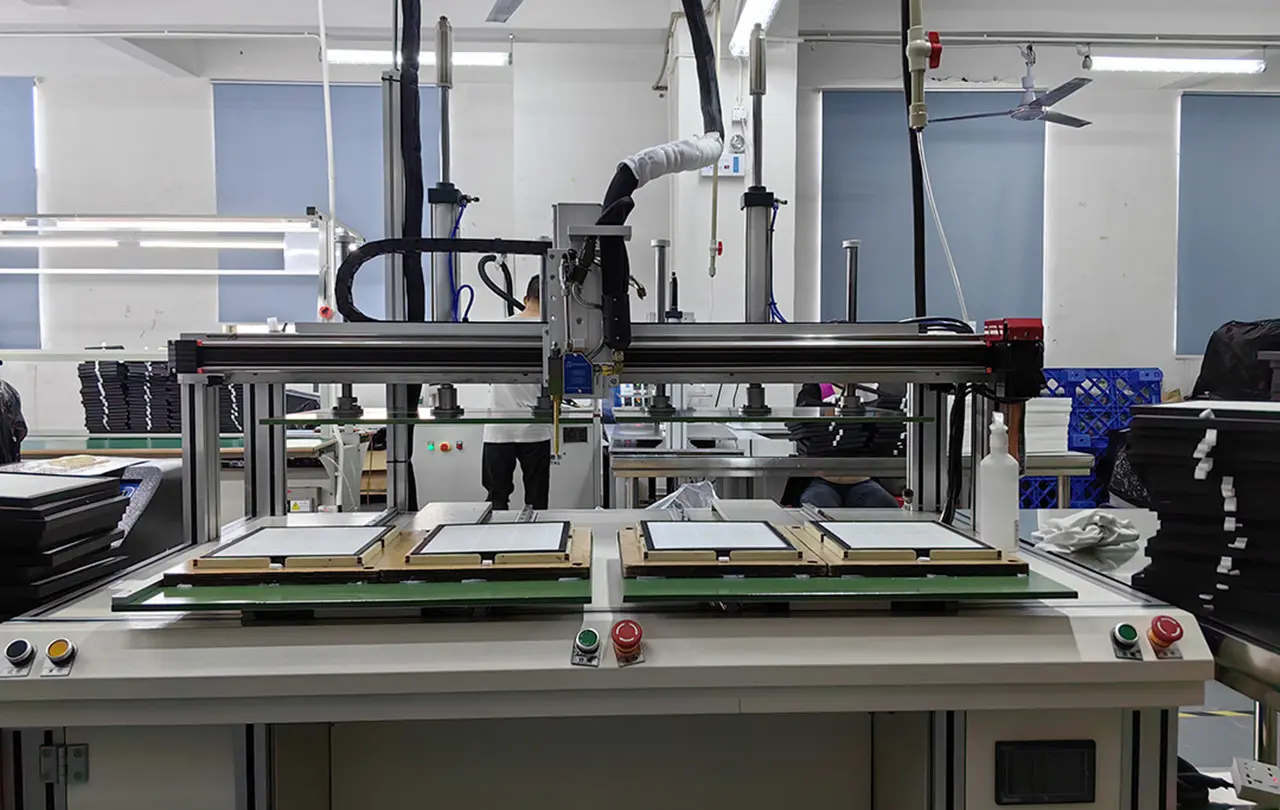
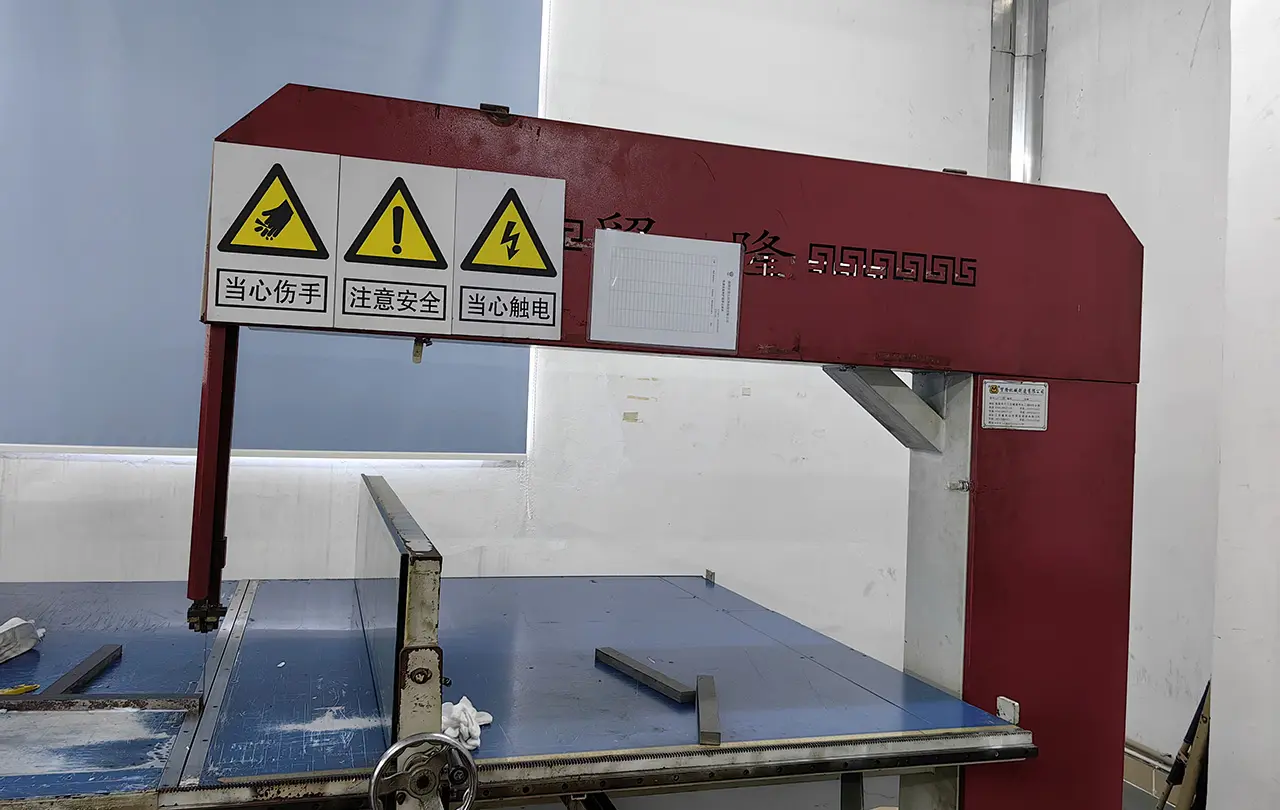
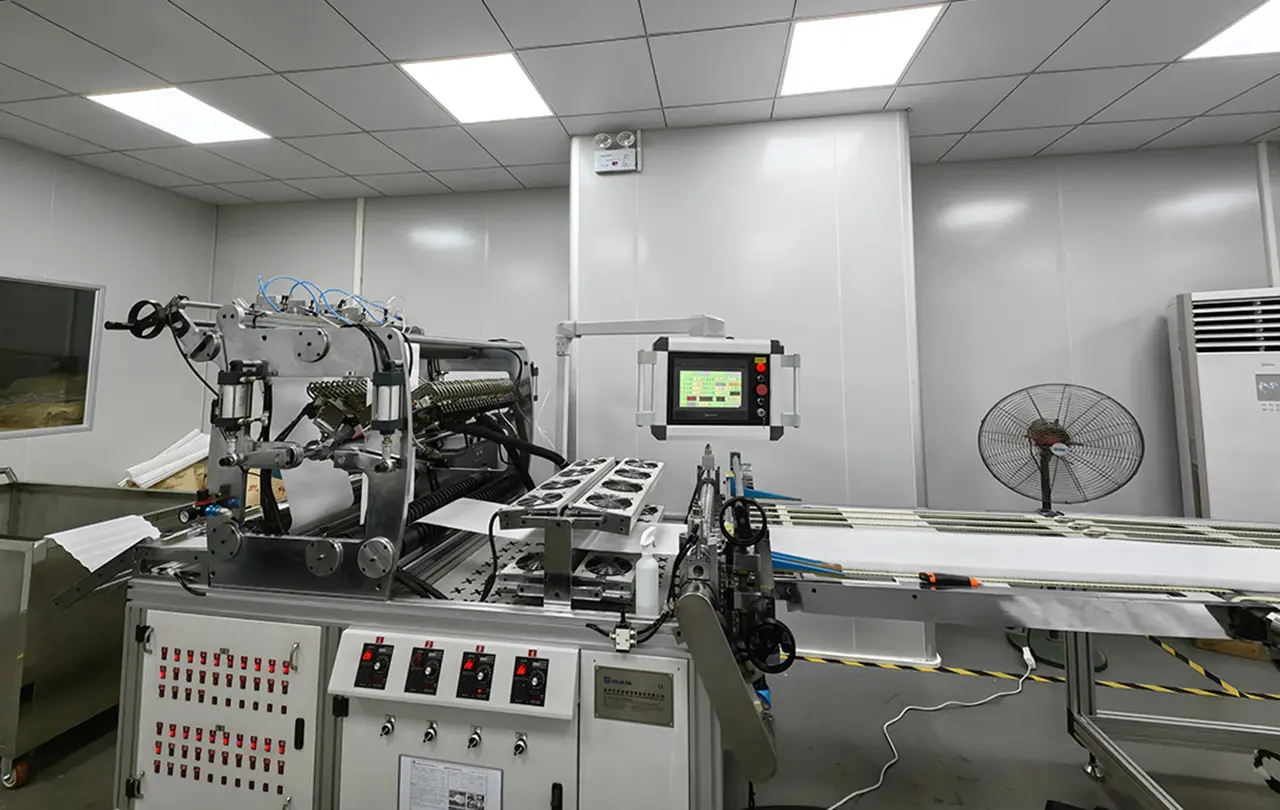
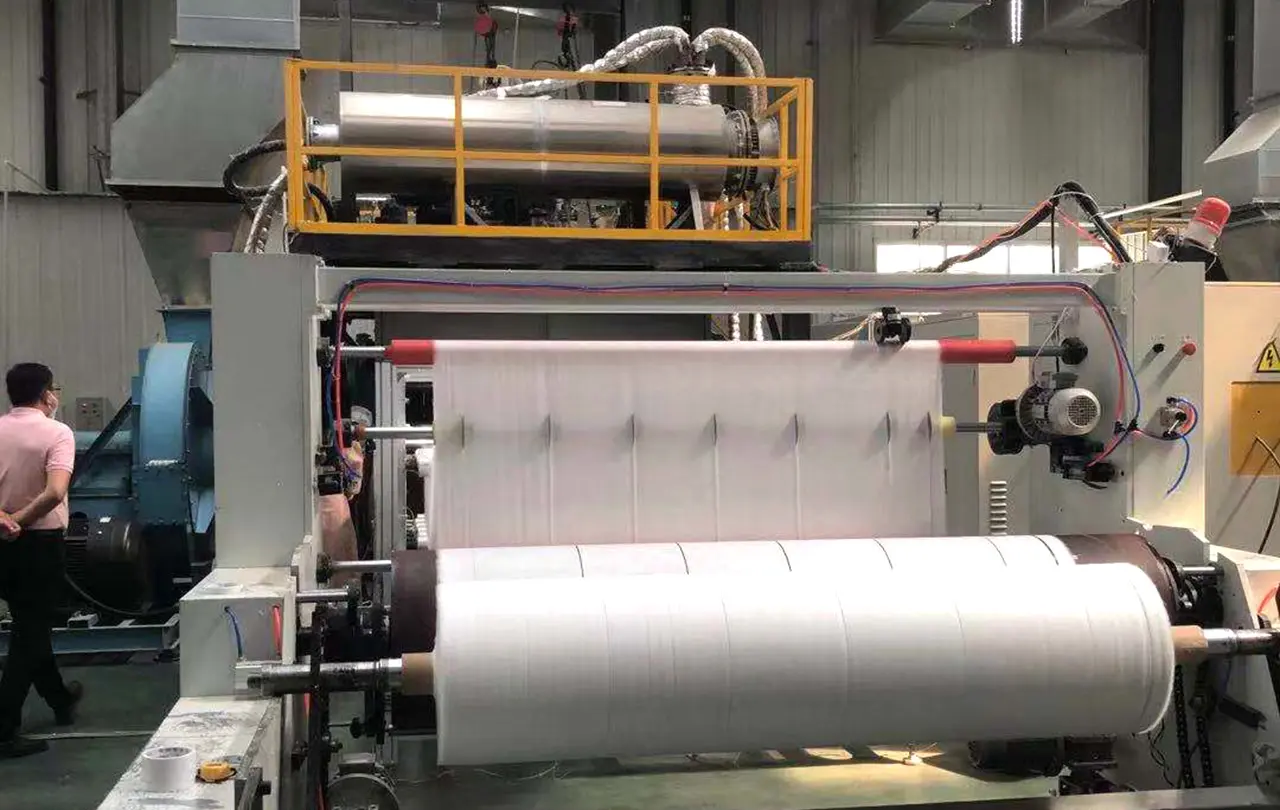
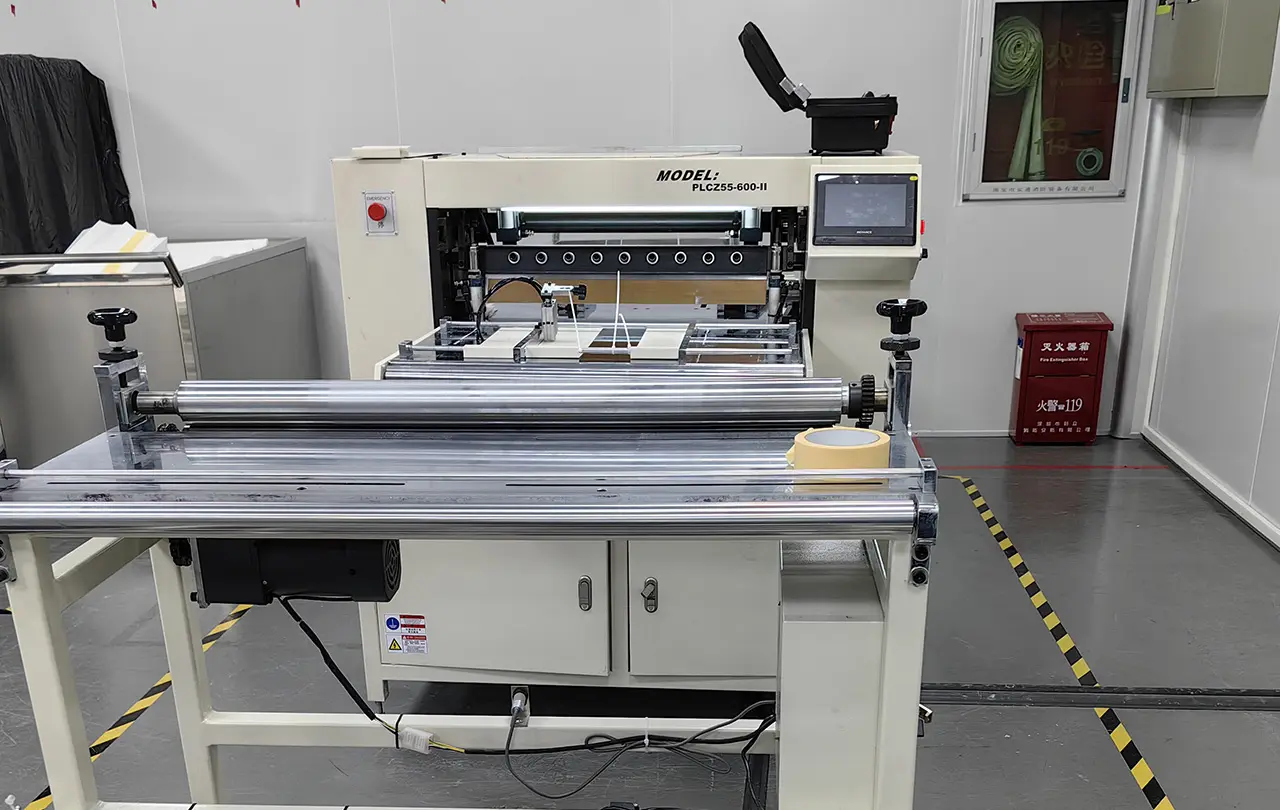
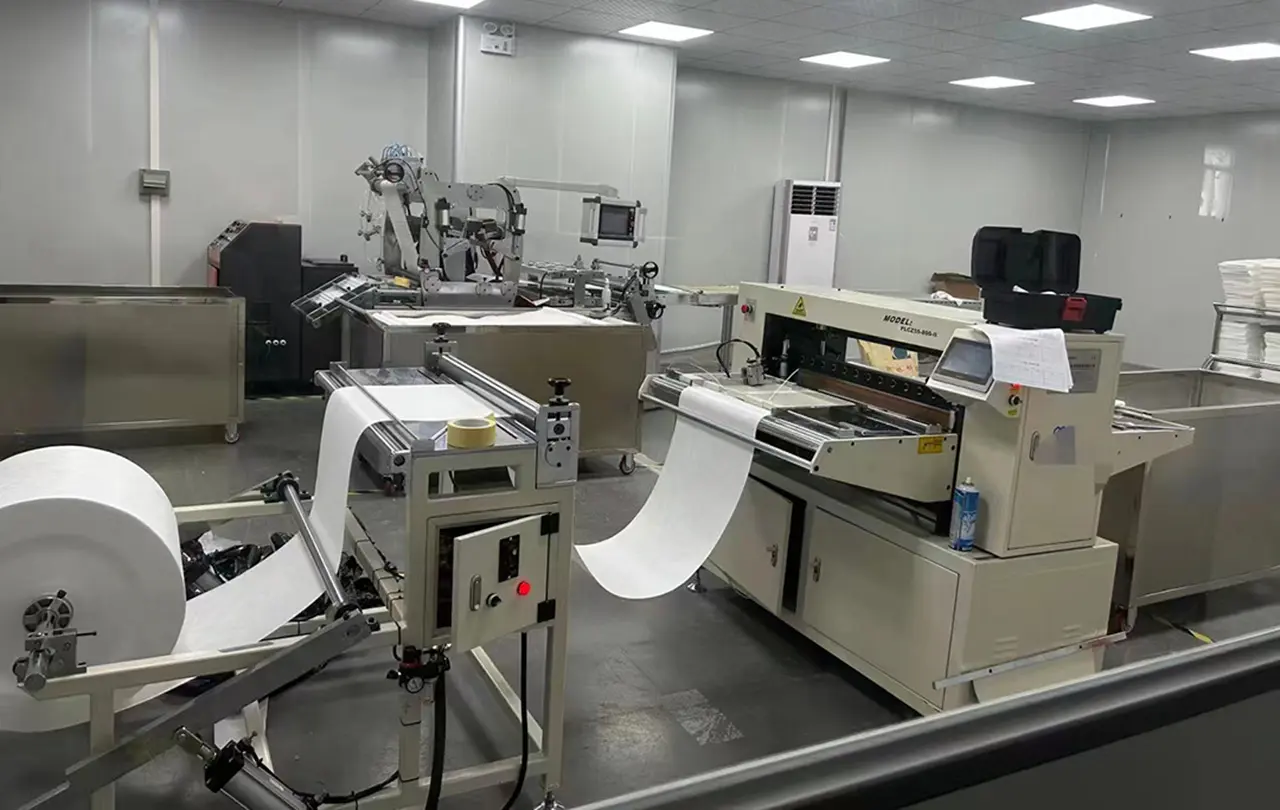
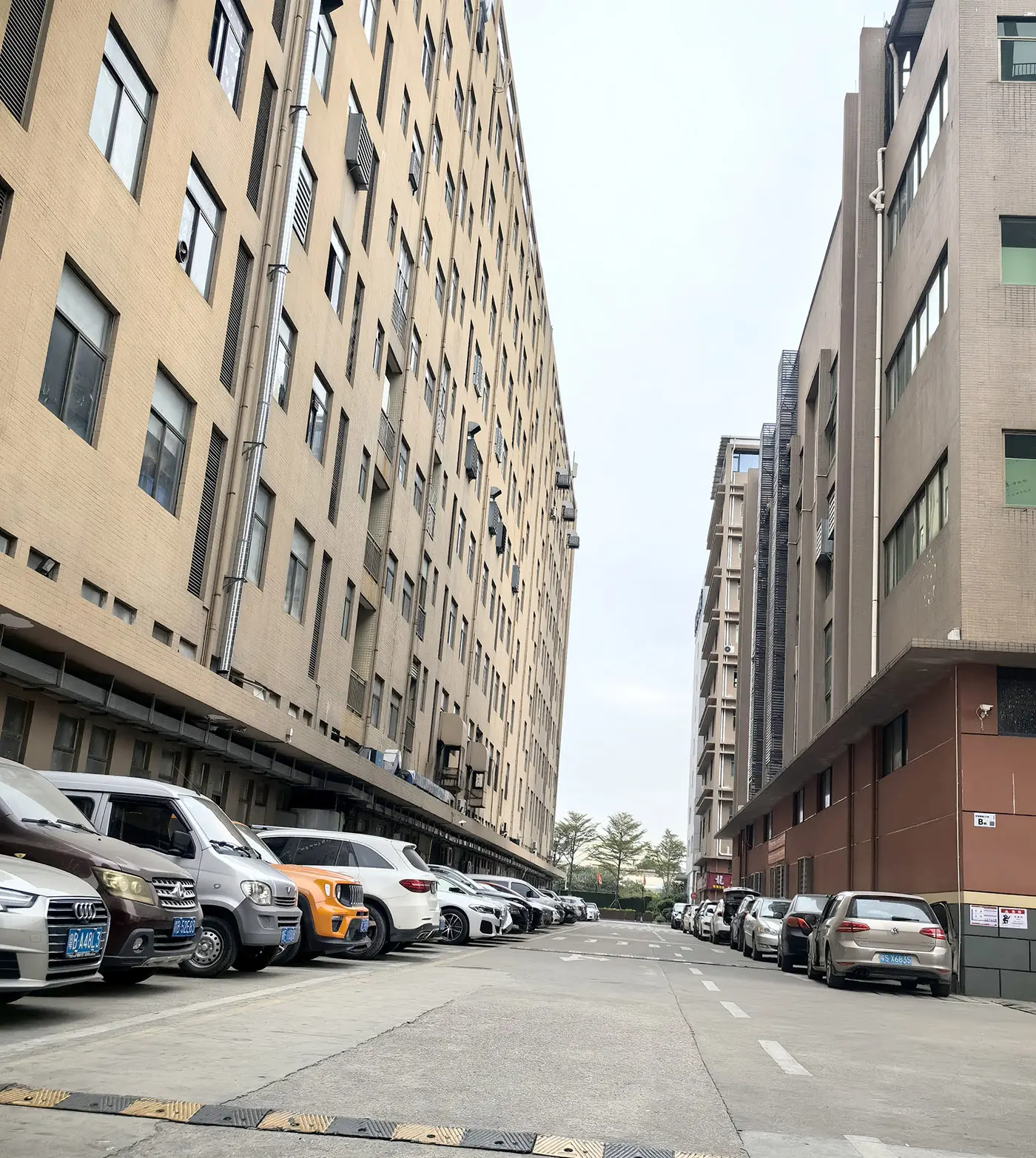
Having 15 years of international air purification technology experience as the background, our company has standardized production workshop, dust-free filter workshop and first-class technology of HEPA filters production line and inspection line, independent research and development of fully automatic air filter production line, equipped with AMADA CNC punch and CNC bending machine as well as many other advanced high-end equipment, provide a strong guarantee for production and quality of air filtration and purification products.
Operating a high-efficiency manufacturing plant in China requires rigorous alignment with global compliance standards. At Shenzhen Snow Peak Clean Technology Co., Ltd., our entire range of H13, H14, and U15 filters is subjected to individual downstream scan testing (oil thread or aerosol challenge using DEHS/DOP). This quality control complies with international standards EN 1822-4 and ISO 29463. Our localized technical team provides comprehensive validation documentation, including cleanroom certification reports, material outgassing datasheets for microelectronics manufacturers, and sterilization cycle compatibility verification for pharmaceutical cleanrooms (e.g., resistance to vaporized hydrogen peroxide or VHP).
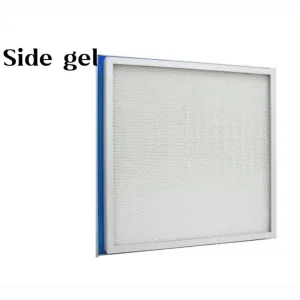
By establishing localized warehouses and engineering consultation centers in major export markets, we ensure rapid responses to custom size and frame configuration requests (such as gel-seal, knife-edge, or heavy-duty V-bank configurations). This localized support removes the supply-chain uncertainty typically associated with international sourcing, combining cost-effective Chinese manufacturing with localized service and custom engineering.
Our microglass HEPA configurations are designed to meet the exact environmental demands of specific cleanrooms and containment systems:
The next frontier in microglass media centers on reducing the initial resistance of the media without sacrificing physical durability. Our R&D department is actively testing hybrid media structures that combine a thin, highly structured membrane pre-layer with a microglass core. This approach reduces overall pressure drop by up to 20%, translating directly into lower energy consumption for large-scale industrial fan filter units (FFUs).
Additionally, we are pioneering organic, biodegradable binders to replace traditional thermosetting acrylic resins. This technological development aligns with global circular economy goals, allowing for easier recycling of used fiberglass filters and lowering the carbon footprint of high-tech manufacturing plants.
Expert responses to critical engineering queries regarding filter specification, longevity, and quality standards.
Discover our comprehensive collection of media rolls, replacement elements, and specialty containment filters designed to optimize process air quality.
 Snow Peak