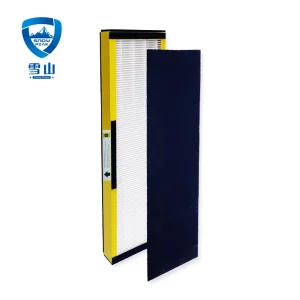
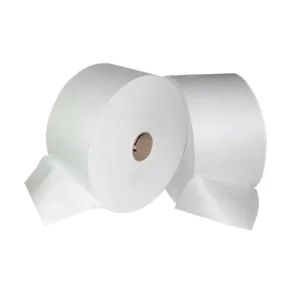
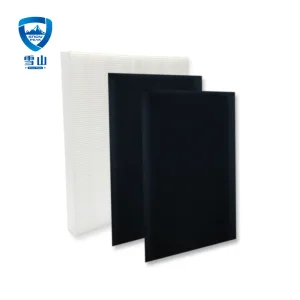
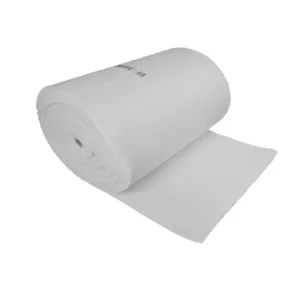
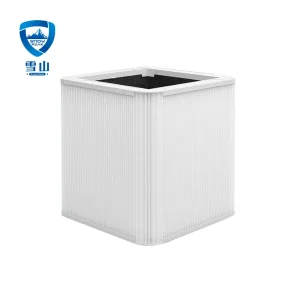
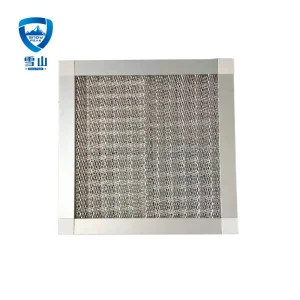
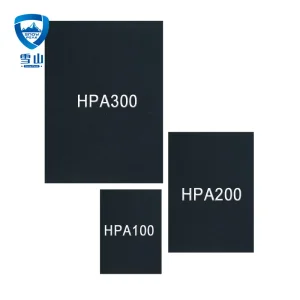
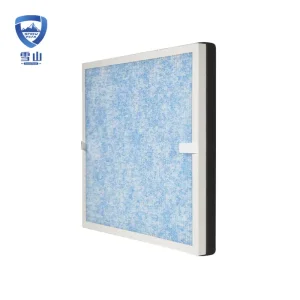
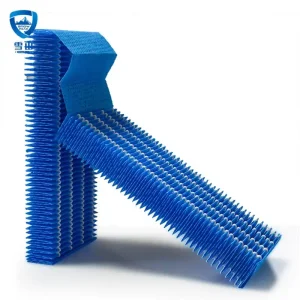
Modern air purification demands a dual-action mechanism to target both particulate matters and gaseous molecular contaminants. As clean air guidelines evolve globally under stricter ISO standards, the combination of High-Efficiency Particulate Air (HEPA) filters and activated charcoal (adsorption media) represents the zenith of hybrid filtration. By incorporating physical particle entrapment with chemical adsorption, these hybrid configurations safeguard industrial operations, healthcare installations, and public infrastructure against high-risk contamination events.

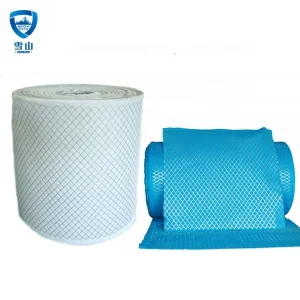
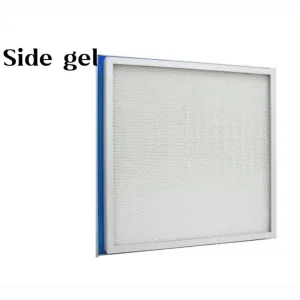
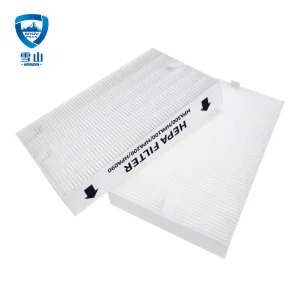
Shenzhen Snow Peak Clean Technology Co., Ltd. is an integrated high-tech enterprise, specialized in air filtration products research and development, production, sales, import and export trade. We produce and supply: Pre-filter, pocket filter, HEPA filter, chemical filter; replacement HEPA filter, car cabin air filter, humidifier filter; pocket filter media, melt-blown composite filter media, and other high-performance filter materials; provide high quality air purification solutions and products for indoor air pollution control and air conditioning systems of civil and industrial buildings, microelectronics, pharmaceutical, laboratory, school, hospital clean room etc. Combined with self-developed patented technology, our sterilizing antiviral HEPA filter can effectively filtrate fine particles, so that PM2.5 concentration down to 10 micrograms/m3, 5 times better than national standard; effectively inhibit the breeding of microorganisms, sterilization rate up to 99.9%, and no secondary pollution, removal of H1N1 virus efficiency as high as 99.99%.
Having 15 years of international air purification technology experience as the background, our company has standardized production workshop, dust-free filter workshop and first-class technology of HEPA filters production line and inspection line, independent research and development of fully automatic air filter production line, equipped with AMADA CNC punch and CNC bending machine as well as many other advanced high-end equipment, provide a strong guarantee for production and quality of air filtration and purification products.


Global supply chain managers faces distinct challenges when sourcing HEPA and activated carbon filtration units. The dynamic interactions between raw material cost, transport logistics, and regulatory compliance require deep due diligence. Enterprise buyers targeting zero-downtime operations prioritize key technical and delivery thresholds.
Industrial contamination control varies significantly from one sector to another. A universal solution does not exist; instead, customized material configurations are required to tackle specific organic, inorganic, and biological hazards.
Airborne Molecular Contamination (AMC) compromises wafer yields. Multi-stage filters combine ultra-low penetration air (ULPA) media with customized impregnated carbon phases to neutralize volatile organic compounds (VOCs), acid vapors (HCl, HF), and alkaline dopants (ammonia).
Biopharmaceutical processing facilities deploy our high-efficiency antiviral HEPA technology (sterilization rates up to 99.9%, viral reduction efficiency >99.99%) combined with carbon layers to destroy aerosolized biological agents while capturing gaseous chemical sterilants.
To achieve ASHRAE 62.1 indoor air quality guidelines in urban skyscrapers, pre-filtration systems must capture coarse dust (G3/G4) while compound filters strip combustion exhaust (SOx, NOx, ozone) and PM2.5 particles before distributing air through central AHUs.
The development of next-generation composite filter media requires balancing particulate retention against the pressure drops that lead to energy losses. Our current research initiatives target three core developments:
By layering electrospun polymeric nanofibers onto our synthetic meltblown substrates, we achieve comparable sub-micron trapping efficiencies to traditional fiberglass but with a 35% lower pressure drop. This advance reduces energy consumption in commercial HVAC blowers.
Physical adsorption only goes so far with low-molecular-weight molecules such as formaldehyde, hydrogen sulfide, and ammonia. By impregnating the carbon matrix with targeted chemical agents (such as phosphoric acid, potassium permanganate, or urea), we cause a chemical reaction that bonds these harmful gases into benign solid compounds.
To prevent the saturation limits that shorten carbon filter lifespans, we are researching catalyst coatings (including cold catalysts and titanium dioxide photocatalysts). These materials use ambient humidity or built-in UV-LED light sources to continuously break down trapped VOCs into carbon dioxide and water, extending the service life of the filter element.
Our products are manufactured under strict ISO 9001 and ISO 14001 frameworks. Every air filter intended for clinical or semiconductor use undergoes scan testing to verify efficiency and structural integrity, ensuring compliance with global regulatory markets.
Get in touch with our experts to discuss custom sizes, specialized chemical configurations, or OEM pricing for your commercial and industrial air filtration projects.
Request Engineering Consultation Snow Peak