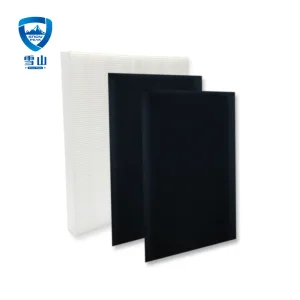
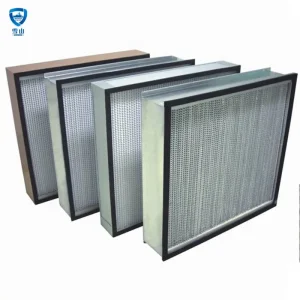
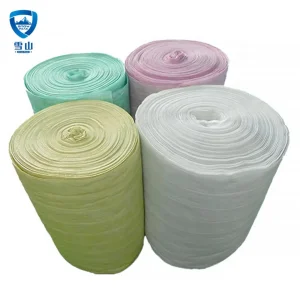
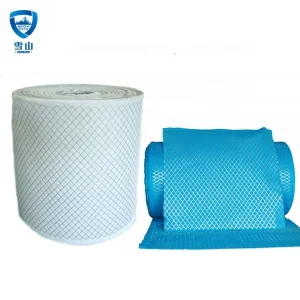
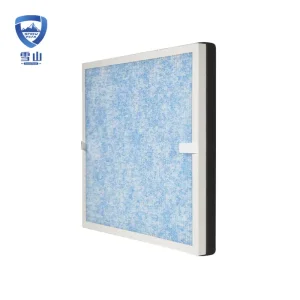
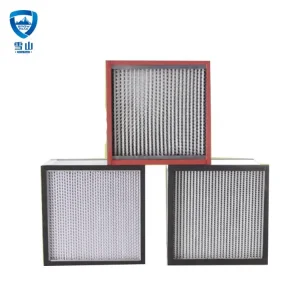
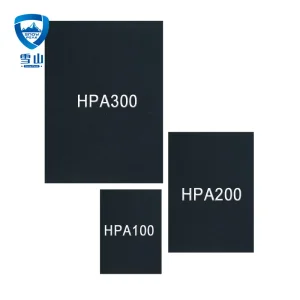
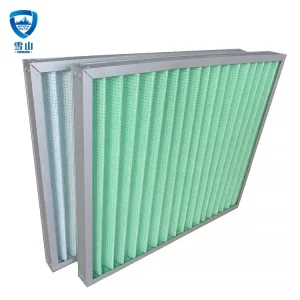
Explore our high-efficiency filtration solutions. Engineered to meet rigorous global standards, our product portfolio spans customized cleanroom modules, molecular scrubbers, and replacement filters optimized for residential, commercial, and heavy industrial facilities.
In the hierarchy of standard mechanical air filtration, MERV 16 (Minimum Efficiency Reporting Value) stands as the absolute zenith. Evaluated under the strict mandate of ASHRAE 52.2, a filter must demonstrate greater than or equal to 95% efficiency in trapping particles ranging from 0.3 to 1.0 micrometers (PM1). This size cohort represents the most difficult particles to extract via mechanical air flow. This specific range constitutes the "Most Penetrating Particle Size" (MPPS) barrier, where diffusion and impaction intersect.
Historically, HVAC systems utilized MERV 8 to MERV 13 configurations, which left micro-fine particulate matter, viral vectors, combustion soot, and atmospheric bacteria suspended in indoor environments. Implementing a MERV 16 filtration interface provides cleanroom-like air purity without the immediate necessity of upgrading to full HEPA (High-Efficiency Particulate Air) installations. This avoids the massive static pressure penalties that HEPA filters often demand from typical industrial and commercial fan assemblies.
| Performance Metric / Standard | MERV 13 Filter Media | MERV 16 High-Efficiency Filter | HEPA H13 (EN 1822) Filter |
|---|---|---|---|
| E1 Particle Capture (0.3 – 1.0 μm) | < 50% to 75% Efficiency | ≥ 95% Efficiency | ≥ 99.95% (Global MPPS) |
| E2 Particle Capture (1.0 – 3.0 μm) | ≥ 90% Efficiency | ≥ 95% Efficiency | ≥ 99.99% Efficiency |
| E3 Particle Capture (3.0 – 10.0 μm) | ≥ 90% Efficiency | ≥ 95% Efficiency | ≥ 99.999% Efficiency |
| Initial Static Resistance (typical) | 50 - 80 Pa | 85 - 120 Pa (Snow Peak Low-Resist) | 220 - 250 Pa |
| Primary Application | Standard LEED Commercial Buildings | Biotech, Cleanrooms, High-End HVAC | Semiconductors, Isolation Wards |
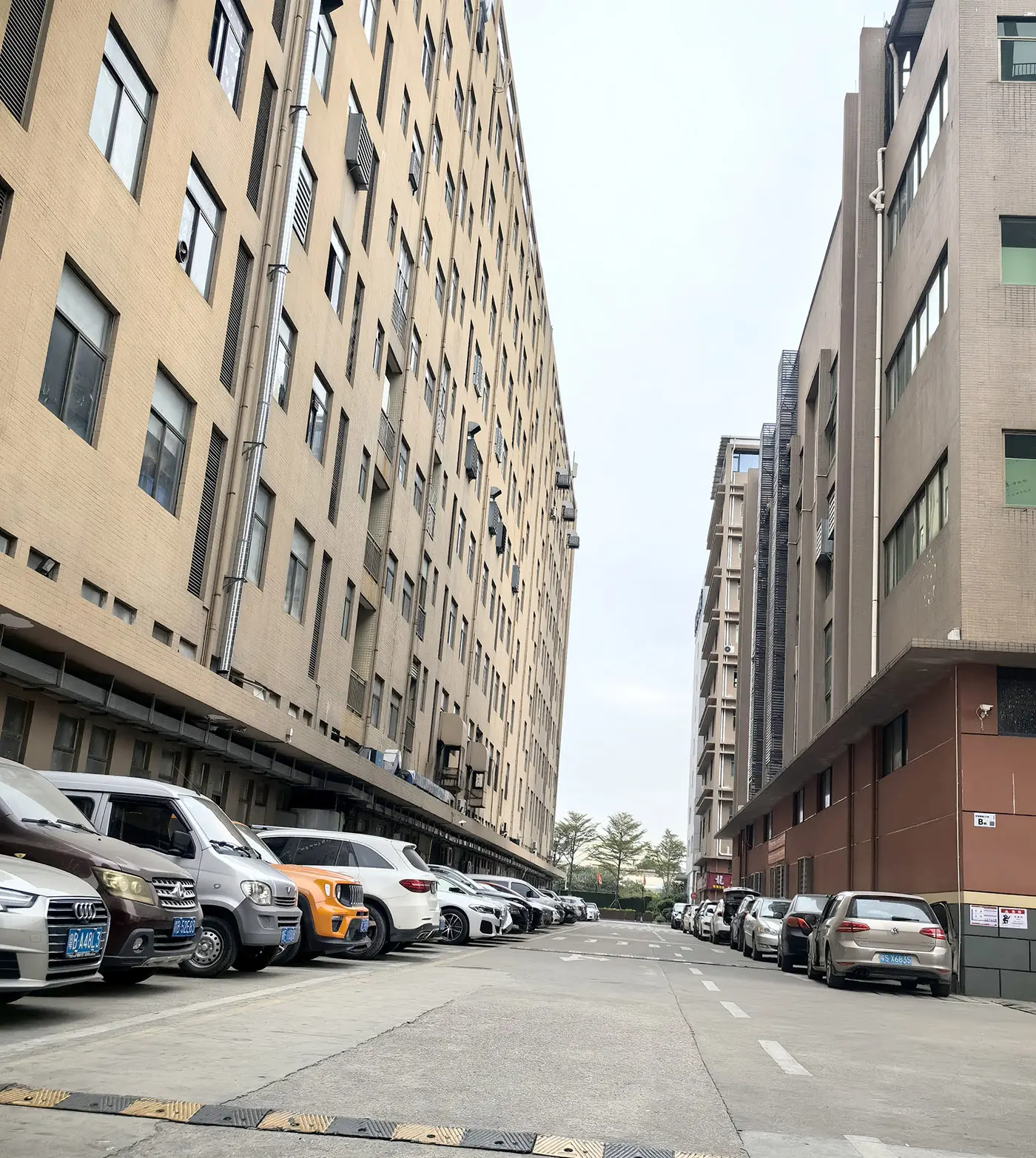
Shenzhen Snow Peak Clean Technology Co., Ltd. is an integrated high-tech enterprise, specialized in air filtration products research and development, production, sales, import and export trade. We produce and supply: Pre-filter, pocket filter, HEPA filter, chemical filter; replacement HEPA filter, car cabin air filter, humidifier filter; pocket filter media, melt-blown composite filter media, and other high-performance filter materials; provide high quality air purification solutions and products for indoor air pollution control and air conditioning systems of civil and industrial buildings, microelectronics, pharmaceutical, laboratory, school, hospital clean room etc.
Combined with self-developed patented technology, our sterilizing antiviral HEPA filter can effectively filtrate fine particles, so that PM2.5 concentration down to 10 micrograms/m3, 5 times better than national standard; effectively inhibit the breeding of microorganisms, sterilization rate up to 99.9%, and no secondary pollution, removal of H1N1 virus efficiency as high as 99.99%.
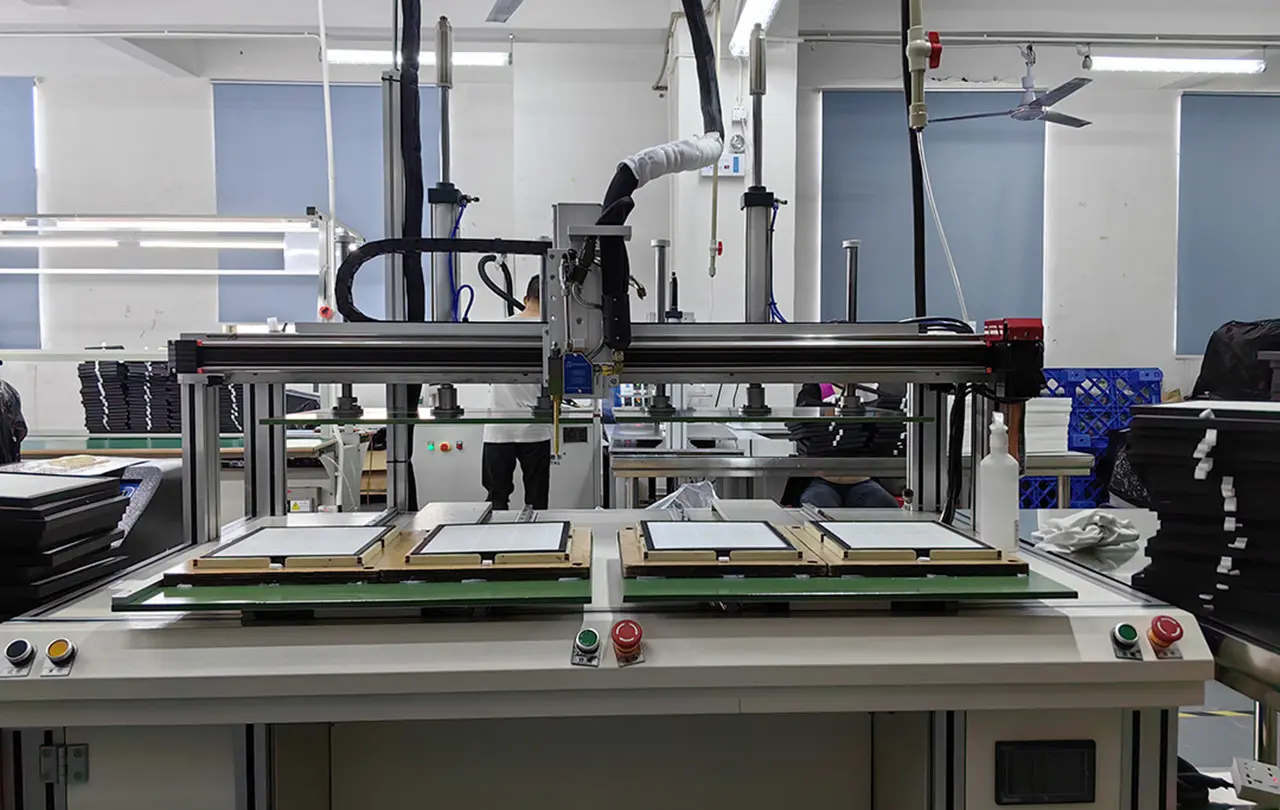
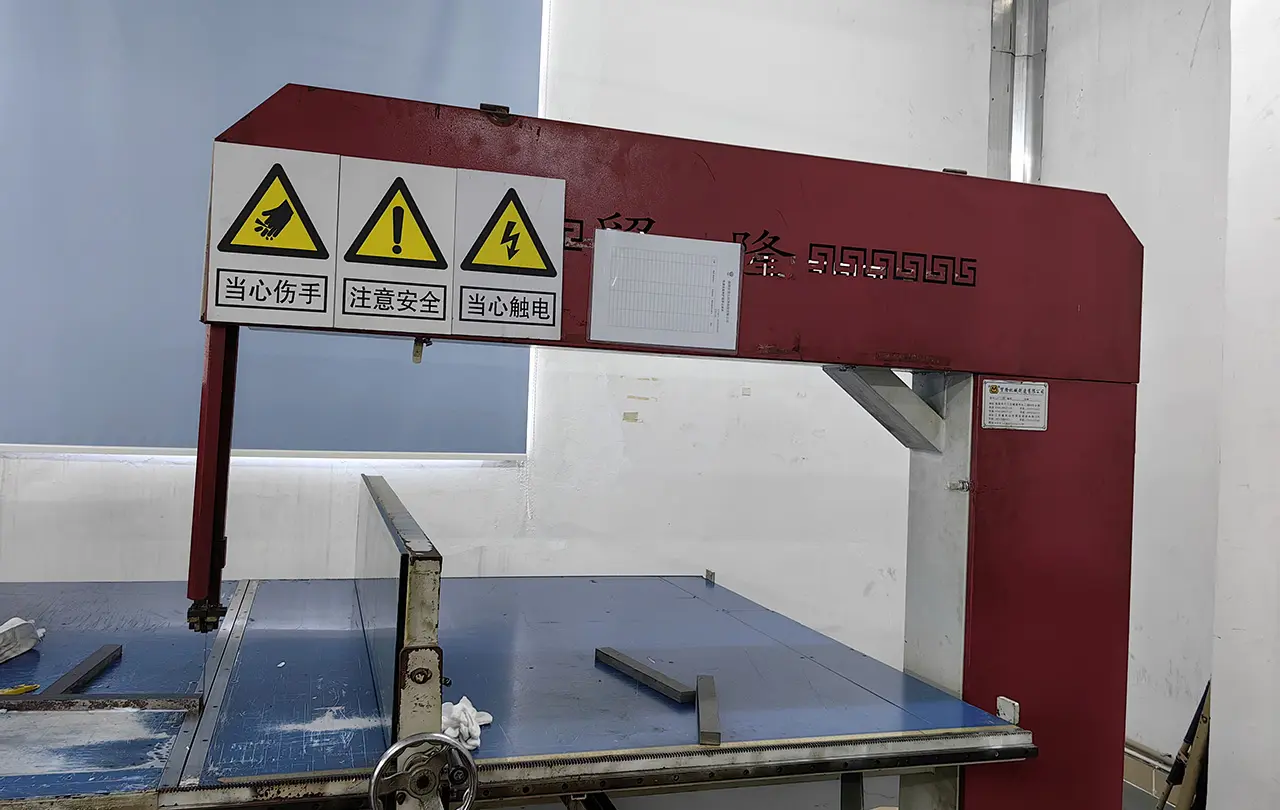
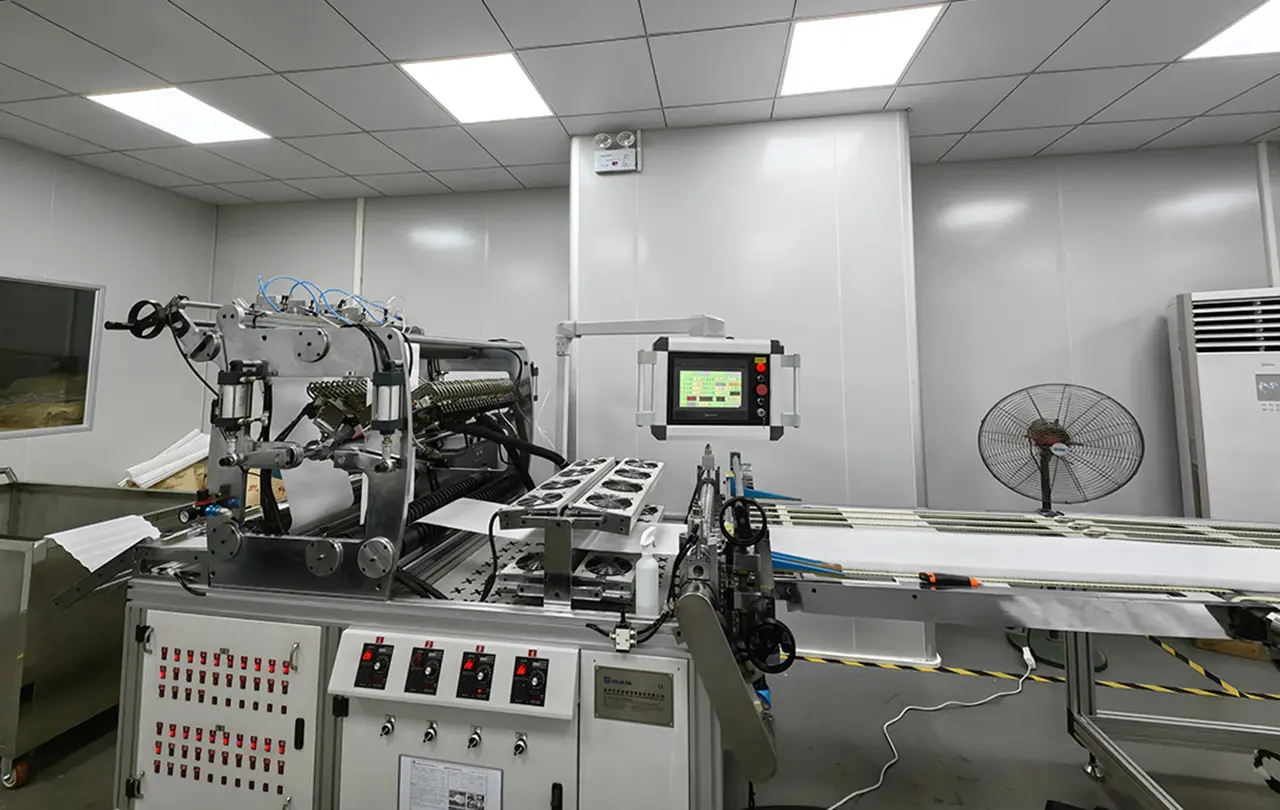
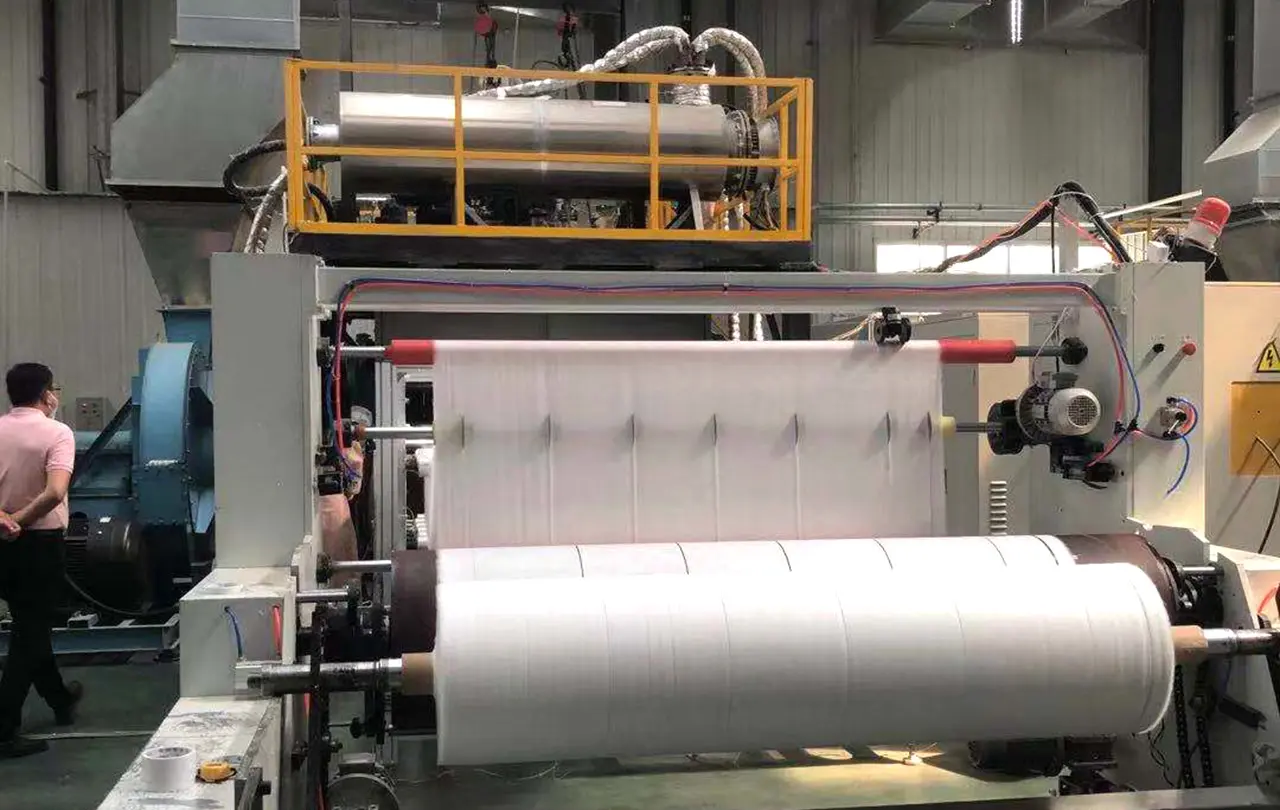
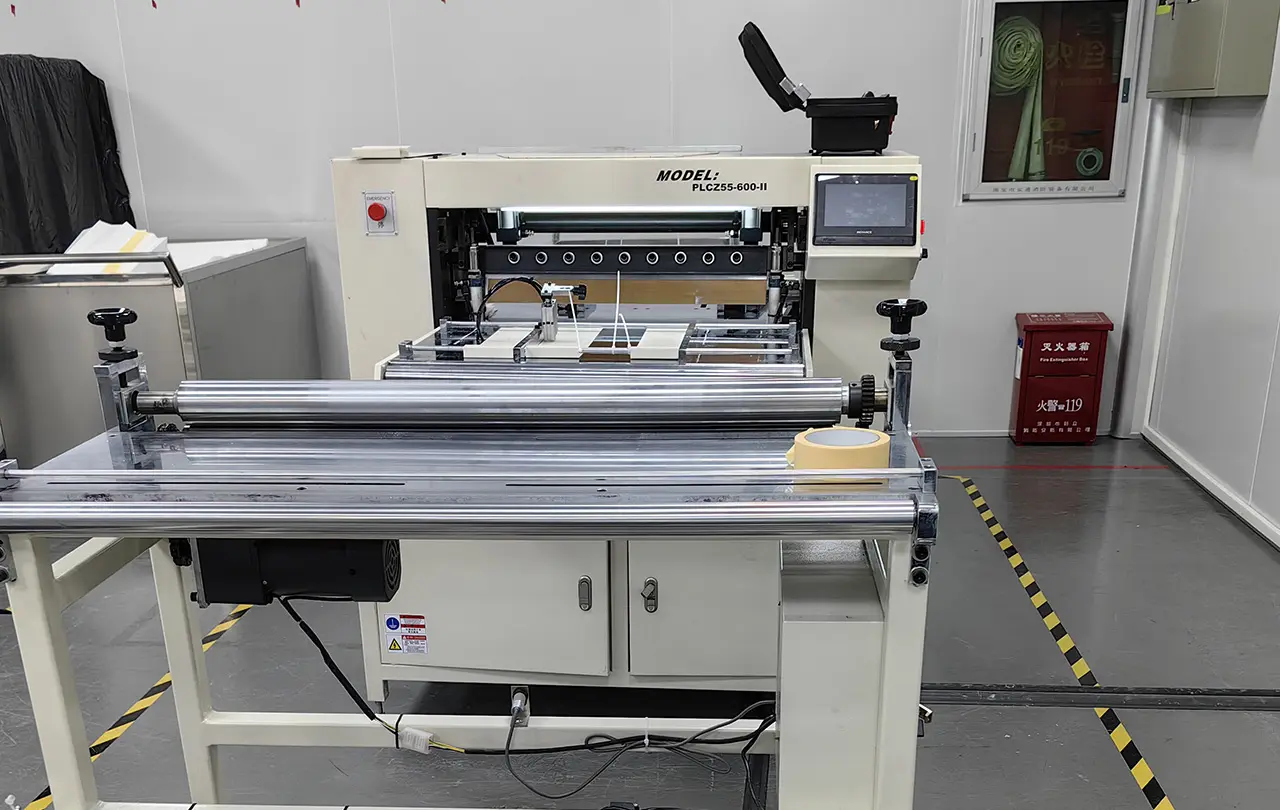
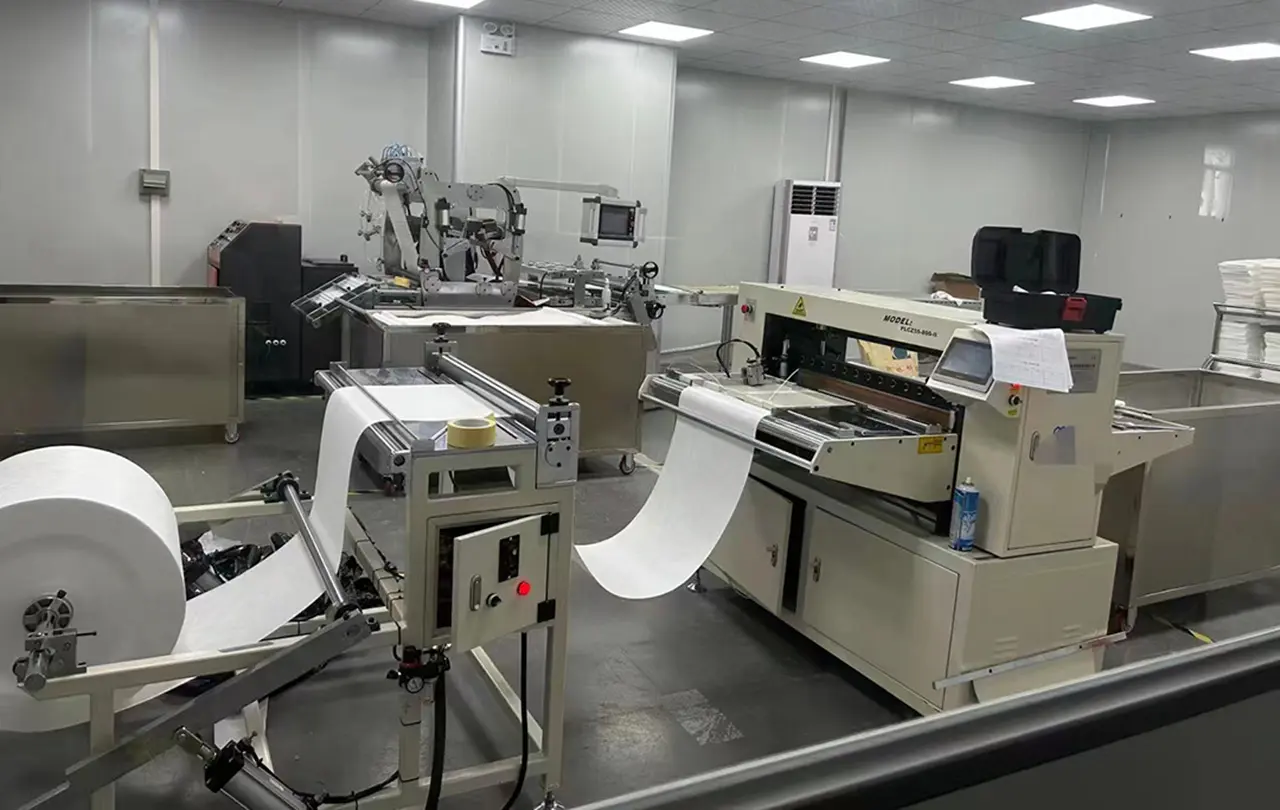
Having 15 years of international air purification technology experience as the background, our company has standardized production workshop, dust-free filter workshop and first-class technology of HEPA filters production line and inspection line, independent research and development of fully automatic air filter production line, equipped with AMADA CNC punch and CNC bending machine as well as many other advanced high-end equipment, provide a strong guarantee for production and quality of air filtration and purification products.
The international supply chain for HVAC filtration is undergoing a rapid transition. Driven by structural standards such as the European Union's ISO 16890 (which groups filters by PM1, PM2.5, and PM10 fractions) and North America's ASHRAE 52.2, clean air is no longer classified as a luxury but as a primary component of mechanical infrastructure. Concurrently, global corporate entities aiming for Net-Zero carbon thresholds are scrutinizing their HVAC systems. Because air filtration can account for up to 30% of an commercial facility's electrical energy consumption, optimization is imperative.
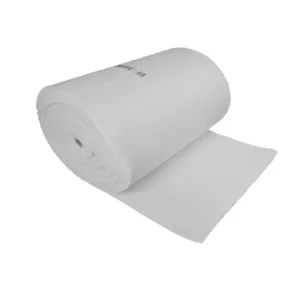
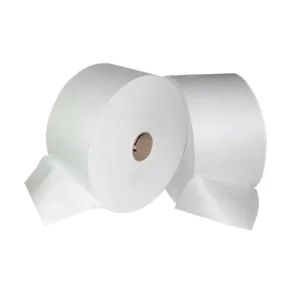
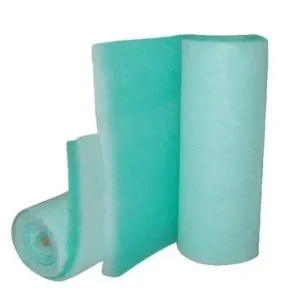
Shenzhen Snow Peak aligns with these directives by utilizing low-pressure-drop, high-dust-holding-capacity (DHC) synthetic polymers and glass-fiber compositions. By optimizing the media structure, we produce MERV 16 filters that yield lower initial resistance compared to standard options. This significantly reduces overall system drag, preventing excessive power draw from air-handling fans while ensuring complete sub-micron safety limits.
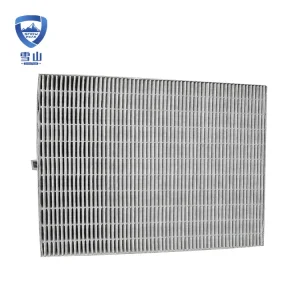
Our pleating lines utilize computer-controlled glue bead allocation. This maximizes the effective surface area, limits airflow velocity constriction, and minimizes pressure drop across the MERV 16 matrix.
Leveraging electrospun mechanical fibers to secure consistent performance. Our media avoids premature degradation of electrostatic charges, ensuring sustained sub-micron filtration efficiency.
Every production batch undergoes automated fractional efficiency and differential pressure tests using high-accuracy optical particle counters before packaging and shipping.
Different settings demand distinct air management protocols. Our engineered MERV 16 solutions are optimized for several critical environments:
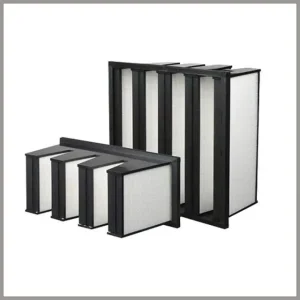
In micro-device manufacturing, sub-micron dust particles can settle on silicon wafers, causing structural defects. Our V-Bank MERV 16 assemblies serve as pre-filters directly upstream of ultra-expensive ULPA/HEPA systems. This significantly extends the service life of high-end terminal modules and reduces cleanroom downtime.
In pharmaceutical compounding and bio-research labs, containing active ingredients and preventing cross-contamination is critical. Utilizing our Bag-In-Bag-Out (BIBO) safety containment systems coupled with heavy-duty MERV 16 pleated filters provides a secure environment for hazardous biological processes.
Modern high-end commercial properties pursuing LEED certification require optimal indoor air quality. By implementing Snow Peak's low-resistance MERV 16 filters, HVAC designers can meet air purification goals while maintaining low static pressure. This helps reduce energy bills and utility consumption.
As the industry advances, mechanical filtration is integrating with material science breakthroughs. The roadmap for MERV 16 and HEPA development centers on three main technological pillars:
Traditional filters capture microbes, allowing bacteria and mold to propagate on the dust cake over time. Snow Peak is introducing natural anti-microbial and anti-viral coatings. These inhibit bacterial growth, preventing secondary contamination when filters are replaced.
Regulatory pressure regarding landfill waste is steering manufacturers toward recyclable polymer frames and biodegradable filter media. Our engineers are testing next-generation, high-performance polylactic acid (PLA) fibers. These perform similarly to standard melt-blown polyurethanes while being easier to dispose of responsibly.
Integrating IoT-based differential pressure sensors directly into the filter frame allows facility operators to track pressure drops in real time. This replaces schedule-based replacement cycles with predictive maintenance, maximizing filter lifetime and ensuring consistent energy efficiency.
Gain a deeper understanding of technical specifications, customization options, and installation parameters for high-efficiency MERV 16 filter models.
Browse our range of pre-filters, specialized industrial media, VOC carbon scrubbers, and heat-resistant air purification components designed to support large-scale ventilation lines.
 Snow Peak