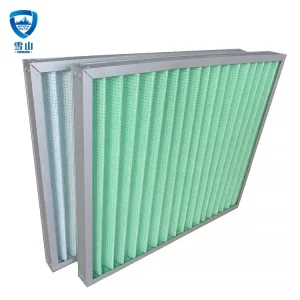
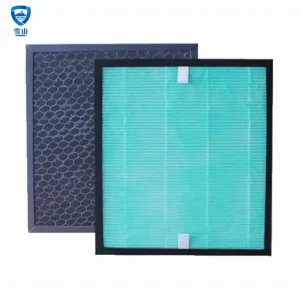
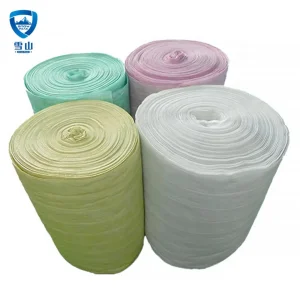
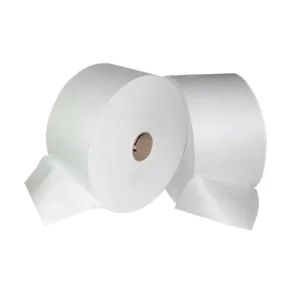
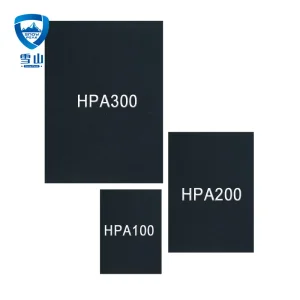
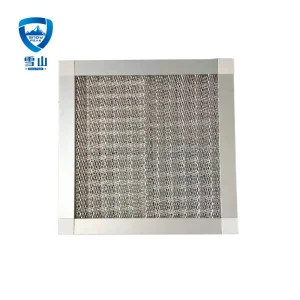
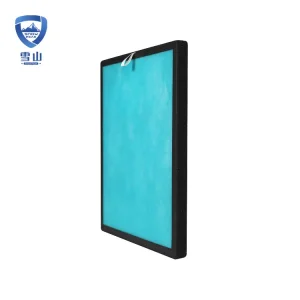
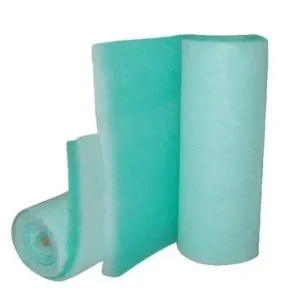
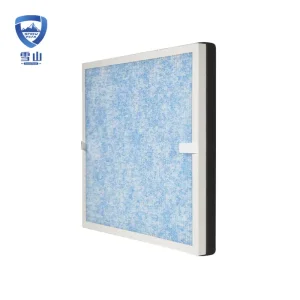
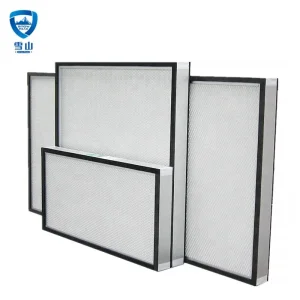
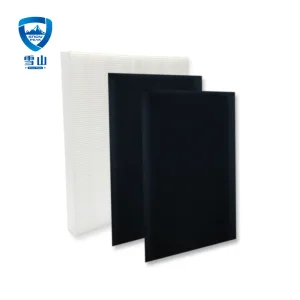
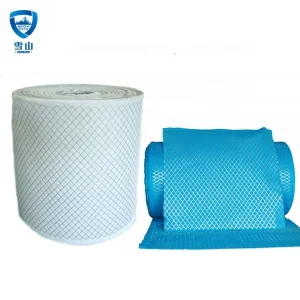
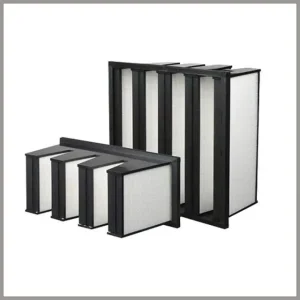
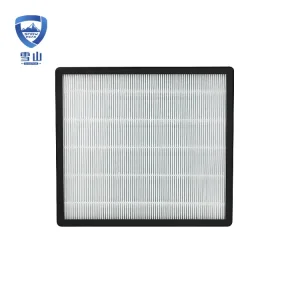
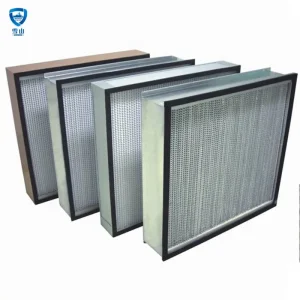
Explore our foundational range of heavy-duty pre-filters, carbon replacements, multi-stage compound filters, and specialized media optimized for maximum gas-phase adsorption and low resistance.
Shenzhen Snow Peak Clean Technology Co., Ltd. is an integrated high-tech enterprise, specialized in air filtration products research and development, production, sales, import and export trade. We produce and supply: Pre-filter, pocket filter, HEPA filter, chemical filter; replacement HEPA filter, car cabin air filter, humidifier filter; pocket filter media, melt-blown composite filter media, and other high-performance filter materials; provide high quality air purification solutions and products for indoor air pollution control and air conditioning systems of civil and industrial buildings, microelectronics, pharmaceutical, laboratory, school, hospital clean room etc.
Combined with self-developed patented technology, our sterilizing antiviral HEPA filter can effectively filtrate fine particles, so that PM2.5 concentration down to 10 micrograms/m3, 5 times better than the national standard; effectively inhibit the breeding of microorganisms, with a sterilization rate up to 99.9%, producing no secondary pollution. Its removal of H1N1 virus efficiency is verified as high as 99.99%.
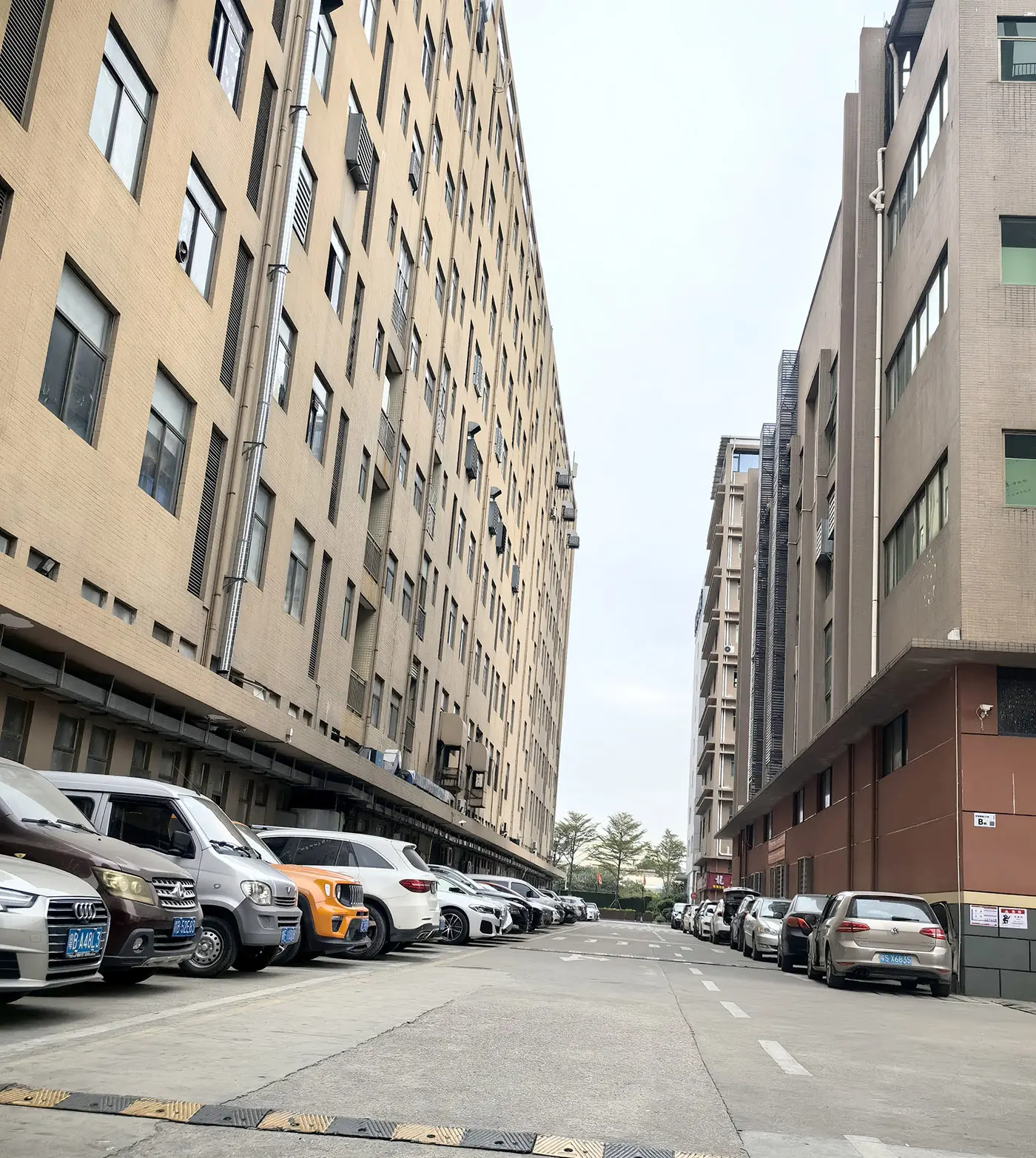
Our 15-year background in international air purification technology guides our standardized production processes. Supported by advanced automated production systems and precision instrumentation, we deliver high-performance filtration solutions tailored to stringent international standards.
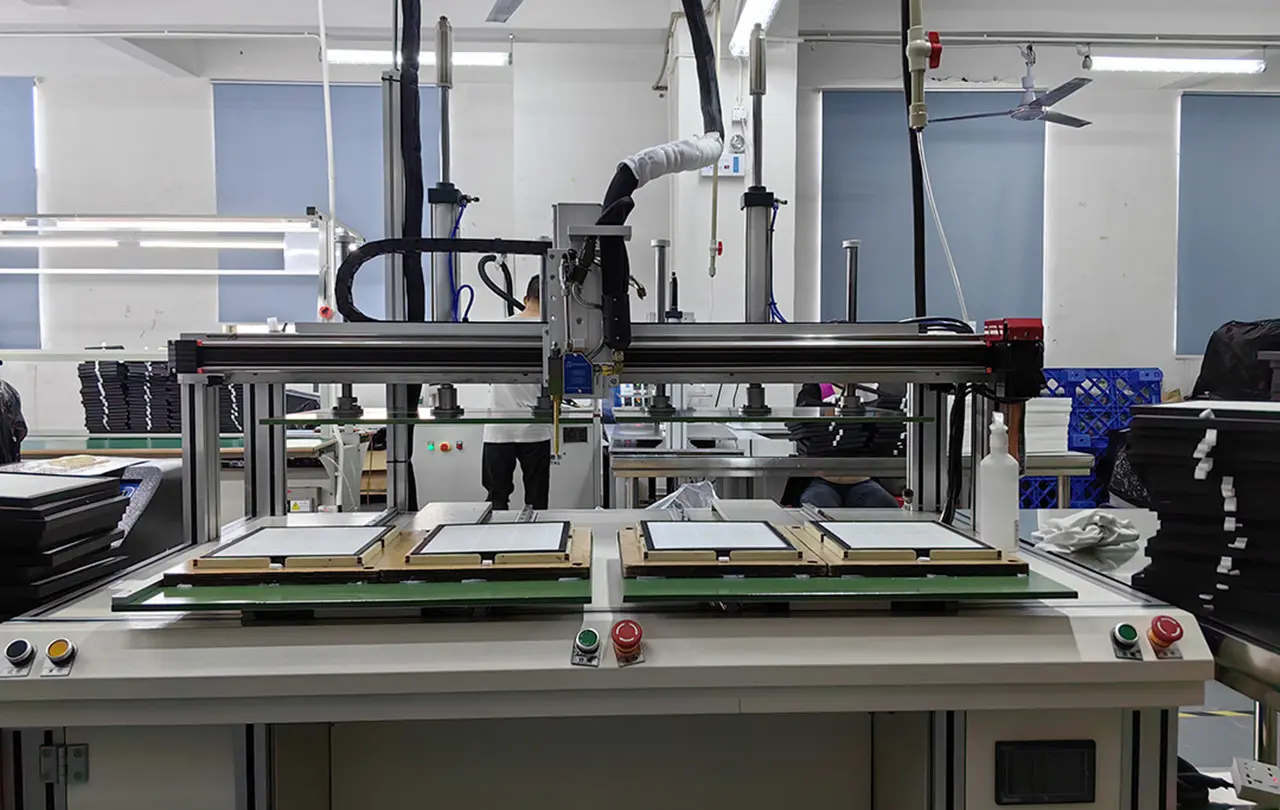
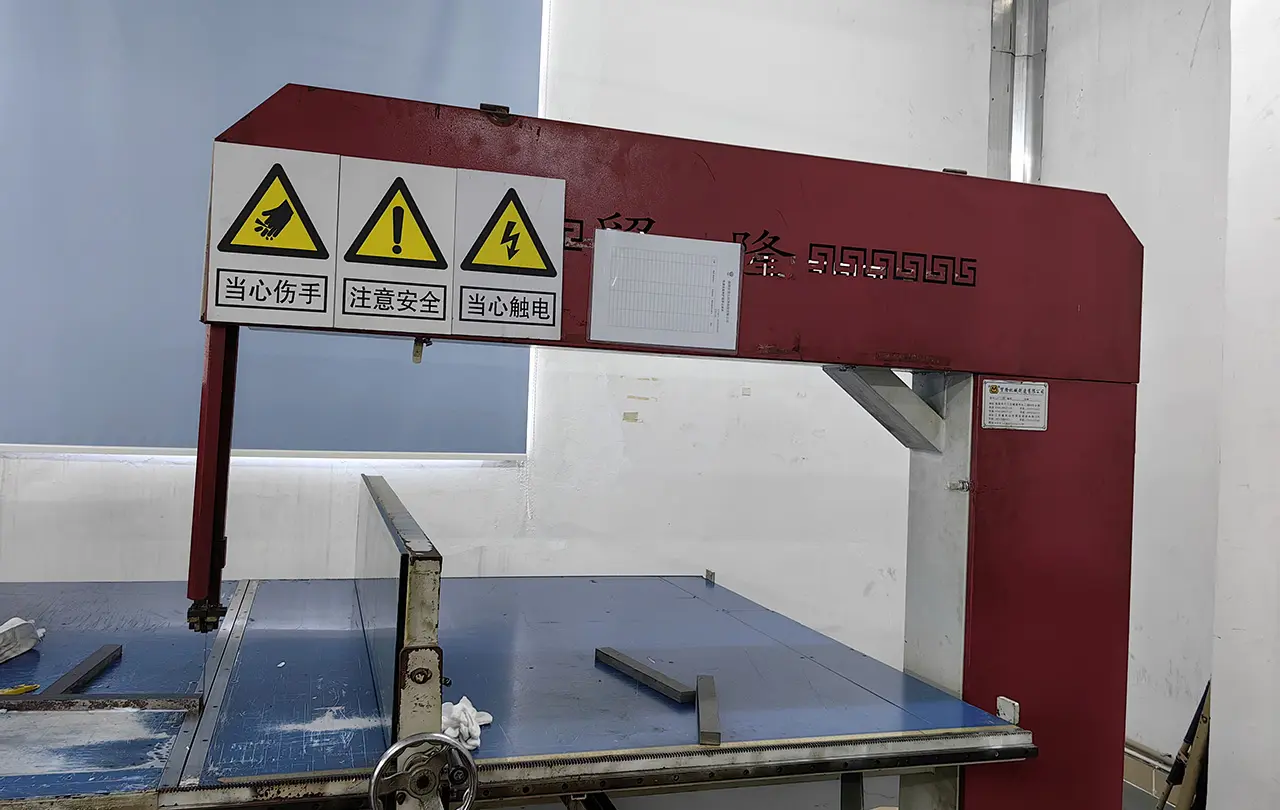
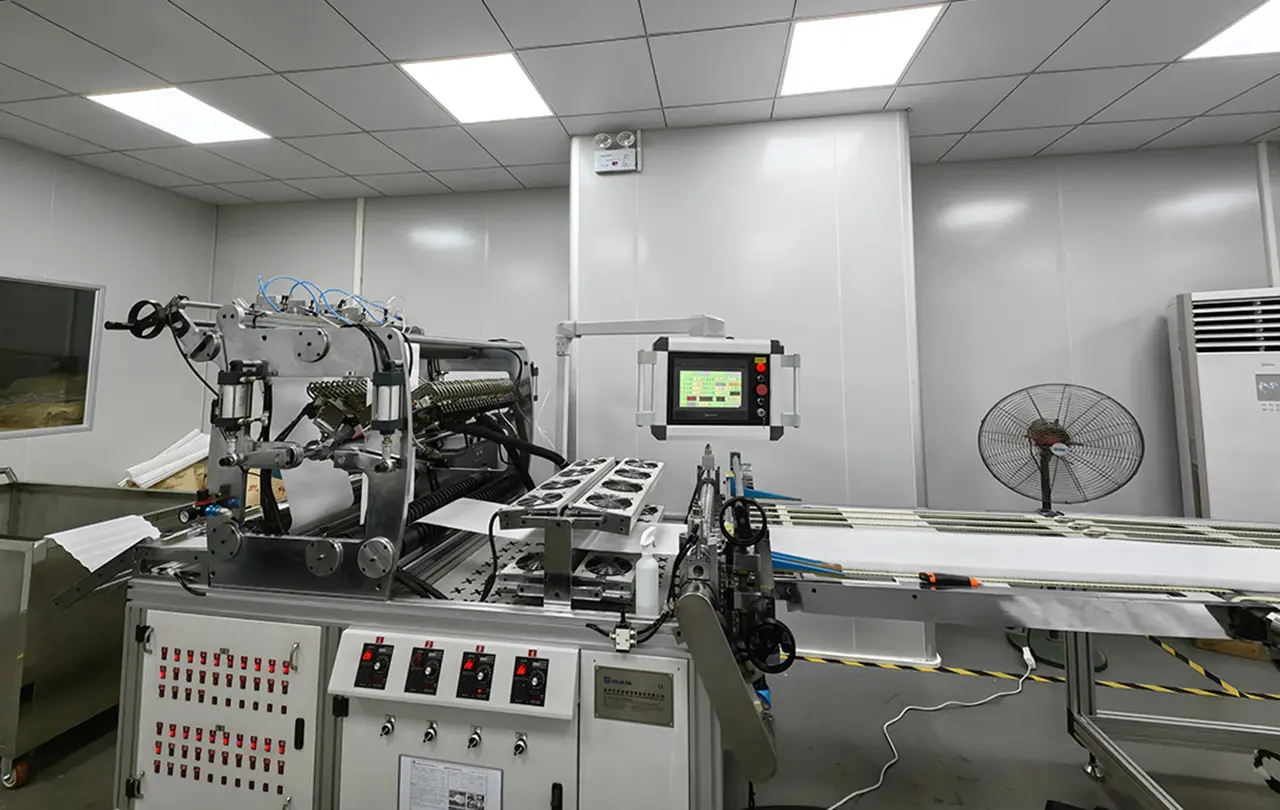
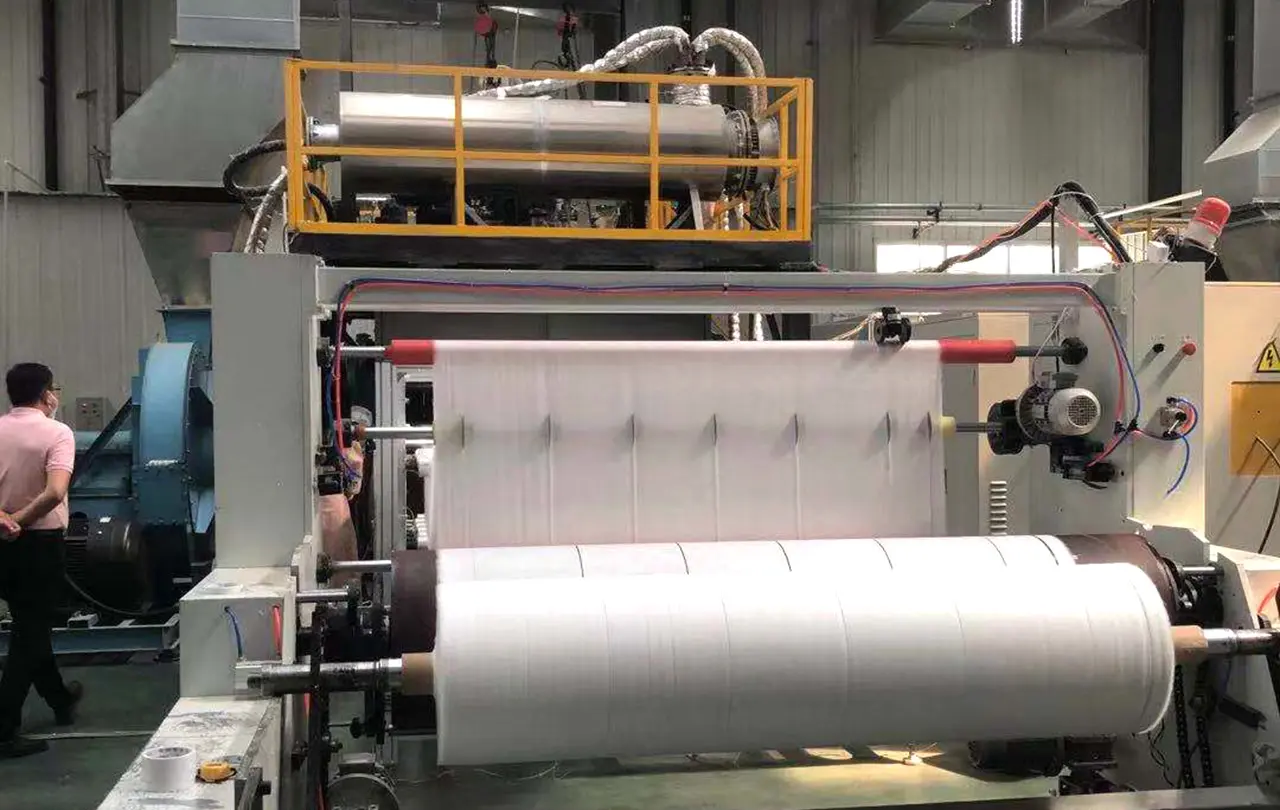
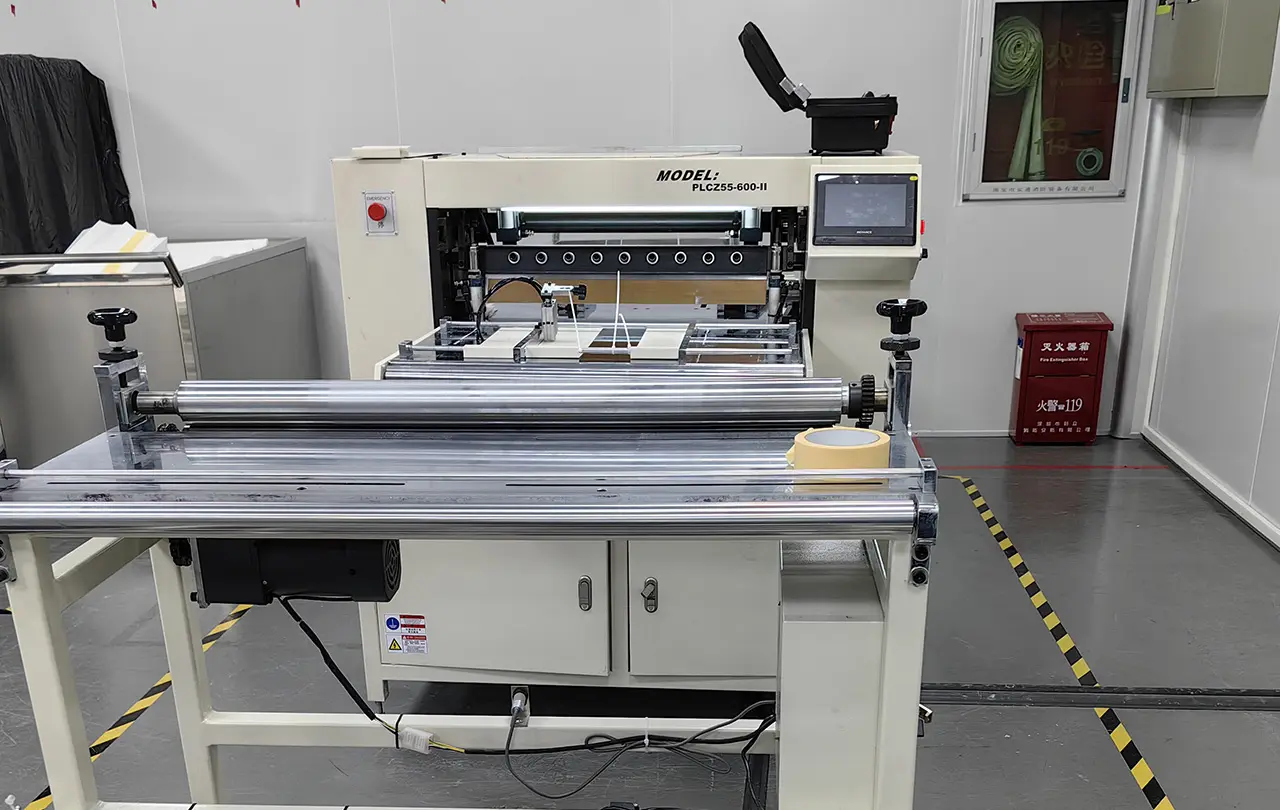
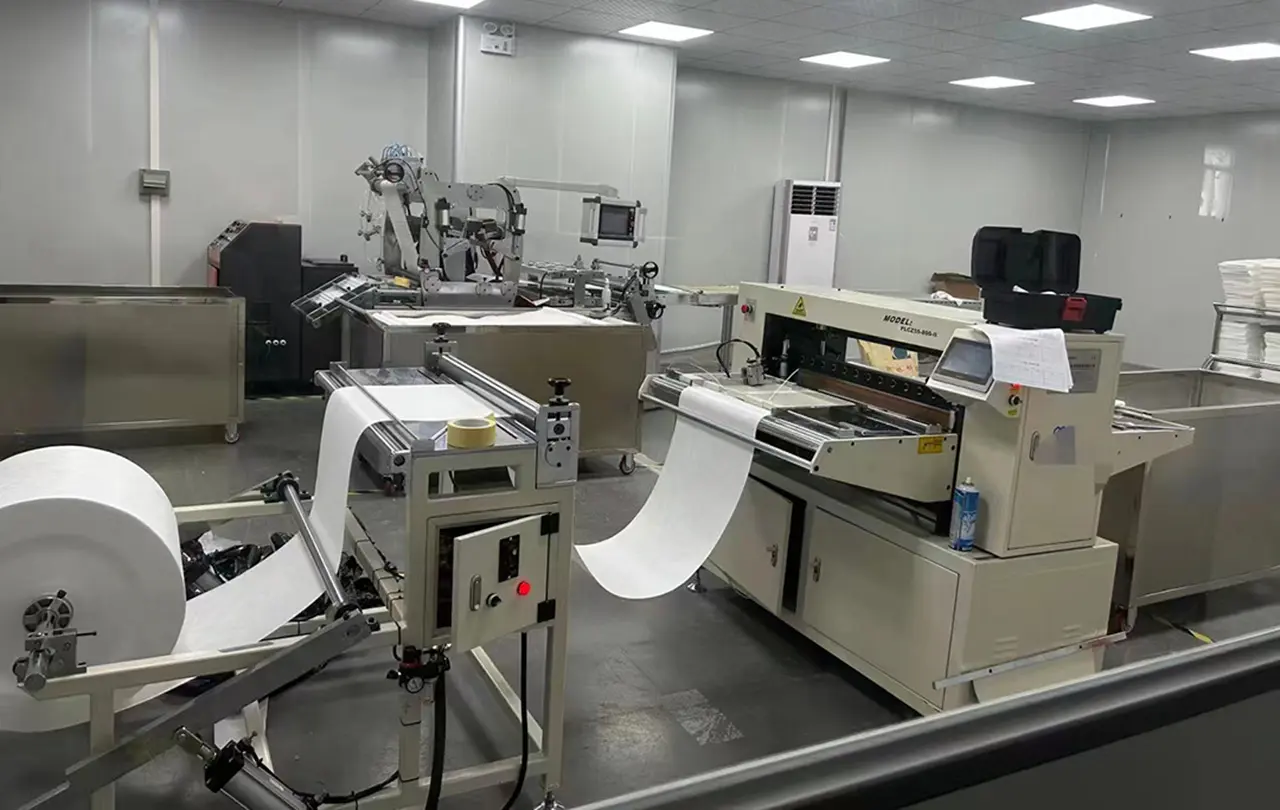
Having 15 years of international air purification technology experience as the background, our company has standardized production workshops, dust-free filter workshops, and first-class technology HEPA filter production and inspection lines. Equipped with an independent research and development fully automatic air filter production line, AMADA CNC punches, and CNC bending machines, we ensure precision engineering and uniform performance across all large-volume production runs.
Understanding the critical mechanisms of chemical adsorption and physical trapping is essential for maximizing gas-phase filtration efficiency in commercial, laboratory, and residential HVAC systems.
Activated carbon filtration operates primarily on physical adsorption (Van der Waals forces) and chemical adsorption (chemisorption). We formulate our carbon substrates utilizing high-grade coconut shell, coal-based, or wood-based materials. The iodine value (ranging from 900 to 1200 mg/g) and Carbon Tetrachloride (CTC) rating are optimized to guarantee higher pore volume and longer service life for targeted applications.
Standard activated carbon is effective against VOCs and general organic compounds, but struggles with lightweight, highly polar gases. We apply specialized chemical impregnations to target unique molecular threats: phosphoric acid impregnation for basic gases like ammonia (NH3); potassium hydroxide (KOH) impregnation for acidic compounds (H2S, SO2); and metal oxide catalysts to rapidly decompose gaseous formaldehyde.
To balance high purification and system aerodynamics, we manufacture filters in various structural configurations. These include honeycomb carbon structures for low pressure drop and high airflow velocity, pleated synthetic media laminated with fine carbon granules for combination HEPA-carbon filtration, and extruded carbon block filters for direct gaseous molecular neutralization.
Shenzhen Snow Peak bridges the gap between massive cost-efficiency and stringent global performance metrics. Our geographical location and industrial scale provide critical supply chain advantages.
Operating out of Shenzhen, a major international high-tech manufacturing cluster, we leverage highly integrated upstream supply chains for raw filter media, high-iodine activated carbon, polyurethane sealants, and frame structures (such as anodized aluminum and galvanized steel). By maintaining in-house melt-blown extrusion lines, gluing, and automated pleating lines, we control product consistency and avoid supply chain disruption.
Key advantage: Lower component costs and guaranteed production schedule continuity during peak global demand cycles.
Proximity to the Port of Shenzhen allows us to offer robust FOB/CIF/DDP shipping options to Europe, North America, Southeast Asia, and the Middle East. Our logistics department coordinates transit routes, manages customs documentation, and provides multi-layered container optimization packaging to ensure filters arrive undamaged and ready for installation. This proximity reduces overland transit delays and minimizes overall shipping overheads.
Key advantage: Streamlined export compliance and direct sea/air shipping routes for rapid component replenishment.
Navigating global import regulations requires strict adherence to international testing, performance, and environmental safety standards.
Our filtration products are evaluated according to globally accepted testing protocols. Particulate and HEPA stages are verified under EN 1822 (classes H13 to U15) and ASHRAE 52.2 (MERV ratings 13 to 16). Carbon and chemical stages are performance-checked using the ISO 10121 test method for evaluating the gas-phase performance of air cleaning media and devices.
To support global supply chains and protect indoor environment safety, our raw materials conform to European RoHS (Restriction of Hazardous Substances) and REACH directives. Our flame-retardant and low-outgassing custom carbon configurations meet UL 900 flammability specifications, ensuring safe deployment in sensitive commercial HVAC operations.
We supply complete technical documentation, including pressure-drop curves, breakthrough curve estimations for specific VOC concentrations, and structural 3D CAD files. Our engineering team assists procurement managers in specifying correct filter dimensions, frame materials, and gasket placements to prevent bypass leakage and minimize system fan energy consumption.
Different environments present varying particulate and molecular contamination challenges. We engineer custom carbon and HEPA composite configurations for specific real-world applications.
Semiconductor manufacturing facilities are highly sensitive to Airborne Molecular Contamination (AMC), which can etch silicon wafers and ruin sub-micron components. We design deep-pleat chemical and activated carbon filters focused on removing trace amounts of acids, bases, and condensables down to parts-per-billion (ppb) levels. Our low-outgassing frames and adhesives prevent organic outgassing in high-velocity recirculating air loops.
Biomedical research, clinical laboratories, and containment facilities require exhaust filtration systems that trap toxic biological agents, organic solvents, and strong chemical gases. Our custom bag-in-bag-out (BIBO) containment housings and high-efficiency composite carbon HEPA filters protect personnel from hazardous contaminants during filter change-outs, meeting rigid biosecurity and environmental safety requirements.
Urban buildings frequently ingest outdoor pollutants like sulfur oxides (SOx), nitrogen oxides (NOx), carbon monoxide (CO), and volatile organic compounds (VOCs) from traffic. Integrating customized honeycomb carbon pre-filters into centralized AHU (Air Handling Unit) and HVAC systems maintains healthy Indoor Air Quality (IAQ) and satisfies LEED and WELL certification criteria, while protecting HVAC coils from particulate buildup.
The industrial filtration landscape is evolving toward sustainable raw materials, longer media lifespans, and smart monitoring capabilities.
The global filtration industry is shifting toward highly sustainable, renewable carbon sources. Coconut shell activated carbon has become the industry standard for high-end adsorption due to its density of micropores, high hardness, and lower ash content. We are testing and implementing bio-char and recycled agricultural byproducts as base materials, reducing carbon footprints while maintaining high iodine numbers.
Energy conservation in HVAC systems is a priority for commercial facilities. Traditional thick, dense carbon bed filters impose high static pressure, driving up fan electricity usage. Future filter designs focus on thin, non-woven synthetic fabrics embedded with micro-granular activated carbon (particle sizing from 20x40 to 30x60 mesh). This provides high contact surface area and rapid gas exchange with minimal airflow resistance.
Instead of relying solely on physical trapping, advanced carbon filters utilize active decomposition catalysts. Utilizing nanotechnology, we coat carbon pore networks with metallic active sites that break down formaldehyde into harmless water vapor and carbon dioxide at room temperature. Integrating this with Snow Peak’s patented antimicrobial coatings inhibits bacterial colonization on the filter surface, preventing odor generation.
Technical guidance and purchasing considerations for custom activated carbon and HEPA filtration systems.
Physical adsorption utilizes Van der Waals forces to trap organic molecules within the porous structure of the activated carbon. It is highly effective for heavier compounds with high boiling points (like organic solvents and VOCs). Chemisorption, or chemical adsorption, occurs when the carbon is impregnated with active chemical agents (like acids, bases, or metal oxides) that chemically react with target gases (like formaldehyde, ammonia, or hydrogen sulfide) to bind them irreversibly.
The iodine value (measured in mg/g) indicates the adsorption capacity of the activated carbon and is an indicator of its micropore volume. A higher iodine value (e.g., 1000–1100 mg/g) indicates a more developed pore structure, which translates to a larger active surface area for trapping gas-phase contaminants and a longer filter operational lifespan before saturation.
Pressure drop is determined by the face velocity of the air, the thickness of the carbon bed or pleat depth, and the size of the carbon granules. During the engineering phase, we model these values to ensure the custom filter operates within your HVAC fan's static pressure limits, preventing bypass and minimizing overall energy consumption.
Lifespan varies depending on pollutant concentrations, humidity levels, and airflow velocity. Under normal commercial office IAQ conditions, carbon filters last between 6 to 12 months. In cleanrooms or industrial process environments with higher molecular loading, replacement intervals may be shorter. We offer gas-breakthrough and saturation analysis to help establish optimal replacement schedules.
In standard HVAC applications, active carbon filters cannot be effectively washed. Washing can clog the micro-pores with minerals or particulate matter, and it does not remove chemically bound compounds. While industrial-scale carbon beds can be thermally regenerated in kilns, small-format, pleated, or panel filters are designed to be replaced to maintain consistent molecular filtration performance.
We manufacture multi-stage composite filters that laminate a HEPA (up to H13 or H14 efficiency) or MERV-rated synthetic layer directly to a dense, activated carbon media layer. This configuration allows a single filter element to remove both fine particulates (including PM2.5 and viruses) and molecular gases/odors, saving space inside compact air purifiers and air handling units.
Review our specialized compound HEPA filters, mini-pleated HVAC modules, W-bank ventilation systems, and high-efficiency cleanroom separation systems.
 Snow Peak