Explore our engineering-grade HEPA, Carbon, and Pre-filtration catalog, customized to meet strict industrial and cleanroom standards.
An authoritative analysis of molecular adsorption mechanics, particulate capturing, and HVAC system integration for modern infrastructure.
In the field of modern HVAC design and indoor air quality (IAQ) engineering, the integration of custom-engineered gas-phase filtration has transitioned from a specialized industrial requirement to a vital architectural necessity. Traditional particulate filters (such as G4, M5, or standard HEPA media) are designed to capture dust, pollen, and airborne micro-organisms through mechanical mechanisms like interception, inertial impaction, and diffusion. However, these media remain completely transparent to molecular-level chemical contaminants, gaseous toxins, and volatile organic compounds (VOCs) that continuously bypass physical barriers.
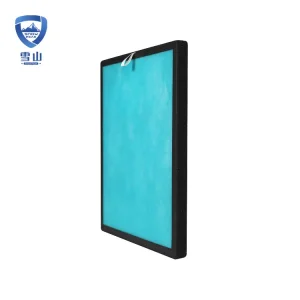
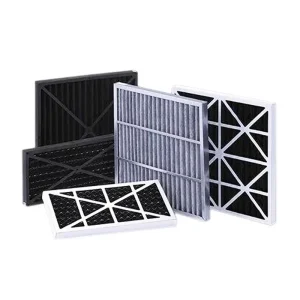
To overcome this technological challenge, the deployment of Custom Activated Carbon Window Filters has emerged as the definitive solution for architectural envelopes. By combining high-porosity physical carbon beds with custom air-permeable framing systems, custom manufacturers now allow buildings to draw external air while simultaneously neutralizing ambient urban odors, nitrogen dioxide ($NO_2$), sulfur dioxide ($SO_2$), ground-level ozone ($O_3$), and hazardous industrial emissions. Understanding the micro-structural configuration of these components is crucial for procurement teams looking to optimize particulate capture and chemical neutralization without increasing pressure drop.
At the center of any custom activated carbon filter lies a highly complex porous structure. Raw organic matrices (such as high-grade coconut shell, coal, or wood) undergo strict thermal carbonization and subsequent steam or chemical activation. This process develops a vast internal surface area ranging from 800 to 1,500 m²/g. Micro-pores (under 2nm) target small gaseous VOCs, while meso-pores (2nm to 50nm) and macro-pores facilitate rapid gas diffusion, ensuring low pressure resistance even during high velocity transient airflow events.
While physical adsorption (governed by weak Van der Waals forces) effectively captures heavy molecules, it struggles with highly volatile, low-molecular-weight gases like formaldehyde ($HCHO$), ammonia ($NH_3$), and hydrogen sulfide ($H_2S$). To solve this, custom carbon media is treated with chemisorptive reagents (such as potassium permanganate, phosphoric acid, or metal catalysts). This process chemically binds and neutralizes these gases, rendering them completely harmless.
Optimizing filtration performance for specific regional microclimates and strict target containment goals.
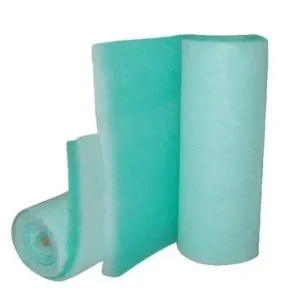
In highly populated cities, building envelopes are continuously exposed to exhaust emissions containing nitrogen oxides and diesel particulates. Custom window filters combining G4 pre-filtration with high-density activated carbon media successfully remove these contaminants, ensuring fresh air complies with strict municipal air quality standards.
Facilities adjacent to industrial hubs or manufacturing sites face significant challenges from acidic gases and organic solvent fumes. In these environments, custom filters utilize chemisorptive, impregnated carbon formulations to target volatile compounds, maintaining safe indoor working conditions.
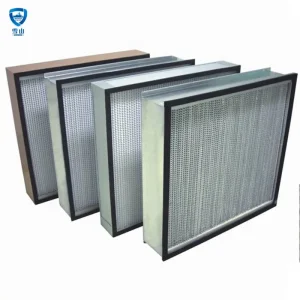
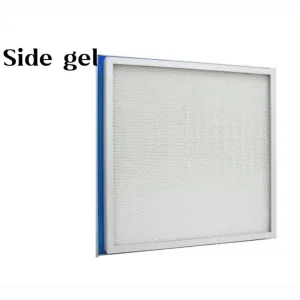
To protect sensitive microelectronics and pharmaceutical processes, custom window systems integrate molecular filters with high-efficiency gel-seal HEPA elements. This configuration removes both fine particulate aerosols and trace gaseous bypass, ensuring complete cleanroom integrity.
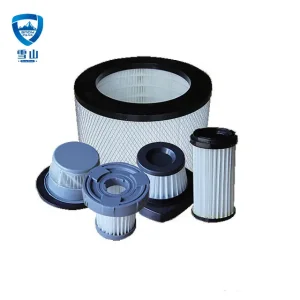
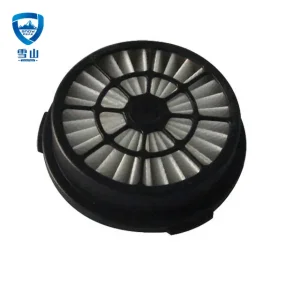
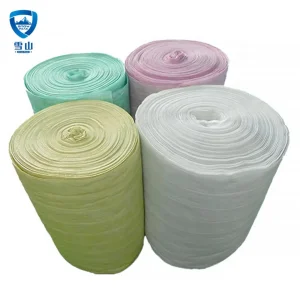
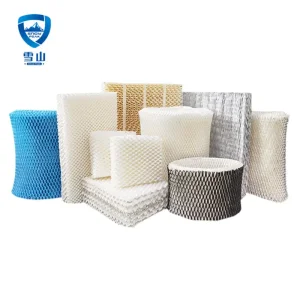
Shenzhen Snow Peak Clean Technology Co., Ltd. is a leading, integrated high-tech enterprise specialized in the research, development, production, sales, and global trade of high-performance air filtration products. We supply a comprehensive portfolio: Pre-filters, pocket filters, HEPA filters, chemical filters, replacement HEPA elements, automotive cabin air filters, humidifier wicks, and next-generation composite melt-blown filter media.
By focusing on indoor air pollution control and industrial HVAC systems, our solutions support microelectronics, pharmaceuticals, academic laboratories, commercial complexes, and hospital cleanrooms worldwide. Partnering with Shenzhen Snow Peak gives you access to advanced, patented filtration technologies.
Our sterilizing, antiviral HEPA technology can reduce PM2.5 concentrations down to 10 micrograms per cubic meter—five times cleaner than standard air quality requirements. It effectively prevents microbial growth with a 99.9% sterilization rate, neutralizes H1N1 viruses at a 99.99% efficiency rate, and eliminates any risk of secondary contamination.
The next generation of gas-phase carbon adsorption: Smart, clean, and highly sustainable.
The air filtration industry is undergoing a significant transformation driven by material science and smart monitoring technologies. We are leading this transition by developing three key technological areas:
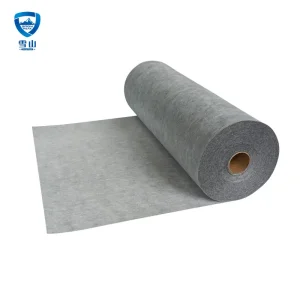
Integrating electrospun nanofibers with thin activated carbon sheets allows us to manufacture filters that capture sub-micron particulates and gas molecules simultaneously, maintaining an exceptionally low pressure drop.
We are researching catalytic surfaces that use low-temperature thermal regeneration or solar UV activation to break down captured VOCs. This technology extends filter lifespans and reduces industrial waste.
Our upcoming smart window frames feature embedded differential pressure and VOC sensors. They transmit real-time performance data to building management networks, indicating exactly when a filter cartridge needs replacement.
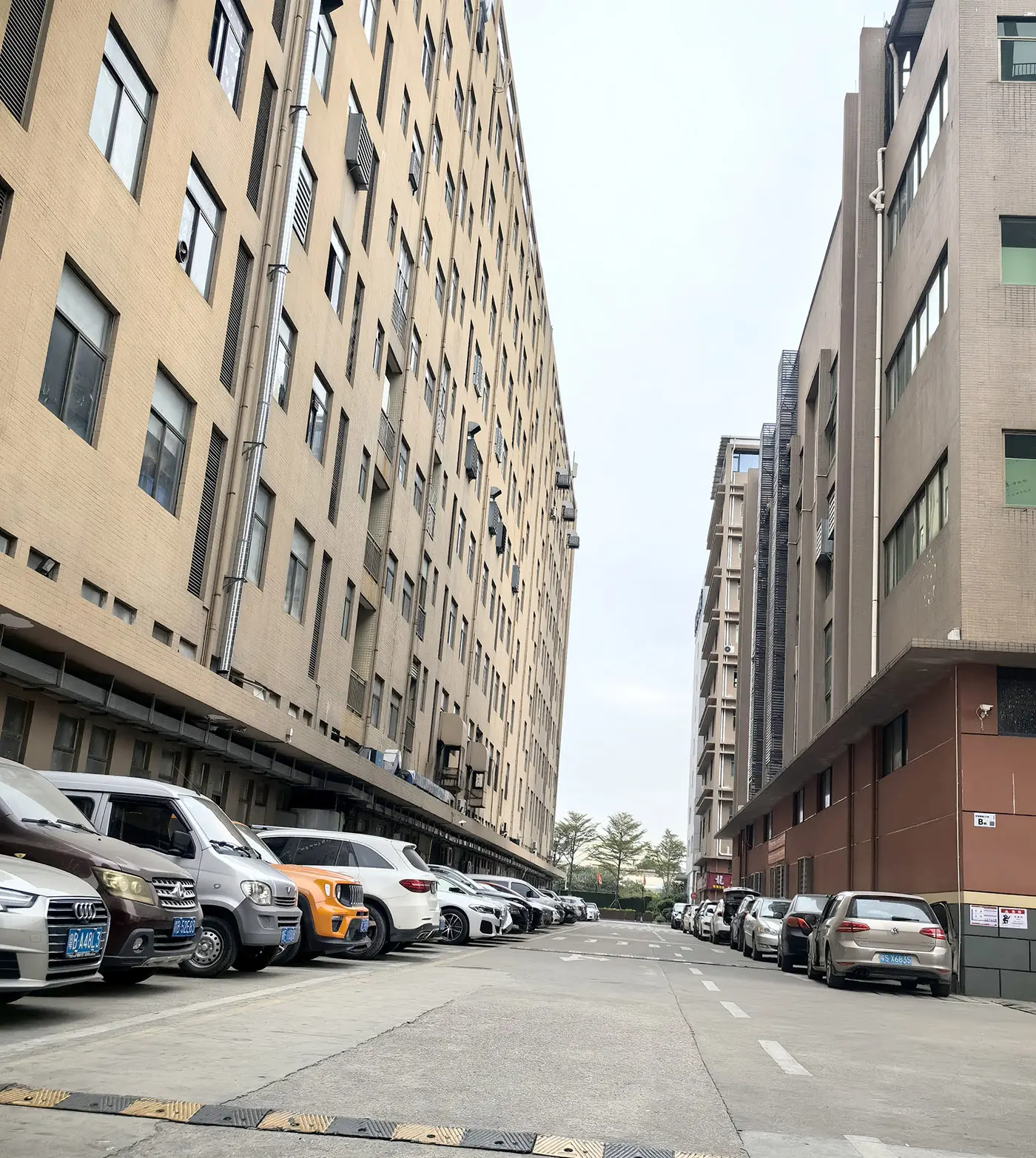
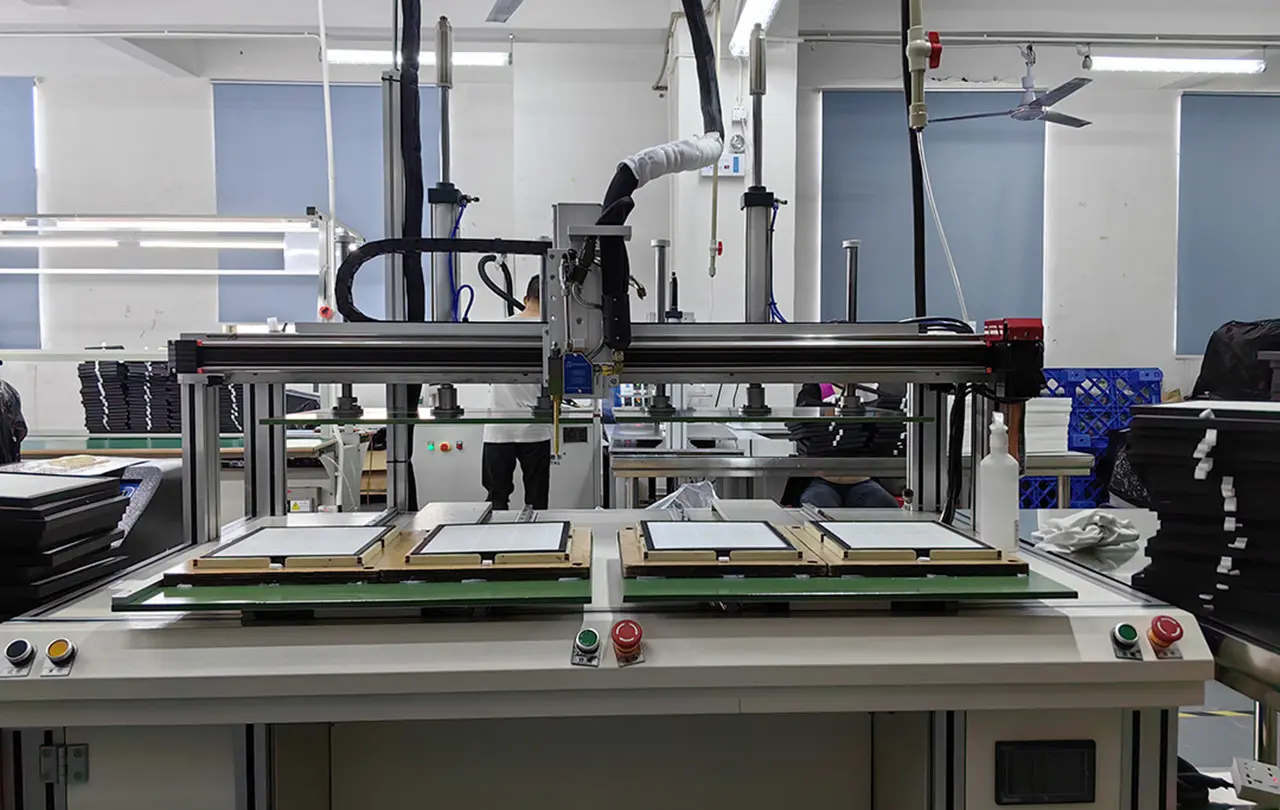
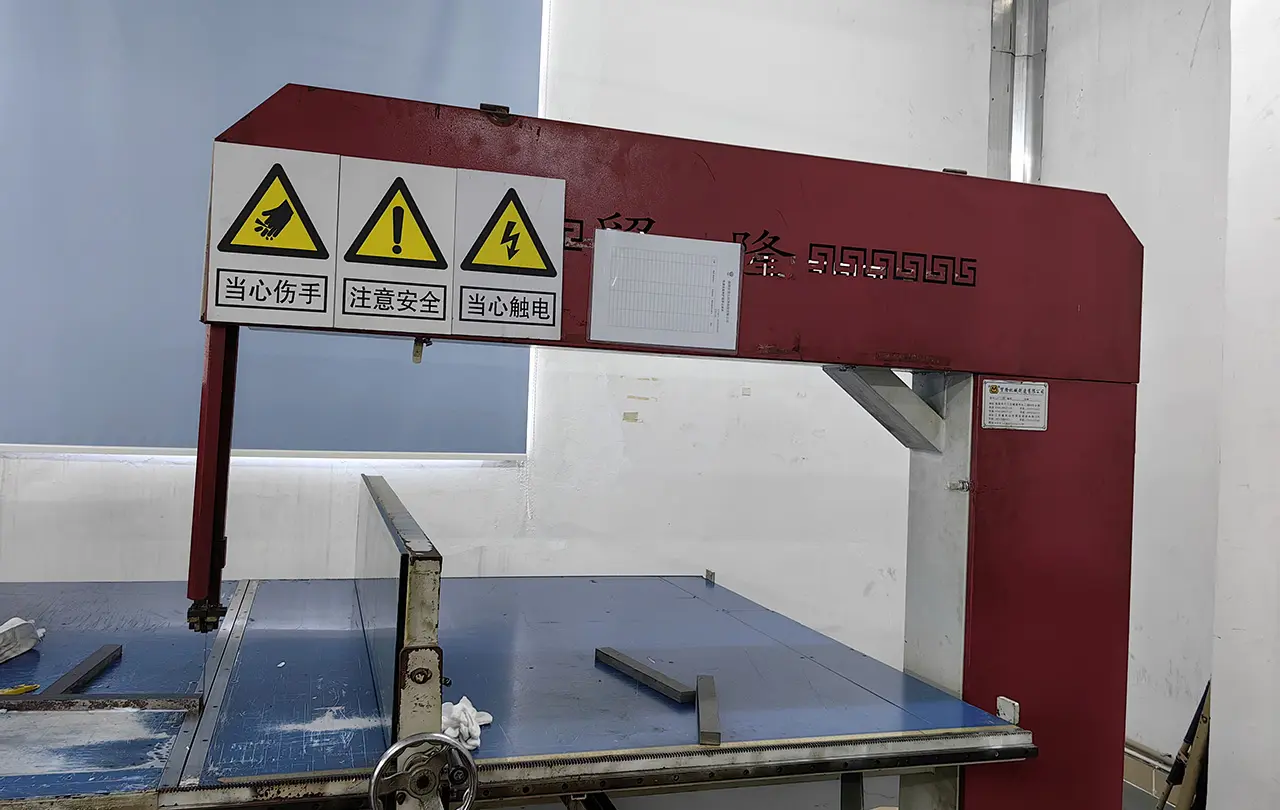
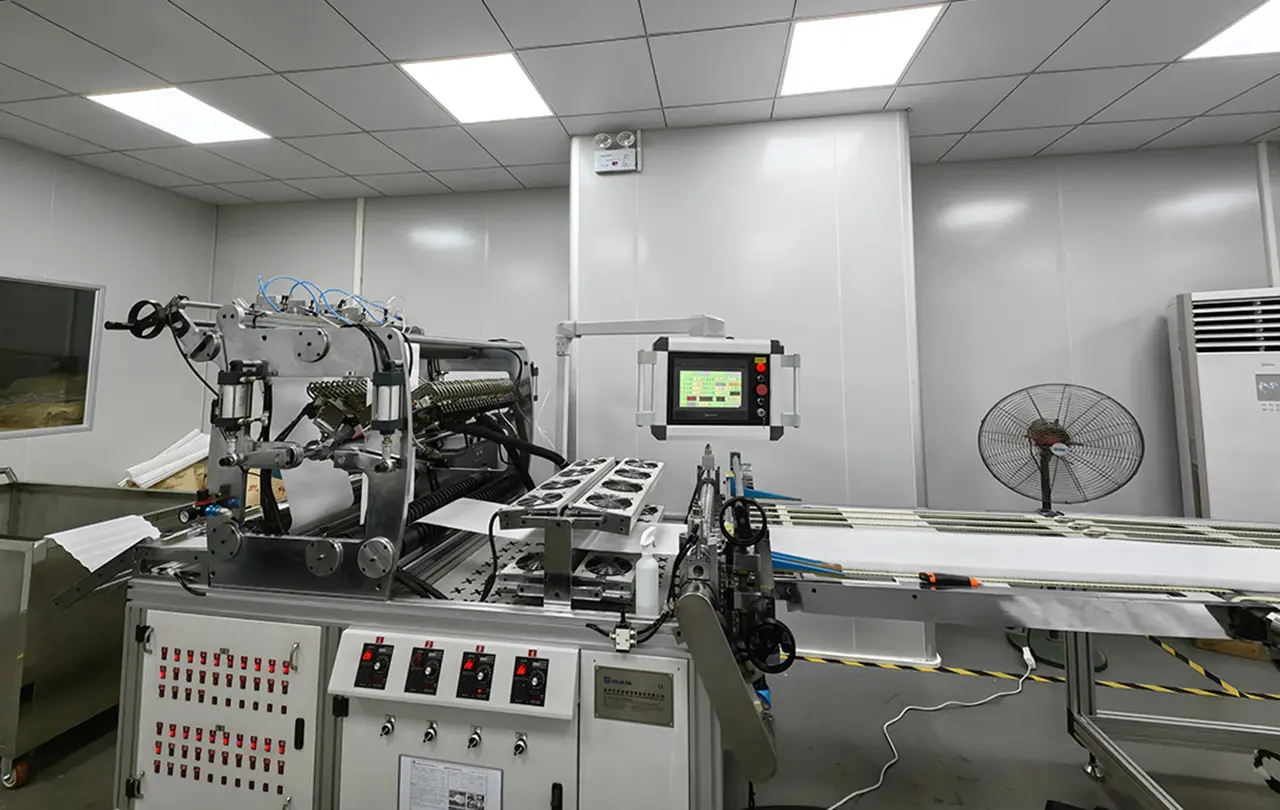
Leveraging specialized infrastructure, automated production lines, and high-precision testing to deliver quality at scale.
Our 15 years of international air purification engineering experience provides a strong foundation. Shenzhen Snow Peak operates advanced, standardized, and dust-free HEPA production and inspection lines. Our facility is equipped with high-end machinery, including AMADA CNC punches and CNC bending machines, alongside our proprietary, fully automated assembly lines. This combination of advanced technology and manufacturing capacity guarantees stable production times and consistent filter quality.
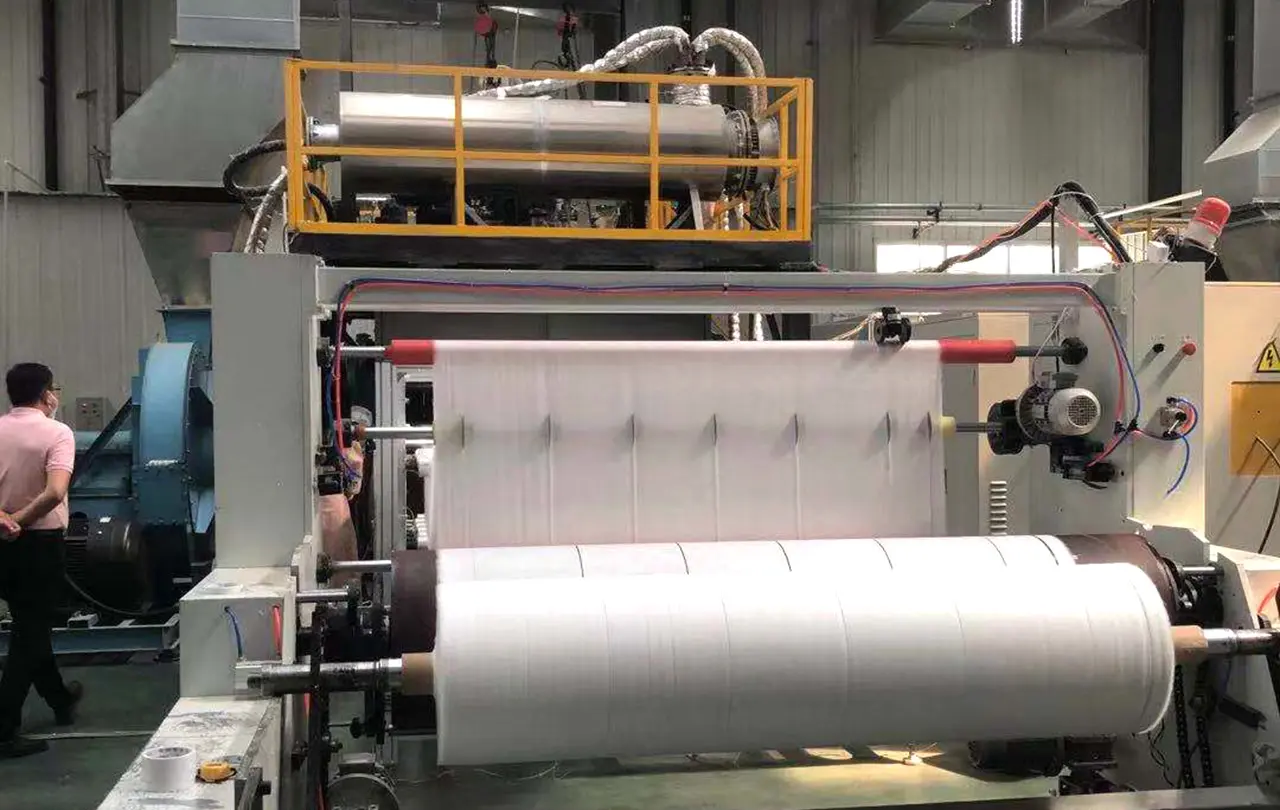
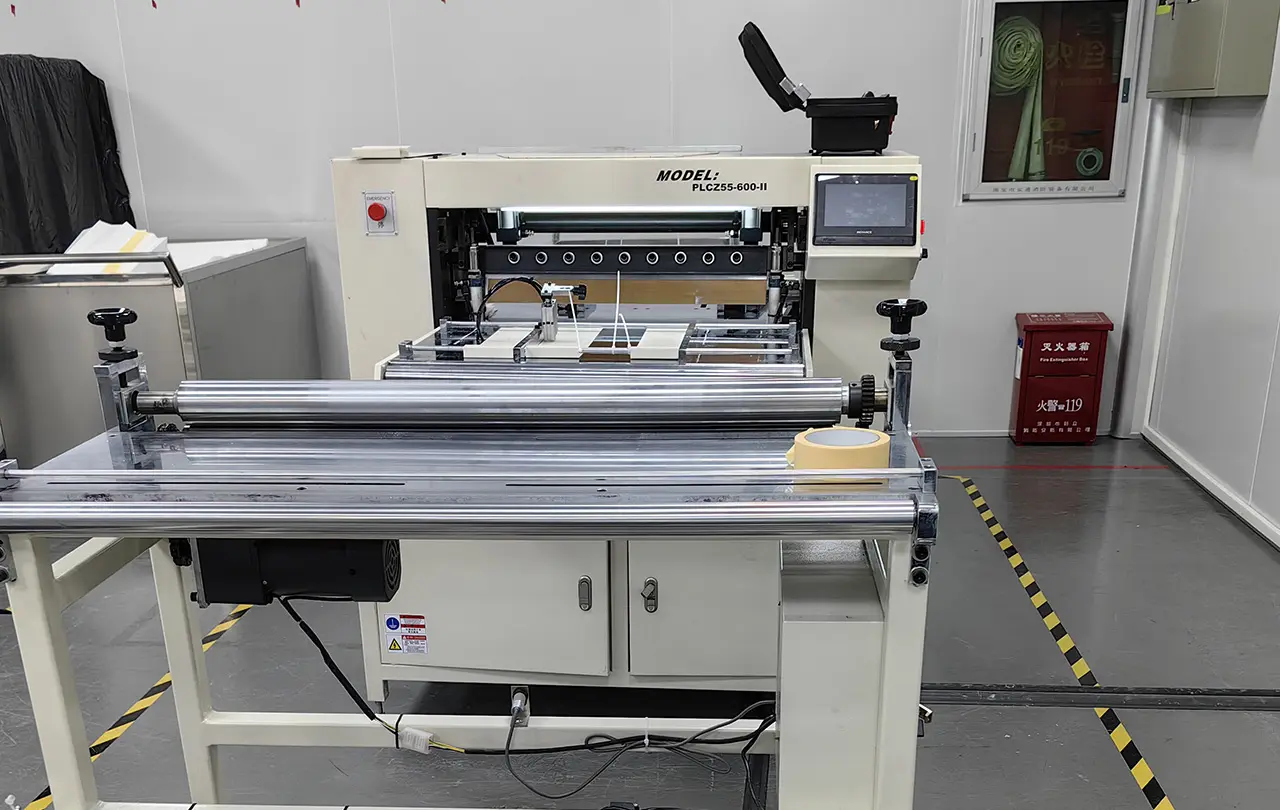
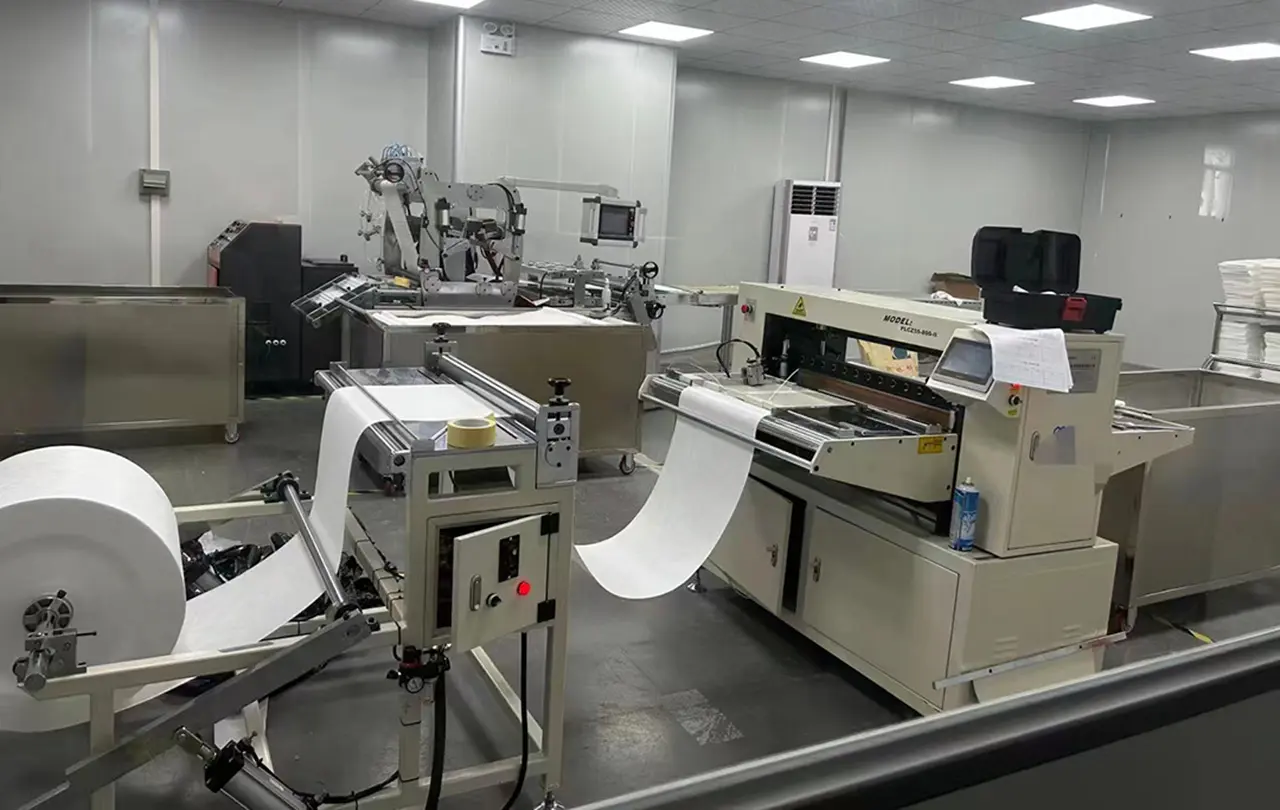
Ensuring compliance with international HVAC codes, fire ratings, and environmental certifications.
Deploying filtration products in global markets requires strict compliance with international testing and quality frameworks. At Shenzhen Snow Peak, our filters are tested and certified to meet key standards, including EN 779:2012, ISO 16890, and ASHRAE 52.2. This ensures exact PM1, PM2.5, and PM10 efficiency classifications. Our HEPA solutions are certified to EN 1822 (H13 to U17), guaranteeing leak-free performance for cleanroom applications.
Additionally, our activated carbon window filters meet strict fire protection requirements (such as UL 900 classifications for flammability and smoke generation). Through our localized logistics and distributor networks across Europe, North America, and Southeast Asia, we provide rapid support, fast custom tooling, and complete compliance documentation for global projects.
Expert answers to common engineering questions regarding activated carbon filtration, pressure drop, and service life.
The service life depends on the volume of carbon media, gas concentration levels, relative humidity, and air velocity. The primary indicator is the "breakthrough point," when the carbon's micropores become saturated and VOCs pass through. We recommend replacing pre-filters regularly and conducting yearly gas chromatography testing for heavy-duty applications.
When relative humidity exceeds 60%, water molecules compete with VOCs for adsorption sites within the micropores. This can significantly reduce gas filtration efficiency. For humid environments, we configure custom composite layers and apply moisture-resistant carbon coatings.
The pressure drop varies depending on carbon density and thickness. A standard 25mm deep active carbon carbon-foam matrix typically creates a pressure drop between 35 and 65 Pa at a face velocity of 2.5 m/s. We optimize the pleat spacing and carbon mesh density to keep system resistance as low as possible.
Standard active carbon primarily targets gaseous contaminants and odors, not biological pathogens. To capture viruses, we laminate a proprietary antibacterial, sterilizing HEPA filter layer directly onto the carbon media, achieving a verified 99.99% H1N1 virus removal rate.
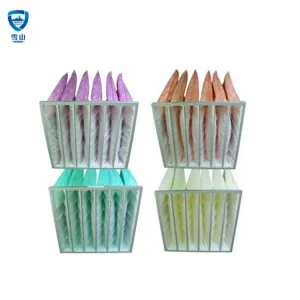
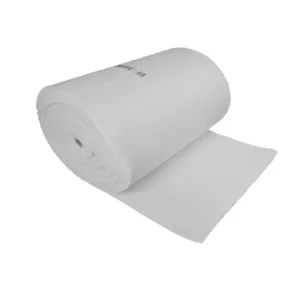
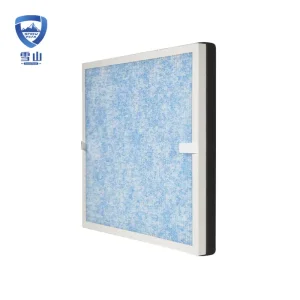
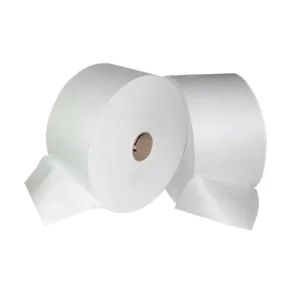
Explore our industrial rolls, pocket media, cleanroom gel-seal filters, and specialized replacement components.
 Snow Peak