Engineered replacement elements and raw filtration systems optimized for cleanrooms, commercial HVAC networks, and high-efficiency purification hardware.
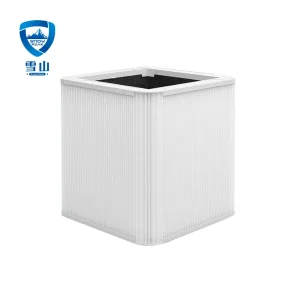
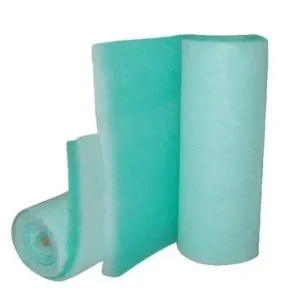
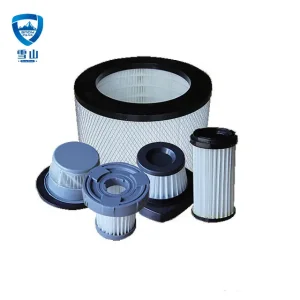
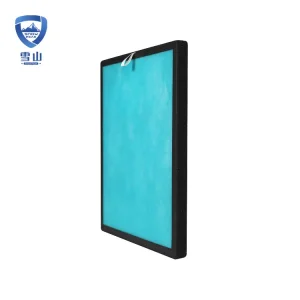
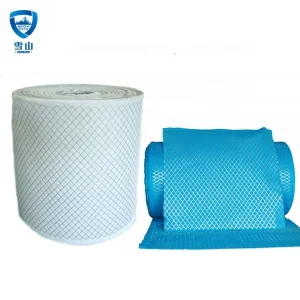
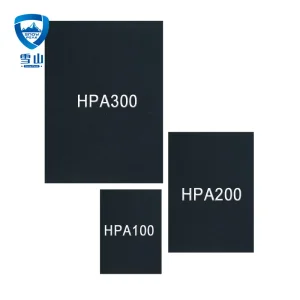
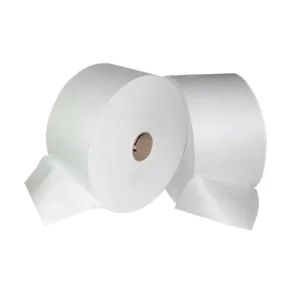
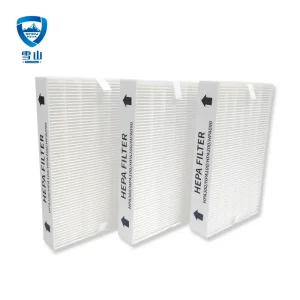
Volatile Organic Compounds (VOCs), including toxic hydrocarbon solvents, formaldehyde, benzene, and localized volatile chemical emissions, present severe environmental risks and occupational health hazards. Globally, regulatory mandates enforced by agencies such as the US Environmental Protection Agency (EPA) via the Clean Air Act Amendments, alongside the European Union's Directive 2010/75/EU (Industrial Emissions Directive), have transformed VOC abatement from optional environmental stewardship into a critical compliance requirement.
Consequently, multi-phase systems designed to absorb molecular hazards are standard installations in modern facility design. Advanced filtration infrastructure relies heavily on carbon VOC filter technologies to strip process air streams of highly toxic molecular burdens before discharge or recirculation. As clean air mandates tighten, modern manufacturing facilities require reliable, high-integrity carbon filters capable of consistent performance under fluctuating gas concentration profiles.
All structural statistics and filtration standards verified by the internal testing laboratory of Shenzhen Snow Peak Clean Technology Co., Ltd. conforming to EN 1822 and ISO 16890 protocols.
Understanding the molecular-scale differences between physical adsorption (physisorption) and chemical adsorption (chemisorption) is vital for optimal filter selection.
Physisorption is the primary mechanism for standard carbon VOC filters. Using pure activated carbon with a massive specific surface area (typically ranging from 1,000 to 1,400 m²/g), the filter captures gaseous VOCs through weak intermolecular Van der Waals forces. Excellent for high molecular weight compounds with low volatility, such as toluene, xylene, and heavy organic solvents.
For low molecular weight, highly polar molecules (such as formaldehyde, hydrogen sulfide, ammonia, and sulfur dioxide) that escape standard physisorption, we apply target-specific chemical impregnants to the carbon substrate. Chemical reagents (e.g., Potassium Permanganate [KMnO₄], Potassium Hydroxide [KOH], or Phosphoric Acid) react with target gases to chemically bind them, forming non-hazardous solid compounds within the pore matrix.
A gas filter's lifecycle is dictated by its Breakthrough Curve. Under uniform flow velocity and temperature, the concentration of outlet gas remains near zero until the carbon saturation front reaches the bed outlet. Key design parameters include the Critical Bed Depth, Gas Residence Time (ideally 0.1 to 2.0 seconds), and face velocity (typically kept under 2.5 m/s to prevent desorption and channel bypassing).
| Target Gas Category | Typical Representative Compound | Adsorption Mode | Standard Impregnated Phase Agent | Relative Adsorption Efficiency |
|---|---|---|---|---|
| Heavy Hydrocarbons | Toluene, Xylene, Ethylbenzene | Physical Adsorption | Non-impregnated Virgin Carbon (High CTC 60-80) | Outstanding (> 95% efficiency) |
| Acidic Gases | Hydrogen Sulfide (H₂S), Sulfur Dioxide (SO₂) | Chemisorption | Potassium Hydroxide (KOH) / Basic Impregnation | High (Chemical conversion to salts) |
| Alkaline Gases | Ammonia (NH₃), Volatile Amines | Chemisorption | Phosphoric Acid (H₃PO₄) / Acidic Impregnation | High (Neutralization reaction) |
| Low-Molecular Aldehydes | Formaldehyde (HCHO), Acetaldehyde | Chemisorption | Sodium Metabisulfite / Potassium Permanganate | Medium-High (Targeted complexation) |
From microelectronics to healthcare facility networks, specialized gas filtration requirements differ dramatically across target industries.
In modern semiconductor fabs, Airborne Molecular Contamination (AMC) causes serious defects in high-aspect-ratio wafer processes. Even sub-part-per-billion (ppb) concentrations of acidic gases, bases, or condensable organics can cause gate oxide breakdown or optical lens hazing on lithography equipment. Our carbon VOC and chemical filters are critical components of cleanroom Make-up Air Units (MAU) and Fan Filter Units (FFU), preventing costly process contamination.
Pharmaceutical processes generate volatile chemical vapors and process gases that must be filtered to protect both workers and product integrity. Standard HEPA filters capture airborne microbes but are transparent to toxic molecular compounds, meaning multi-stage configurations are required. Integrated carbon VOC filters effectively capture escaping process solvents, protecting sensitive laboratory personnel and maintaining clean biosafety environments.
Protects occupants from outdoor pollution, vehicle exhaust, and indoor outgassing (from carpets, office equipment, and building materials). Keeps indoor spaces healthy and compliant with ASHRAE Standard 62.1.
Captures paint overspray solvents and VOC emissions (such as MEK, toluene, and acetates), helping facilities comply with environmental limits and local exhaust ventilation (LEV) regulations.
Removes kerosene vapors, diesel exhaust fumes, and combustion byproducts from outdoor intake air, protecting high-traffic passenger terminals from odor and pollution.
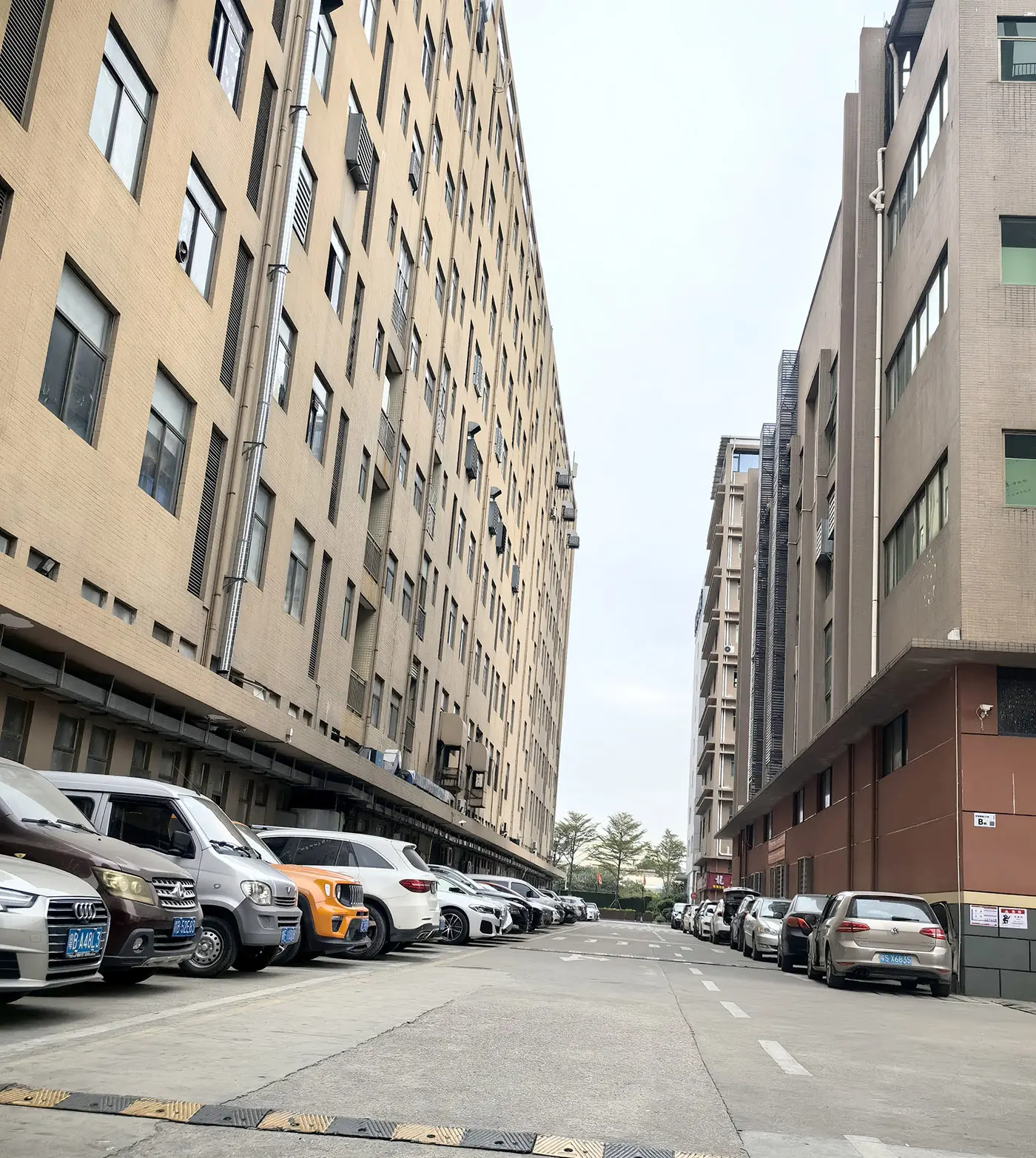
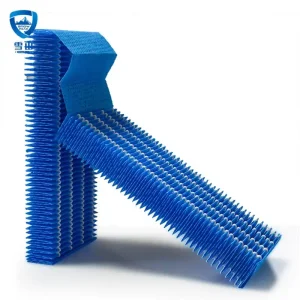
Shenzhen Snow Peak Clean Technology Co., Ltd. is an integrated high-tech enterprise specialized in air filtration products research and development, production, sales, import and export trade. We produce and supply: Pre-filters, pocket filters, HEPA filters, chemical filters; replacement HEPA filters, car cabin air filters, humidifier filters; pocket filter media, melt-blown composite filter media, and other high-performance filter materials.
We provide high-quality air purification solutions and products for indoor air pollution control and air conditioning systems in civil and industrial buildings, microelectronics, pharmaceuticals, laboratories, schools, and hospital clean rooms. Combined with our self-developed patented technology, our sterilizing antiviral HEPA filters effectively capture fine particles, maintaining PM2.5 concentrations below 10 micrograms/m³ (5 times better than the national standard). Our media inhibits microbial growth, achieving a 99.9% sterilization rate and 99.99% H1N1 virus removal without secondary pollution.
Combining 15 years of international air purification technology experience with automated production lines, CNC machining, and rigorous quality control testing.
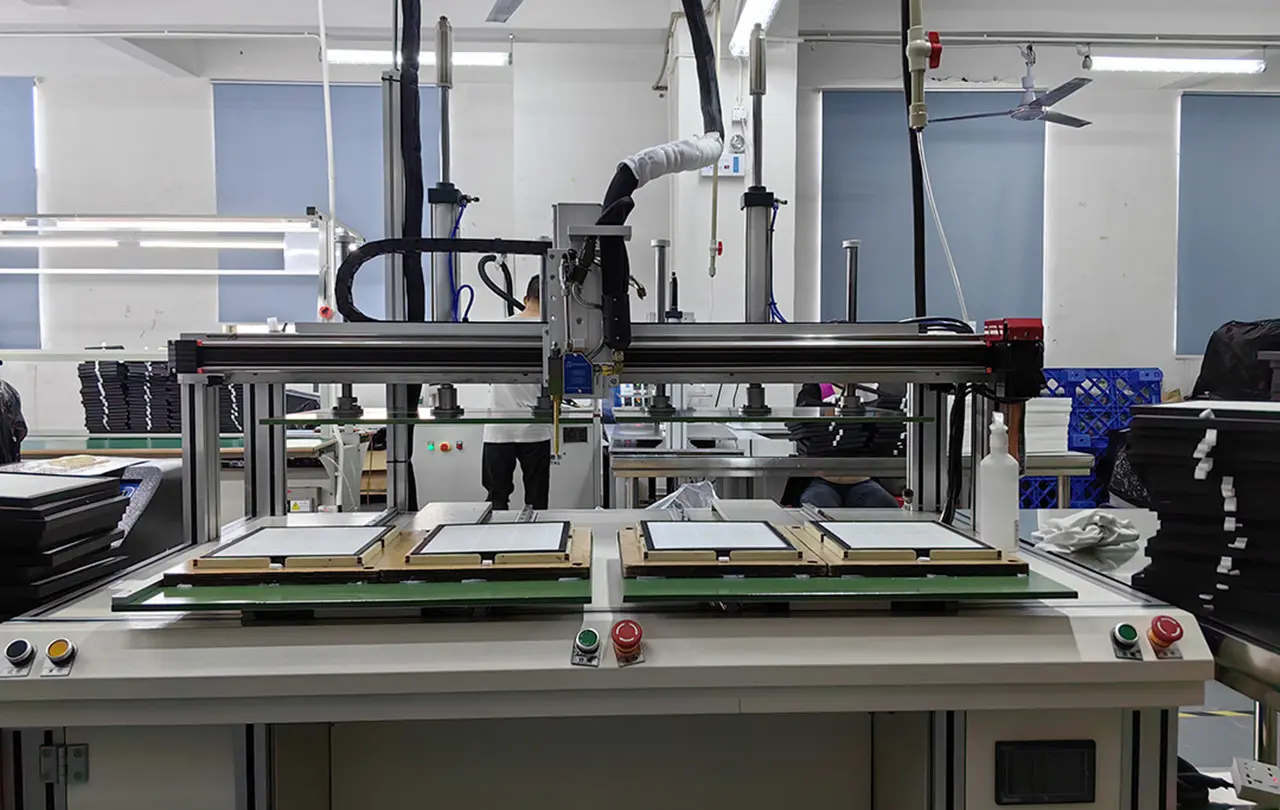
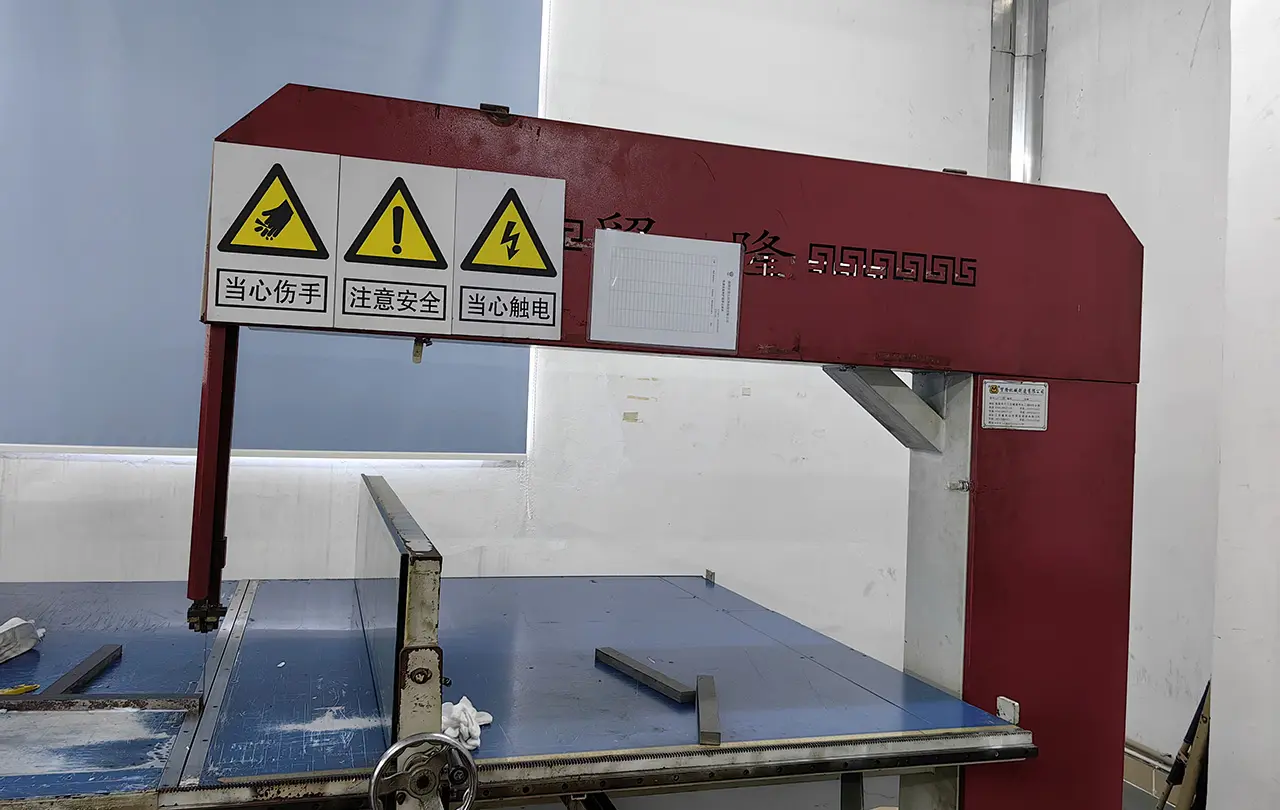
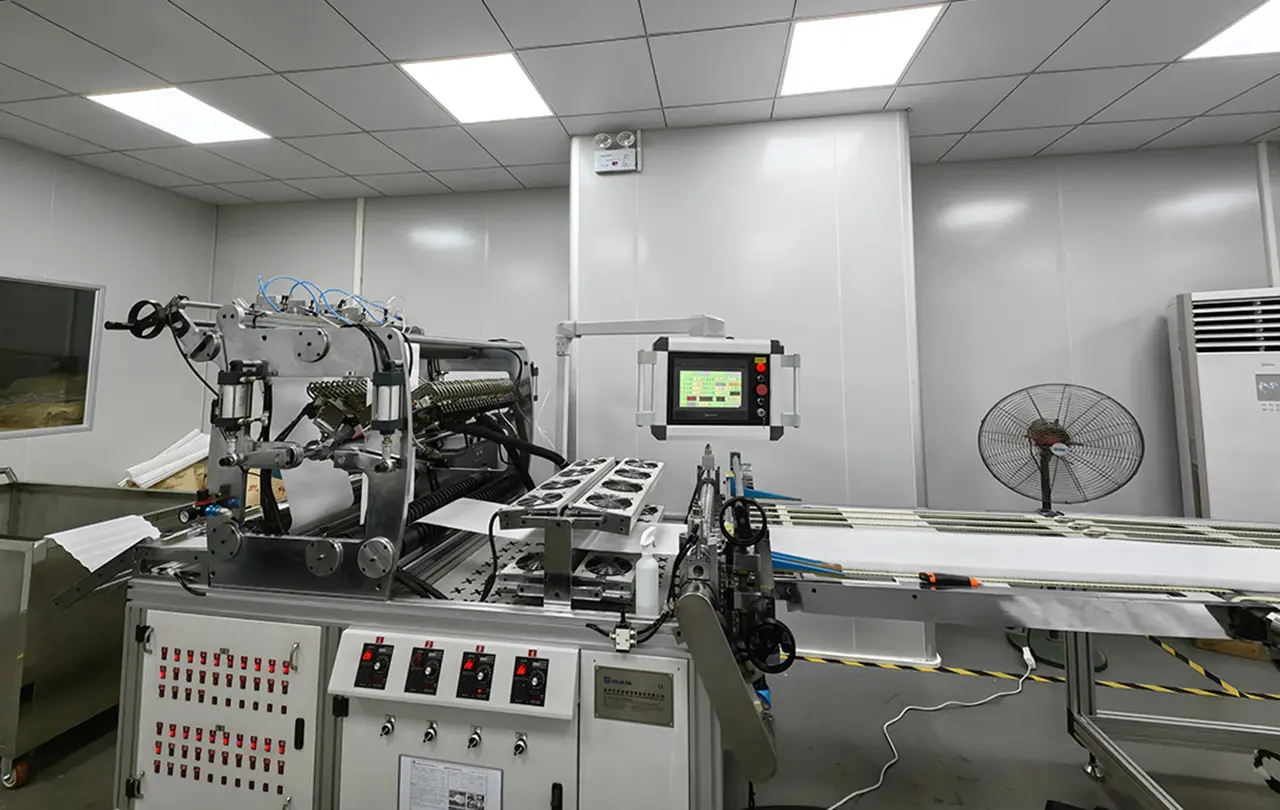
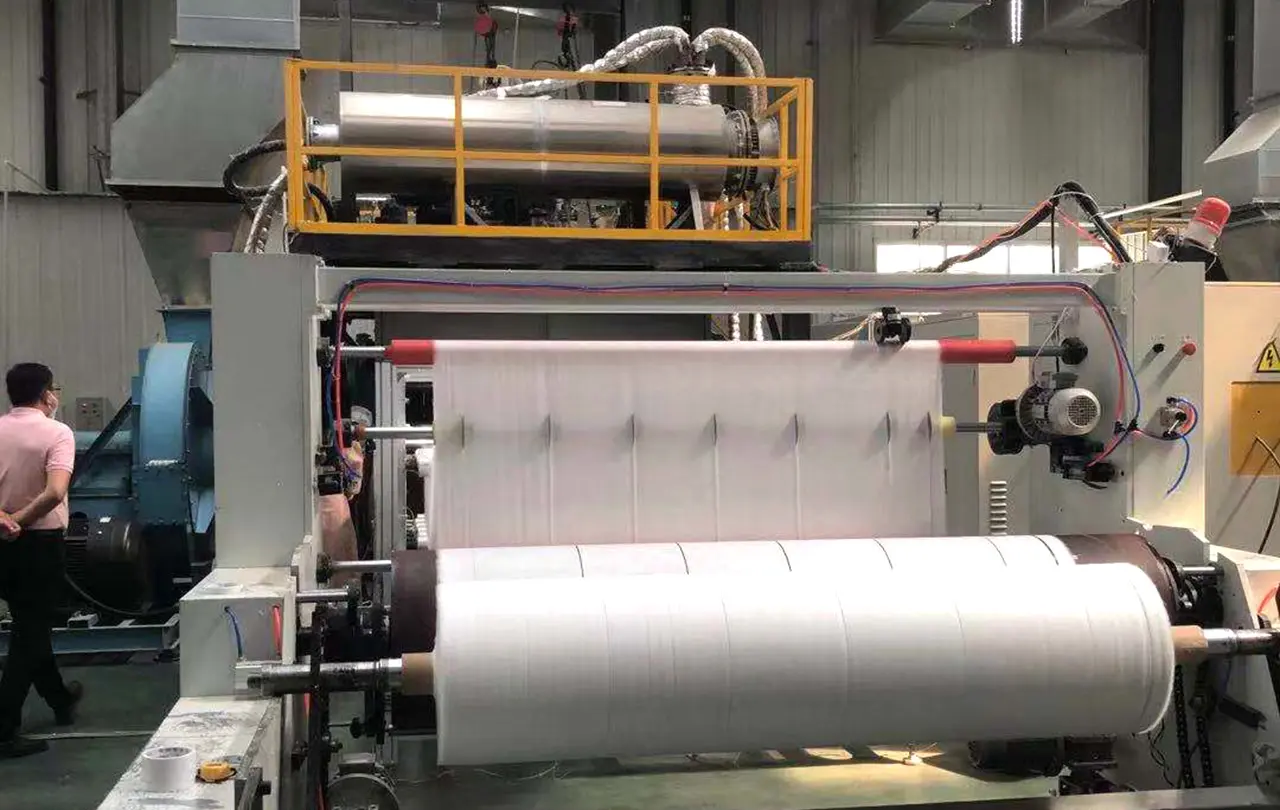
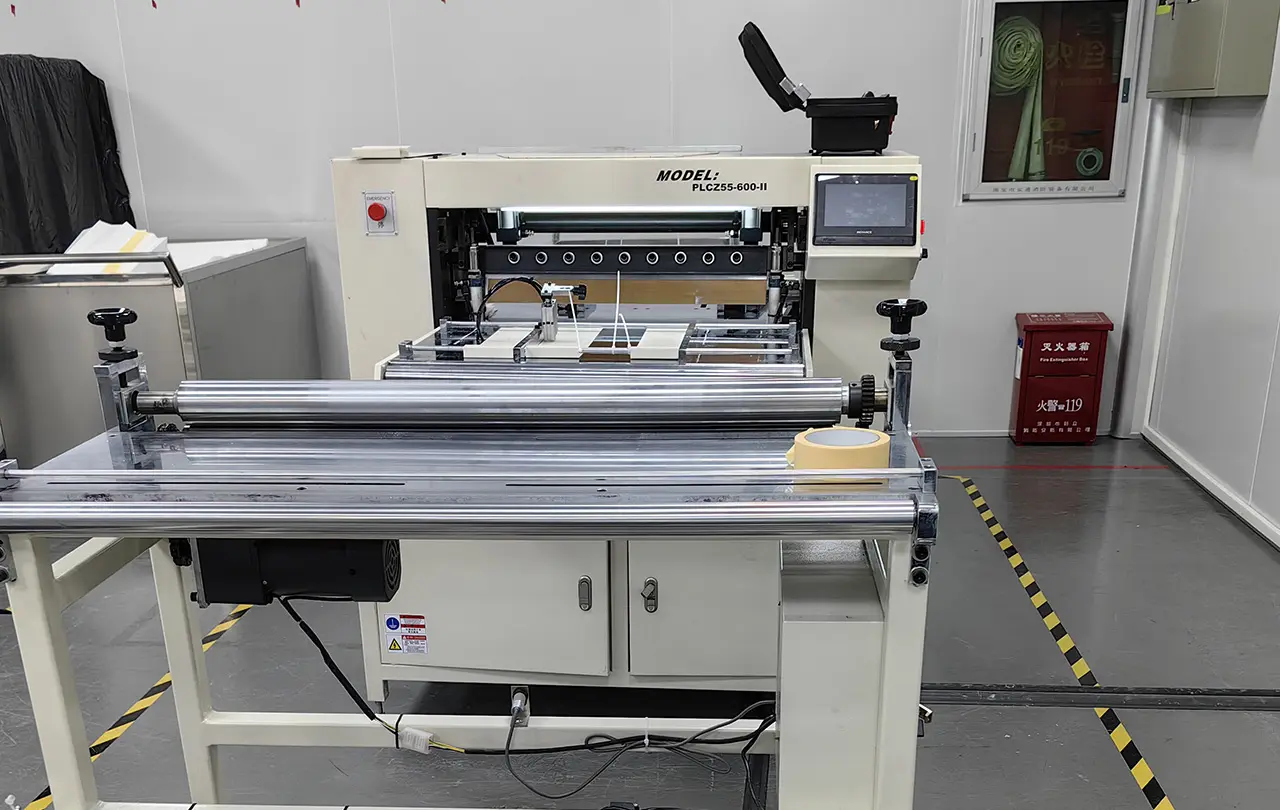
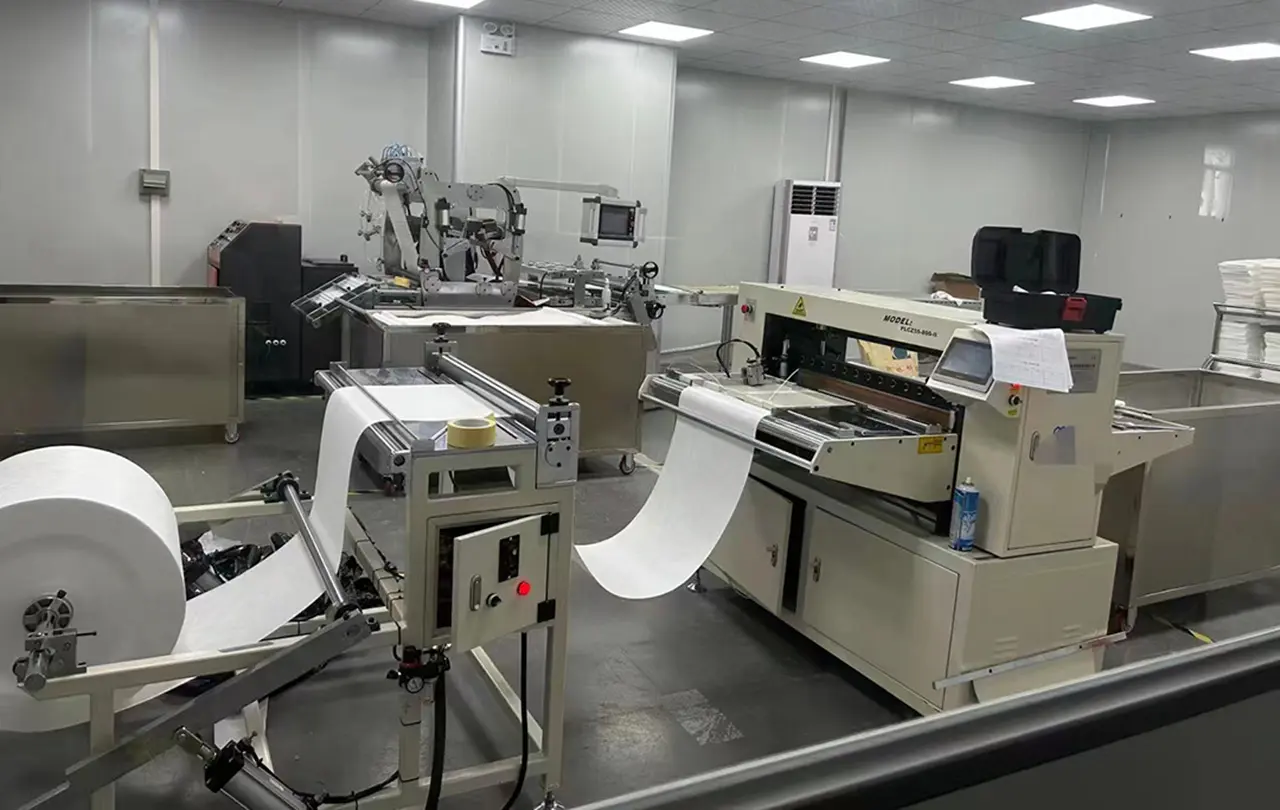
Our production facilities utilize a standardized, dust-free filter workshop equipped with advanced HEPA filter assembly and inspection lines. To ensure structural integrity, our manufacturing setup features high-precision CNC punch and CNC bending machines alongside our automated, proprietary filter production line.
This automated machinery ensures precise pleat spacing, consistent adhesive distribution, and secure frame sealing across all filter sizes. By minimizing manual assembly errors, we maintain consistent low-pressure drop performance and high structural integrity, even in demanding high-volume industrial air handling systems.
Our Quality Assurance system includes dynamic aerosol challenge testing, scan testing for leaks, and precise pressure drop verification. Every production run undergoes automated inspection to verify bypass-free sealing, particulate retention, and uniform air distribution across the filter face.
Developing next-generation materials and smart systems for sustainable gas-phase filtration.
We are researching MOFs to complement traditional activated carbon substrates. MOFs feature highly customizable, ultra-high-density pore networks designed to target specific toxic gases. This technology enables high adsorption capacities for low molecular weight compounds without chemical pre-impregnation.
To reduce maintenance costs, we are developing smart carbon filters with integrated solid-state sensor arrays. These sensors monitor real-time VOC gas concentration drops within the carbon bed, warning operators before breakthrough occurs to prevent downwind contamination.
To support circular economy goals, our R&D team is working on low-desorption carbon matrices. These designs allow for thermal-swing regeneration of spent filters in industrial processes, extending core filter life, reducing landfill waste, and lowering operating costs.
Critical engineering considerations, testing standards, and design variables for selecting activated carbon filters.
CTC (Carbon Tetrachloride) adsorption capacity is the standard ASTM test measuring the pore volume of activated carbon. A higher CTC rating (e.g., 60% to 80%) indicates a highly developed micropore structure, which provides a larger effective surface area and higher organic solvent adsorption capacity.
We use high-density packing processes to minimize voids within the carbon bed. Combined with polyurethane edge seals and rigid, double-wall perimeter framing, our designs prevent air bypass and channeling, ensuring uniform gas residence times across the entire face velocity profile.
Standard virgin carbon has low retention rates for small, polar acid gases (like HCl, HF, and SO₂). For these applications, we supply chemically impregnated carbon loaded with basic reagents (such as KOH or sodium carbonate). This chemisorption process converts volatile acid gases into stable inorganic salts.
Relative Humidity (RH) levels above 60% can reduce performance, as water molecules compete for the active adsorption pores. This reduces the filter's VOC capture capacity. In high-humidity environments, we recommend installing upstream dehumidifiers or selecting targeted chemisorptive carbon blends.
Our cleanroom filters undergo rigorous testing under ASHRAE 52.2, ISO 16890, and ISO 29463 standards. We verify fractional extraction efficiency using aerosol spectrometers, leak testing, and pressure drop analyzers to ensure each filter meets the specified engineering requirements.
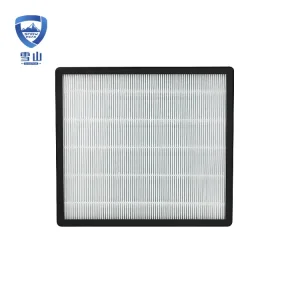
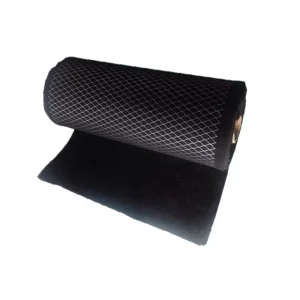
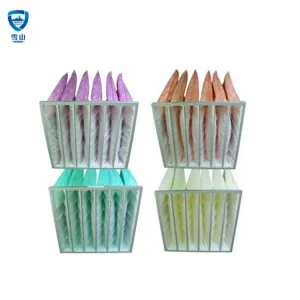
Premium grade metal mesh washable pre-filters, high-capacity carbon matrices, and OEM-grade bags designed to protect downstream HEPA filters.
 Snow Peak