Explore our primary collection of OEM/ODM meltblown synthetic bag filters, HEPA replacements, custom ventilation media, and industrial pre-filtration systems engineered for low pressure drop and extended dust holding capacity.
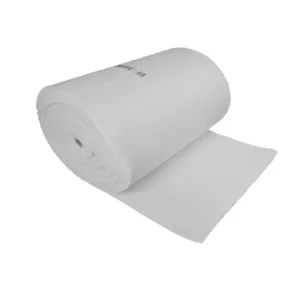
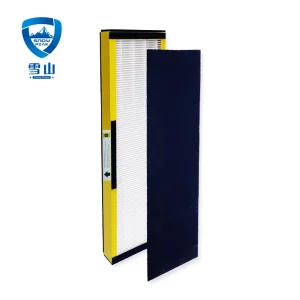
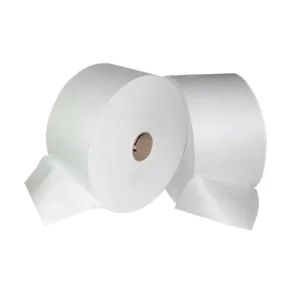
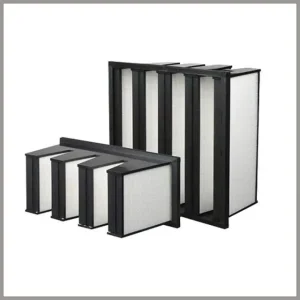
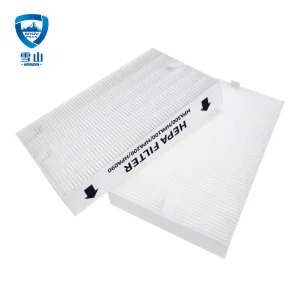
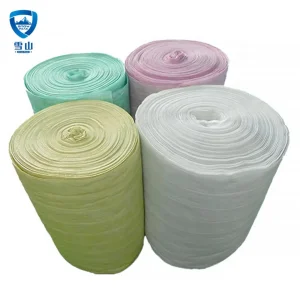
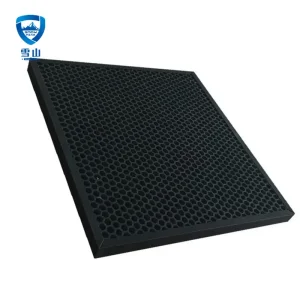
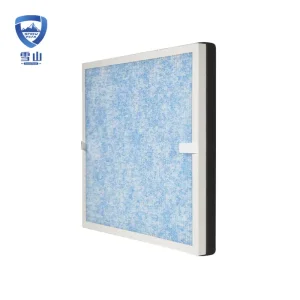
In modern industrial HVAC engineering and cleanroom environment design, selecting the right intermediate and fine bag filtration media directly governs operational energy consumption, indoor air quality (IAQ) compliance, and total cost of ownership (TCO). High-quality meltblown synthetic bag filters represent a technological paradigm shift from traditional micro-glass fiber media.
Traditional fiberglass pocket filters are vulnerable to fiber shedding, moisture saturation, and physical breakdown during handling or high-velocity airflow fluctuations. Meltblown synthetic pocket filters utilize 100% polypropylene (PP) continuous thermoplastic microfibers engineered via melt-blowing extrusion. This creates a matrix of multi-layered gradient density fibers (ranging from 1 to 5 microns in diameter) that capture sub-micron particulates through a combination of mechanical sieving, impaction, interception, and permanent corona electrostatic discharge (triboelectric charging).
| Performance Parameter | Meltblown Synthetic Bag Filter | Micro-Glass Fiber Bag Filter | Engineering Advantage |
|---|---|---|---|
| Fiber Shedding Risk | Zero (Continuous Filament PP) | Moderate to High (Brittle glass fibers) | Eliminates downstream cleanroom contamination |
| Moisture Resistance (RH) | 100% Hydrophobic (Up to 100% RH) | Hygroscopic (Degrades under high humidity) | Prevents microbial growth and structural sag |
| Mechanical Burst Strength | > 300 N / 50mm tensile threshold | Low burst strength under peak static pressure | Resists catastrophic blowout during air surges |
| Energy Consumption (TCO) | 25-35% lower initial pressure drop ($\Delta P$) | Higher initial differential pressure | Substantial reduction in HVAC fan power (kWh) |
| Classification Standards | ISO 16890 (ePM1 60-85%) / EN779 (F7-F9) | EN779 legacy standards | Strict compliance with current global air standards |
The high performance of our synthetic bag filters is anchored in advanced multi-layer progressive filtration media engineering. Rather than relying on a single uniform membrane, each pocket pocket utilizes a 3-tier or 4-tier composite construction.
The upstream outer layer comprises heavy-duty spunbond polypropylene fibers designed to capture large ambient dust particles, lint, and coarse particulate matter (>10 µm). This acts as a integrated pre-filter, shielding the inner fine meltblown layer from premature face-loading.
The core filtration layer is composed of high-density, ultra-fine meltblown fibers treated with an electrostatic charge injection. This layer electrostatically targets fine sub-micron dust (PM2.5 and PM1.0), capturing micro-pollutants without drastically increasing air resistance.
The downstream layer features a thermally bonded non-woven synthetic backing scrim. This structurally stabilizes the pocket under high air volume conditions, preventing fiber migration and maintaining pocket shape integrity under variable airflow rates.
Traditional bag filters stitched with needle threads introduce localized pinholes that allow fine dust bypass and compromise filtration efficiency. Our industrial meltblown synthetic bag filters utilize continuous ultrasonic seam welding technology. Ultrasonic high-frequency vibrations fuse the synthetic layers continuously along the perimeter, establishing a 100% leak-proof edge seal.
Furthermore, internal aerodynamic pocket separator ribs (spacers) are welded inside each individual pocket. These internal channels direct airflow uniformly across the entire pocket surface area, preventing adjacent pockets from inflating against each other ("pocket blinding"). This ensures complete utilization of the media, uniform dust loading, and minimal dynamic static pressure drop across the entire lifespan of the unit.
Integrating high-tech research, design, production, and international trade, Shenzhen Snow Peak Clean Technology Co., Ltd. is a global leader in high-performance air filtration media and custom purified air systems.
Shenzhen Snow Peak Clean Technology Co., Ltd. is an integrated high-tech enterprise, specialized in air filtration products research and development, production, sales, import and export trade. We produce and supply: Pre-filter, pocket filter, HEPA filter, chemical filter; replacement HEPA filter, car cabin air filter, humidifier filter; pocket filter media, melt-blown composite filter media, and other high-performance filter materials; provide high quality air purification solutions and products for indoor air pollution control and air conditioning systems of civil and industrial buildings, microelectronics, pharmaceutical, laboratory, school, hospital clean room etc.
Combined with self-developed patented technology, our sterilizing antiviral HEPA filter can effectively filtrate fine particles, so that PM2.5 concentration down to 10 micrograms/m³, 5 times better than national standard; effectively inhibit the breeding of microorganisms, sterilization rate up to 99.9%, and no secondary pollution, removal of H1N1 virus efficiency as high as 99.99%.
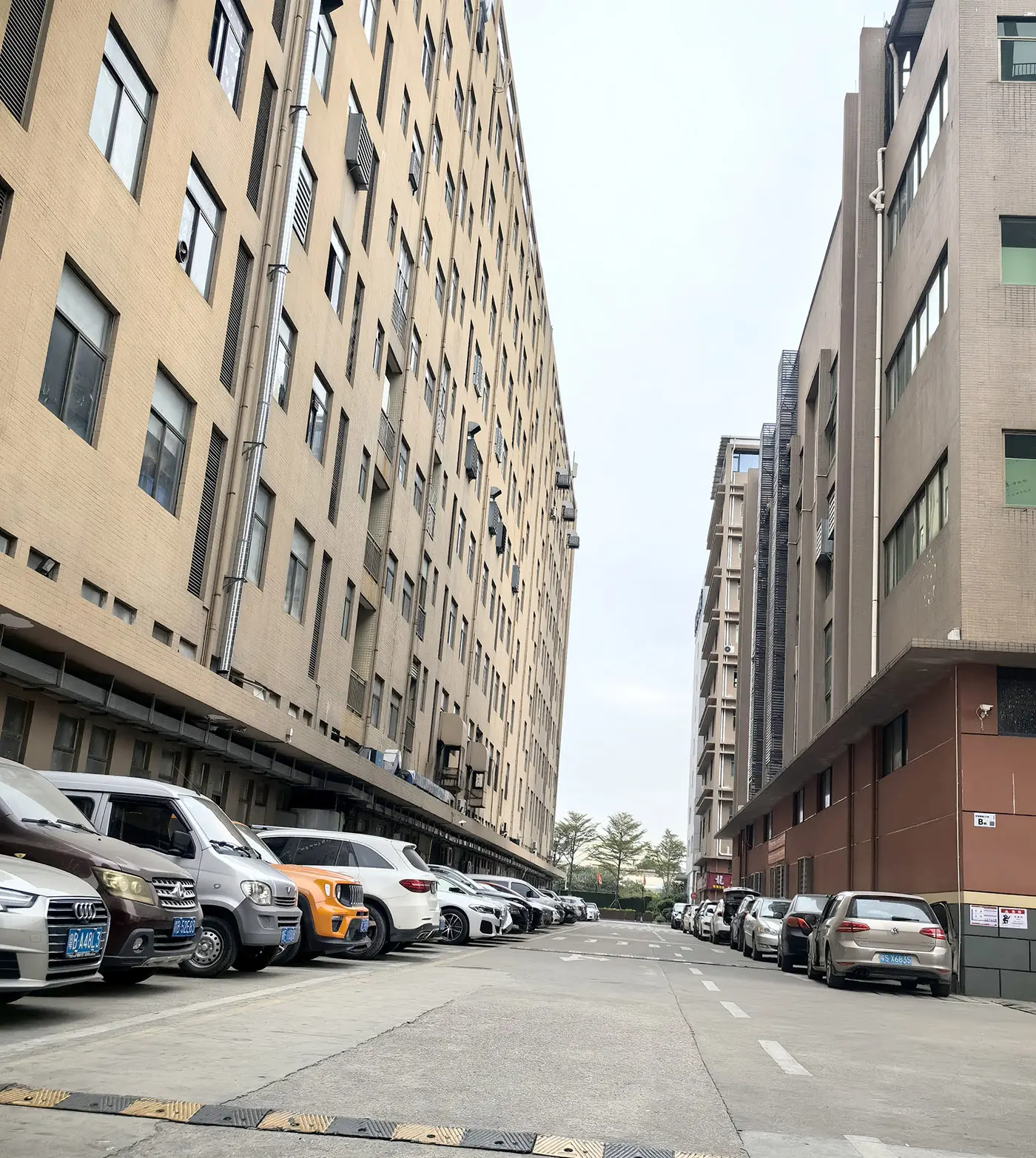
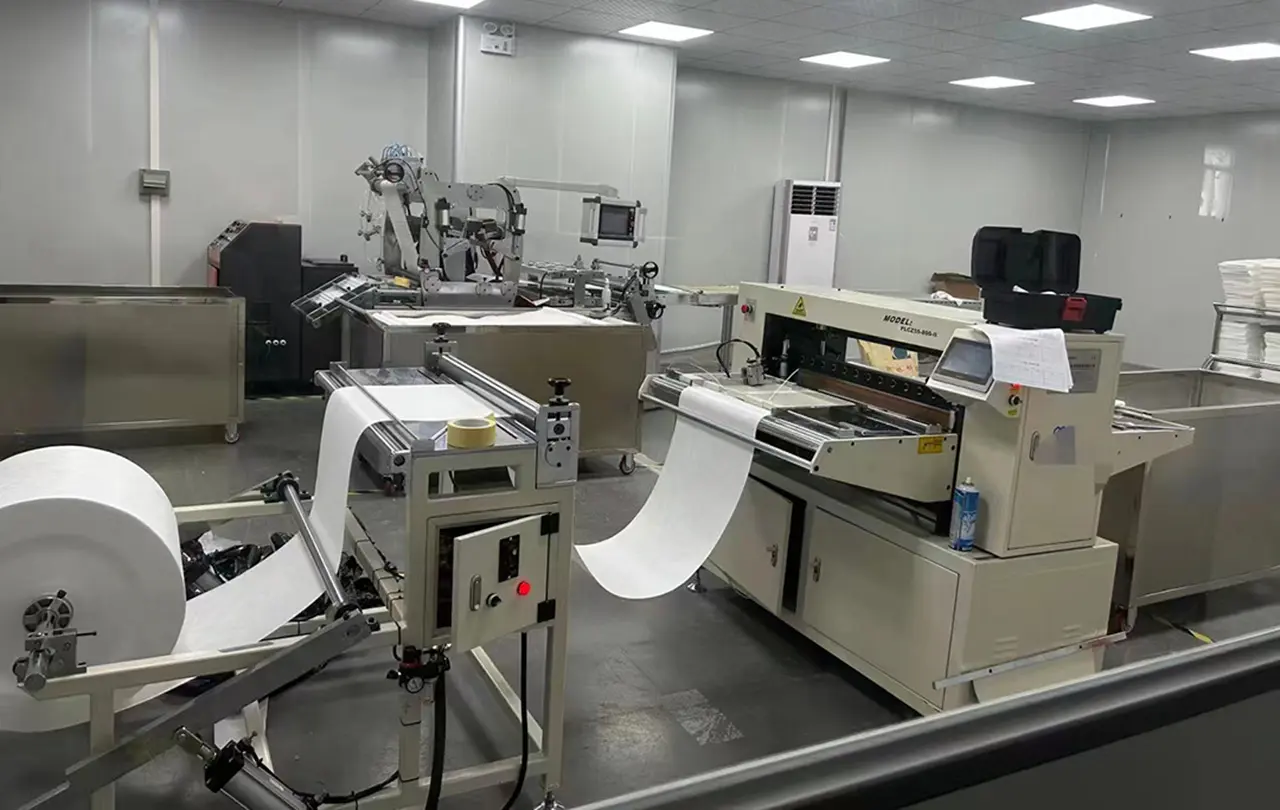
Equipped with modern dust-free filter assembly lines, automated ultrasonic sealing equipment, and advanced CNC tooling for heavy-duty metal frame fabrication.
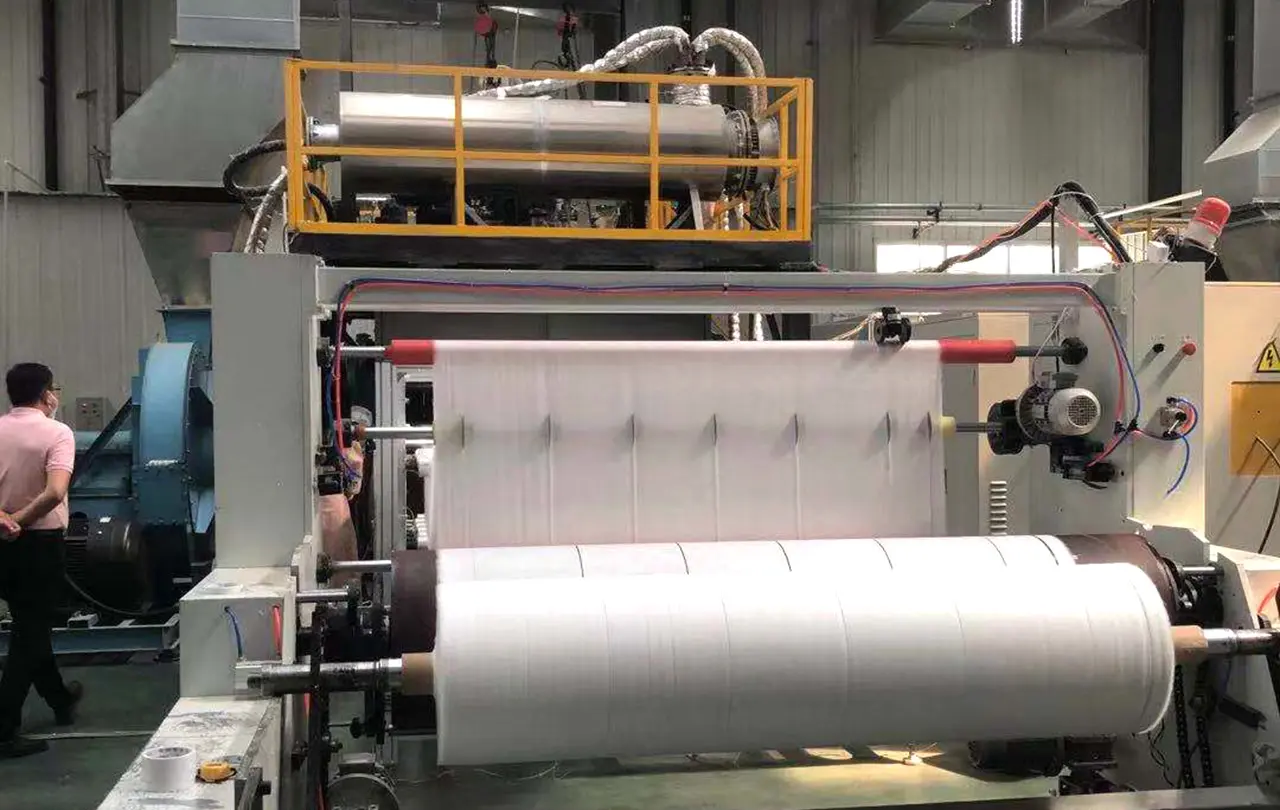
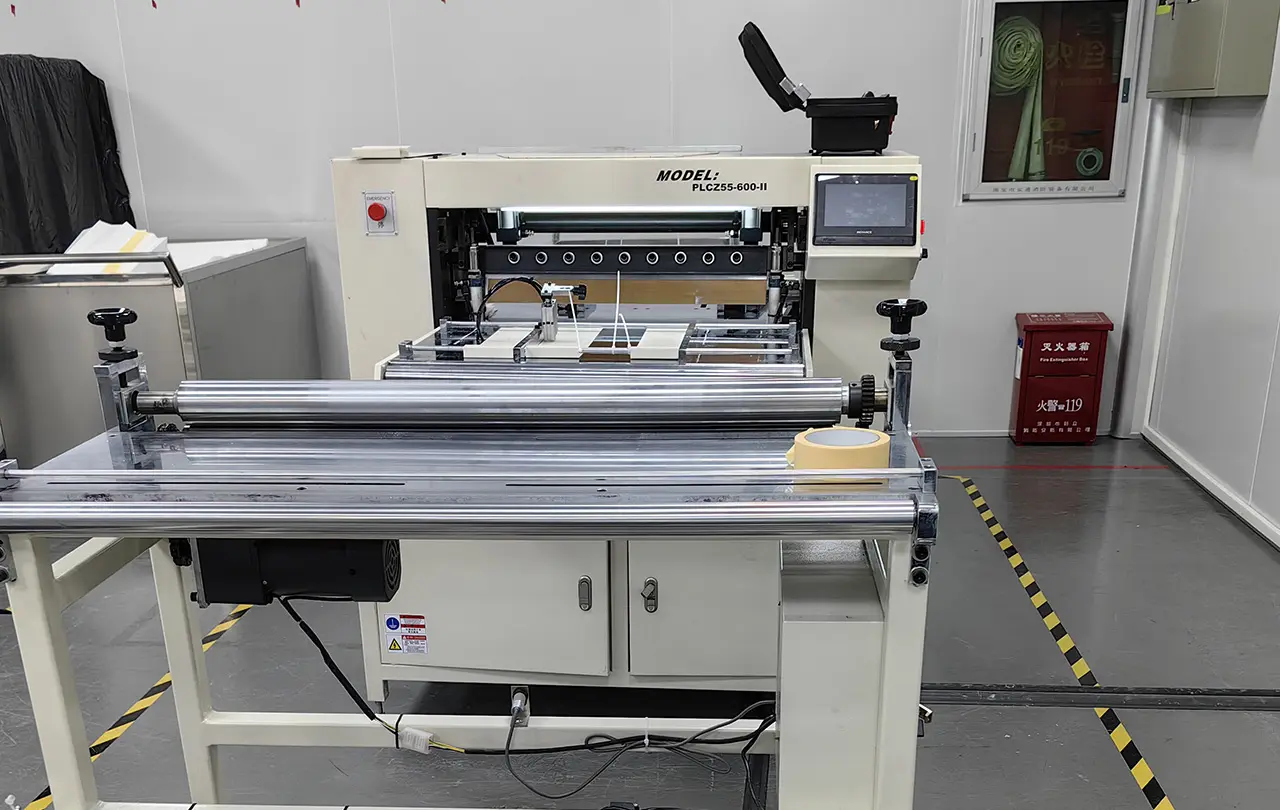
Having 15 years of international air purification technology experience as the background, our company has standardized production workshop, dust-free filter workshop and first-class technology of HEPA filters production line and inspection line, independent research and development of fully automatic air filter production line, equipped with AMADA CNC punch and CNC bending machine as well as many other advanced high-end equipment, provide a strong guarantee for production and quality of air filtration and purification products.
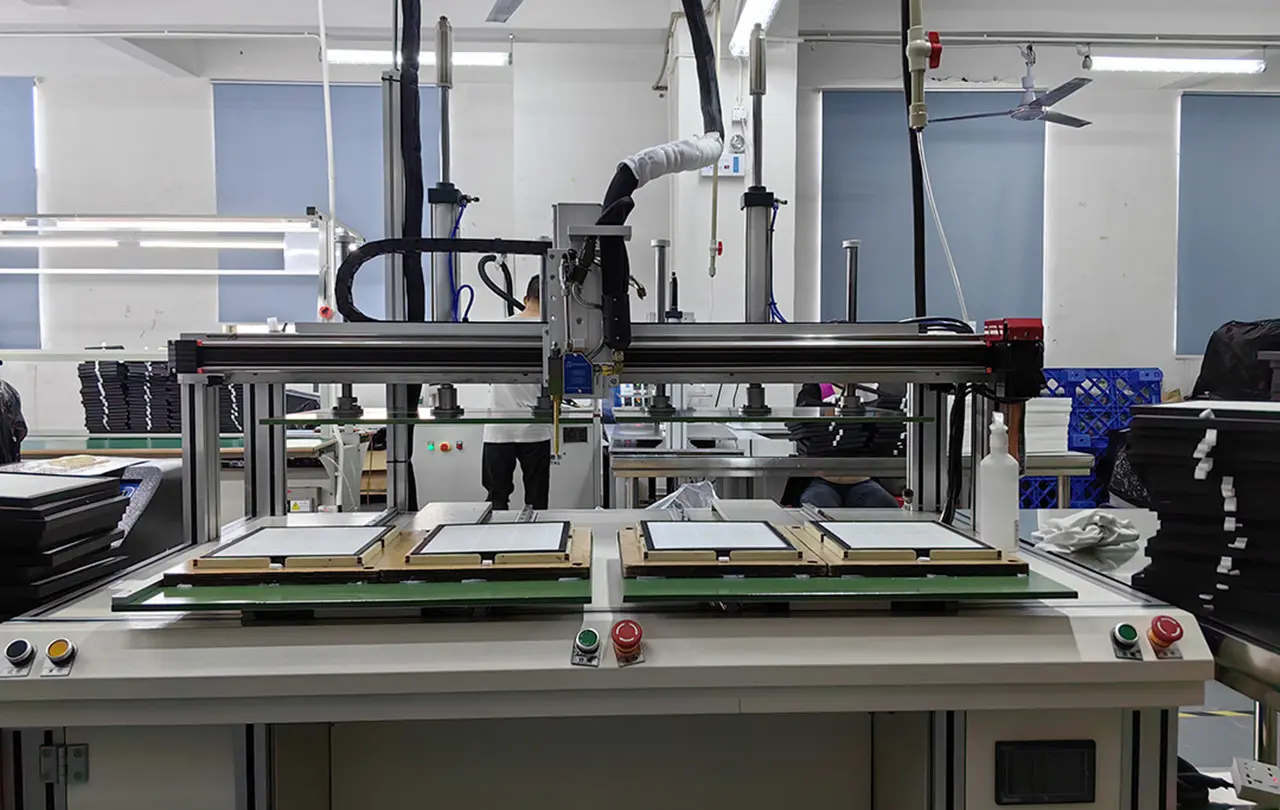 Gluing Machine
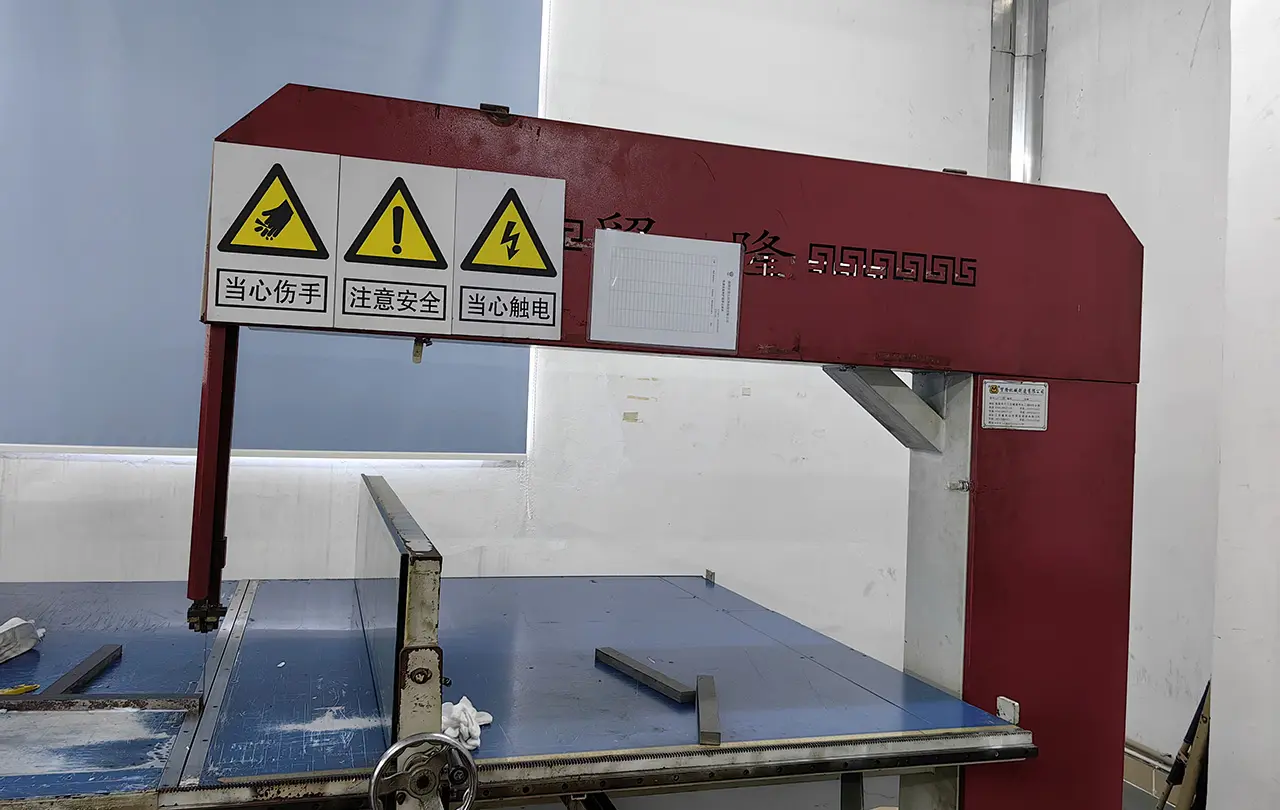 Cutting Machine
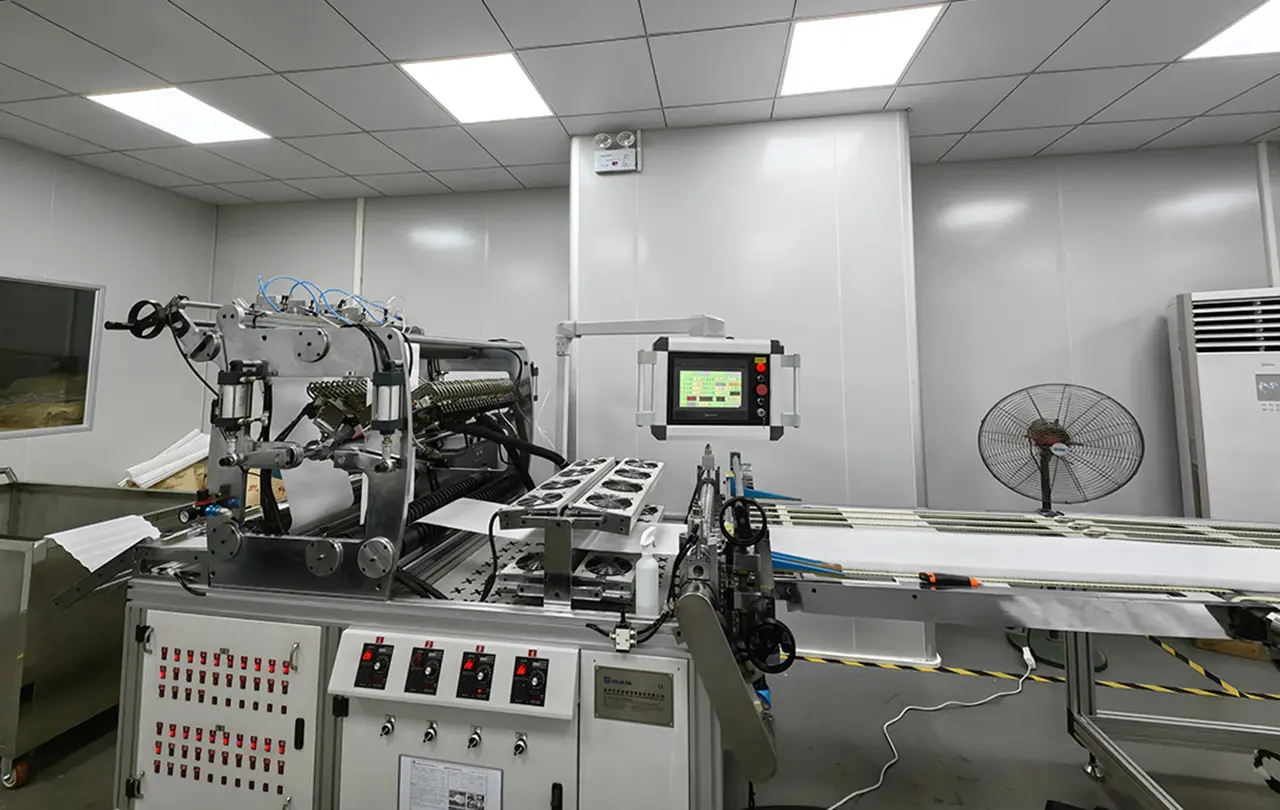 Precision Gluing
 Compound Media Assembly
 High-Speed Pleating
 Media Pleating Technology
Different industrial applications demand tailored pocket filter configurations to resist chemical solvents, humidity spikes, dynamic airflows, and particulate distributions. We provide specialized engineered synthetic solutions tailored across key macro industries.
In semiconductor cleanrooms, airborne molecular contamination (AMC) and sub-micron dust can destroy yield rates. Our F7/F8 (ePM1 70%) meltblown synthetic pocket filters are installed as pre-filters upstream of terminal ULPA/HEPA filters. Their non-shedding synthetic structure ensures zero particulate generation from the filter media itself.
Pharmaceutical processing facilities require strict sterility controls. Incorporating our patented antiviral/antibacterial synthetic media prevents microbial colonization on filter surfaces. Certified ISO 16890 ePM1 performance protects cleanroom air handler units (AHUs) against bio-aerosols, pollen, and airborne bacterial spores.
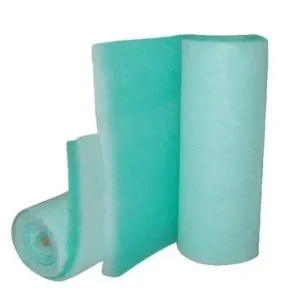
Automotive spray booths demand silicone-free air filtration to eliminate cratering and paint surface defects. Our synthetic ceiling and pocket filters deliver 100% silicone-free filtration media, capturing 99.9% of paint mist particles and atmospheric fine dust while maintaining uniform laminar airflow profiles across the spraying chamber.
Procuring high-volume air filtration products requires consistent supply chain reliability, competitive unit costs, precision engineering tolerances, and rapid international logistics capabilities.
Unlike regional assemblers that outsource media rolls, Shenzhen Snow Peak operates a vertically integrated production infrastructure. We control raw polypropylene polymer extrusion, multi-stage meltblowing continuous lines, ultrasonic laminating, and CNC automated frame manufacturing. This vertical integration drastically reduces raw material yield loss, shortens manufacturing lead times, and maintains strict quality control over electrostatic charging consistency.
Every production batch of meltblown synthetic bag filters undergoes stringent quality verification on state-of-the-art TSI 8130 Automated Filter Testers. We measure particle penetration, initial pressure drop, media basis weight uniformity, and seam tensile strength to ensure zero-defect shipment across global OEM/ODM orders.
As environmental regulations tighten and energy costs escalate, our R&D roadmap focuses on pushing the boundaries of synthetic media efficiency and sustainable manufacturing.
Developing fully biodegradable synthetic meltblown media utilizing Polylactic Acid (PLA) and bio-polyolefins to lower lifetime carbon footprints without sacrificing mechanical filtration efficiency or durability.
Integrating ultrafine electrospun nanofiber surface coatings onto meltblown substrates to achieve surface-loading filtration, eliminating reliance on electrostatic charges and ensuring stable long-term ePM1 ratings.
Embedding low-cost differential pressure printed RFID tags into filter frames, enabling automated building management systems (BMS) to monitor real-time filter loading and schedule optimized replacement intervals.
When evaluating global air filter suppliers, procurement engineering teams must analyze both international regulatory compliance and Total Cost of Ownership (TCO) metrics.
Over the operational lifetime of an air filter in a commercial or industrial HVAC system, purchase cost accounts for only 10% to 15% of total expenditure. Maintenance and disposal represent 5% to 10%, while fan electricity consumption comprises a staggering 70% to 80% of the total cost.
By switching to low-resistance synthetic meltblown pocket filters, facilities reduce average operating static pressure drop by 30-50 Pascals. On a continuous 24/7 air handling unit, this yields thousands of kilowatt-hours (kWh) in annual electricity savings per AHU bank.
Detailed engineering answers to critical user intent queries regarding synthetic meltblown bag filter performance, customized manufacturing, and application troubleshooting.
Meltblown synthetic bag filters eliminate the risk of fiber shedding, which is a common vulnerability of fragile micro-glass media. Synthetic polypropylene fibers are continuous, highly durable, and hydrophobic. They resist moisture absorption up to 100% relative humidity, maintain structural integrity under dynamic turbulent airflow, and feature a significantly lower initial pressure drop, translating to energy savings in HVAC fan operations.
ISO 16890 evaluates filter efficiency based on real-world particulate size fractions: ePM1 (0.3–1.0 µm), ePM2.5 (0.3–2.5 µm), and ePM10 (0.3–10 µm). Under ISO 16890, legacy EN779 classes roughly map as follows: F7 corresponds to ePM1 50-65%, F8 corresponds to ePM1 65-80%, and F9 corresponds to ePM1 >80%. ISO 16890 also mandates an isopropyl alcohol (IPA) vapor discharge step to measure pure mechanical efficiency after electrostatic charge decay.
While triboelectric electrostatically charged meltblown fibers provide high initial sub-micron capture efficiency at minimal airflow resistance, dust loading over time gradually shifts the filtration dominant mechanism to high-efficiency mechanical interception and impaction. Our multi-layer media engineered by Shenzhen Snow Peak incorporates a high-density mechanical media core alongside electrostatic treatment, ensuring that efficiency remains robust even after complete electrostatic dissipation.
We provide comprehensive custom engineering options: pocket quantities (from 3 to 10 pockets), pocket lengths (300mm to 900mm+), custom header frame depth (20mm, 25mm header thickness in Galvanized Steel, Extruded Aluminum, or Molded ABS Plastic), integrated synthetic gaskets, internal spacer wire configurations, and specialized media treatments (antimicrobial, carbon-impregnated, or flame-retardant DIN 53438 F1 ratings).
While initial pressure drop typically ranges between 45 Pa and 85 Pa depending on efficiency grade (M6 to F9) and face velocity, the recommended final differential pressure replacement limit is usually set at 250 Pa to 450 Pa max. Operating filters beyond 450 Pa significantly increases HVAC fan energy consumption and risks pocket structural deformation.
Our standardized production environment utilizes fully automated ultrasonic welding line machinery, AMADA CNC punching, and TSI 8130 automated particle counter test rigs. Every batch undergoes rigorous quality sampling for differential pressure, arrestance efficiency, burst pressure strength, and dimensional tolerances before export packaging.
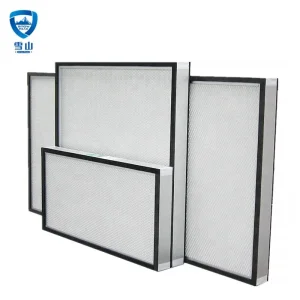
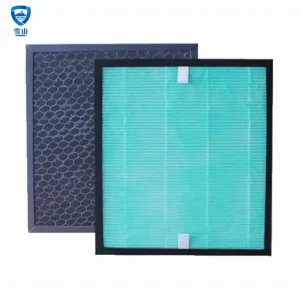
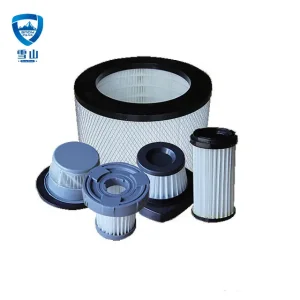
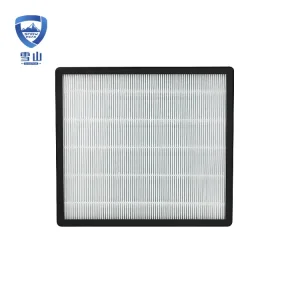
Explore our expanded lineup of composite HEPA filters, activated carbon gas-phase modules, air purifier replacement sets, and custom dust collection components.
 Snow Peak