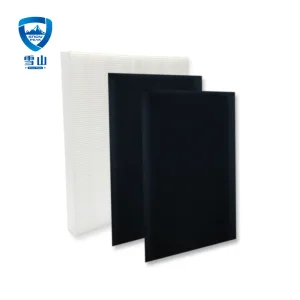
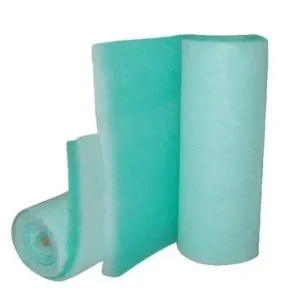
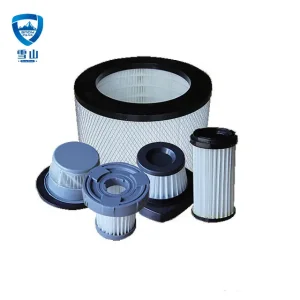
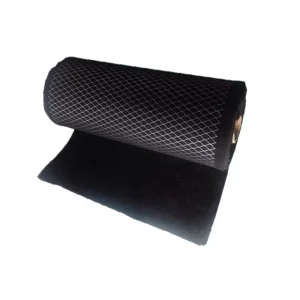
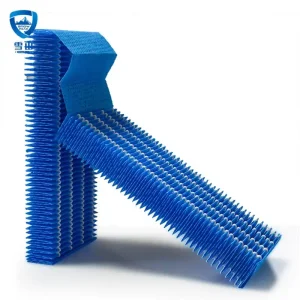
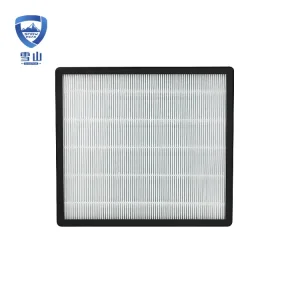
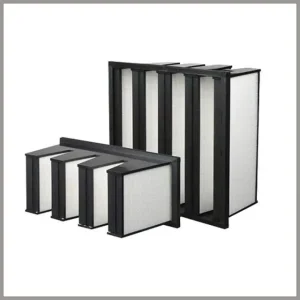
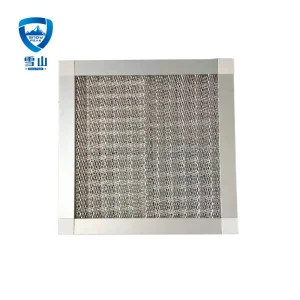
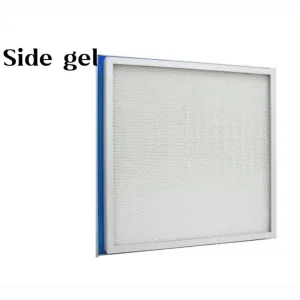
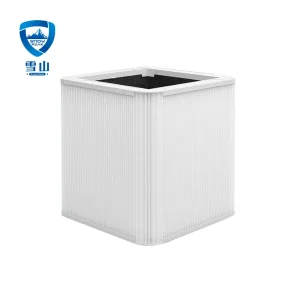
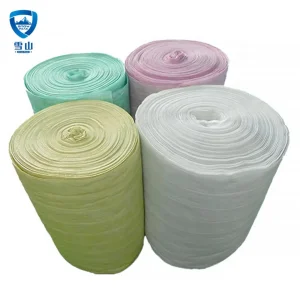
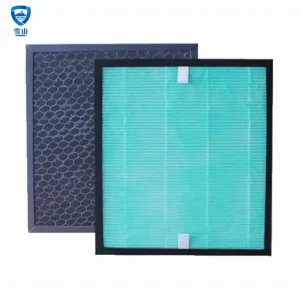
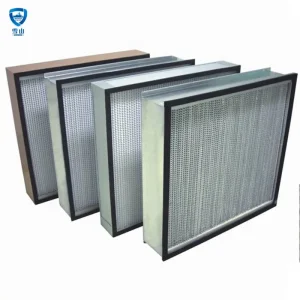
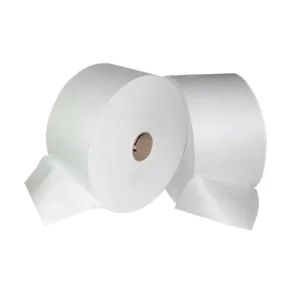
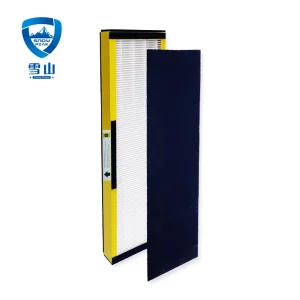
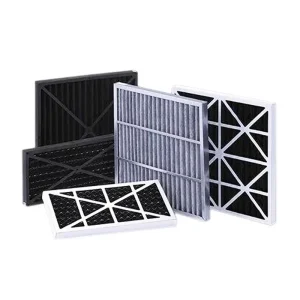
In the architecture of modern air handling units (AHUs) and HVAC systems, primary filtration serves as the first line of defense. The Pleated Pre Filter G3 (conforming to EN 779:2012, or classified under ISO Coarse 50% pursuant to the ISO 16890 standard) is a critical component engineered to capture particulate matter larger than 10 microns. By trapping coarse dust, hair, pollen, sand, and textile fibers, these filters protect expensive secondary high-efficiency filters (such as F7/F9 pocket filters) and HEPA systems from premature clogging and degradation.
The G3 pleated structure optimizes the media surface area within a standard footprint, allowing high dust-holding capacity (DHC) while maintaining a low initial pressure drop. The low-resistance design directly correlates to reduced mechanical strain on centrifugal fans, yielding significant electrical energy savings. In cleanrooms, heavy machinery intake, and complex manufacturing plants, selecting a high-grade G3 pre-filter is not merely an operational choice; it is an engineering mandate that influences the life-cycle cost (LCC) of the entire air purification chain.
Shenzhen Snow Peak Clean Technology Co., Ltd. is an integrated high-tech enterprise, specialized in air filtration products research and development, production, sales, import and export trade. We produce and supply: Pre-filter, pocket filter, HEPA filter, chemical filter; replacement HEPA filter, car cabin air filter, humidifier filter; pocket filter media, melt-blown composite filter media, and other high-performance filter materials; provide high quality air purification solutions and products for indoor air pollution control and air conditioning systems of civil and industrial buildings, microelectronics, pharmaceutical, laboratory, school, hospital clean room etc.
Combined with self-developed patented technology, our sterilizing antiviral HEPA filter can effectively filtrate fine particles, so that PM2.5 concentration down to 10 micrograms/m3, 5 times better than national standard; effectively inhibit the breeding of microorganisms, sterilization rate up to 99.9%, and no secondary pollution, removal of H1N1 virus efficiency as high as 99.99%.
The international demand for Pleated Pre Filter G3 units has surged as industries globally align with tighter IAQ (Indoor Air Quality) and industrial hygiene regulations, such as OSHA, EU directives on workplace safety, and LEED certification rules. In the Western markets (North America and Western Europe), the focus is heavily geared toward energy efficiency. Low-pressure-drop G3 pre-filters are utilized to lower the carbon footprint of commercial HVAC operations. Meanwhile, in rapid-growth industrial hubs across the Asia-Pacific region, Central and Latin America, and the Middle East, G3 pre-filters are vital to handle high ambient dust loads in heavy industrial parks, preventing dust cake build-up on downstream HEPA units.
As primary components of multi-stage filtration, G3 filters are crucial for the global electronics, automotive paint, and food processing industries. A reliable pre-filtration step ensures that downstream absolute filtration (H13/H14) operates within optimal performance windows. This structural separation of filtration duties minimizes operating downtime, optimizes maintenance schedules, and guarantees that strict cleanroom parameters are persistently met.
Achieving reliable filtration performance requires modern production facilities and rigorous mechanical engineering. At Shenzhen Snow Peak Clean Technology Co., Ltd., we utilize a full automated assembly line to produce consistent pleat geometry, frame stability, and high media integrity.
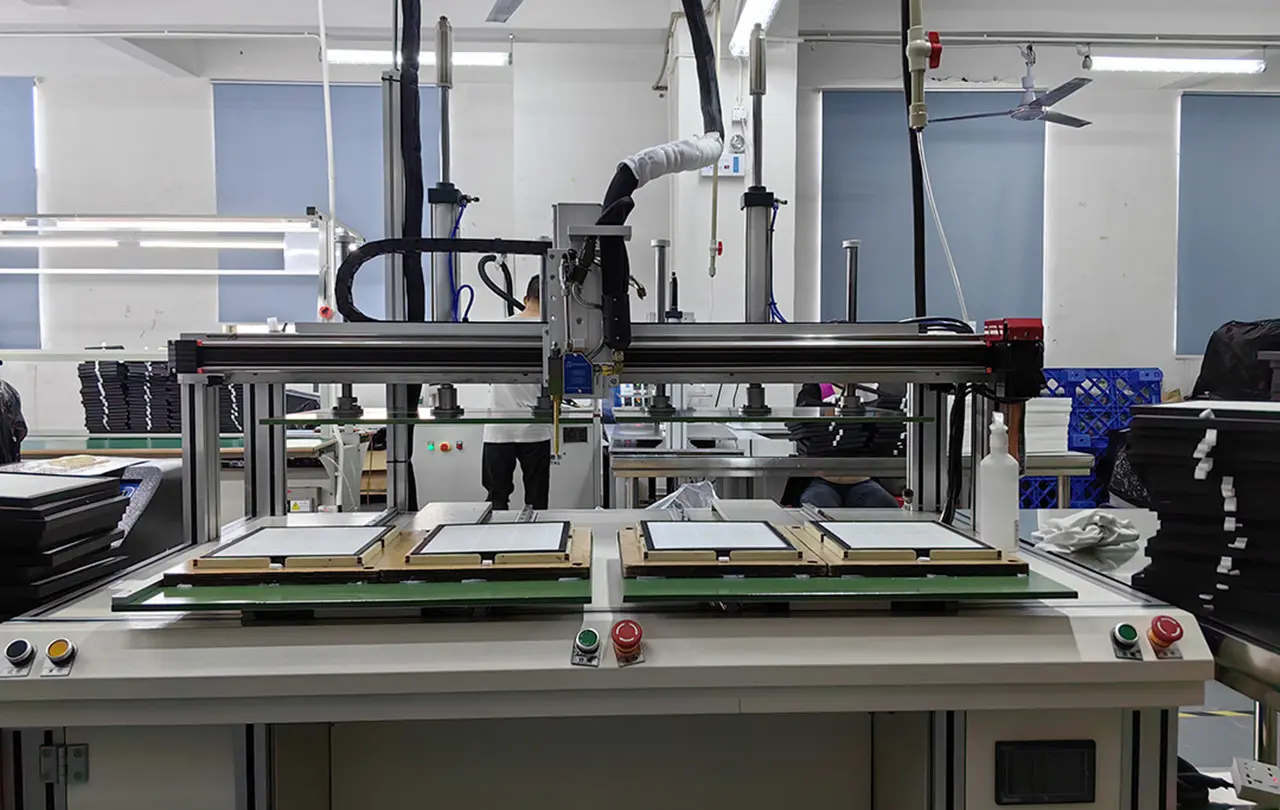
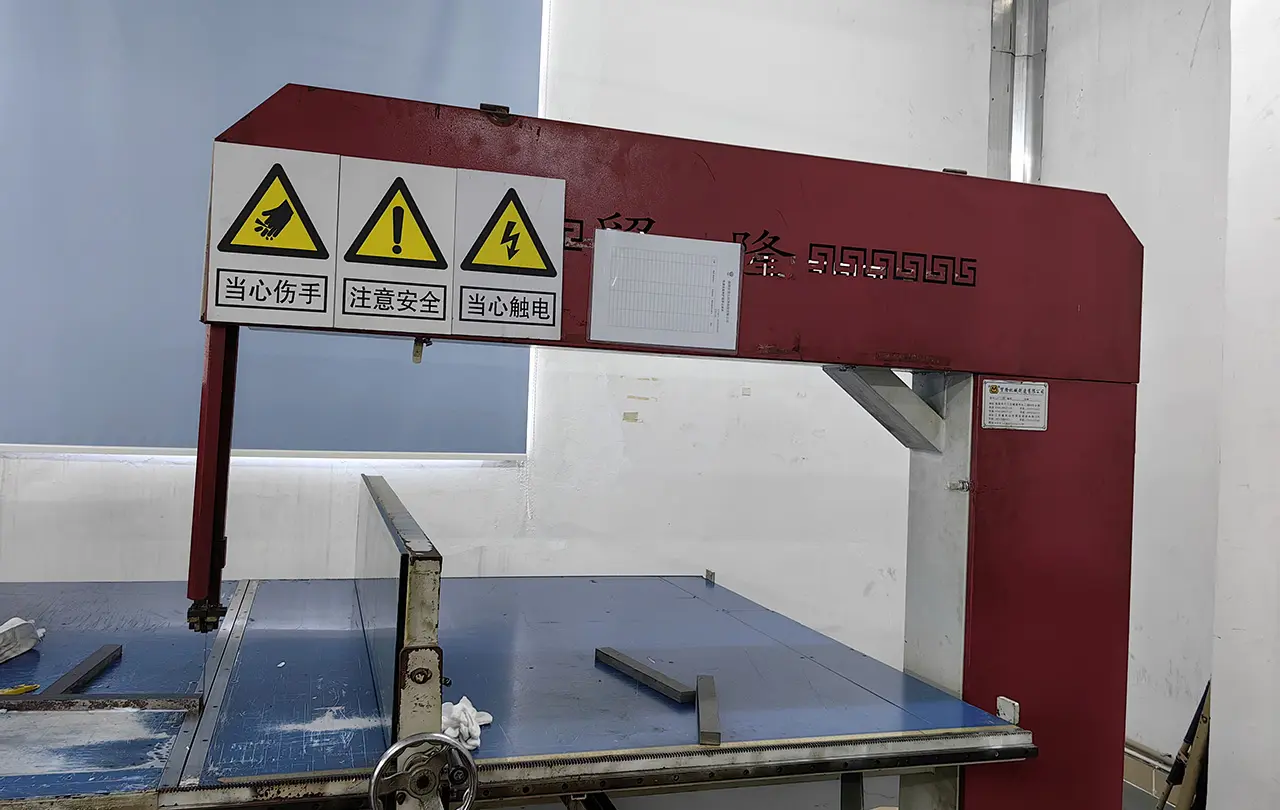
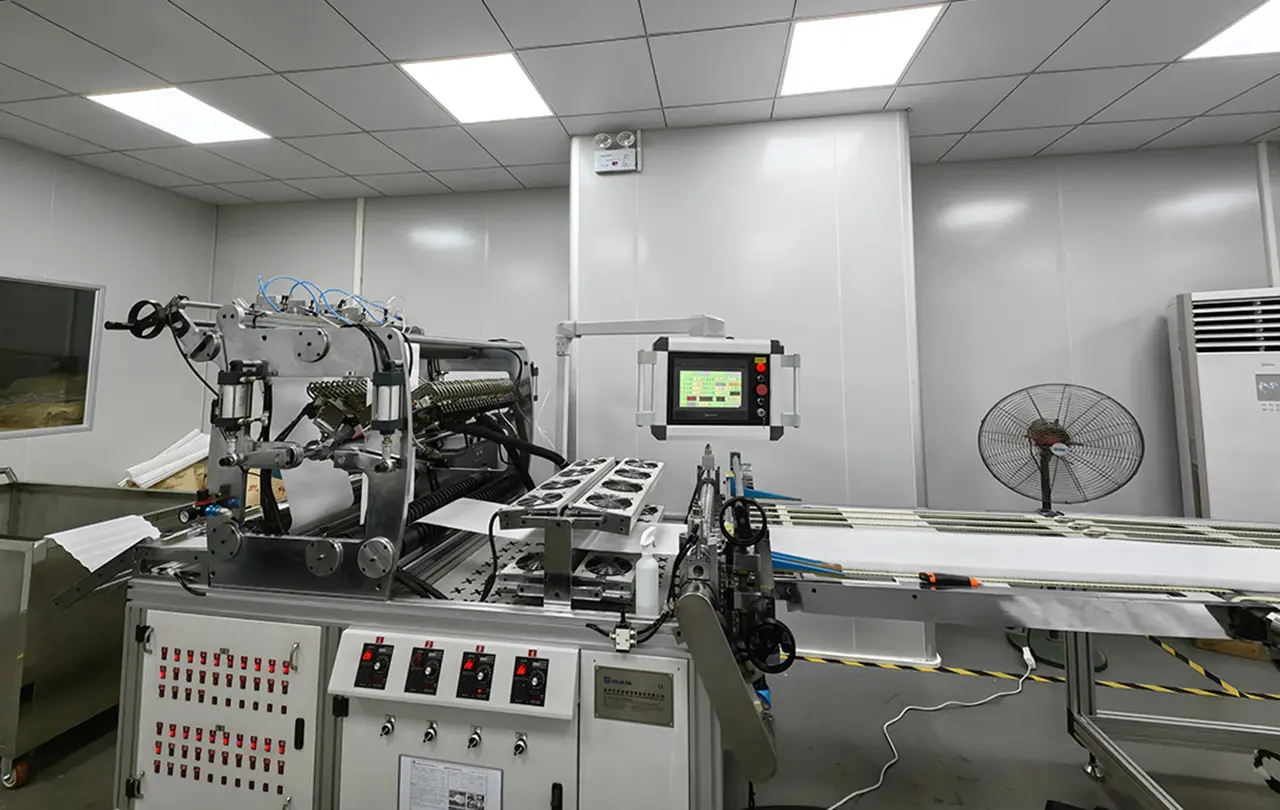
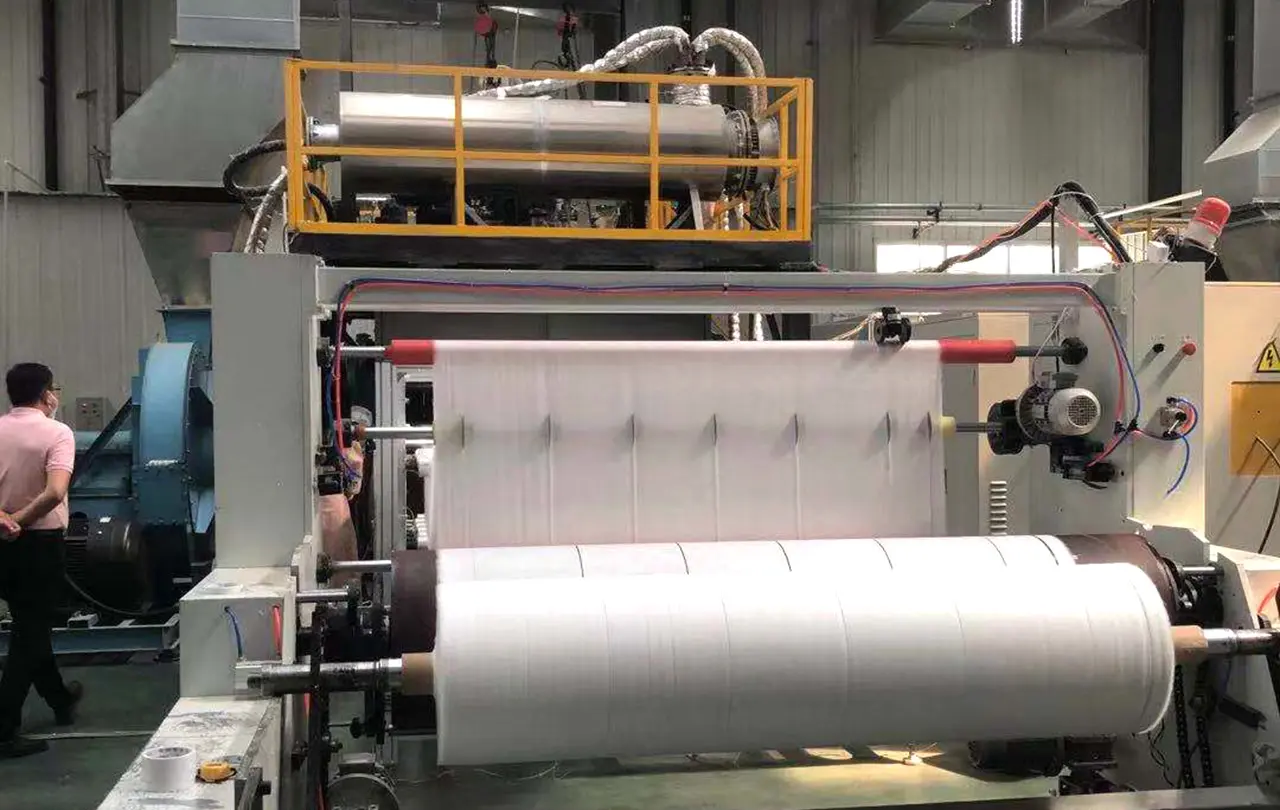
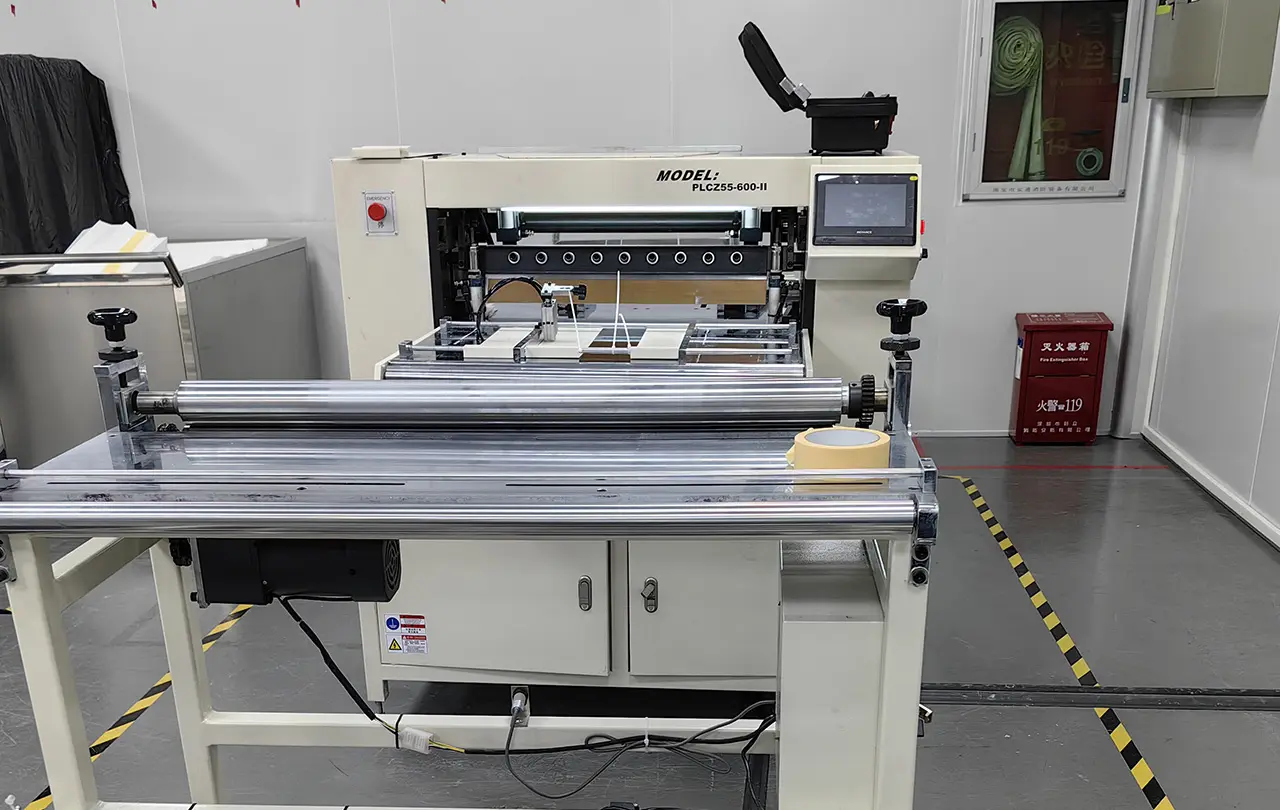
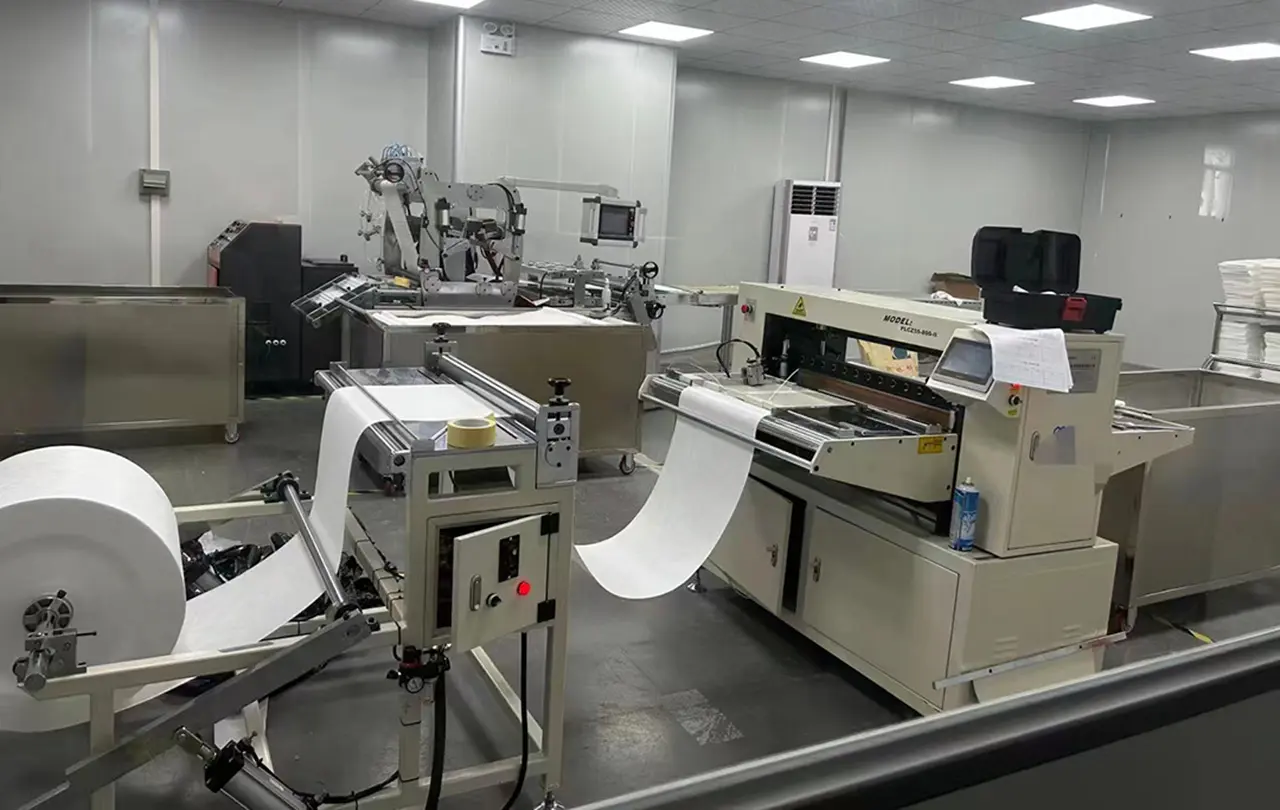
Having 15 years of international air purification technology experience as the background, our company has standardized production workshop, dust-free filter workshop and first-class technology of HEPA filters production line and inspection line, independent research and development of fully automatic air filter production line, equipped with AMADA CNC punch and CNC bending machine as well as many other advanced high-end equipment, provide a strong guarantee for production and quality of air filtration and purification products.
The air filtration industry is undergoing a paradigm shift driven by legislative mandates and technological advancements. Key macro trends shaping the G3 pre-filtration market include:
The transition from EN 779 to ISO 16890 requires filter manufacturers to state exact fractional efficiencies against PM10, PM2.5, and PM1 particulate metrics. Current G3 media are engineered to achieve superior "ISO Coarse" ratings, guaranteeing predictable filtration efficiency.
Eco-conscious plants demand recyclable frame designs. Recycled beverage-board frames, plant-based binding resins, and easily incinerable designs are replacing metallic support meshes where applications permit, reducing HVAC-related landfill waste.
Integrating advanced active agents inside the composite layers helps restrict microbial proliferation on the filter media. This avoids secondary bio-aerosol contamination when swapping old, loaded elements in commercial HVAC units.
Every industrial vertical exhibits distinct thermodynamic and environmental characteristics. A standard "one-size-fits-all" filter media fails to deliver optimal cost-performance indices. At Shenzhen Snow Peak, we analyze specific operating parameters to construct optimized pre-filtration layers.
| Vertical Industry | Typical Aerosol Profile | Filtration Configuration Recommendation | Primary Technical Goal |
|---|---|---|---|
| Microelectronics & Semiconductor | Sub-micron silicon dust, fine chemical particulates | G3 Cardboard/Metallic Pre-filter + F9 Pocket + HEPA H14 | Prevent HEPA degradation, assure ISO Class 1 cleanliness |
| Automotive Spray Painting Booths | Paint overspray, liquid mist, volatile organic compounds | G3 Fiberglass floor filter + M5/M6 Ceiling diffusion mats | Zero silicon/crater defects, uniform laminar airflow |
| Pharmaceutical Cleanrooms | Viable fungal spores, bacteria, airborne compounds | G3 Pleated Pre-filter + HEPA H13 (with antiviral coatings) | Strict cross-contamination control, compliance with GMP |
| Heavy Industrial Gas Turbines | Abrasive ambient sand, silica particles, atmospheric soot | Heavy-duty synthetic G3 pleated panel + F9 V-Bank system | Protect turbine blades from erosion and aerodynamic fouling |
| Commercial Malls & Office Towers | Pollen, atmospheric dust, exhaust particulate matter | Synthetic G3 pre-filter (low resistance) + carbon filters | Minimize building Energy Use Intensity (EUI), satisfy ASHRAE 62.1 |
Filtration dynamics change dramatically with geographical context. Standard synthetic fibers can undergo physical swelling or structure collapse under high relative humidity, causing premature drop in airflow and elevated pressure differential.
For high-humidity tropical zones, we configure G3 pre-filters using hydrophobic synthetic materials combined with moisture-resistant double-walled wet-strength beverage board frames. This prevents sagging and stops mold spores from germinating inside the media layers.
In coastal marine environments, salt aerosol protection is vital. We utilize graduated-density media that effectively handles damp, sticky salt crystallization without immediate media blinding. For arid desert regions, the physical challenge centers around high concentrations of dry, abrasive dust. Under these conditions, a high-dust capacity V-pleat wire-supported structural design is recommended, offering superior dust retention capacity to handle repeated sandstorms without physical failure.
As the world advances toward carbon neutrality, industrial ventilation is undergoing key developments. The next generation of pleated pre-filters will integrate directly with building automation protocols using RFID tagging and embedded differential pressure indicators. Future material formulations will rely more heavily on electrostatically charged nanofiber webs that trap ultra-fine particulate matter while maintaining a minimal physical barrier, further lowering initial pressure drop.
Furthermore, fully biodegradable filtration media derived from organic cellulose and natural structural binders are transitioning from research labs to industrial settings. These future designs will allow spent pre-filters to be composted directly, minimizing environmental footprints.
 Snow Peak