OEM Industrial HEPA Filters & Air Purification Solutions

High-Efficiency Particulate Air Filtration Engineered for Critical Environments, Microelectronics, and Pharmaceutical Compliance

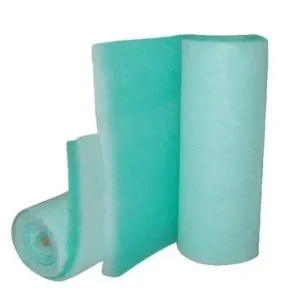
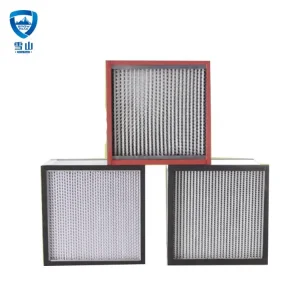
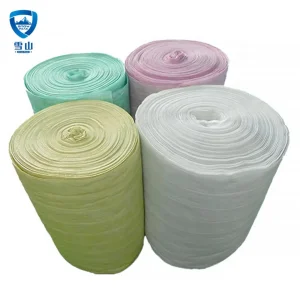
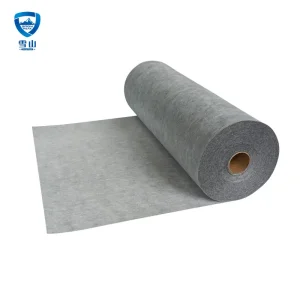
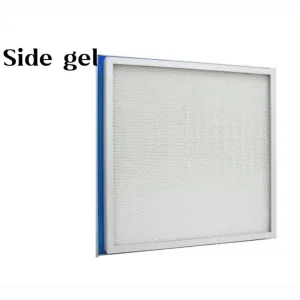
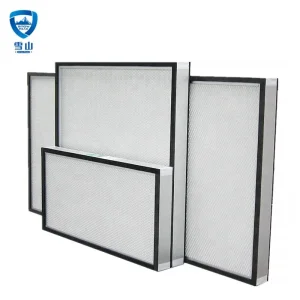
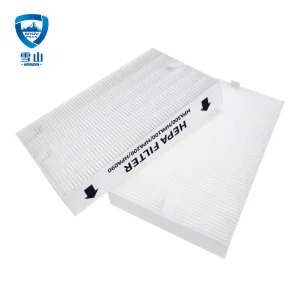
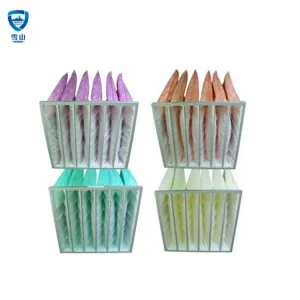
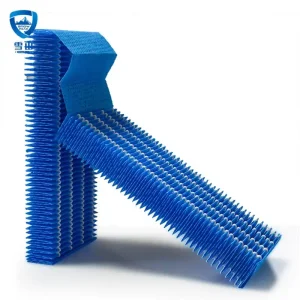
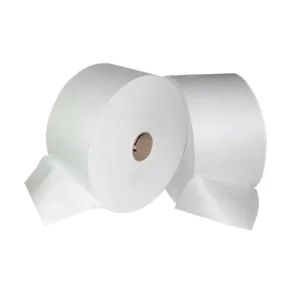
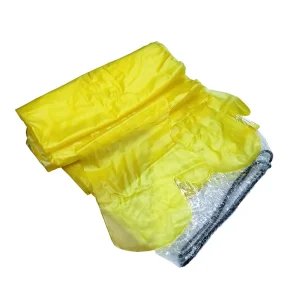
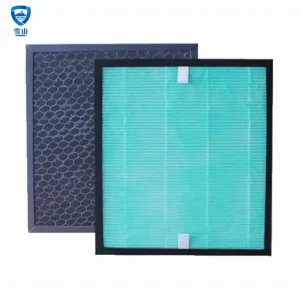
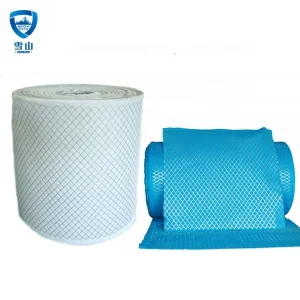
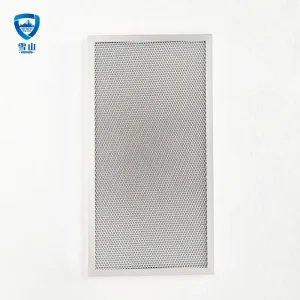
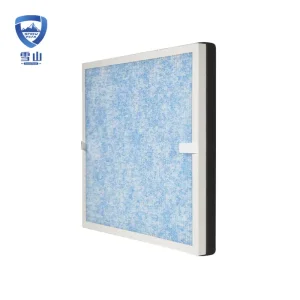
Featured OEM Industrial Cleanroom Filters

High-capacity customizable media engineered to meet demanding cleanroom air hygiene standards and efficiency classes.
Industrial Air Filtration Engineering & Mechanics

In high-specification manufacturing contexts, clean air is not merely an environmental standard; it is a critical process raw material. Industrial HEPA (High-Efficiency Particulate Air) filtration works by utilizing a matrix of randomly arranged glass fibers (ranging in diameter from 0.5 to 2.0 micrometers). Unlike simple sieve-based media, industrial HEPA filtration captures microscopic particulates through a combination of four distinct physics-based mechanisms:

  • Inertial Impaction: Larger particles, unable to adjust to the rapidly changing airflow paths around filter fibers, collide directly with the media structure.
  • Interception: Medium-sized particles following streamlines come within one particle-radius of a fiber and become permanently adhered due to surface contact.
  • Diffusion: Extremely small particles (typically < 0.1 microns) undergo Brownian motion, moving erratically and colliding frequently with fibers.
  • Electrostatic Attraction: Specially treated electret polymer materials pull polarized particulates out of the airflow, enhancing fine dust capture without increasing mechanical resistance.

Shenzhen Snow Peak Clean Technology Co., Ltd. customizes the density, thickness, and pleat geometries of these media to establish the optimal balance between high dust-holding capacity (DHC) and low initial resistance, extending HVAC equipment lifespans and dropping operating costs.
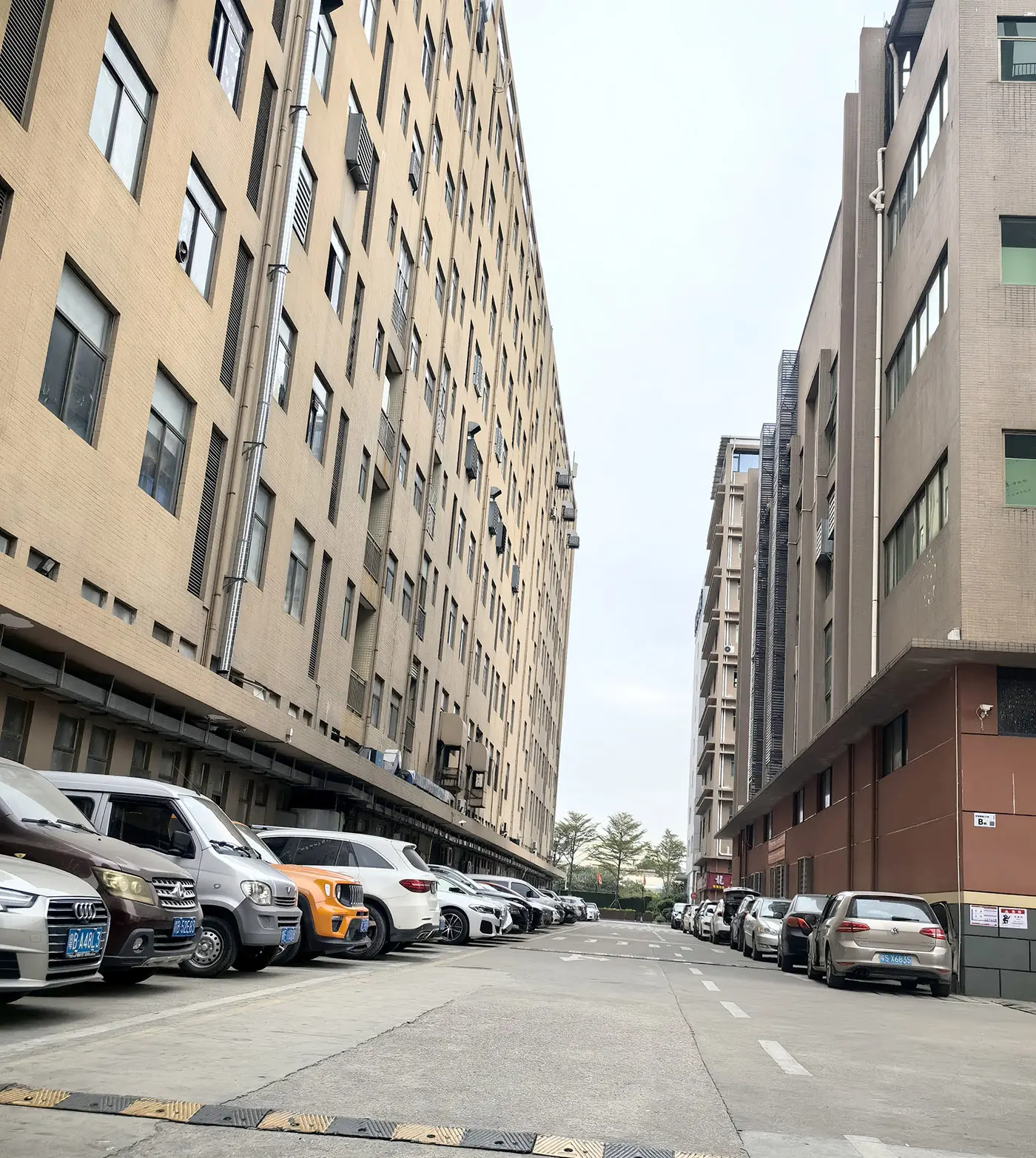
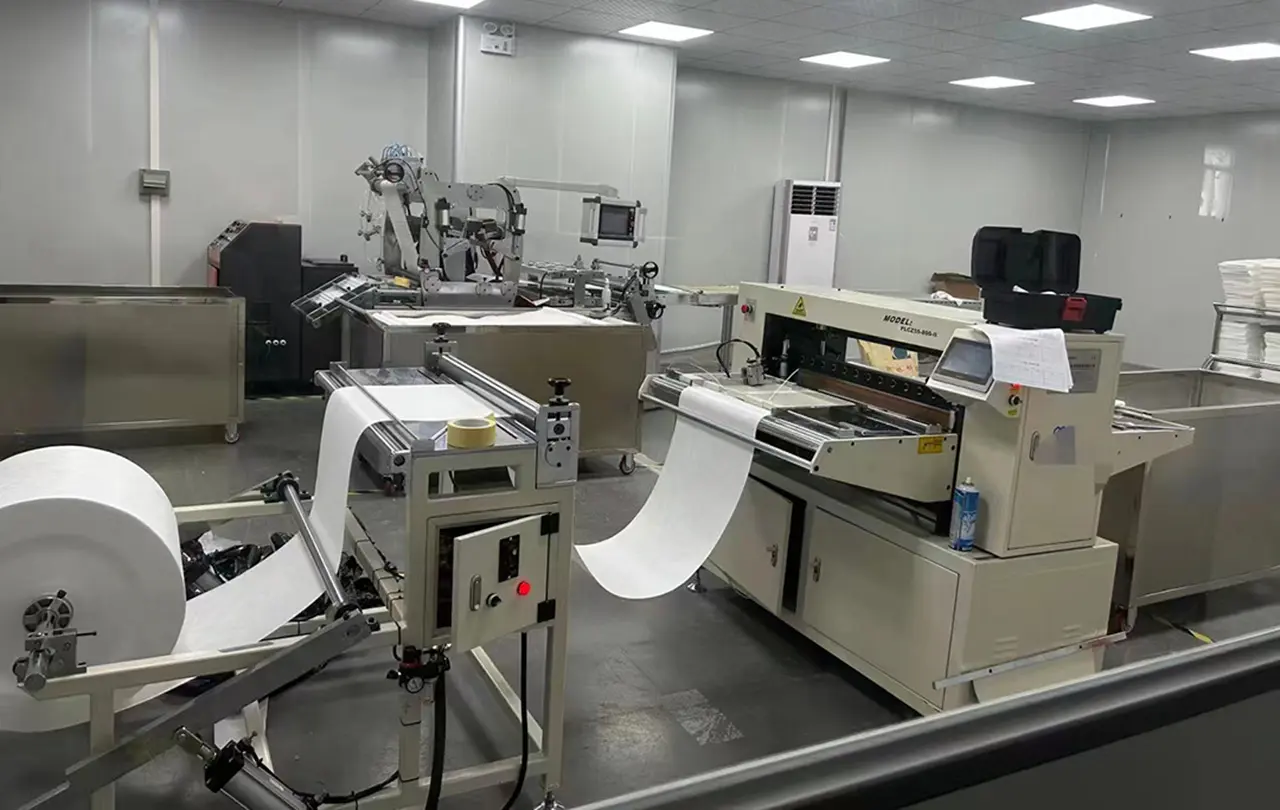
Shenzhen Snow Peak Clean Technology Co., Ltd. Manufacturing Facility

Our Profile

Shenzhen Snow Peak Clean Technology Co., Ltd. is an integrated high-tech enterprise, specialized in air filtration products research and development, production, sales, import and export trade. We produce and supply: Pre-filter, pocket filter, HEPA filter, chemical filter; replacement HEPA filter, car cabin air filter, humidifier filter; pocket filter media, melt-blown composite filter media, and other high-performance filter materials; provide high quality air purification solutions and products for indoor air pollution control and air conditioning systems of civil and industrial buildings, microelectronics, pharmaceutical, laboratory, school, hospital clean room etc.

Combined with self-developed patented technology, our sterilizing antiviral HEPA filter can effectively filtrate fine particles, so that PM2.5 concentration down to 10 micrograms/m3, 5 times better than national standard; effectively inhibit the breeding of microorganisms, sterilization rate up to 99.9%, and no secondary pollution, removal of H1N1 virus efficiency as high as 99.99%.

Our Core Strength

Having 15 years of international air purification technology experience as the background, our company has standardized production workshop, dust-free filter workshop and first-class technology of HEPA filters production line and inspection line, independent research and development of fully automatic air filter production line, equipped with AMADA CNC punch and CNC bending machine as well as many other advanced high-end equipment, provide a strong guarantee for production and quality of air filtration and purification products.

15+ Yrs
Industry Experience
99.99%
Antiviral Rate
AMADA
CNC Processing

Advanced Manufacturing Facility

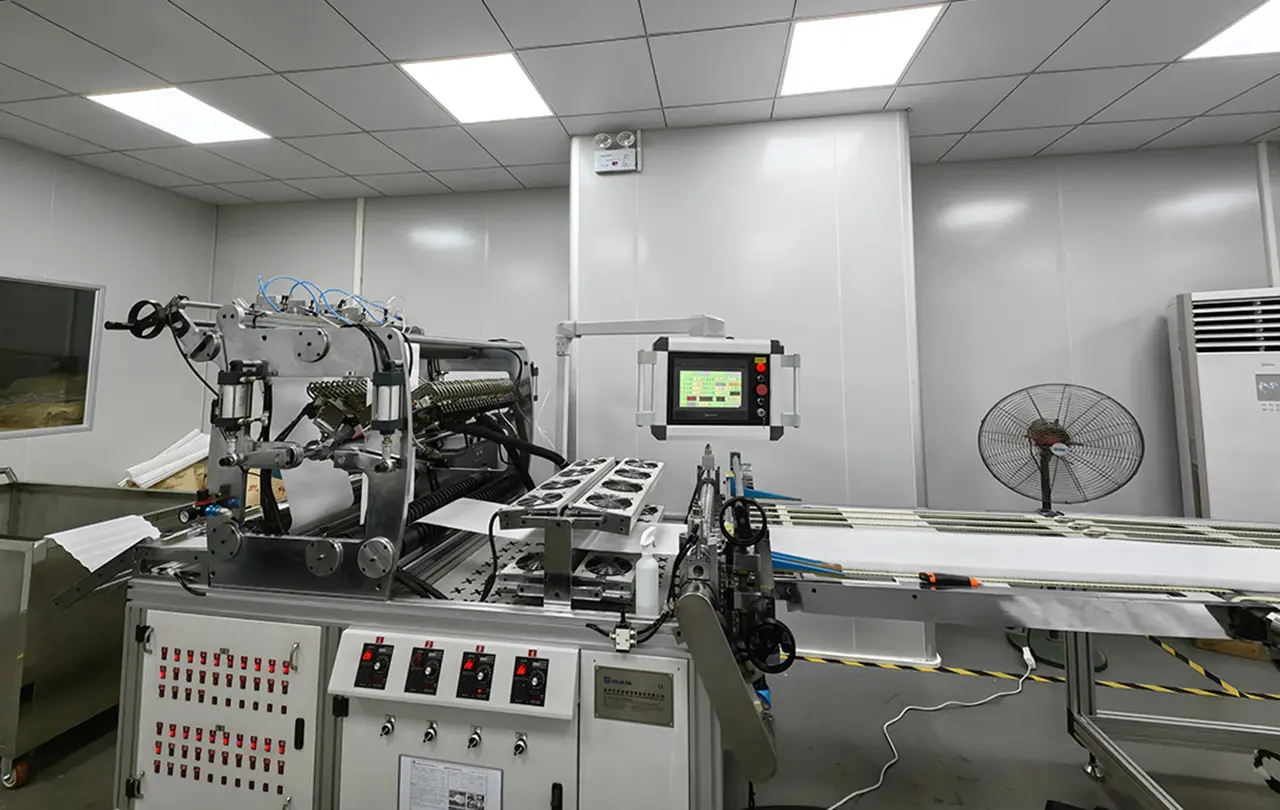
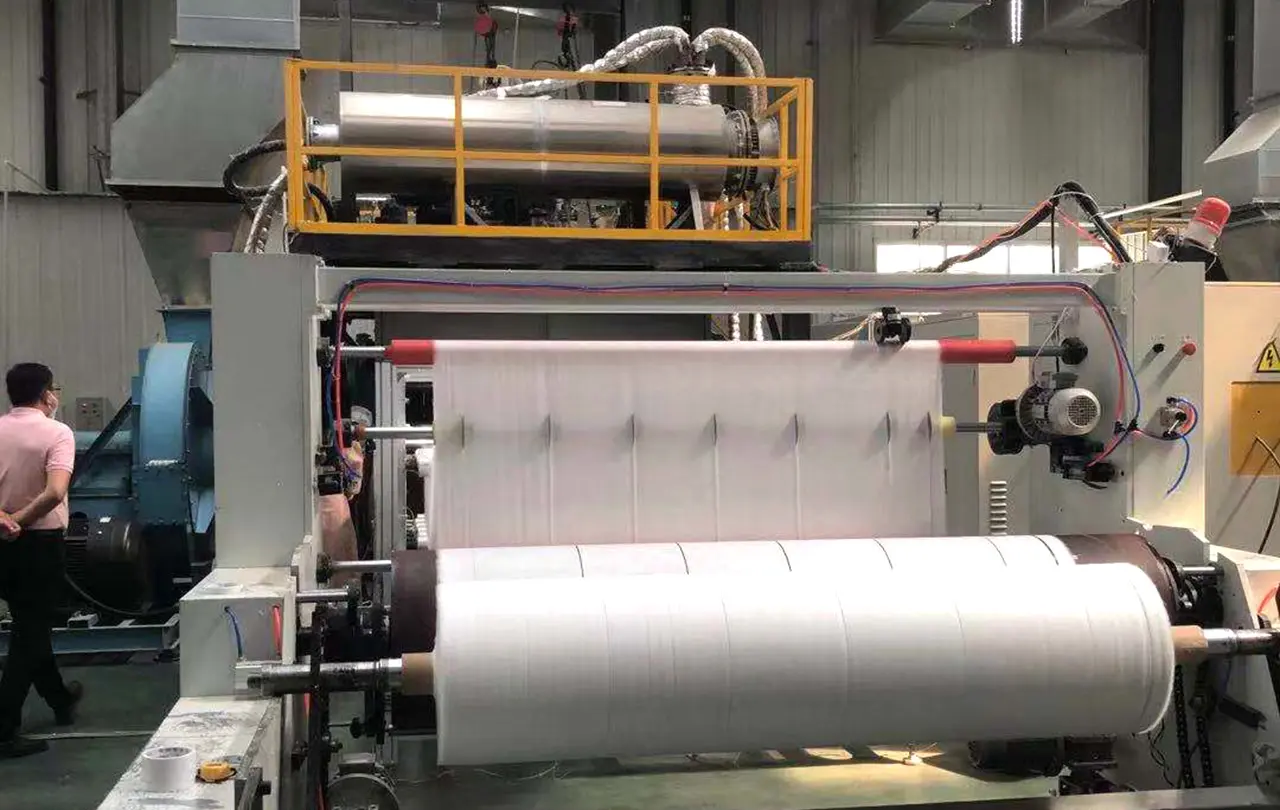
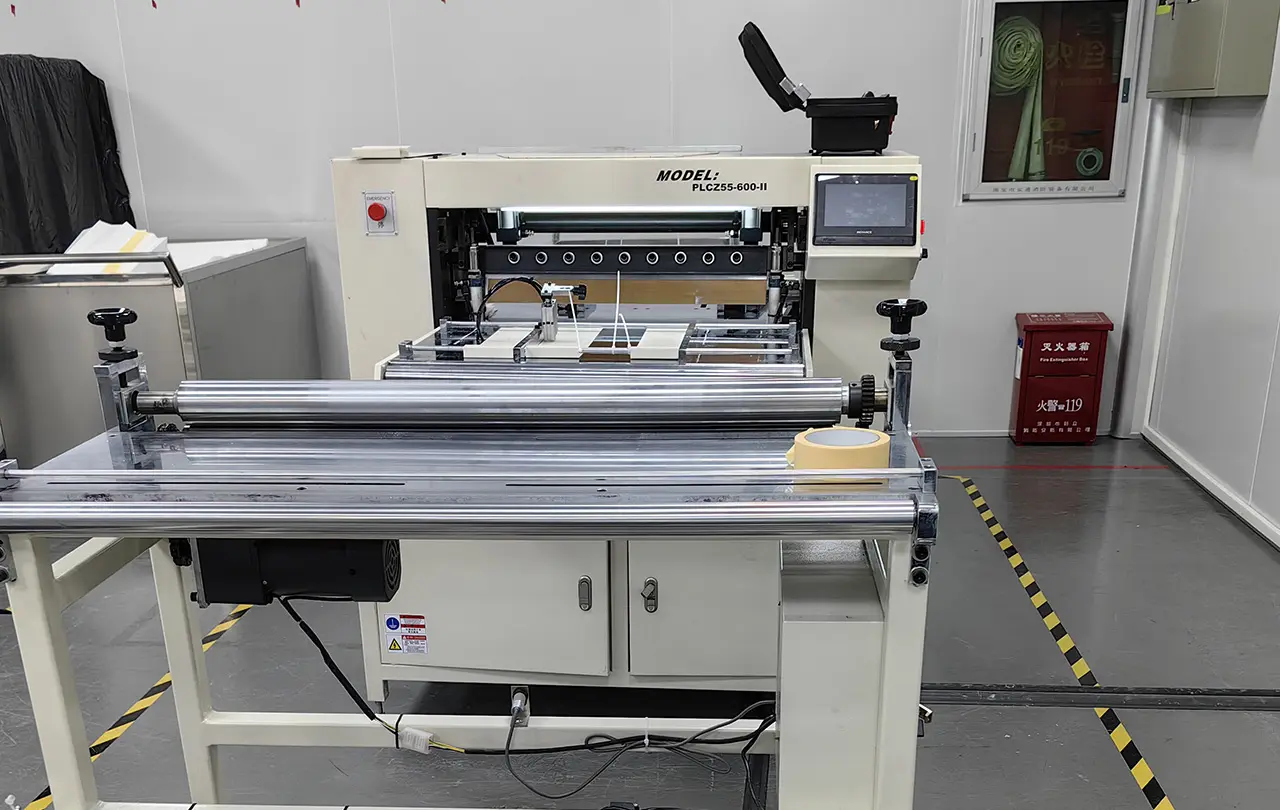
Inside our ISO-compliant production lines, where automated technologies secure high consistency and media integrity.
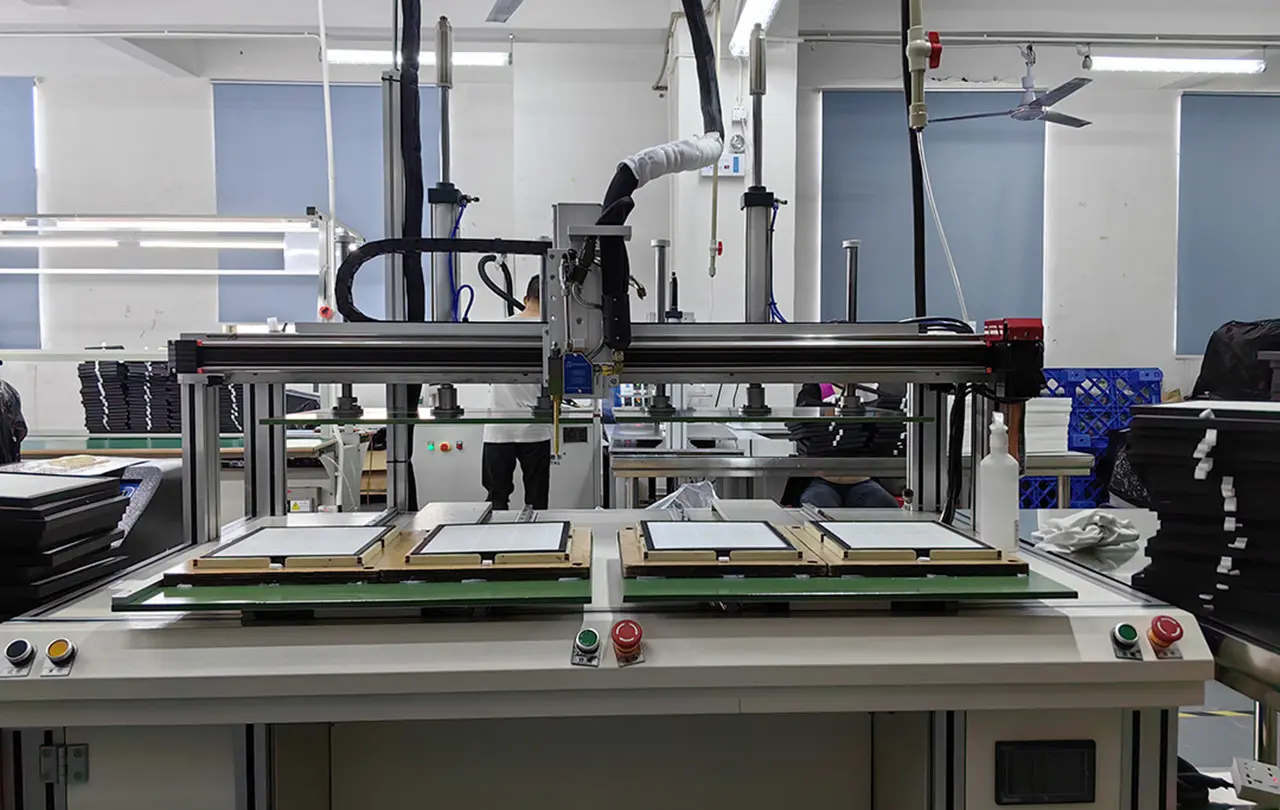
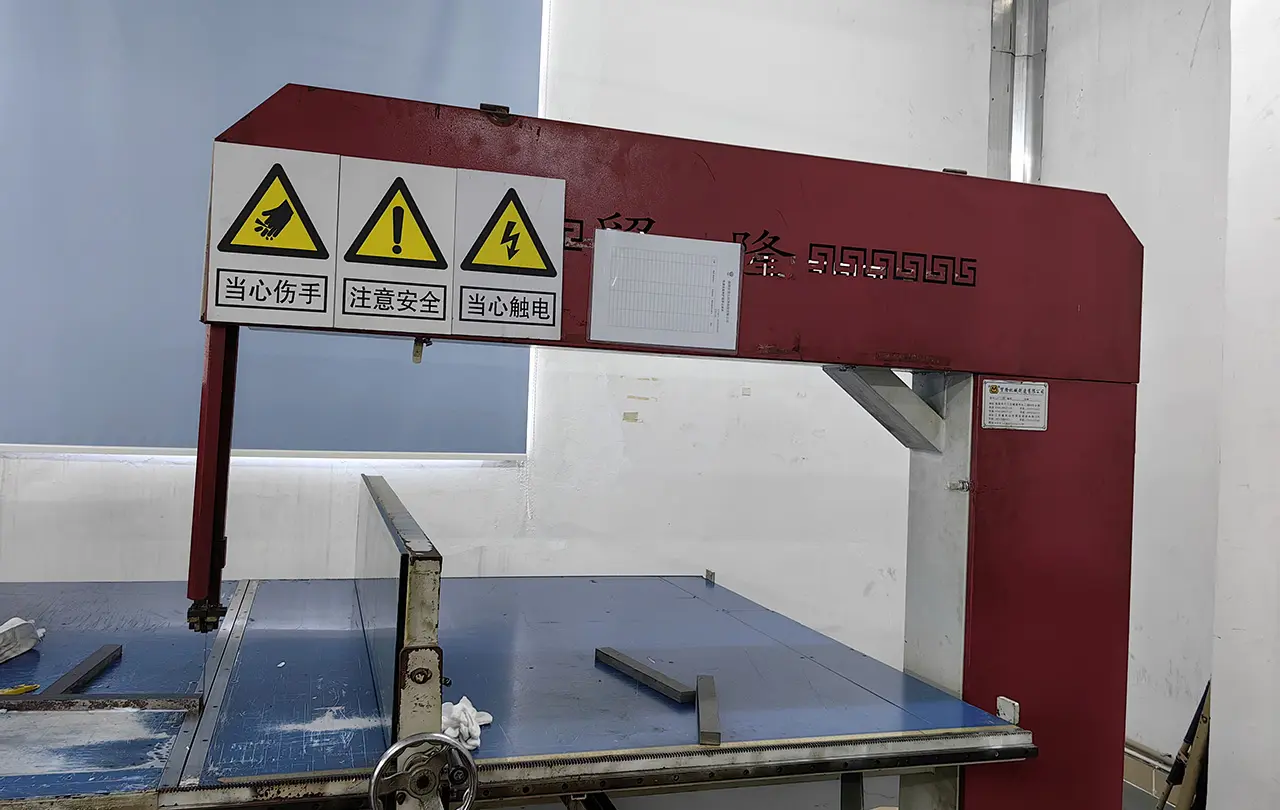
Gluing machine

Precision Gluing Machine

Cutting machine

Advanced Cutting Station

Gluing process

Continuous Hot-melt Gluing

Compound filter media

Compound Filter Media Assembly

Pleating machine

Mini-Pleat Production Line

Pleating inspection

Pleating Assembly and Quality Control

Industrial HEPA & ULPA Technology Whitepaper

A deep dive into advanced media standards, regulatory compliance, micro-environment solutions, and future performance routes.

H13-U17
Efficiency Rating
100%
Leak-tested
<10μg
PM2.5 Cleanliness
99.99%
H1N1 Viral Kill

1. Macro Industry Solutions & Multi-Sector Applications

Cleanliness demands vary widely across global industrial landscapes. Industrial HEPA filters serve as primary protective devices preventing ambient airborne contamination from compromising product yields, clinical results, and hazardous waste containment:

  • Microelectronics & Semiconductor Fabs: Sub-micron particulate control is essential for preventing photolithography trace damage. The application of gel-seal liquid-tank HEPA/ULPA systems guarantees cleanroom standards up to ISO Class 1, eliminating risk of bypass leakage.
  • Pharmaceutical and Biotech Containment: Under US FDA and European GMP regulations, sterile processing areas require certified HEPA filters with zero bypass leakage. For high-potency drugs and containment laboratories (BSL-3/BSL-4), Bag-In-Bag-Out (BIBO) safety housing units with high-strength PVC replacement bags protect maintenance personnel from biological hazards during filter replacement.
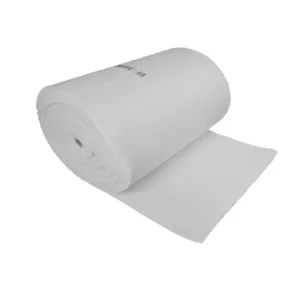
  • Industrial Spray Painting & Automotive Booths: Painting finishes require clean air distribution. High-capacity ceiling filter cotton (600G) and fiberglass floor paint-stop filters trap paint mist and oversized particles, achieving a laminar, defect-free paint finish.
  • Commercial HVAC & IAQ Refits: From schools and hospitals to corporate buildings, retrofitting standard air handlers with replacement mini-pleat HEPA filters and composite carbon elements controls fine particles (PM2.5) while removing VOCs and offensive odors.

2. Technical Specifications & Certification Standards

The performance of industrial air filters is regulated by international standards. In Europe, the standard is EN 1822, while the global counterpart is ISO 29463. These standards classify filters based on performance at the Most Penetrating Particle Size (MPPS), typically between 0.12 and 0.25 microns:

Filter Class (EN 1822) Efficiency at MPPS Local Leak Limit Efficiency Typical Application
E11 ≥ 95% - Pre-filtration, general ventilation, commercial facilities
H13 ≥ 99.95% ≥ 99.75% Hospitals, laboratories, electronics assembly areas
H14 ≥ 99.995% ≥ 99.975% Pharmaceutical manufacturing, cleanroom ceiling grids
U15 ≥ 99.9995% ≥ 99.9975% Advanced semiconductor lithography, research laboratories

Every HEPA filter manufactured at Shenzhen Snow Peak undergoes testing via DOP/PAO aerosol challenges and automated scanning particle counters to confirm structural integrity, face velocity uniformity, and pressure drop conformity.

3. Technical Roadmap & Future Outlook

The industrial air filtration sector is shifting toward energy conservation, chemical-specific media, and smart filtration integration. Our R&D division focuses on:

  • Low-Resistance Nanofiber Media: Electrospun nanofibers form an ultra-thin layer with high surface area, yielding high mechanical collection efficiency with reduced pressure drop compared to conventional microfiber glass. This lowers HVAC fan energy consumption by up to 30%.
  • Anti-microbial and Anti-viral Coatings: Our patented sanitizing coatings physically disrupt viral envelopes (including H1N1 influenza) and inhibit bacterial growth on the filter media, preventing secondary contamination in cleanroom environments.
  • High-Temperature Resistance and Corrosive Gas Abatement: High-temperature HEPA filters with stainless steel separators and high-temp glass sealants withstand temperatures up to 250°C (482°F) for sterilizing ovens in pharmaceutical filling lines.

4. Localized Support, Global Supply Chain, & Regulatory Compliance

Cross-border procurement requires strict compliance with regional certifications and quality standards. Shenzhen Snow Peak supports international specifications by aligning with certifications such as CE, RoHS, and UL 900.

Our international shipping team assists with custom clearance documentation, tariff classification, and specialized transport packaging. From bulk container shipments of fiberglass paint-stop media rolls to fragile, wood-crated, high-temperature HEPA filters, we ensure products arrive on-site damage-free.

5. China Industry 4.0: Supply Chain Agility & Quality Assurance

Operating within Shenzhen's industrial cluster, Snow Peak leverages direct component sourcing, automated pleating and potting lines, and AMADA CNC sheet metal fabrication. This vertical integration allows us to:

  • Rapid Prototyping: Deliver custom air filter sizes, frames, and materials from engineering drawings to prototypes within 5 working days.
  • Automated In-Line Testing: Perform automated PAO test scanning on every cleanroom HEPA filter to verify zero bypass leaks.
  • Cost Efficiency: Consolidate raw materials sourcing (meltblown media, polyurethane gel, galvanized steel frames) to maintain pricing stability for global distribution.

Technical FAQ: Industrial Air Filtration

Engineering answers to common specification, maintenance, and compliance questions.

What is the difference between a Gel Seal and a Gasket Seal HEPA filter?
Gasket seal HEPA filters utilize an EPDM or neoprene foam strip compressed against the cleanroom holding frame. Gel seal filters utilize a liquid polyurethane or silicone gel fluid channel that accepts a knife-edge frame profile. The gel seal provides a reliable barrier against bypass leakage and is preferred in high-grade cleanrooms (ISO Class 5 and below) due to its self-healing seal properties.
How often should pre-filters and final HEPA filters be replaced?
Pre-filters (G4 to F9 classes) typically require replacement every 1 to 3 months, depending on the ambient dust load. Final HEPA filters, when protected by proper pre-filtration stages, last between 12 to 36 months. The industry standard indicator for replacement is based on terminal pressure drop, typically when the resistance reaches double the initial pressure drop (usually 250 Pa to 500 Pa).
Can you custom-manufacture high-temperature filters?
Yes. Our manufacturing facilities are equipped to assemble high-efficiency heat-resistant air filters with stainless steel (SUS304/SUS316) frames, aluminum foil separators, and specialized high-temperature glass fiber media. These are rated for operating temperatures up to 250°C and 350°C, ideal for dry heat sterilization ovens in pharmaceutical processing.
What compliance guarantees do you offer for export orders?
Every cleanroom-grade filter is individually tested and comes with a compliance certification report specifying its scanned efficiency, initial pressure drop, test aerosol concentration, and air volume parameters. We strictly adhere to EN 1822 / ISO 29463 criteria and hold CE and ISO 9001 certifications.