Engineered to meet the exact filtration performance and safety requirements of Hamburg’s industrial clusters, logistics hubs, and maritime sectors.
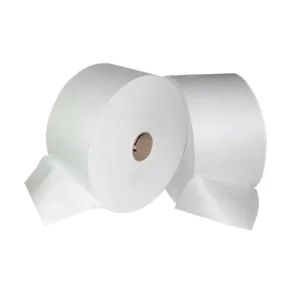
As Northern Germany's primary logistics and industrial powerhouse, Hamburg presents a unique and challenging atmospheric environment. The combination of intense maritime operations at the Port of Hamburg (the third-busiest port in Europe), substantial civil aviation manufacturing at Airbus in Finkenwerder, and extensive chemical processing plants in neighboring industrial areas necessitates sophisticated, high-performance air filtration materials. Clean air strategy in Hamburg is governed not only by stringent federal regulations (such as the Federal Emission Control Act, *BImSchG*) but also by municipal initiatives designed to mitigate particulate matter (PM2.5 and PM10), sulfur dioxide, and nitrogen oxides (NOx).
Industrial facility managers, HVAC design engineers, and commercial procurement departments in Hamburg are moving rapidly toward the implementation of next-generation air filter media. With the official transition from the old EN 779 standard to the global ISO 16890 standard, air filter classifications are now based on particle size fractions (ePM1, ePM2.5, ePM10, and Coarse). This change requires manufacturing plants and commercial properties to source filter media that offer high dust-holding capacities (DHC) while maintaining exceptionally low initial resistance. This optimization is critical for reducing the energy footprint of major industrial air handling units (AHUs), aligning with Germany's strict energy efficiency requirements and decarbonization goals.
Globally, the air filtration market is witnessing an unprecedented evolution. According to recent market analysis, the demand for high-efficiency particulate air (HEPA) systems and advanced multi-stage synthetic filter media is expanding at a Compound Annual Growth Rate (CAGR) of over 6.5%. The primary drivers are the stricter environmental mandates, growing awareness of indoor air quality (IAQ) on human productivity, and the expansion of cleanroom-dependent industries such as semiconductor manufacturing, biopharmaceuticals, and precision optical engineering.
Furthermore, green building certifications such as DGNB (German Sustainable Building Council), LEED (Leadership in Energy and Environmental Design), and BREEAM have elevated the role of air filter materials. Specifiers no longer just look at the purchase price of the filter elements; instead, they analyze the Total Cost of Ownership (TCO), where energy consumption contributes to more than 70% of the total lifecycle cost of an air filter. Consequently, filter media manufactured using advanced meltblown and composite technology are highly sought after. These materials utilize electrostatic charging (electret treatment) to capture sub-micron particles with minimal mechanical airflow resistance, effectively saving Megawatt-hours of electricity across large-scale facility operations.
| Filter Class (ISO 16890 / EN 1822) | Efficiency Rating (Target Particle Size) | Common Materials | Typical Applications in Hamburg |
|---|---|---|---|
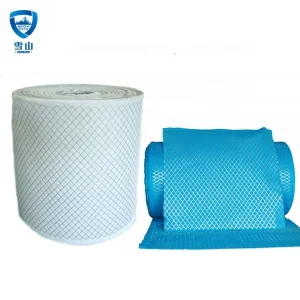
| ISO Coarse (G2 - G4) | < 50% PM10 capture | Synthetic polyester, laminated wire mesh, fiberglass | Pre-filters for AHUs, spray booths, marine heavy intake |
| ISO ePM10 / ePM2.5 (M5 - F6) | > 50% to 90% particle capture | Composite pocket media, ceiling cotton, fine synthetic | Painting booth ceilings, secondary HVAC filtration, wood processing |
| ISO ePM1 (F7 - F9) | > 50% to > 90% sub-micron capture | Fine meltblown, glass fiber pocket, laminated media | Food processing cleanrooms, urban office ventilation, commercial malls |
| HEPA (H13 - H14) | > 99.95% to 99.995% at MPPS | Sub-micron glass fiber, advanced PTFE, hybrid meltblown | Biotech laboratories, hospital surgical suites, aerospace cleanrooms |
Shenzhen Snow Peak Clean Technology Co., Ltd. is an integrated high-tech enterprise specialized in air filtration products research, development, production, sales, import, and export trade. Drawing on 15 years of international air purification technology experience as our operational background, we supply advanced solutions across the globe. Our product range encompasses pre-filters, pocket filters, HEPA filters, chemical filters, replacement HEPA filters, car cabin filters, humidifier filters, pocket filter media, melt-blown composite filter media, and other high-performance filter materials.
Our solutions provide high-quality air purification for indoor air pollution control and air conditioning systems of civil and industrial buildings, microelectronics, pharmaceuticals, laboratories, schools, hospitals, and clean rooms. Combined with our self-developed patented technology, our sterilizing antiviral HEPA filter can effectively filtrate fine particles so that the local PM2.5 concentration is brought down to 10 micrograms/m³, which is 5 times better than the national standard. Our filters effectively inhibit the breeding of microorganisms, yielding a sterilization rate up to 99.9%, avoiding secondary pollution, and attaining an H1N1 virus removal efficiency as high as 99.99%.
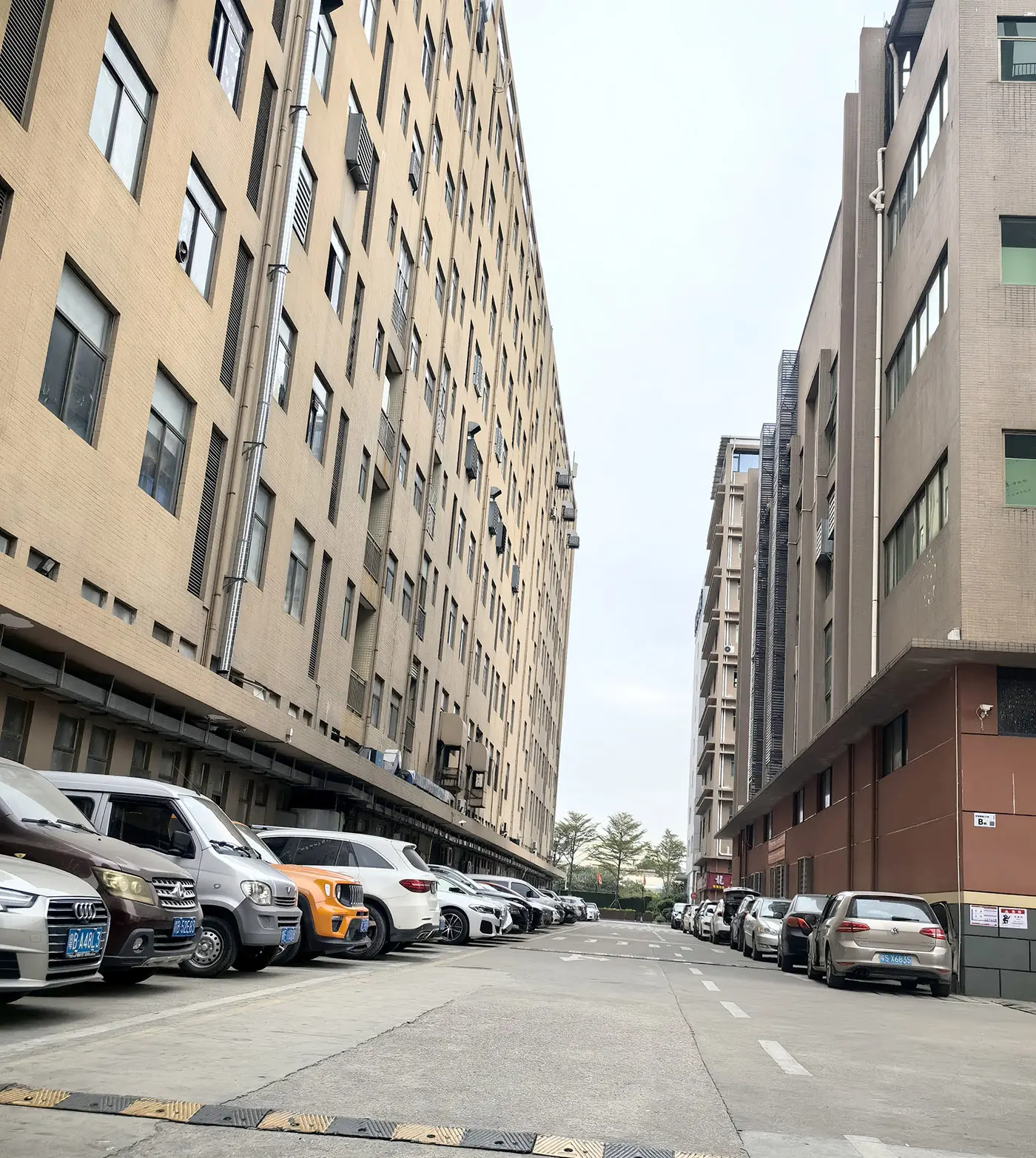
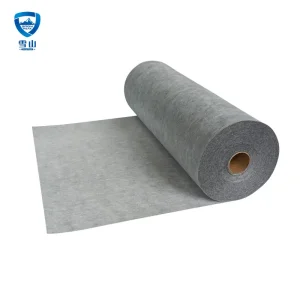
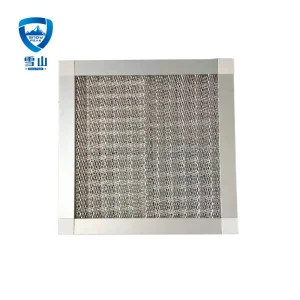
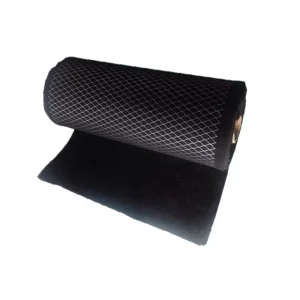
The Port of Hamburg requires heavy-duty HVAC filtration for logistics facilities and shipboard systems. Our high-efficiency activated carbon fabric filters and laminated mesh rolls protect machinery and crews from corrosive maritime air, sulfur compounds, and heavy particulate emissions.
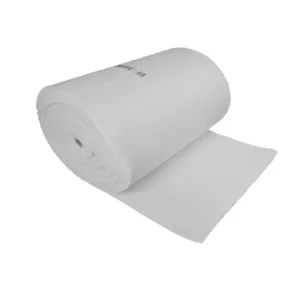
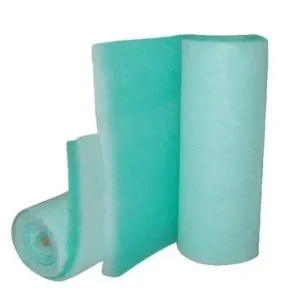
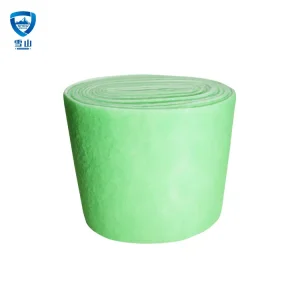
In cleanroom painting operations at local aircraft manufacturing plants, dust contamination ruins surface finishes. Our 600G ceiling filter cotton and G2-G4 paint stop rolls guarantee laminar airflow and trap paint overspray efficiently, ensuring flawless coating results.
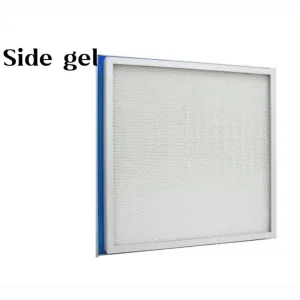
For cleanrooms, research facilities, and medical diagnostic spaces in Hamburg-Eppendorf, our Gel Seal HEPA filters and BIBO (Bag-In Bag-Out) containment bag replacement lines ensure completely sterile conditions, safeguarding researchers and sample integrity.
Having standardized production workshops, dust-free filter rooms, and advanced processing machines, we ensure consistent high-quality output for every roll and filter panel.
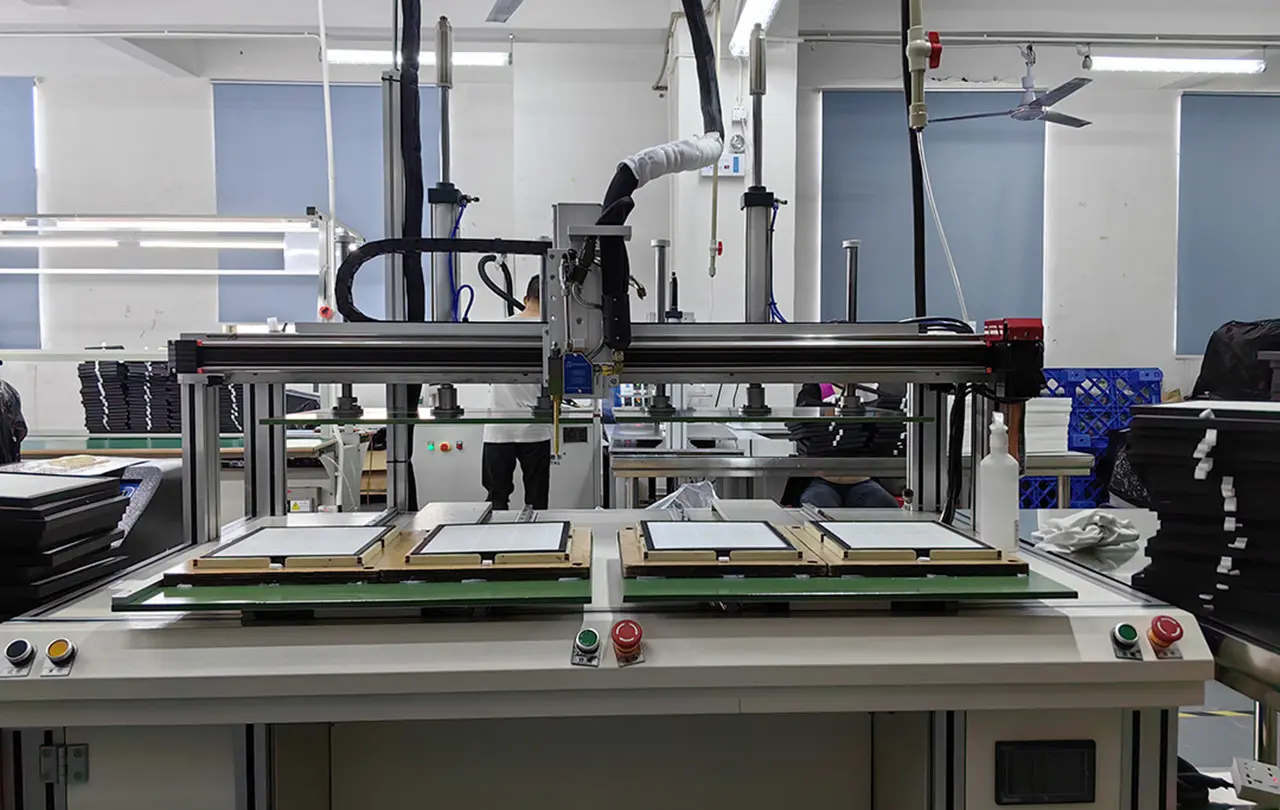
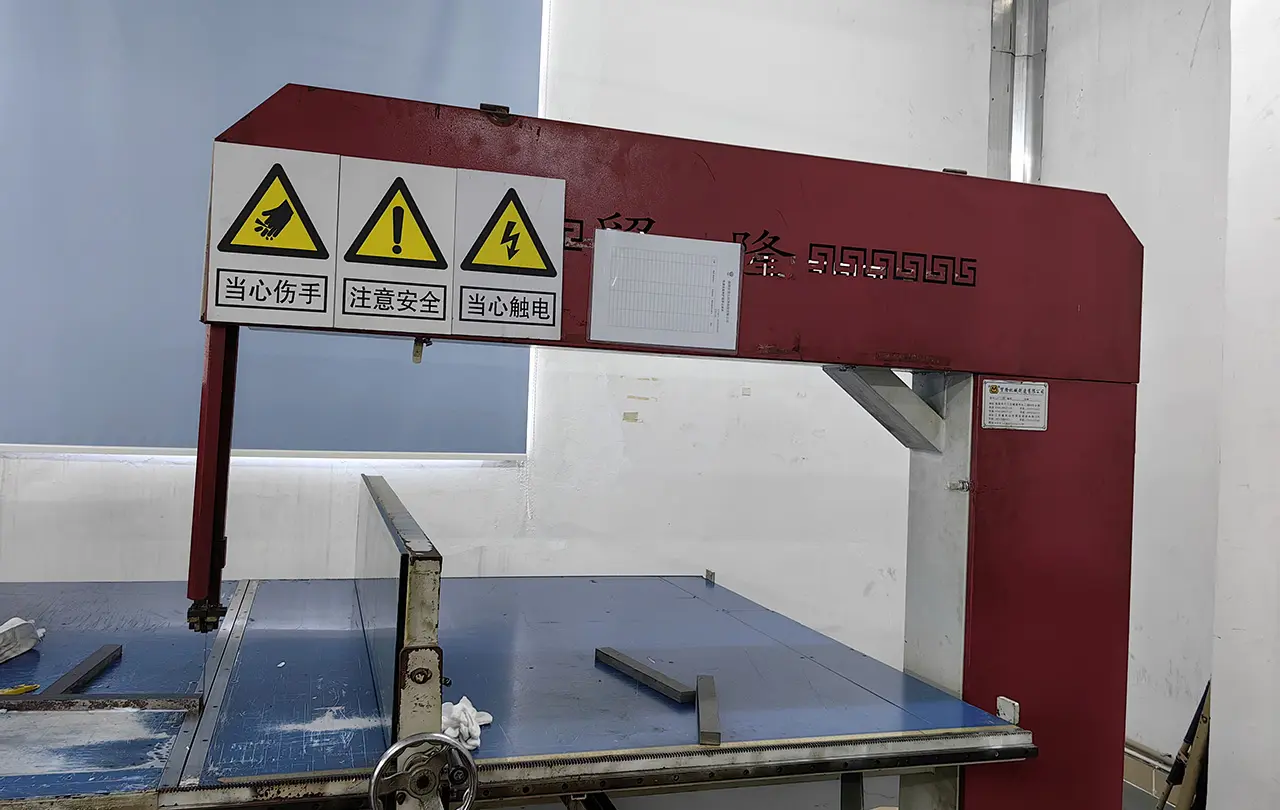
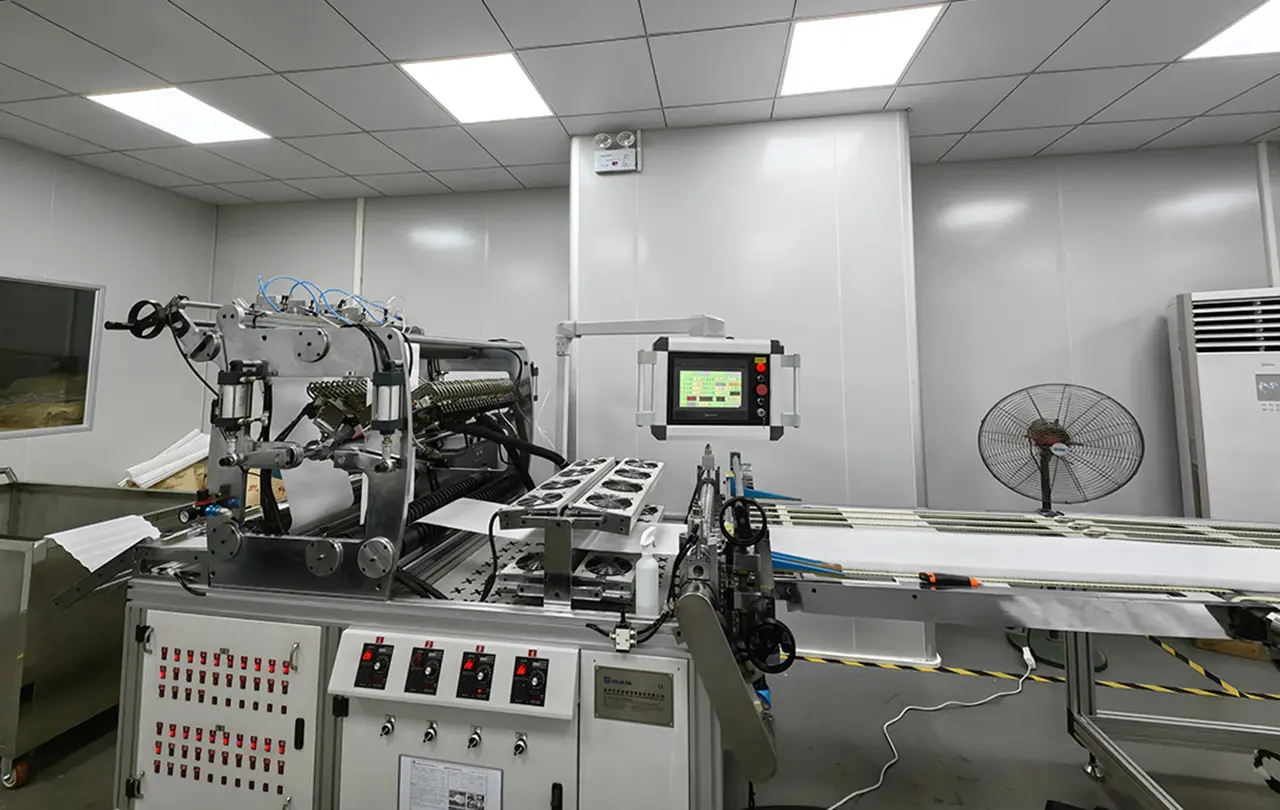
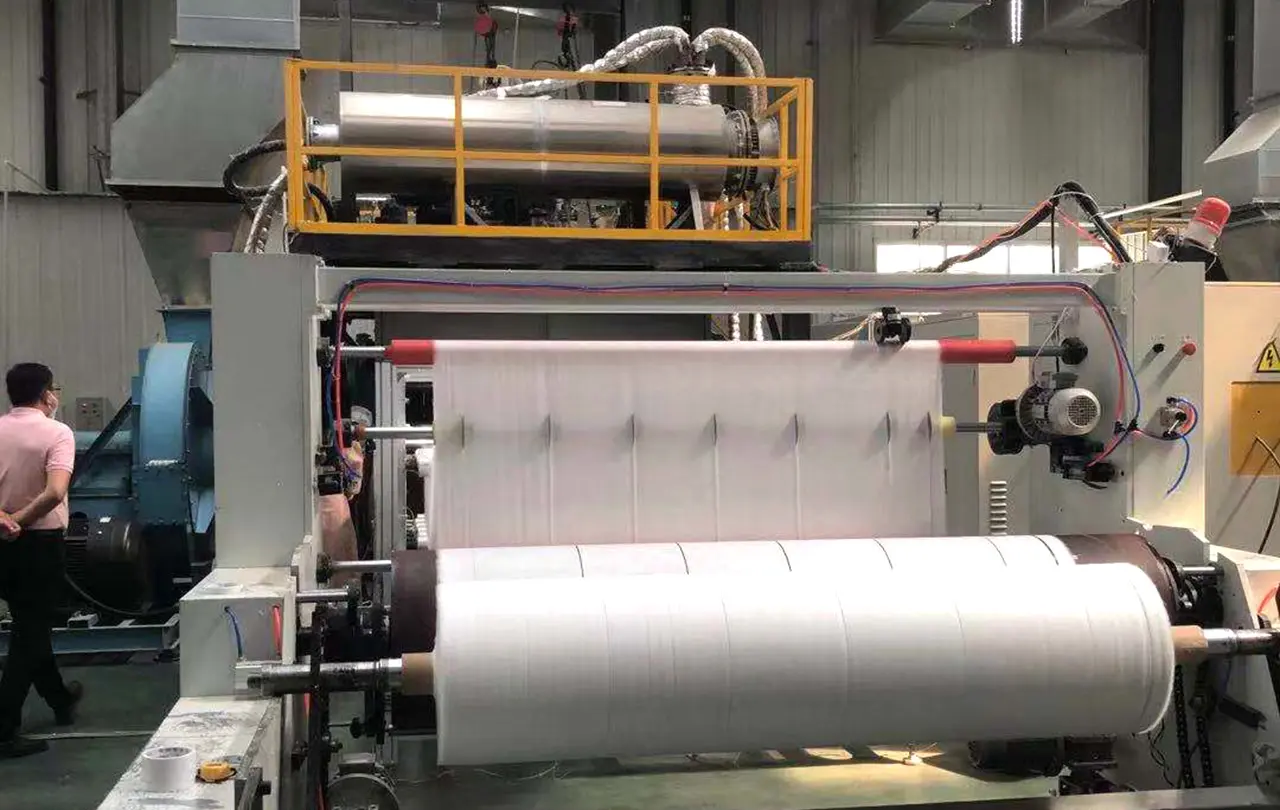
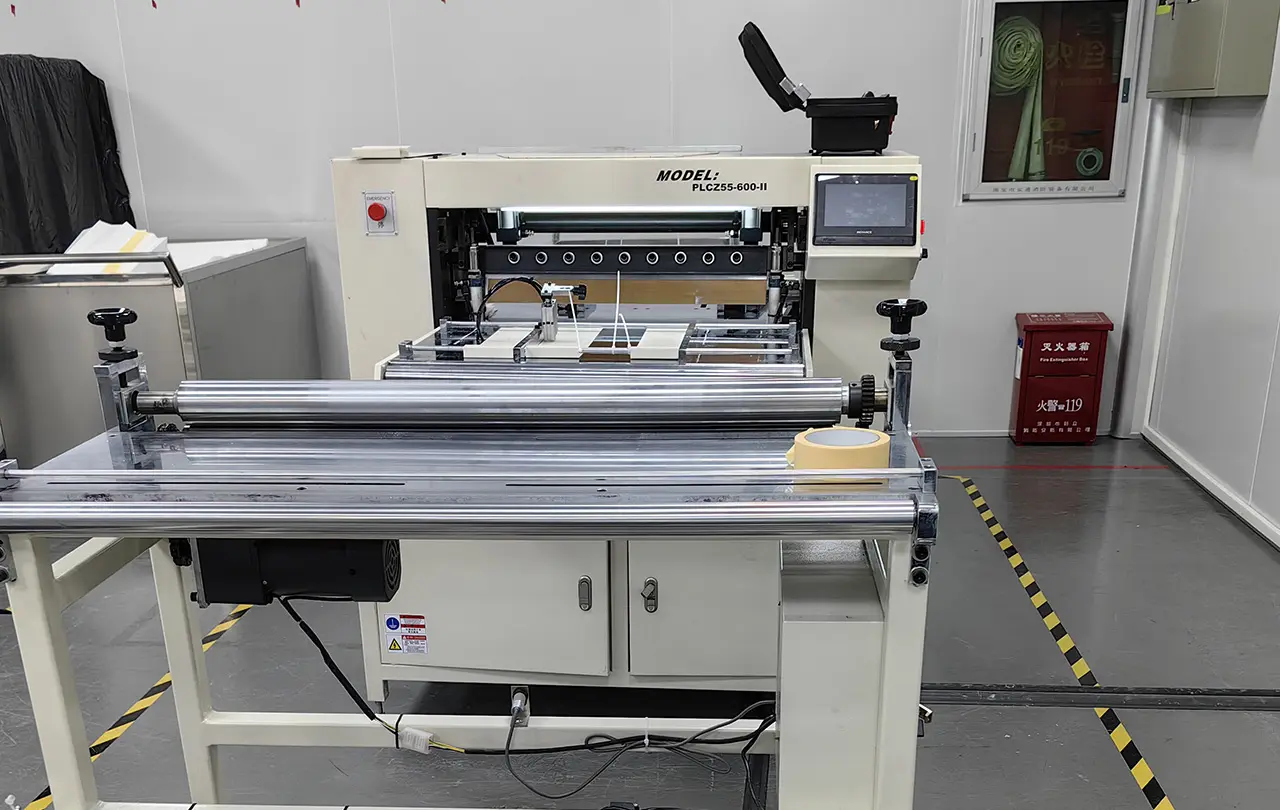
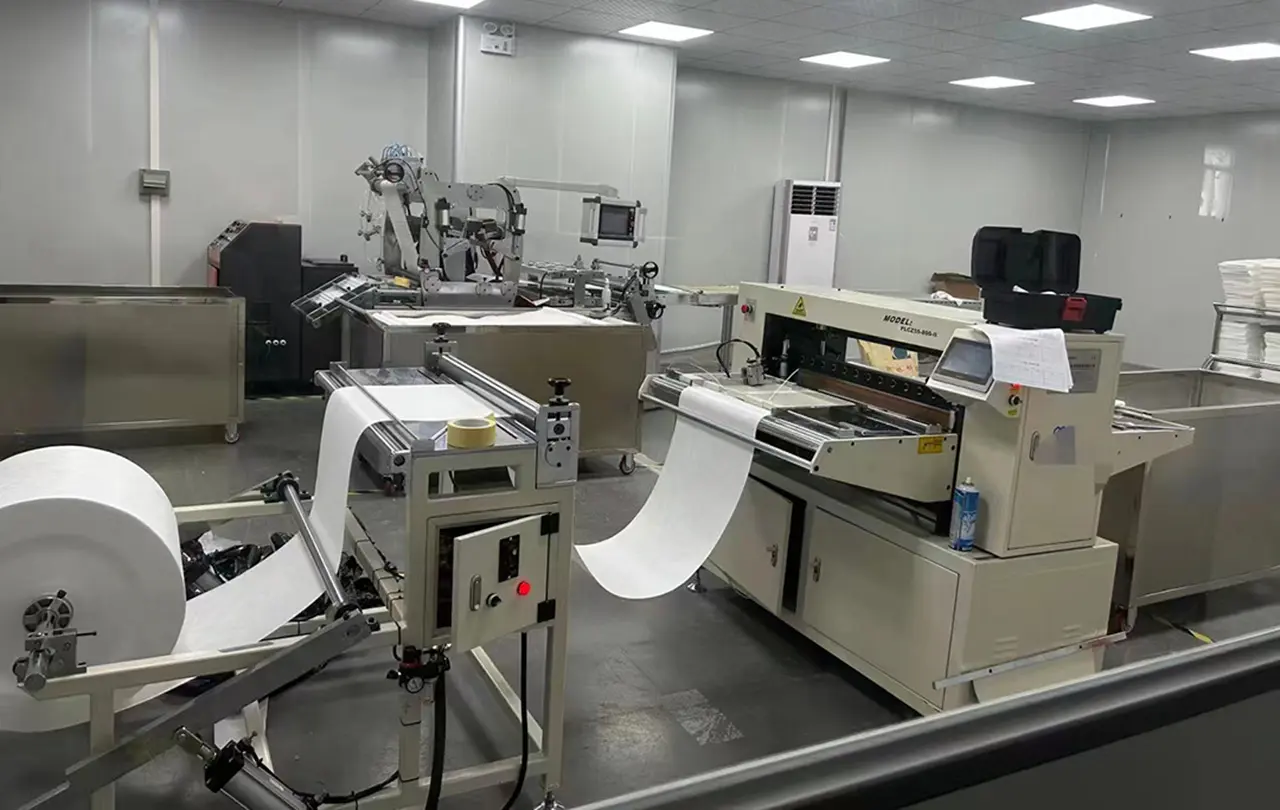
Modern procurement strategies in Western Europe prioritize vertical integration and direct relationships with top-tier manufacturers. When Hamburg-based industrial supply chain managers source filtration materials, they focus on two primary challenges: **logistical predictability** and **strict standards compliance**. The Port of Hamburg handles large shipping containers arriving daily from Asian industrial centers. Managing this supply chain effectively requires exporters to maintain excellent quality controls and support rapid production timelines. This capability is backed by advanced industrial setups, such as AMADA CNC punches and automated filter lines, which enable prompt responses to customized design requests.
Additionally, material certifications play an essential role in German procurement protocols. Filter media destined for Germany must meet strict requirements: they must have fire classification certifications under DIN EN 13501 (or old DIN 53438), comply with standard directives under ISO 16890, and avoid toxic outgassing of chemical binders. Ensuring traceablity and consistent batch quality from our Shenzhen testing labs gives European distributors confidence that our air filter materials will pass local safety tests and perform reliably under demanding operating conditions.
Explore our complete range of high-efficiency roll materials, pre-filter systems, and containment filters engineered for various mechanical ventilation frameworks.
Technical and logistical insights for German purchasing managers and HVAC development engineers.
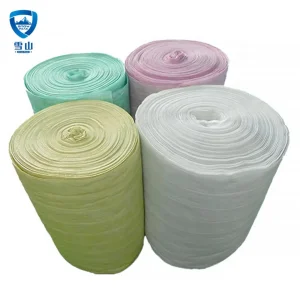
All our pocket filters, meltblown media, and synthetic rolls are evaluated and structured to meet the fractional efficiency criteria defined by ISO 16890. We categorize our media under Coarse, ePM10, ePM2.5, and ePM1 ratings. This testing ensures that our products function predictably when substituted for older, EN 779-rated filter installations.
Yes. Supported by our automated tooling systems and AMADA CNC machines, we offer customizable solutions. We can modify pocket dimensions, layer thicknesses, frame selections (such as galvanized steel, aluminum, or plastic), and apply custom functional coatings like our anti-viral and sterilization treatments.
Standard manufacturing cycles range between 10 to 20 days depending on the order volume. Shipping is handled through direct ocean freight from Shenzhen/Guangzhou ports to the Port of Hamburg. We coordinate with local logistics providers to offer DDP or CIF delivery terms, managing custom declarations and paperwork.
Our antiviral HEPA filter uses a specialized coating that physically compromises and deactivates captured micro-organisms. Unlike standard media which simply capture and accumulate mold, bacteria, and viruses, our material suppresses growth directly on the fibers, achieving a 99.9% sterilization rate and preventing biological carryover into downstream ducting.
We provide full material compliance sheets, including HEPA factory test reports (EN 1822 individual leakage and scan tests), CE certification, and RoHS declaration of conformity. Where applicable, our gel-seal and BIBO systems are supplied with pressure drop curves to support local GMP validation processes.
 Snow Peak