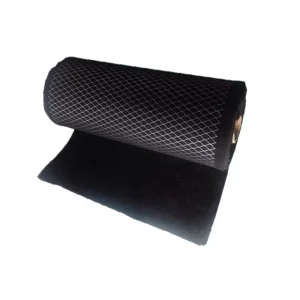
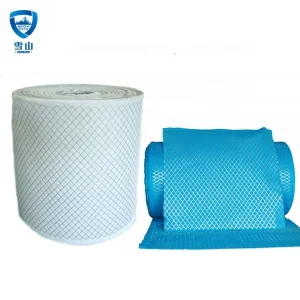
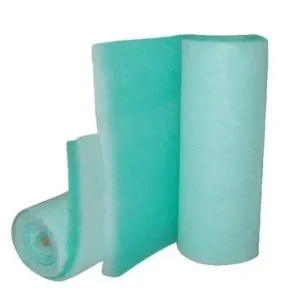
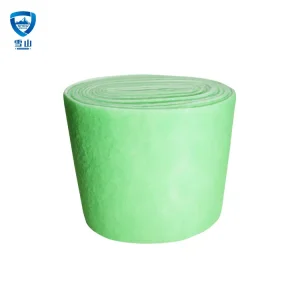
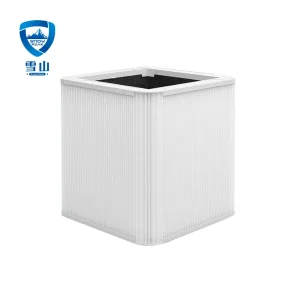
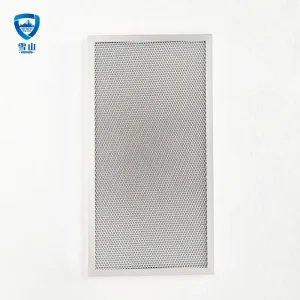
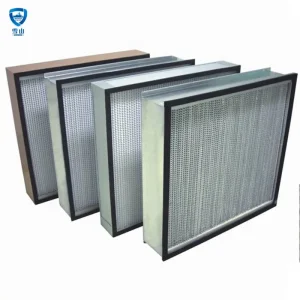
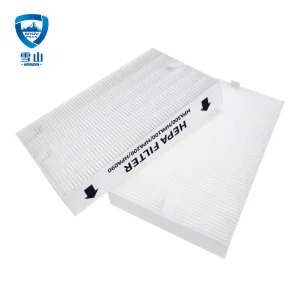
Engineered for high-dust holding capacity, low resistance, and strict conformity to Japanese environmental requirements.
Japan’s industrial architecture represents the pinnacle of technological precision, especially across the semiconductor fabs of Kyushu (often dubbed "Silicon Island"), the pharmaceutical lines of Osaka, and the high-tech automotive facilities throughout Aichi Prefecture. In these highly controlled environments, air filtration is not merely a utility; it is a critical process parameter directly linked to yield rates, compliance, and human safety.
"For modern cleanroom operations in Tokyo and Osaka, a single particle of size >0.1μm can disrupt photolithography steps. The transition toward ISO 16890 standards in Japan has placed strict structural focus on ePM1 and ePM2.5 particulate fractions, requiring material exporters to supply media with verified structural integrity and predictable fractional filtration efficiency."
Japanese procurement departments require strict verification of filter media performance under local test protocols. Specifically, JIS B 9908 governs the testing of particulate air filters, checking both the weight-arrestance method (primarily for coarse G2 to G4 filters) and the light-scattering particle counter method for medium and high-efficiency filters (F7 to H14 grades). Our product portfolio is custom-formulated to balance high dust holding capacity (DHC) with low initial pressure drop, lowering electrical power consumption across Japanese commercial buildings under the regional Setsuden (energy-saving) mandates.
Every batch of our air filter media undergoes dynamic testing to meet the rigorous performance levels required by international buyers.
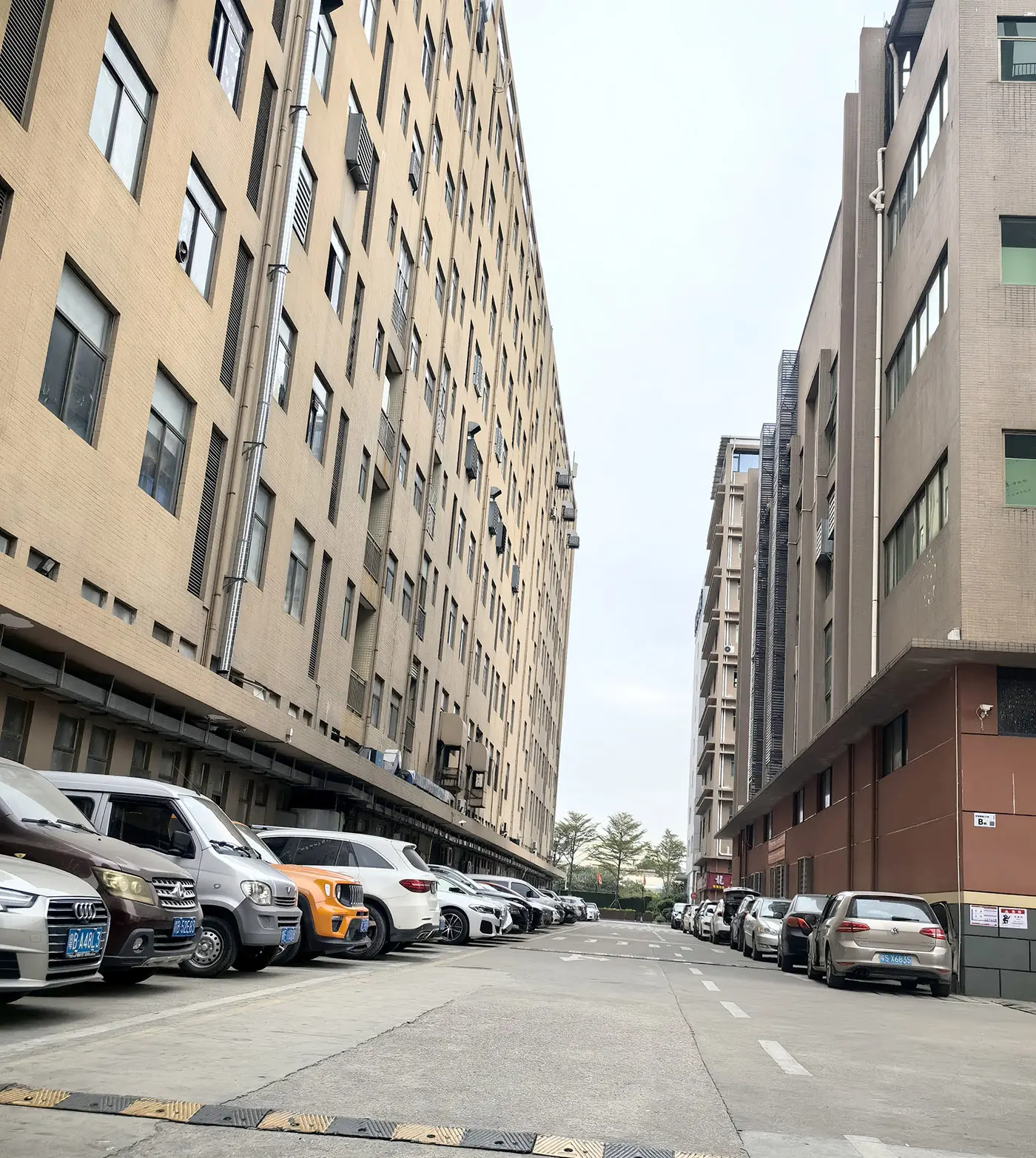
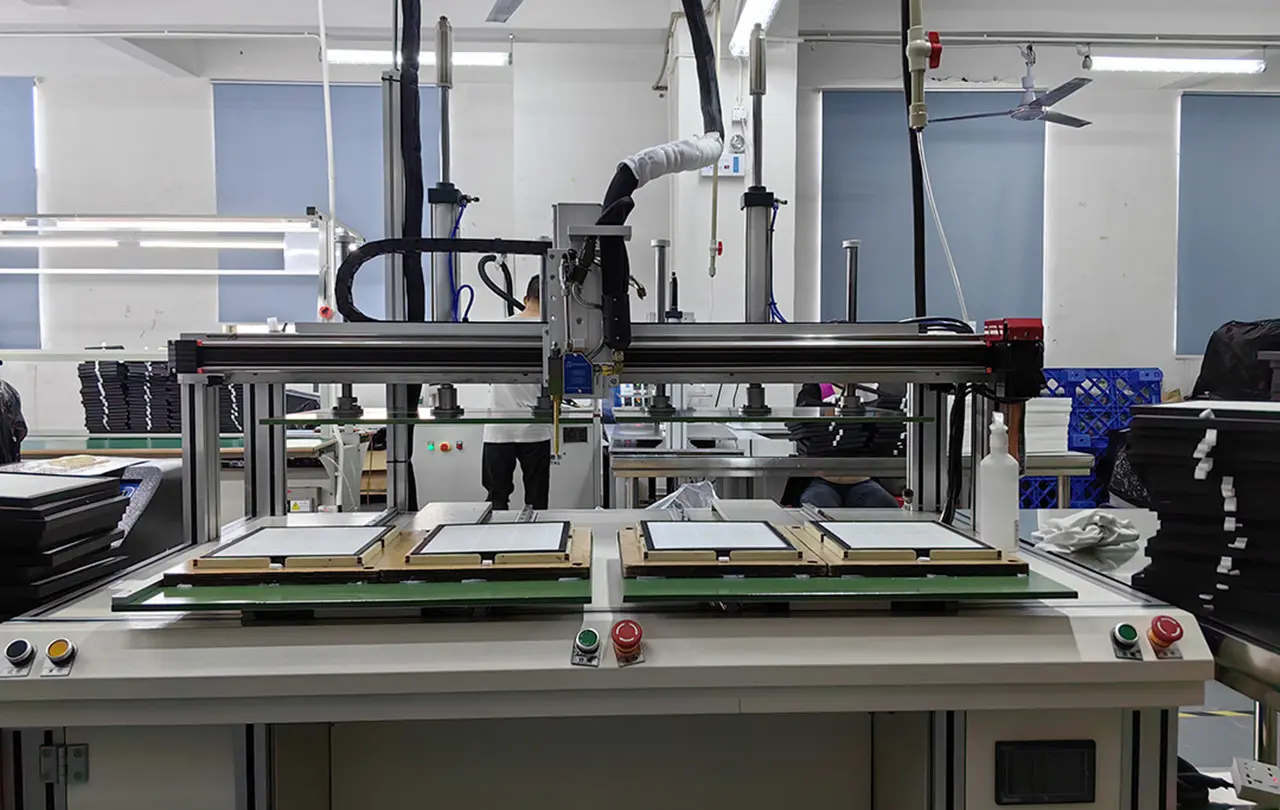
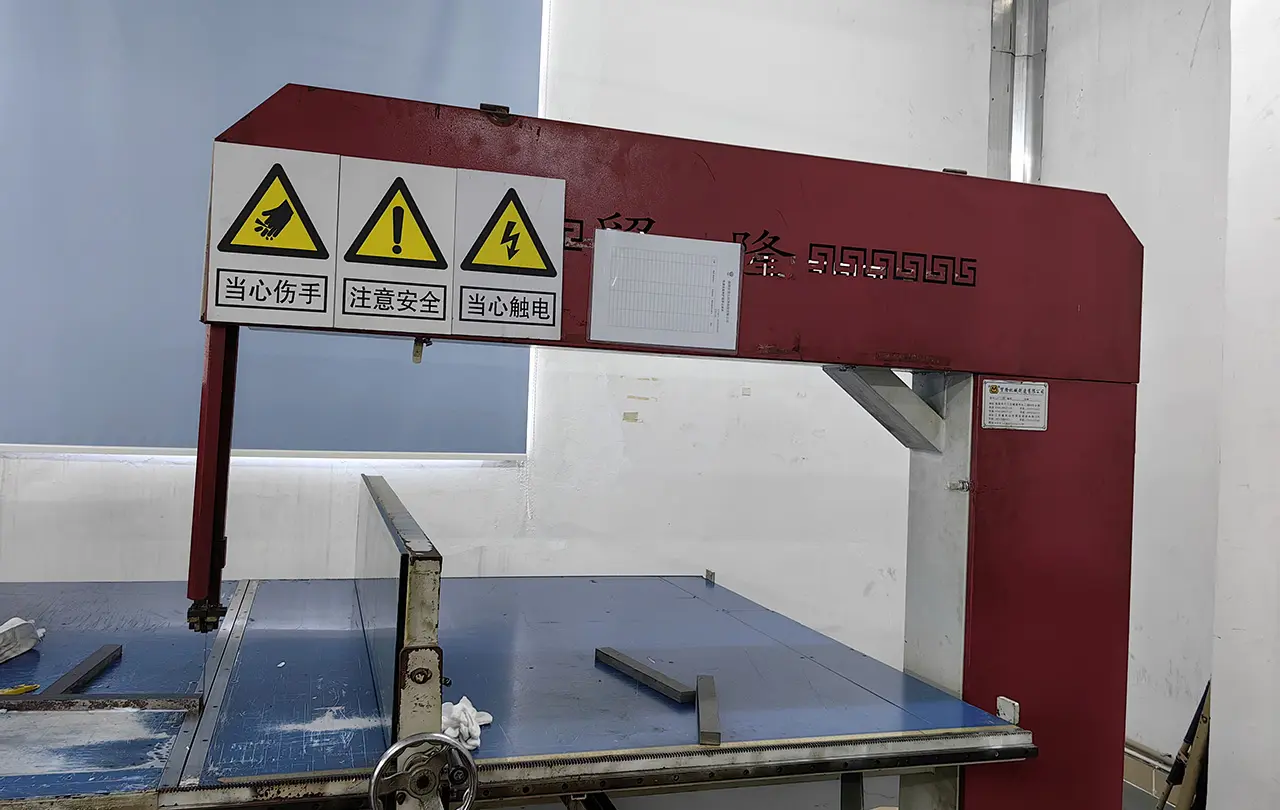
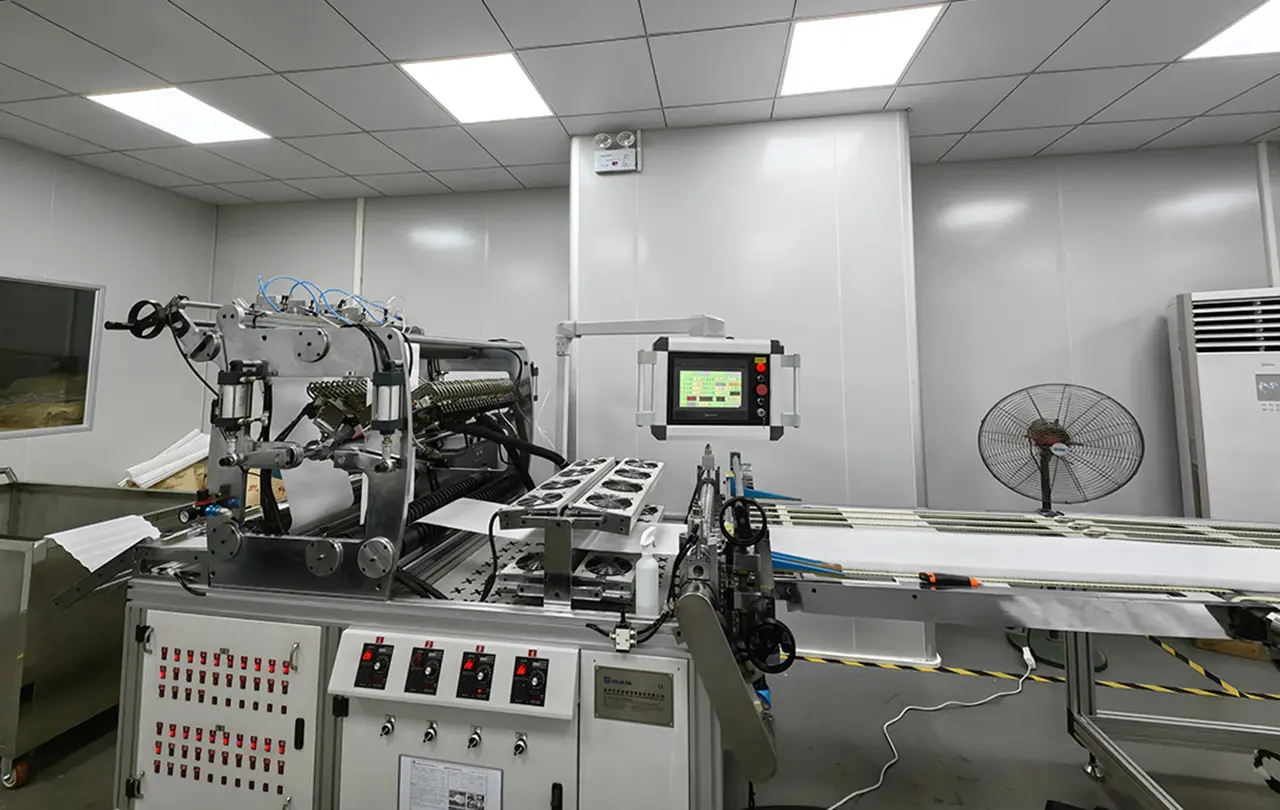
In-house manufacturing steps utilizing CNC tooling, automated pleating lines, and precision compounding machines.
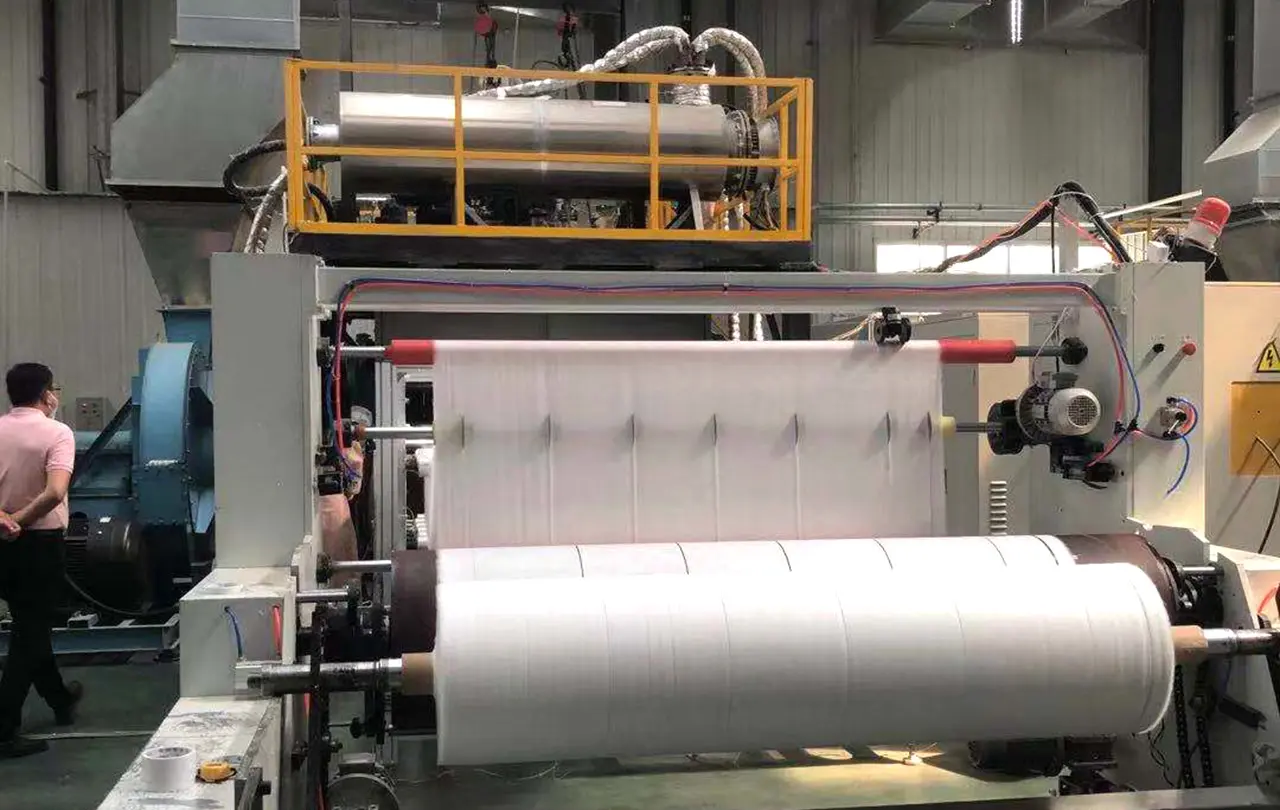
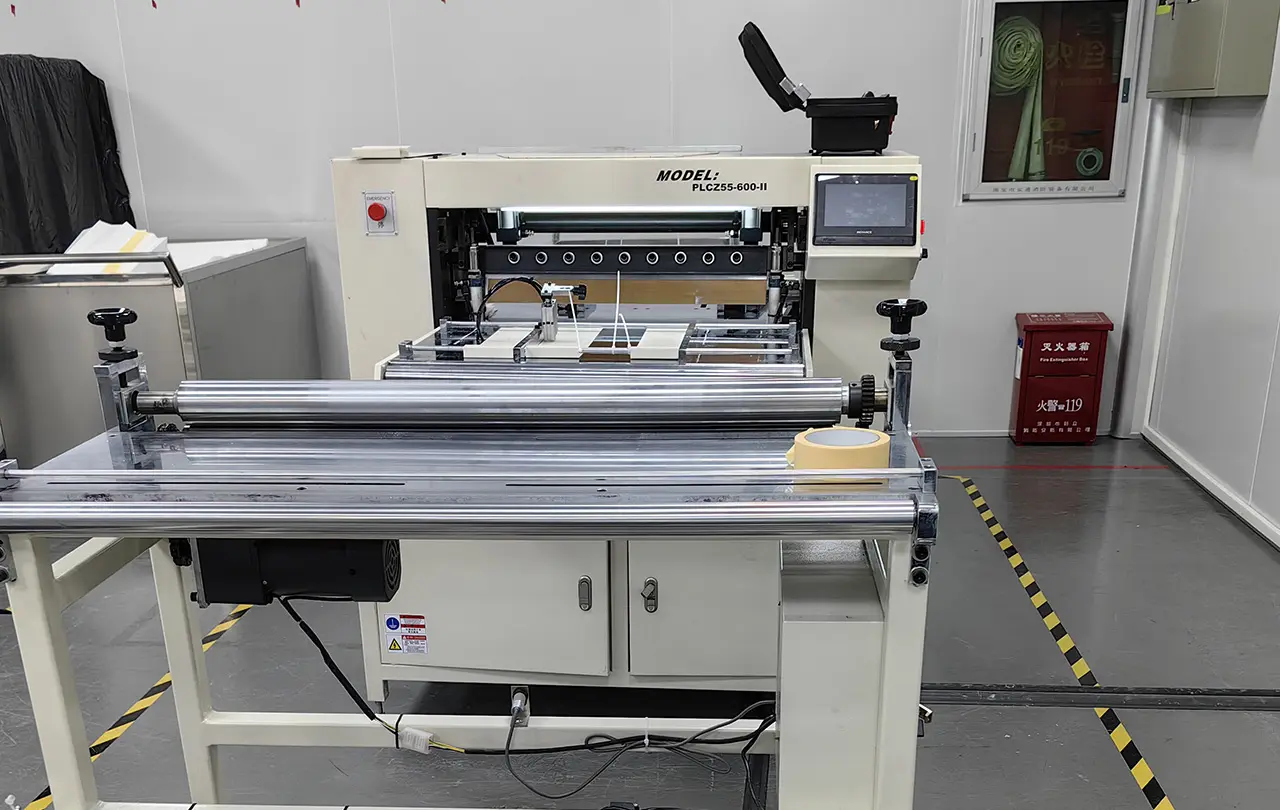
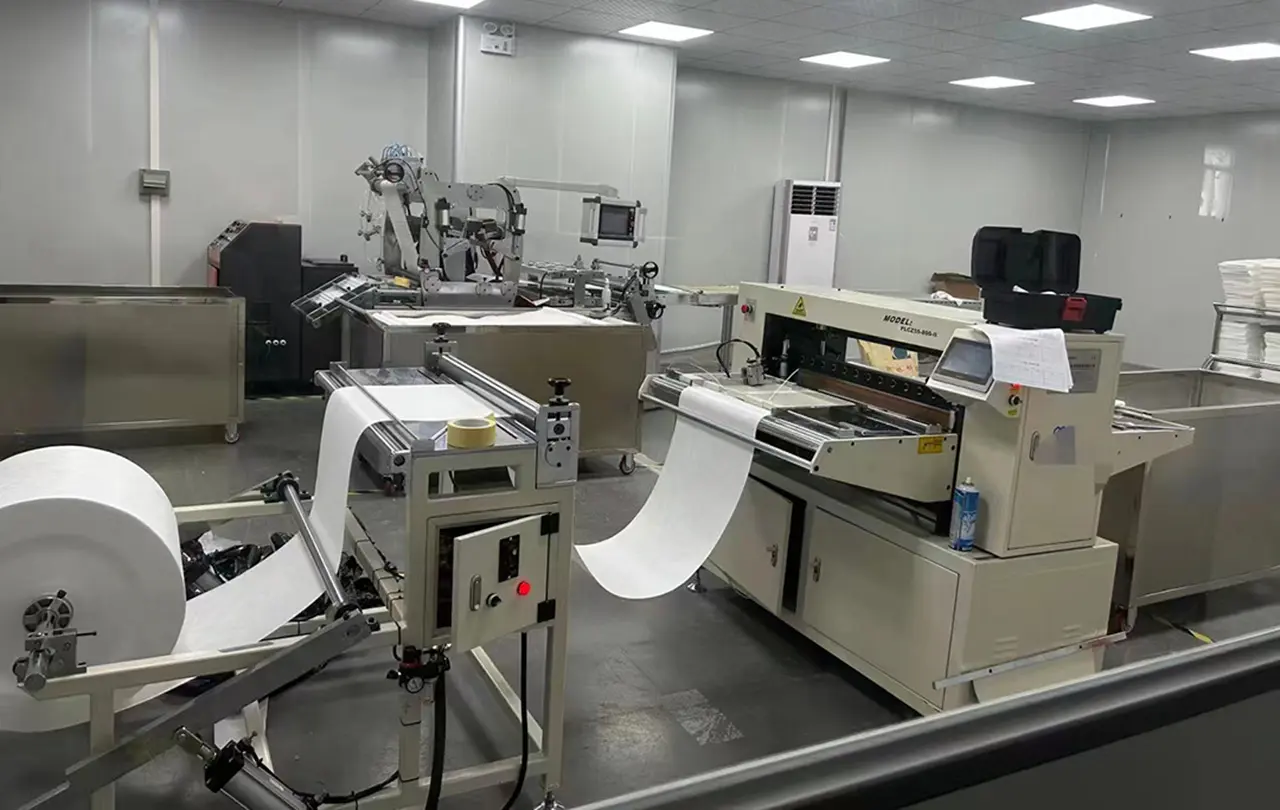
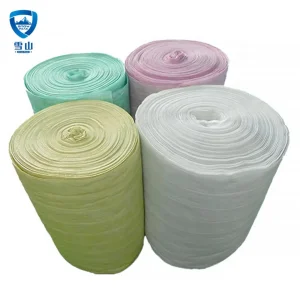
Globally, the air filtration industry is transitioning away from single-layer fiberglass toward multi-layered synthetic media and advanced composites. Synthetic pocket filter media (G4, M5, M6, F7, F8, F9) utilizes multi-denier gradient structures to capture larger dust particles on the upstream side while trapping sub-micron particles deeper inside. This structural design extends filter life up to 1.5 times compared to mono-layered options, reducing HVAC replacement cycles in high-maintenance environments.
By leveraging automated pleating lines, robotic gluing systems, and inline QA checkpoints, China’s advanced cleanroom fabricators ensure material consistency that meets or exceeds European and Japanese standards. In our production facility, each step is monitored by intelligent ERP systems. Standardizing production not only stabilizes dust holding capacities but also offsets the price fluctuations of raw petrochemical materials (such as polypropylene and polyester chips), allowing us to offer cost-stable products to Japanese and international procurement agents.
"Reliability in industrial procurement is determined by batch-to-batch consistency. Our factory utilizes automatic ultrasonic welding and pleat spacers to guarantee uniform airflow patterns, minimizing edge-leakage risks in critical systems."
Get professional answers regarding test standards, shipment logistics, and customization options for Japanese and international projects.
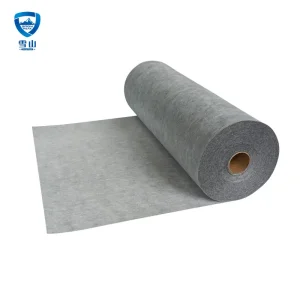
Select from our complete range of pre-filters, carbon blocks, HEPA-grade materials, and compatibility components.
Get customized technical support, samples for lab analysis, and structured quotations tailored to Japanese port logistics (Yokohama, Osaka, Tokyo).
Send Inquiry Now Snow Peak