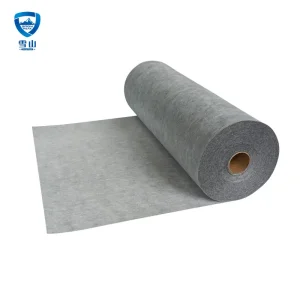
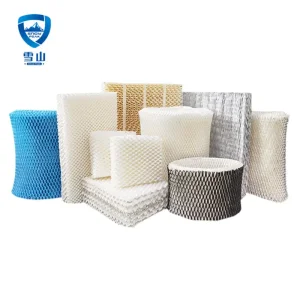
High-integrity filtration roll media, pocket assemblies, and custom-blended fabric options built to meet ASHRAE 52.2 and global cleanroom standards.
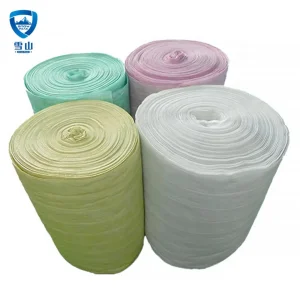
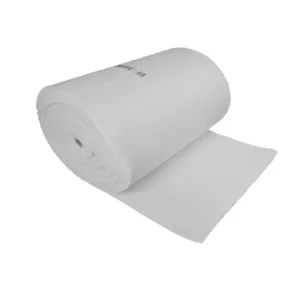
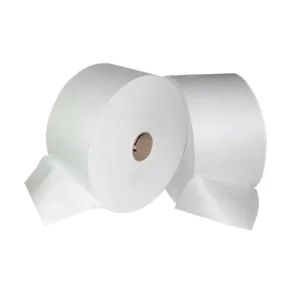
Navigating Regulatory Demands and Technological Advancements in Commercial HVAC and Cleanroom Operations.
The industrial and commercial market for air filtration media in the United States is going through a massive structural evolution. Driven by updated mandates such as the ASHRAE Standard 52.2 (which regulates MERV performance levels), stricter EPA (Environmental Protection Agency) guidance on indoor PM2.5 concentrations, and a continuous push for building energy decarbonization, the specifications for air filter materials have shifted from simple particulate capture to sophisticated, low-resistance, high-dust-holding performance profiles.
In the United States, clean air is no longer just a comfort metric—it is a production critical factor. High-tech facilities like the semiconductor fabricators expanded under the CHIPS Act, biopharmaceutical cleanrooms operating under FDA 21 CFR guidelines, and automotive paint booths require air filtration systems that run continuous cycles without failure. These systems demand filter materials that minimize pressure drop, which in turn reduces the energy draw on industrial air handling units (AHUs).
Sourcing engineers and industrial procurement departments in America look for direct manufacturing partnerships to secure raw material supply lines for structural roll stock, meltblown media, and pre-filter synthetic wire-mesh products. This is where advanced Chinese production nodes step in. Rather than working through high-markup third-party brokers, direct import routes connect global buyers directly with modern cleanroom fabricator setups equipped with top-tier CNC machining and automated pleating lines.
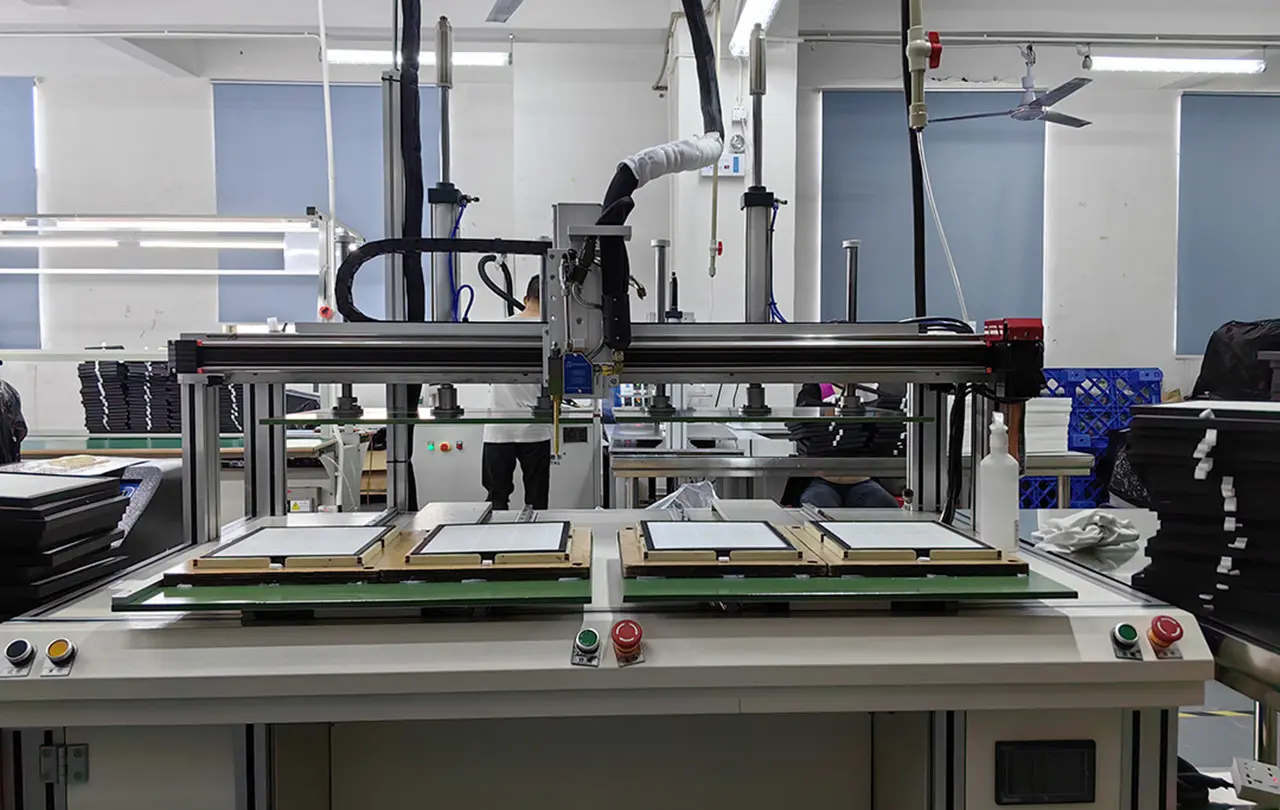
By shifting to advanced automated production, Chinese manufacturers have resolved traditional manufacturing inconsistencies. Modern systems deploy inline quality control metrics, ensuring uniform density in composite pocket media and fiberglass rolls. With automated gluing and ultrasonic welding systems, products like mini-pleated HEPA filters achieve maximum physical surface area without structural bypass. For American distributors, this equates to container-load orders that arrive exactly to specifications, with zero batch-to-batch deviation.
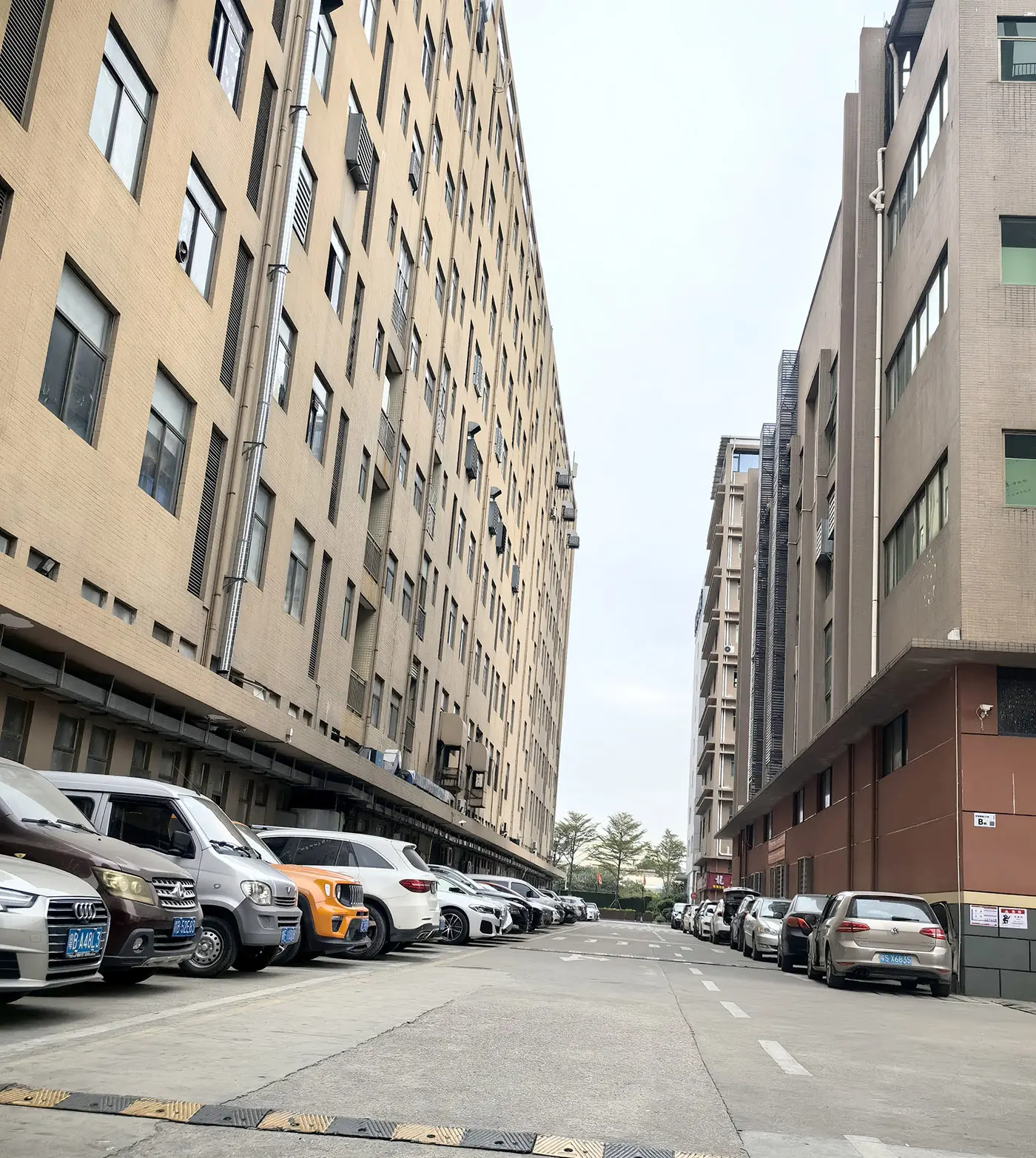
Shenzhen Snow Peak Clean Technology Co., Ltd. is a premier integrated high-tech enterprise, specialized in the research and development, manufacturing, and global export of high-performance air filtration materials. Our complete structural portfolio covers pre-filters, pocket/bag filters, HEPA systems, molecular/chemical filters, car cabin ventilation components, and industrial cooling solutions.
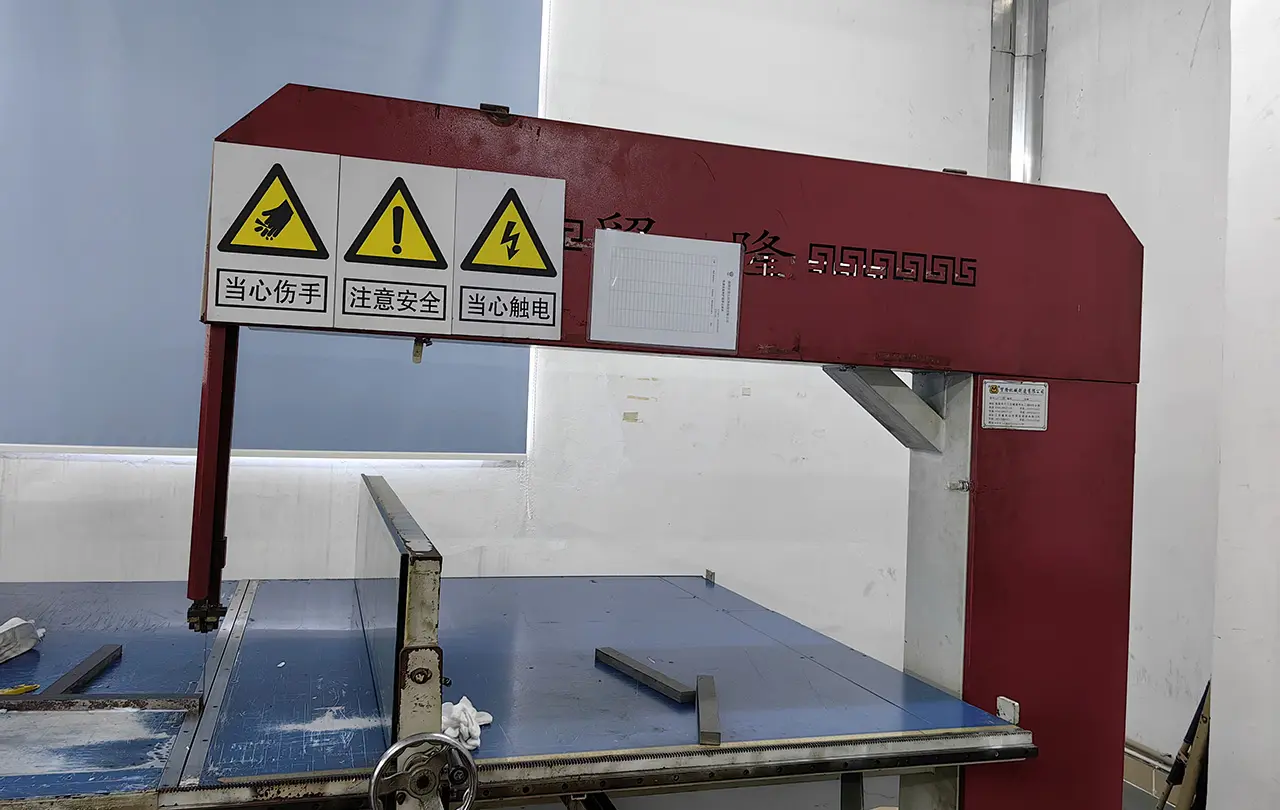
Equipped with proprietary manufacturing lines and automated machinery—including Japanese AMADA CNC punches and bending stations—we deliver consistent filtration components to OEM standards. Our specialty antiviral and bactericidal HEPA filter media effectively suppresses microbes to an efficiency of 99.9%, providing clean indoor ventilation in hospital, residential, and cleanroom environments without generating secondary indoor pollution.
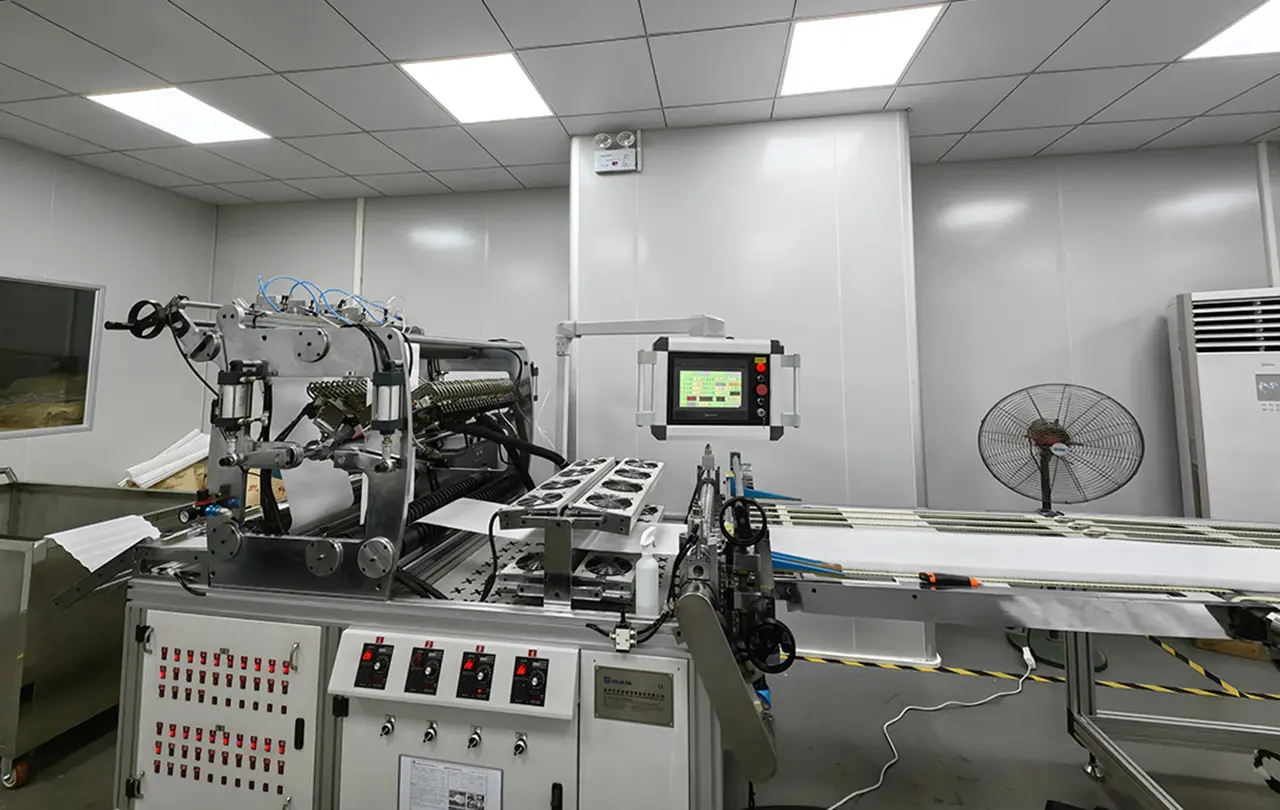
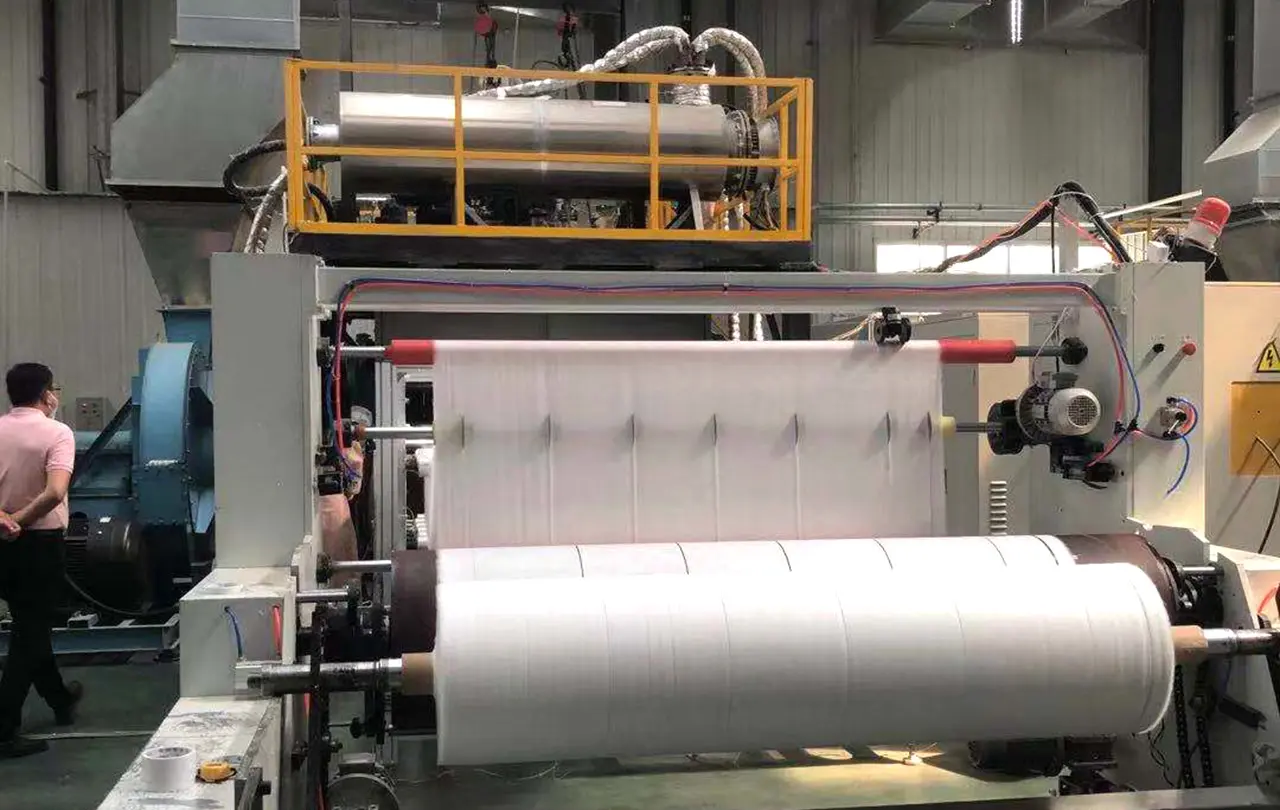
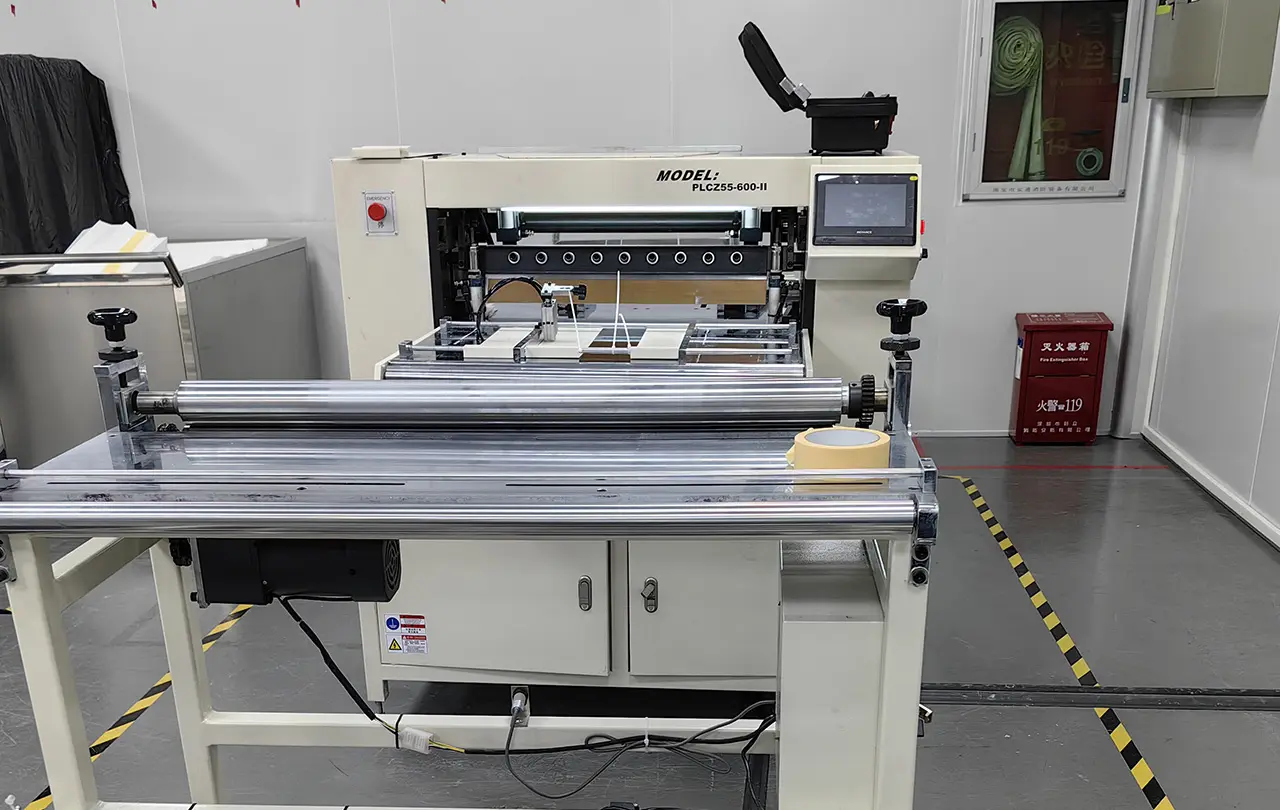
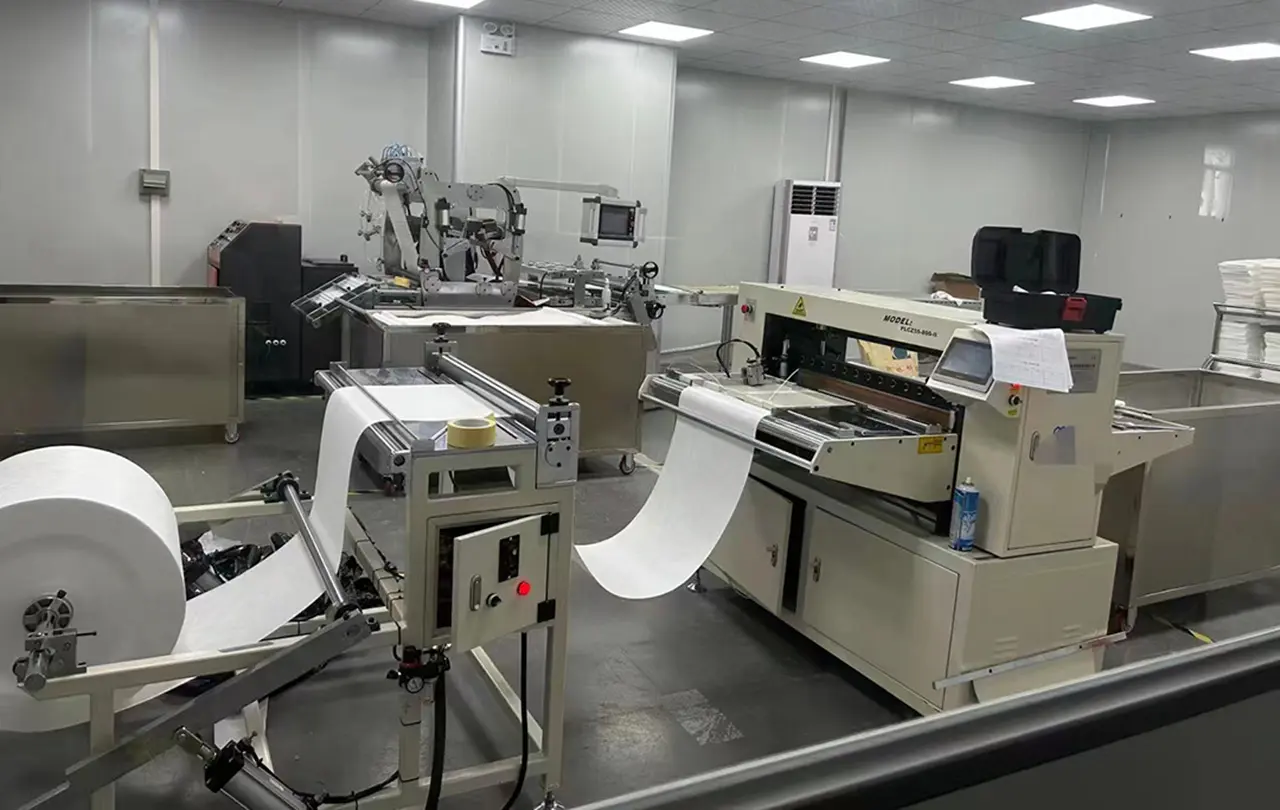
Our filter media configurations are optimized for specific industrial and commercial applications across North America.
Designed to meet MERV 13 regulations for LEED certification and general indoor air quality (IAQ) compliance in US office high-rises and schools, minimizing static pressure drop.
600G ceiling filter cotton and fiberglass floor mats capture paint overspray, regulating laminar airflow patterns for flawless finishing results on assembly lines.
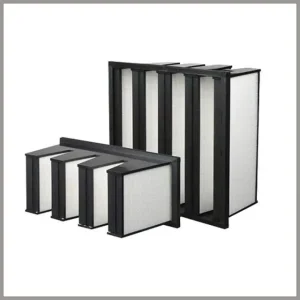
Gel Seal and V-Bank HEPA filtration units protect critical microelectronic and biological products from airborne particles, maintaining strict ISO Class 5 status.
Select from our comprehensive lineup of industrial filters, structured molecular filtration media, and high-efficiency HEPA materials.
Find engineering and logistical answers concerning standard compliance and direct material supply.
MERV (Minimum Efficiency Reporting Value) is the standard defined under ASHRAE 52.2 in the United States, evaluating filtration capacity on a scale of 1 to 16 based on particles from 0.3 to 10 microns. ISO 16890 is the global equivalent, which measures fractional efficiency based on particulate matter categories (ePM1, ePM2.5, ePM10). Both metrics confirm the reliability of the pocket and synthetic media rolls we supply.
Low resistance (or low pressure drop) ensures that air flows easily through the filter medium. This lowers the energy required by the HVAC system's fans to move the air. By applying modern electrostatic charging technologies during meltblown manufacturing, we achieve high particle capture efficiency without creating a dense, restrictive physical barrier.
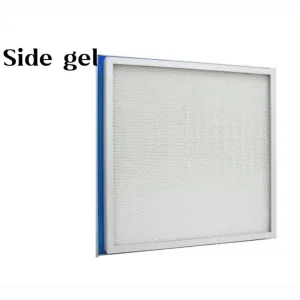
Gel seal HEPA filters utilize a channel filled with a non-flowing, liquid polyurethane gel. When installed in the ceiling frame grid, the knife-edge profile penetrates the gel to form an airtight, zero-bypass seal. This design is highly recommended for cleanrooms operating at high pressure differentials where bypass leakage is unacceptable.
Yes, we provide extensive OEM and ODM customization. Using our automated pleating lines and AMADA CNC bending machinery, we fabricate aluminum or plastic housing frames to match your mechanical specifications, ensuring a secure fit in any HVAC cabinet design.
Collaborate directly with our engineering team for technical spec sheets, compliance documentation, and custom volume pricing.
Send Inquiry Now Snow Peak