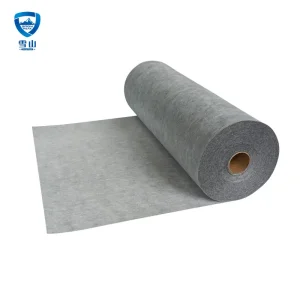
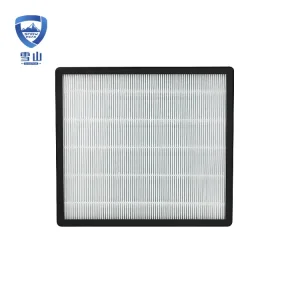
Engineered to optimize structural integrity, dust-holding capacity (DHC), and minimize pressure drop in heavy duty dry-land applications.
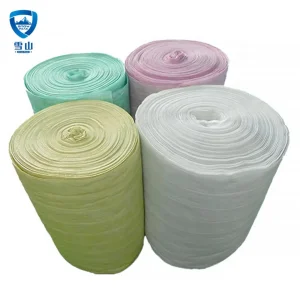
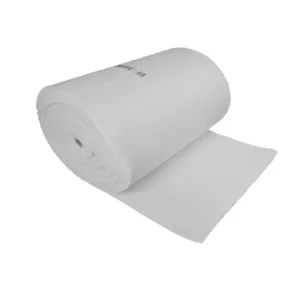
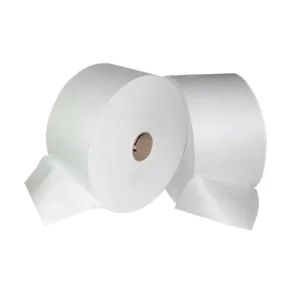
As Central Asia's fastest-growing industrial engine, Uzbekistan is undergoing a massive structural transformation. Enabled by national industrial localization policies, regions such as Tashkent, Samarkand, and the Fergana Valley are shifting towards advanced pharmaceutical production, chemical refining, automotive manufacturing, and high-tech electronic assemblies. However, this industrial boom presents a major ecological challenge: Uzbekistan’s arid and semi-arid continental climate, frequently exposed to sandstorms from the Aralkum Desert, results in unusually high particulate matter (PM10 and PM2.5) concentrations in ambient air.
For modern factories to operate efficiently in this geographic landscape, standard ventilation and purification systems are insufficient. Multi-stage high-efficiency filtration is mandatory to protect machinery, guarantee product quality, and secure occupational safety. Consequently, sourcing reliable, heavy-duty air filter material series from expert global factories has transitioned from a operational routine to a core strategic priority for Uzbek engineers.
Modern auto production plants require dust-free environments for spray-painting booths to prevent cosmetic surface flaws. The standard solution involves a combination of G4/M5 pre-filters and specialized 600G ceiling filter cotton. These ceiling micro-fiber materials ensure laminar air flow and trap particles larger than 5 microns with 99% efficiency, providing high surface quality standards matching global automotive exports.
Uzbekistan's domestic pharmaceutical market is expanding rapidly, with new state-mandated GMP standards. These facilities require robust biological control. By combining H13 HEPA filtration media with synthetic antiviral technologies, cleanrooms can successfully arrest microorganisms, bacteria, and virus-laden aerosols, maintaining sterility levels that comply with both national guidelines and international ISO-14644 cleanroom classes.
The desert air of Uzbekistan contains abrasive silica-heavy dust. If left unfiltered, these particles cause rapid turbine blade erosion and machinery degradation. Heavily structured G2-G4 primary filter media rolls, coupled with synthetic polyester laminated wire mesh folds, serve as the robust first line of defense, reducing downstream filter replacement costs and prolonging critical machinery lifetimes.
Shenzhen Snow Peak Clean Technology Co., Ltd. is an integrated high-tech enterprise, specialized in air filtration products research and development.
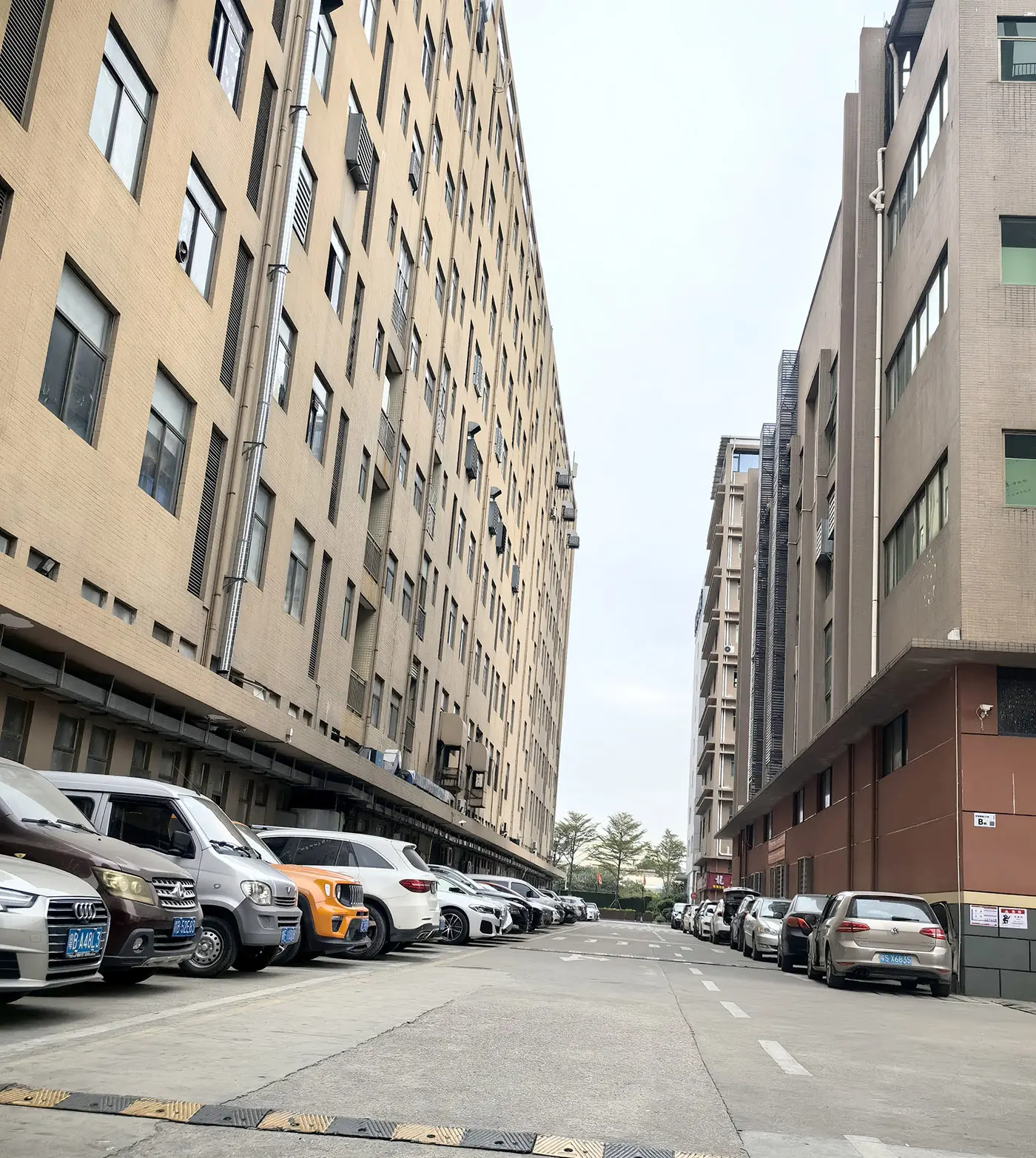
Shenzhen Snow Peak Clean Technology Co., Ltd. is dedicated to delivering high-performance air filtration materials, components, and solutions globally. We produce and supply: Pre-filter, pocket filter, HEPA filter, chemical filter; replacement HEPA filter, car cabin air filter, humidifier filter; pocket filter media, melt-blown composite filter media, and other high-performance filter materials. We provide high-quality air purification solutions and products for indoor air pollution control and air conditioning systems of civil and industrial buildings, microelectronics, pharmaceutical, laboratory, school, hospital clean rooms, and clean environments.
Combined with our self-developed patented technology, our sterilizing antiviral HEPA filter can effectively filtrate fine particles, so that PM2.5 concentration down to 10 micrograms/m3, 5 times better than the Chinese national standard; effectively inhibit the breeding of microorganisms, sterilization rate up to 99.9%, and no secondary pollution, removal of H1N1 virus efficiency as high as 99.99%.
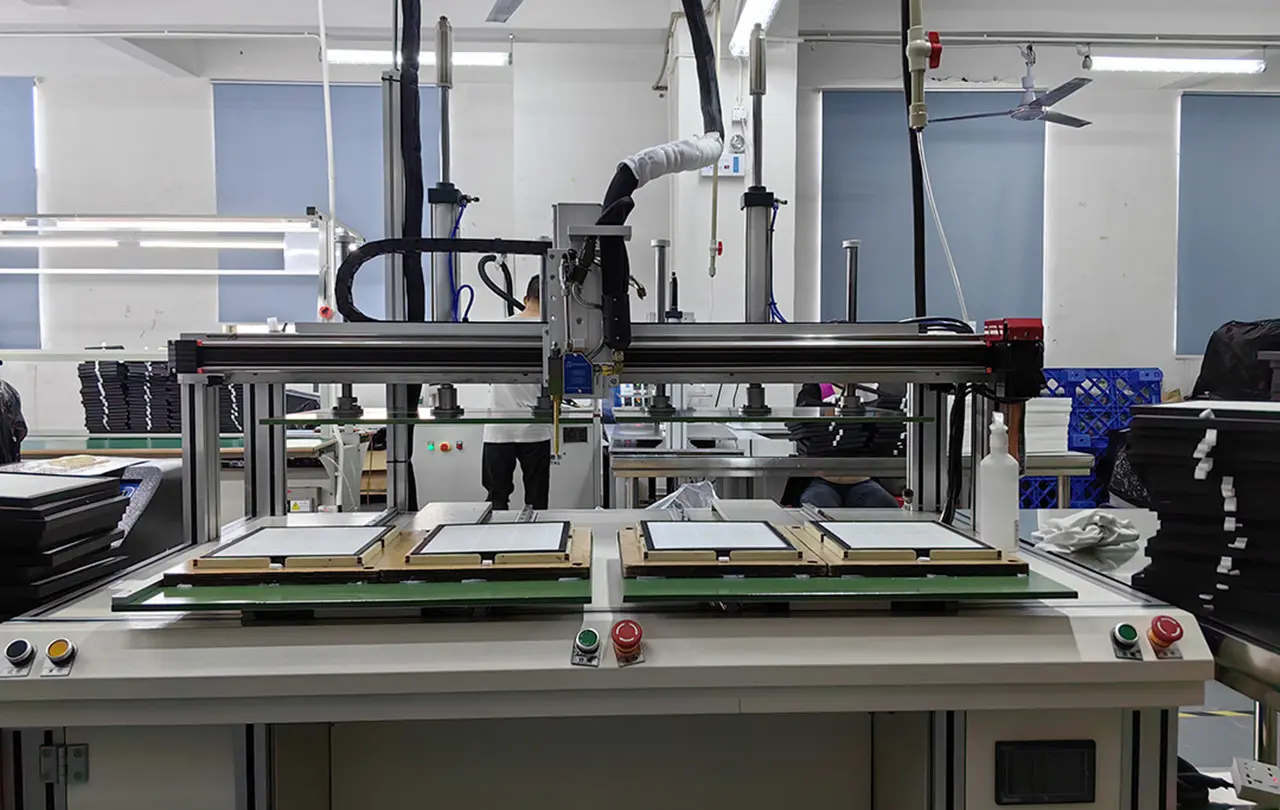
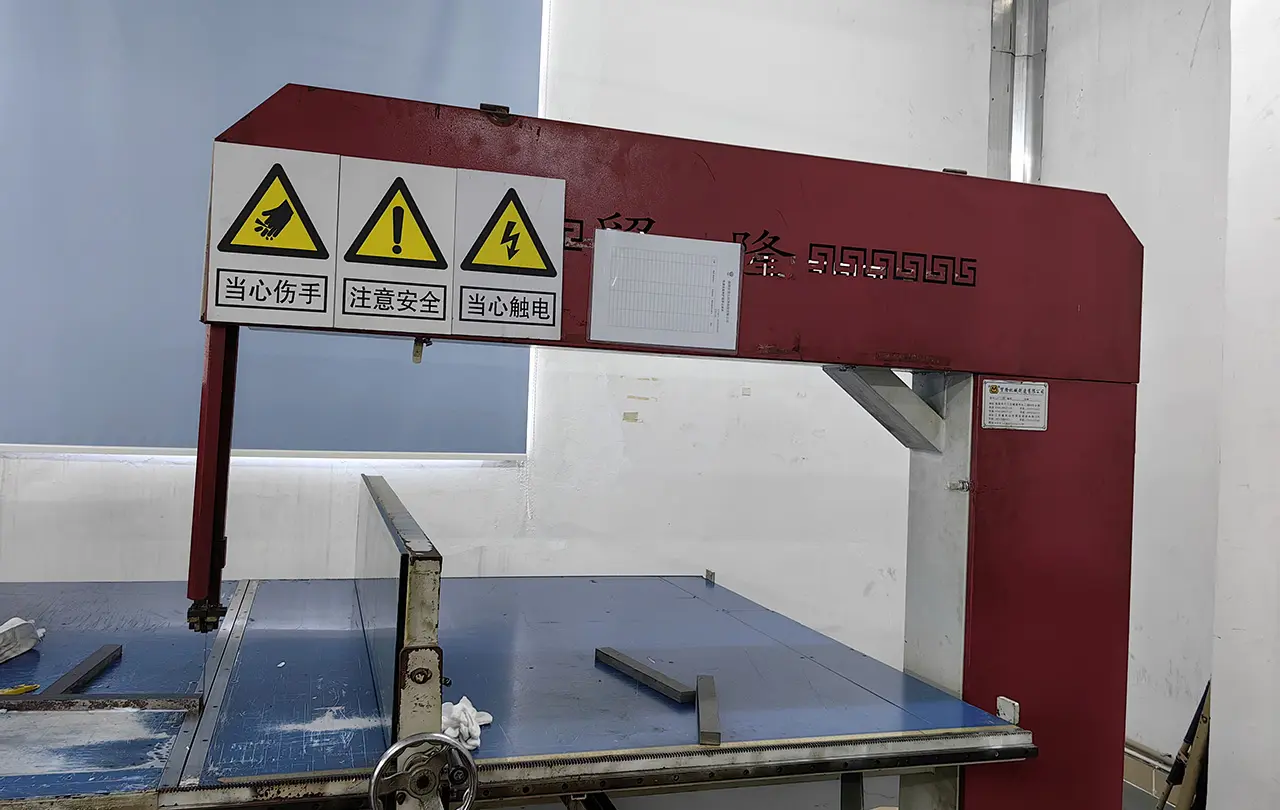
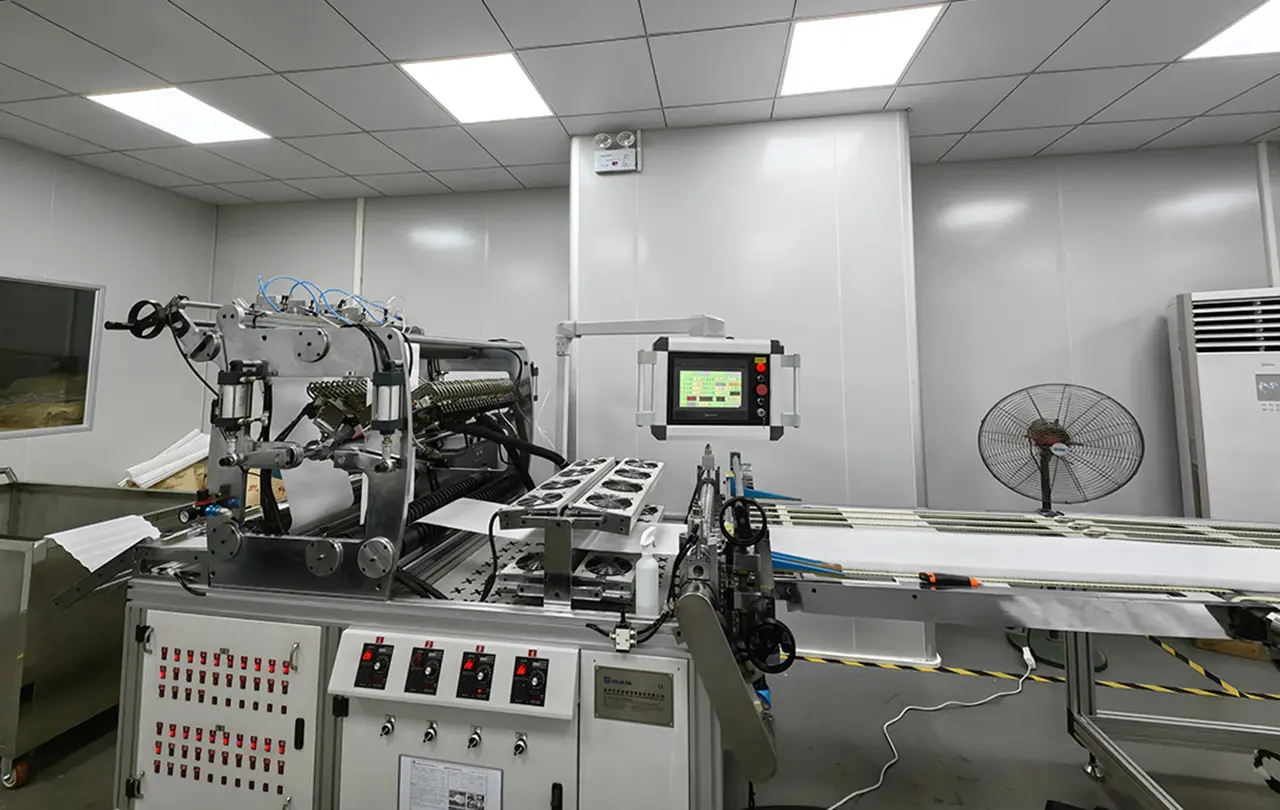
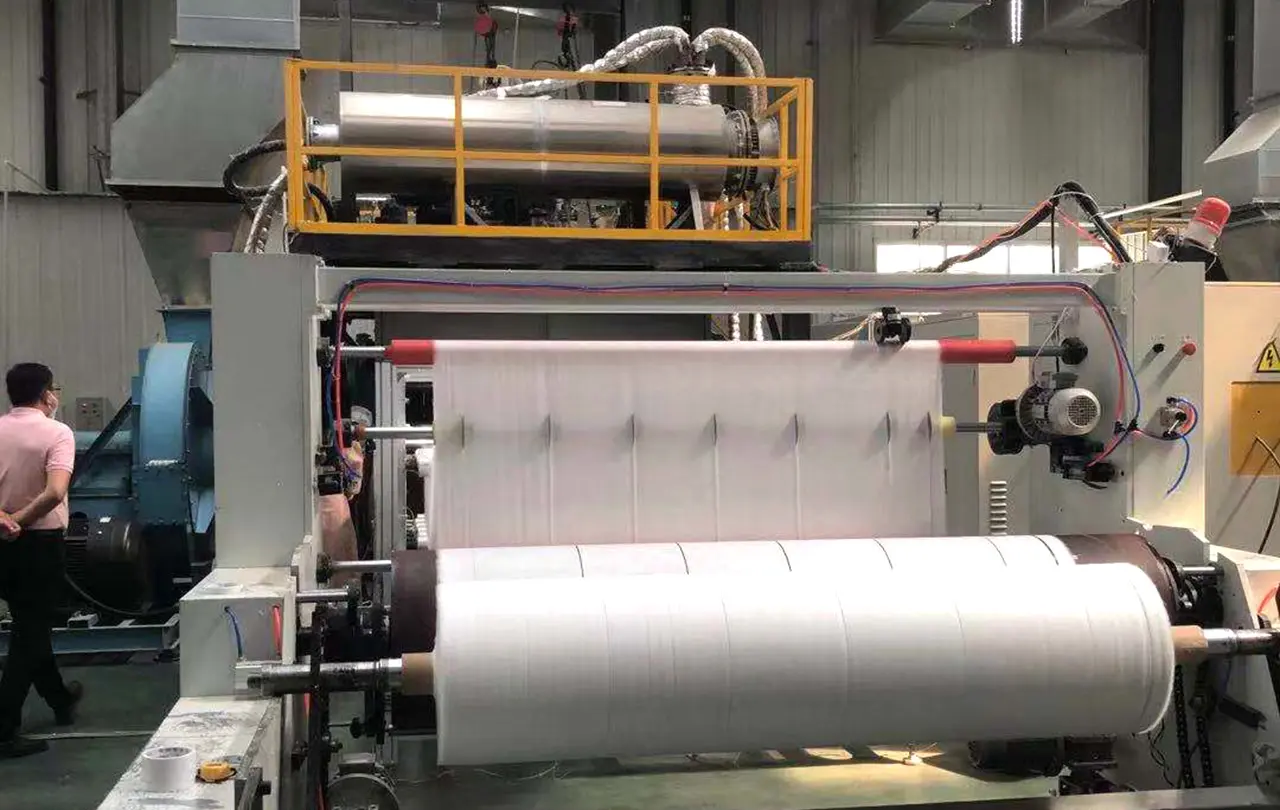
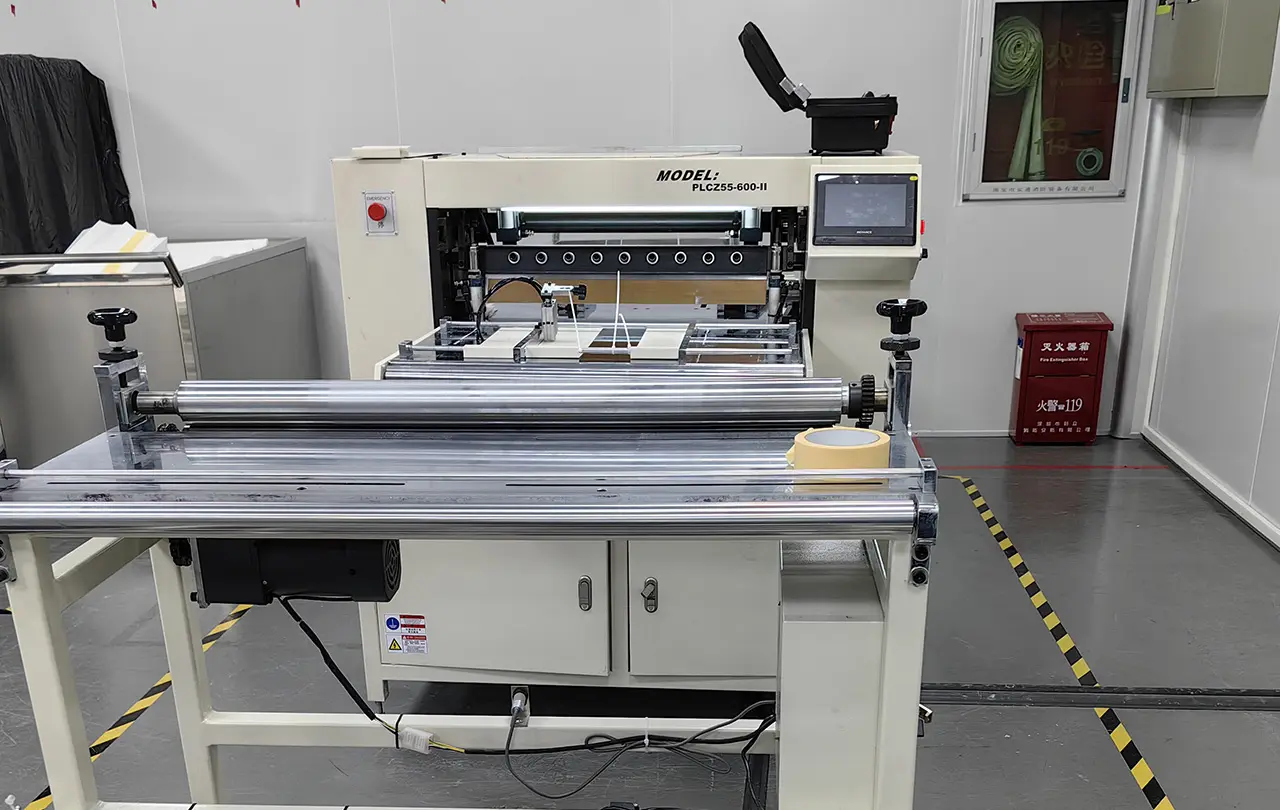
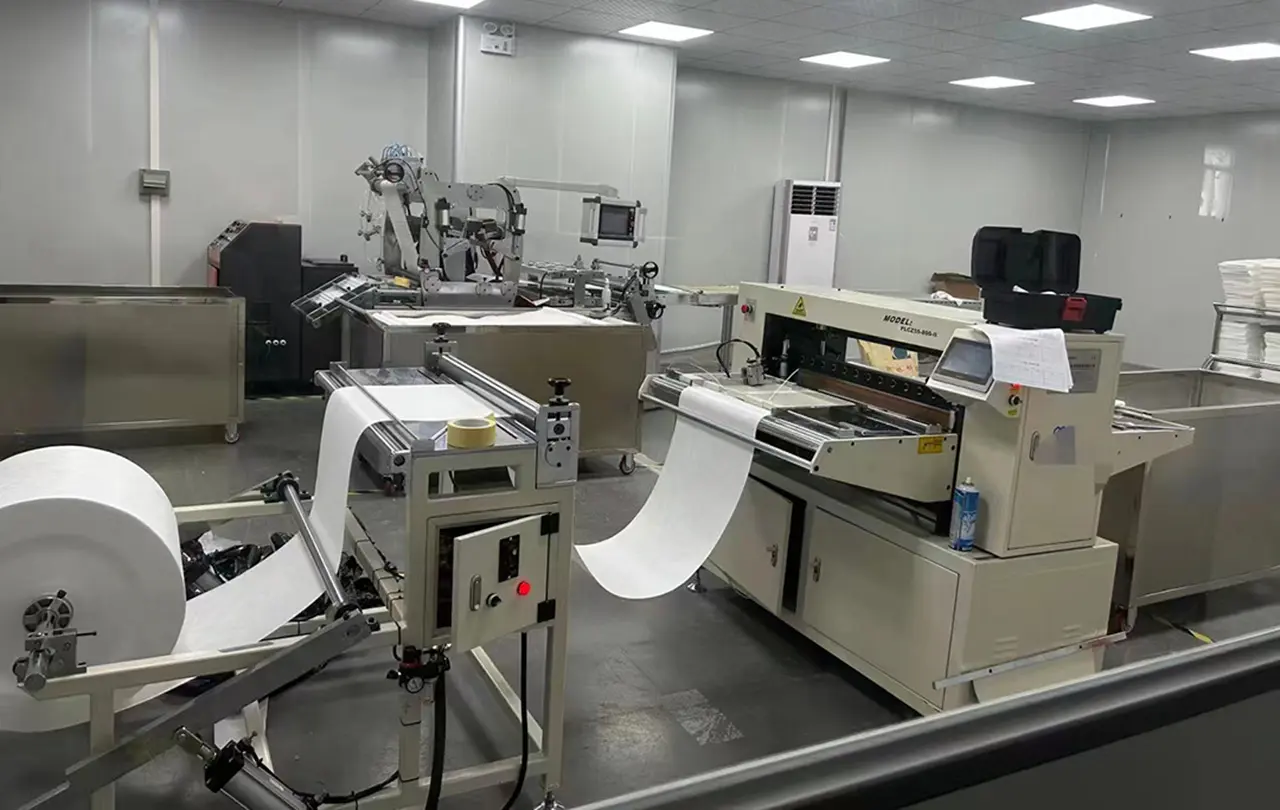
Having 15 years of international air purification technology experience as the background, our company has standardized production workshops, dust-free filter workshops, and first-class technology of HEPA filters production line and inspection lines. Our independent research and development of fully automatic air filter production lines is equipped with AMADA CNC punch and CNC bending machines as well as many other advanced high-end systems, providing a strong guarantee for the production, quality control, and longevity of air filtration products exported directly to Uzbekistan.
As environmental regulations in Uzbekistan align closer with EU standards (such as EN 779:2012 transitioning fully into ISO 16890 and EN 1822 for HEPA filters), the engineering specifications for filtration media have shifted dramatically. Simple gravimetric arrestance calculations are no longer adequate. Global buyers look for fractional efficiency data and energy efficiency ratings.
The global trade landscape demands high supply chain adaptability. Chinese factories offer direct cost-to-performance efficiency, raw material vertical integration, and advanced logistics connectivity (via the Belt and Road Initiative directly connecting Lianyungang or Xi'an to Tashkent by rail). Sourcing directly from certified Chinese manufacturers guarantees stable product delivery schedules, rapid customizable sizing, and rigorous ISO-certified batch quality testing.
High durability, certified testing standards, and tailored designs for domestic and industrial applications.
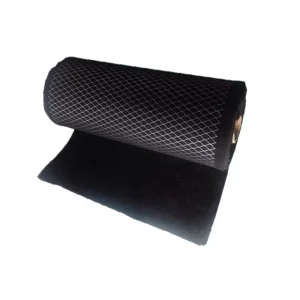
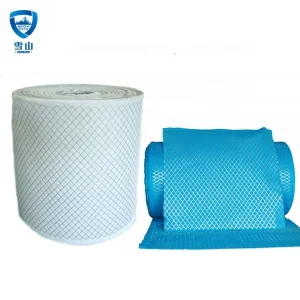
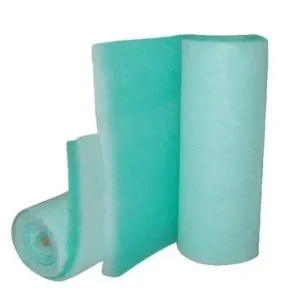
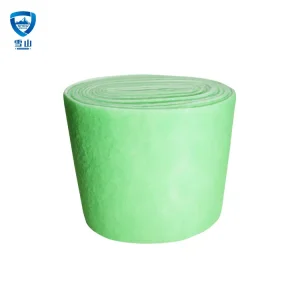
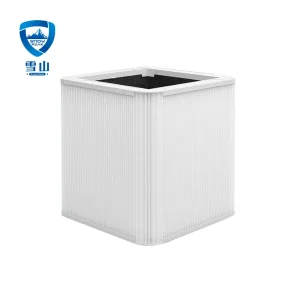
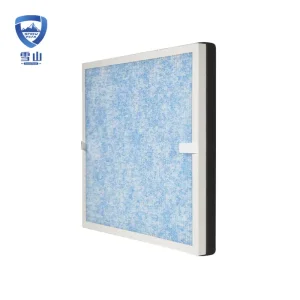
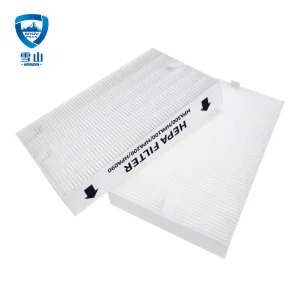
Sourcing air filtration materials from international markets requires absolute clarity regarding testing certifications, custom codes, and freight handling. Our logistics and engineering divisions work closely together to ensure a smooth transition from factory floor to domestic installation.
All particulate filters are measured under ISO 16890, EN 779, or EN 1822 guidelines. We provide fully documented test reports detailing dust-holding capacities, pressure drop curves, and efficiency coefficients. This compliance pack allows smooth technical clearances for national engineering projects, municipal energy audits, and industrial GMP compliance standards in Uzbekistan.
We leverage mature Central Asian freight corridors. Whether opting for container shipping via Kazakhstan or dedicated freight rail to Tashkent Dry Port, we package and load media rolls to prevent compression, humidity damage, and physical tearing. In addition, our documentation experts provide precise HS code classification (typically Chapter 59 or 84 depending on finished status) to streamline customs declarations.
Key questions and answers regarding product configuration, climate suitability, and volume ordering.
Partner with an engineering-driven, ISO 9001 certified Chinese factory. Request custom samples, technical product sheets, and direct-to-Tashkent shipping quotes.
Send Inquiry Now Snow Peak