Analyzing structural challenges in micro-climatic control, API pharmaceutical purification, and particulate protection across the Mumbai Metropolitan Region (MMR).
The Mumbai Metropolitan Region (MMR)—including industrial nodes like Thane-Belapur, Taloja, and Navi Mumbai—represents one of Asia's most dense concentrations of chemical, pharmaceutical, automotive processing, and IT infrastructure. Operating commercial and industrial heating, ventilation, and air conditioning (HVAC) systems in this region presents severe environmental challenges. The coastal proximity results in persistently high relative humidity (averaging 75% to 90% during monsoon cycles) combined with high ambient concentrations of particulate matter (PM2.5 and PM10).
Under these conditions, standard air filter media without hydrophobic treatments are highly susceptible to moisture loading, structural collapse, and premature pressure drop spikes. This dynamic not only degrades indoor air quality (IAQ) but also dramatically increases the energy consumption of air handling units (AHUs). In sectors like pharmaceutical cleanrooms (formulating under strict WHO-GMP guidelines) and microelectronics fabrication, maintaining precise micro-climatic filtration efficiency is non-negotiable. Hence, selecting the appropriate air filter material series engineered to resist humidity-driven degradation is key to operational sustainability.
As a leading developer of air filtration technologies, we focus on engineering high-efficiency composite media with excellent mechanical and electrostatic properties. By integrating advanced raw materials—including premium synthetic fibers, dual-phase meltblown materials, and micro-fiberglass layers—we ensure our media series delivers maximum dust holding capacity (DHC) while maintaining a low initial resistance. This whitepaper serves as an engineering roadmap for procurement managers, HVAC consultants, and system integrators sourcing filter media for the Indian and global markets.
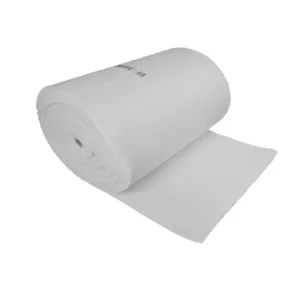
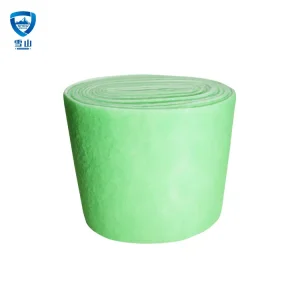
High-efficiency rolls and custom media designed for initial dust suppression and paint booth filtration in automotive and industrial setups.
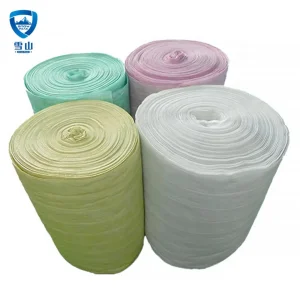
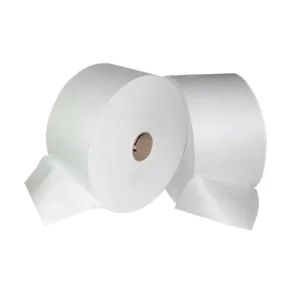
Understanding pressure drop, fractional efficiency, and electret charge decay in professional environments.
Meltblown media captures sub-micron particles utilizing two primary mechanisms: mechanical interception (impaction, diffusion, and interception) and electrostatic attraction. Electrostatic electret charging allows the fibers to attract fine particulate matter, such as viruses and PM2.5, without restricting airflow passages. This delivers highly efficient filtration with minimal initial pressure drop.
However, high relative humidity and exposure to aerosols can neutralize these electrostatic charges over time. In the humid environment of Mumbai, standard electret media can experience rapid efficiency loss. Our custom formulation addresses this issue through a proprietary thermal charging process that embeds deep-lying, stable electret charges. This structure resists decay even under continuous high-moisture exposure, helping systems maintain consistent filtration efficiency.
Standard single-layer media often suffers from face-loading, where particles clog the surface and rapidly increase pressure drop. To prevent this, our air filter material series utilizes progressive density multi-layer structures.
| Media Series Class | Primary Material Composition | Efficiency Range (ISO 16890) | Target Applications | Key Performance Benefit |
|---|---|---|---|---|
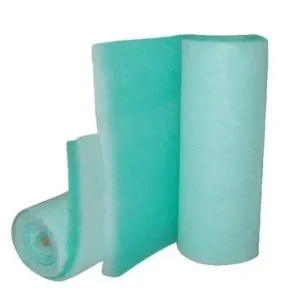
| Primary (G2 - G4) | Synthetic polyester & fiberglass matrix | Coarse > 60% to 90% | AHU Prefilters, Spray booths | High dust holding capacity, washable options |
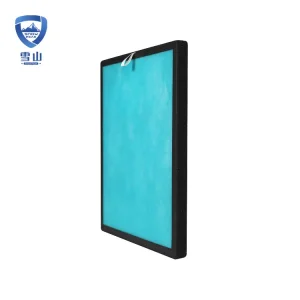
| Medium (M5 - F9) | Composite meltblown / spunbond backing | ePM10 > 60% / ePM1 > 80% | Commercial HVAC, gas turbines | Stable electrostatic charge, low resistance |
| HEPA (H13 - H14) | Sub-micron glass fiber & PTFE membrane | ≥ 99.97% at 0.3 μm (MPPS) | Pharma cleanrooms, hospitals, labs | Zero leakage, high structural integrity |
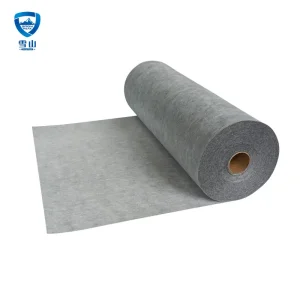
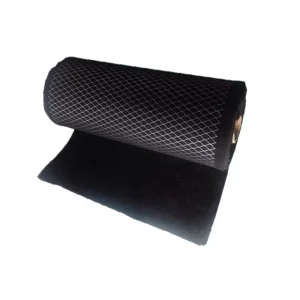
| Gas-Phase / Carbon | Activated carbon with sandwich fabric | Adsorption of VOCs & acid gases | Refineries, heavy commercial zones | Excellent odor control, high adsorption rate |
Designing system solutions for clean air delivery, lower energy consumption, and high operational safety.
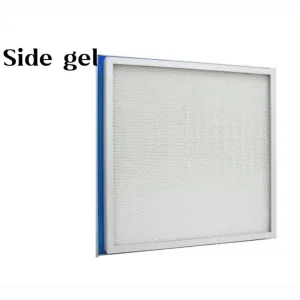
For cleanrooms operating in Mumbai's chemical and pharmaceutical sectors, contamination control is critical. Our Gel Seal HEPA filters and Bag-In-Bag-Out (BIBO) systems are engineered to prevent bypass leaks and safely handle hazardous materials, maintaining sterile environments compliant with global regulations.
Indoor air quality in high-density urban areas like Mumbai directly impacts employee health and cognitive performance. Our pocket filter series offers high air volumes with lower pressure drop, helping buildings achieve high MERV ratings and energy efficiency targets.
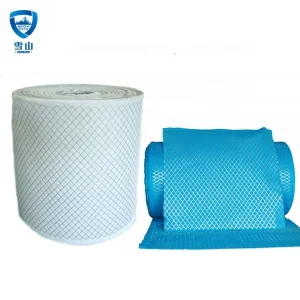
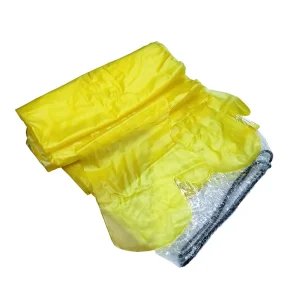
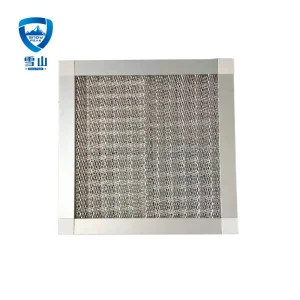
Industrial facilities exposed to corrosive air require specialized protection. Our polyester-laminated wire mesh prefilters and activated carbon systems neutralize acidic gases, salt particles, and hydrocarbons, protecting critical machinery from fouling and corrosion.
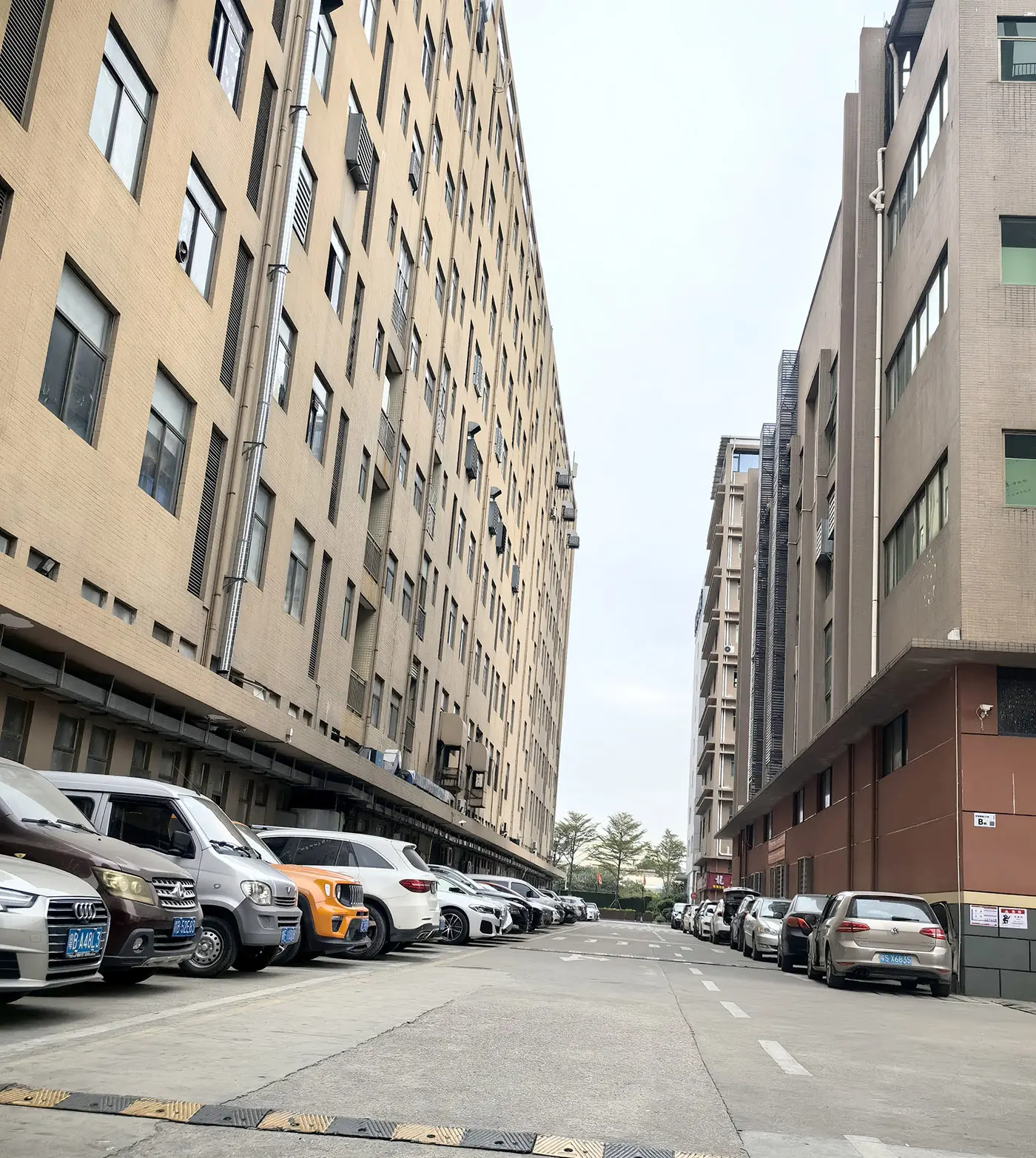
Shenzhen Snow Peak Clean Technology Co., Ltd. is an integrated high-tech enterprise, specialized in air filtration products research and development, production, sales, import and export trade. We produce and supply: Pre-filter, pocket filter, HEPA filter, chemical filter; replacement HEPA filter, car cabin air filter, humidifier filter; pocket filter media, melt-blown composite filter media, and other high-performance filter materials; provide high quality air purification solutions and products for indoor air pollution control and air conditioning systems of civil and industrial buildings, microelectronics, pharmaceutical, laboratory, school, hospital clean room etc.
Combined with self-developed patented technology, our sterilizing antiviral HEPA filter can effectively filtrate fine particles, so that PM2.5 concentration down to 10 micrograms/m3, 5 times better than national standard; effectively inhibit the breeding of microorganisms, sterilization rate up to 99.9%, and no secondary pollution, removal of H1N1 virus efficiency as high as 99.99%.
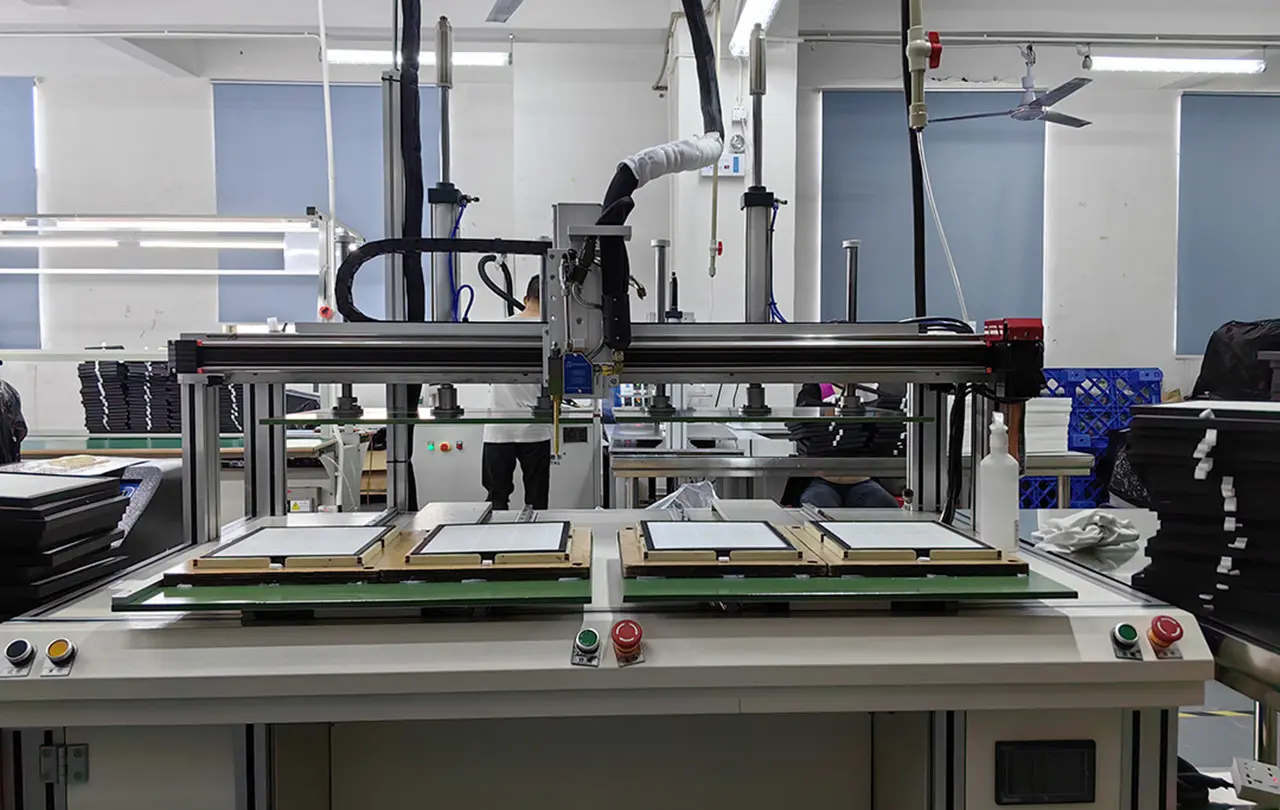
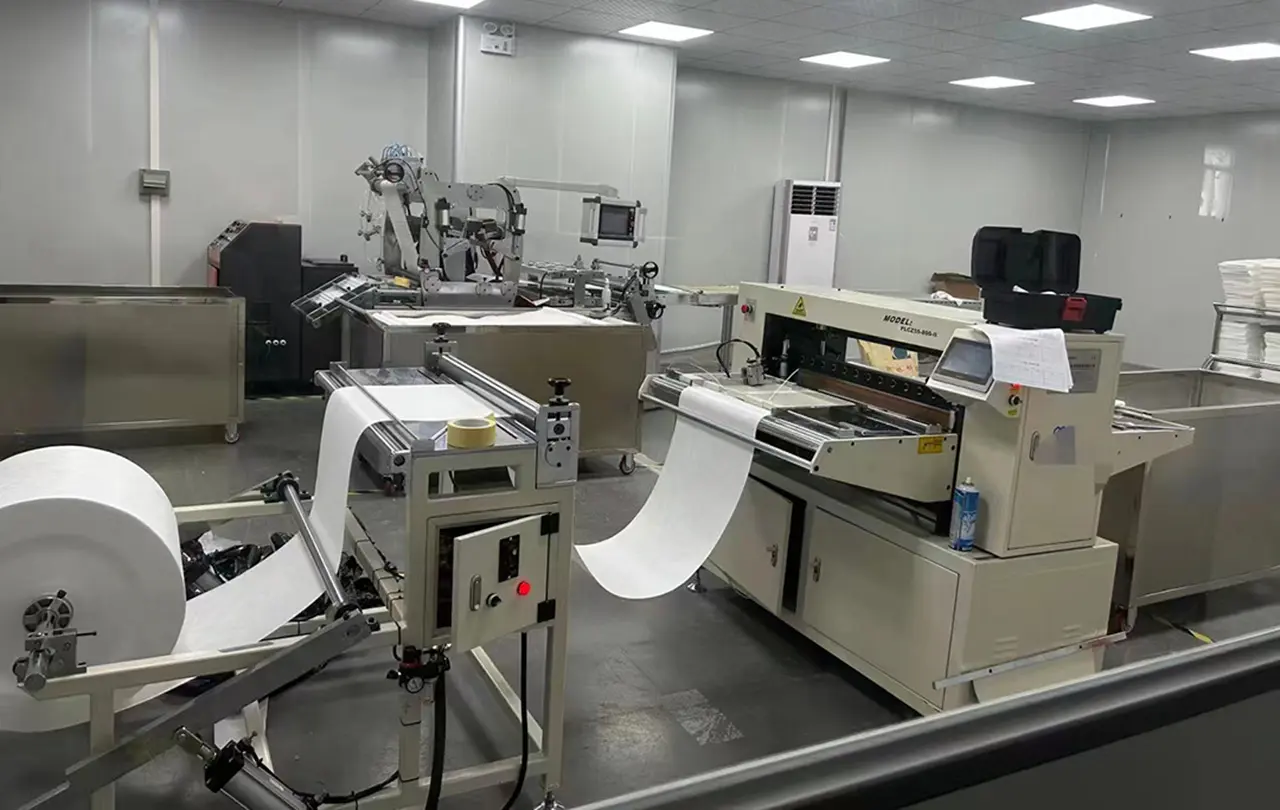
Having 15 years of international air purification technology experience as the background, our company has standardized production workshop, dust-free filter workshop and first-class technology of HEPA filters production line and inspection line, independent research and development of fully automatic air filter production line, equipped with AMADA CNC punch and CNC bending machine as well as many other advanced high-end equipment, provide a strong guarantee for production and quality of air filtration and purification products.
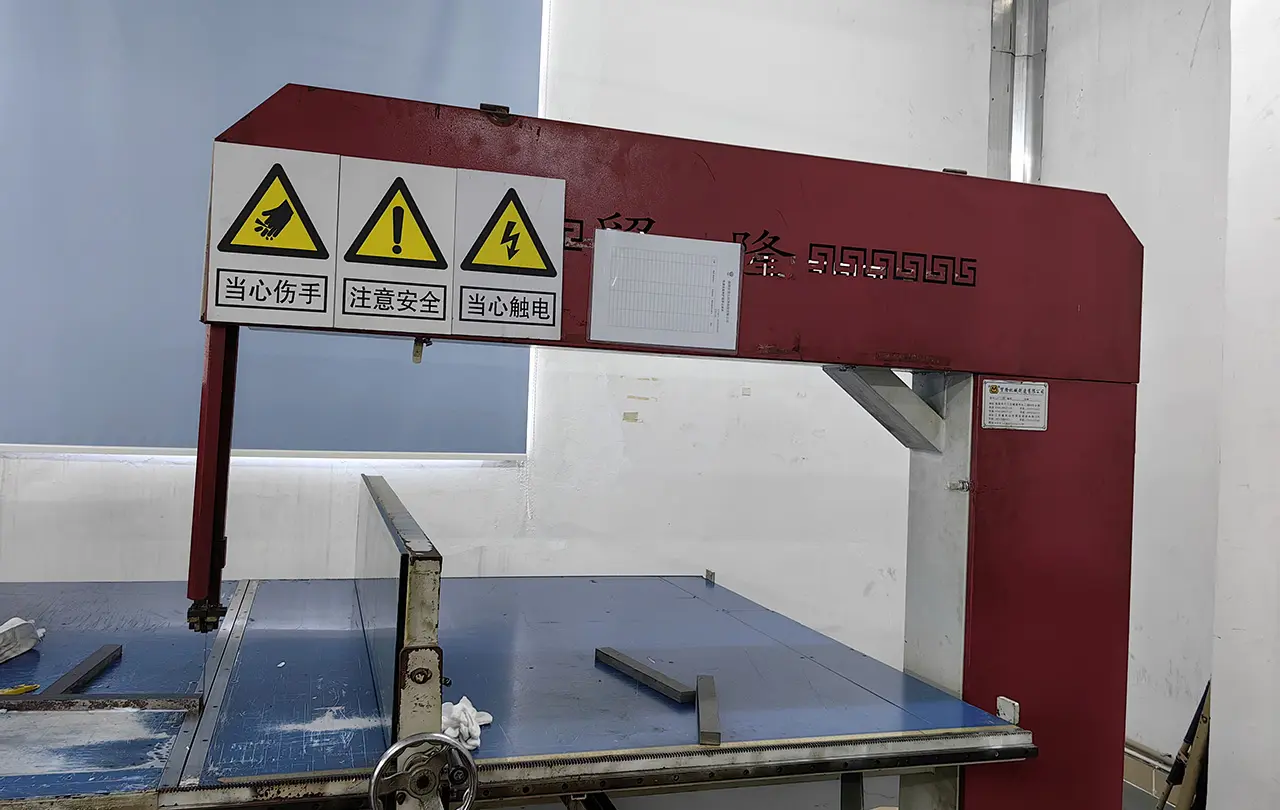
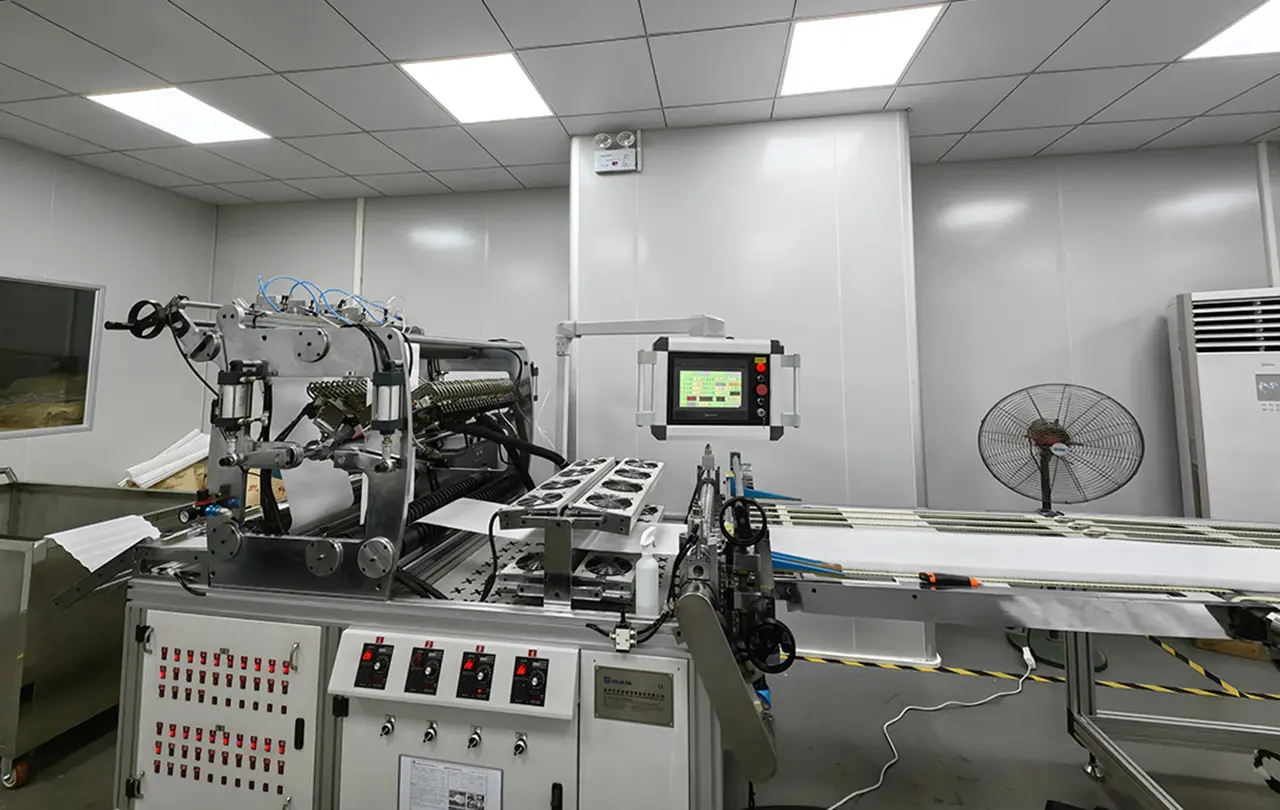
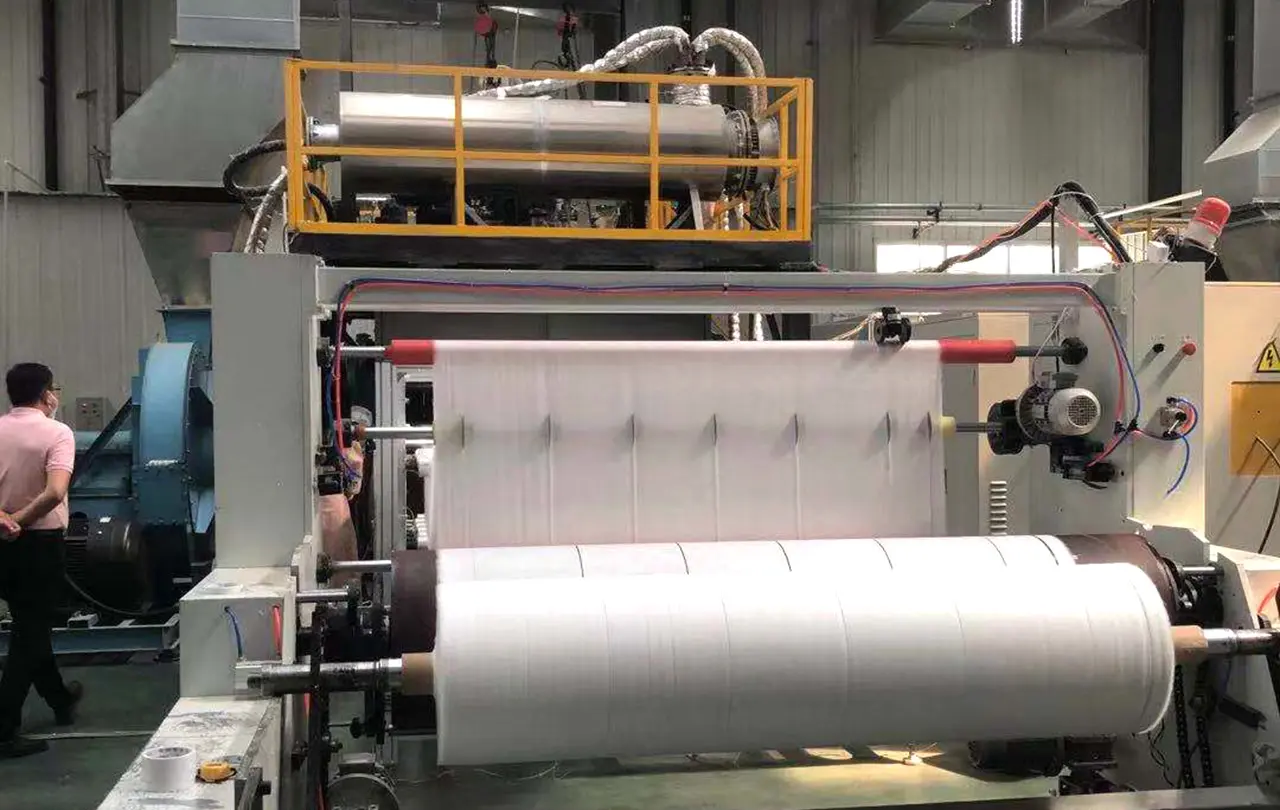
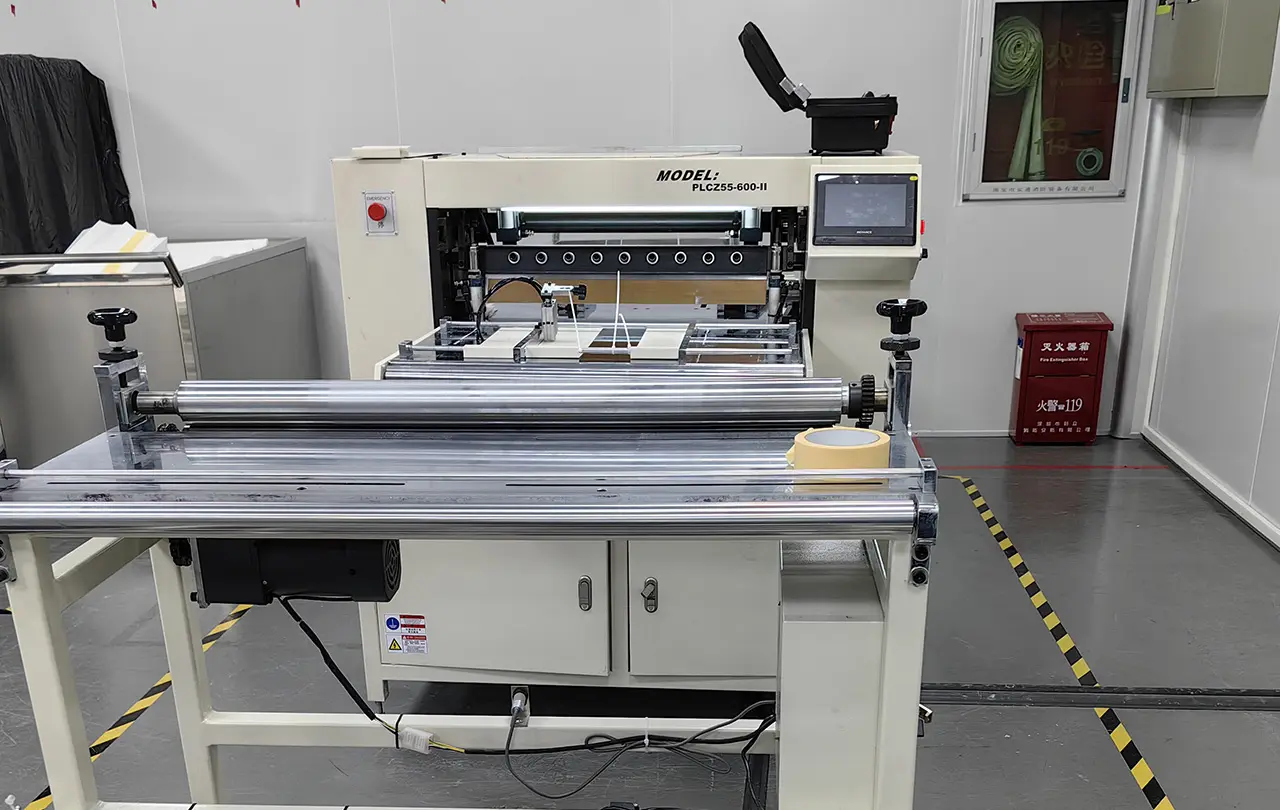
Engineered to meet cleanroom specifications, HVAC configurations, and custom applications across Mumbai's industrial sectors.
Addressing lead times, quality assurance, customs processes, and compliance for international buyers.
Procuring industrial-grade air filter media requires assessing technical performance alongside supply chain logistics. For engineering groups, HVAC contractors, and OEMs in India, importing media from our state-of-the-art facilities in Shenzhen involves navigating shipping windows, port-of-entry custom procedures (primarily at JNPT/Nhava Sheva in Mumbai), and strict regulatory standards.
We streamline this integration through our global support team, which manages documentation compliance under international standards like ISO 16890, EN 779, and ASHRAE 52.2. Our products are packaged using reinforced, moisture-resistant, and anti-static wrapping to ensure rolls and filter components arrive in optimal condition despite sea transit environments. This care helps prevent physical distortion or electrostatic discharge during shipping.
For custom production runs—such as bespoke roll widths, laminated structures, or specific pocket dimensions—our engineering team works with clients from drawing approval to prototype testing. By utilizing automated pleating and CNC equipment, we can support scale manufacturing with highly consistent tolerances. This stability minimizes installation fitment issues and bypass leaks during final assembly.
Aligning international classifications with local IS and ISHRAE guidelines for pharmaceutical cleanrooms and building services.
In India, air quality and system designs are increasingly governed by guidelines from the Indian Society of Heating, Refrigerating and Air Conditioning Engineers (ISHRAE) and the Bureau of Indian Standards (BIS). Specifically, cleanroom applications in pharmacy hubs in Thane, Belapur, and nearby Pune must align with the revised Schedule M of the Drugs and Cosmetics Act, which enforces ISO 14644 standards.
Our filter materials are tested to comply with ISO 16890 classifications, replacing the older EN 779 G/M/F rating system with modern ePM1, ePM2.5, and ePM10 ratings. This helps engineering teams calculate real-world performance against ambient PM2.5 concentrations in urban centers. Transitioning to ISO 16890-compliant filters allows developers to optimize energy usage while ensuring reliable dust collection and indoor air quality.
Additionally, our chemical filter and activated carbon series are engineered to address gaseous contaminants common in heavy industrial zones, including sulfur dioxide (SO2), nitrogen oxides (NOx), and volatile organic compounds (VOCs). Operating clean air systems with our multi-stage filtration solutions helps maintain the integrity of process control rooms and electronic systems, protecting them from micro-corrosion and particulate contamination.
Technical questions and answers regarding filter media selection, pressure drop, and performance optimization.
High relative humidity can soften certain cellulose-based media, causing them to sag and structural pleats to collapse under air pressure. Additionally, high moisture levels can degrade the electrostatic charge (electret) of synthetic materials, leading to a loss in efficiency. Our synthetic polyester and composite media are treated with hydrophobic agents to resist moisture, helping maintain structural integrity and charge stability.
EN 779 evaluated filtration efficiency based on a single average particle size (0.4 microns). In contrast, ISO 16890 evaluates filtration efficiency across three distinct particle size groups: PM1 (0.3 to 1 μm), PM2.5 (0.3 to 2.5 μm), and PM10 (0.3 to 10 μm). This newer system provides a more realistic representation of filter performance against typical urban atmospheric dust.
Our pocket filter media features a tapered pocket design and a progressive density layout. This structure ensures that larger particles are captured in the outer layer, while finer particles are caught deeper in the media. By distributing the dust load evenly through the depth of the pocket, the filter maintains lower resistance and has an extended operating life compared to flat surface designs.
Yes. We offer fully customizable options for media roll widths, pocket counts, and pre-cut pad sizes. Our advanced cutting and pleating machines allow us to manufacture custom filter configurations that meet specific OEM requirements and fit standard or non-standard HVAC air handler frames.
Each HEPA and ULPA filter we produce undergoes testing to verify efficiency and integrity. We perform leak and scanning tests in accordance with EN 1822 and ISO 29463 standards using test aerosols like DEHS/DOP. This testing ensures the media and gel seals are free of bypass leaks before shipment.
Contact our sales and engineering team for technical datasheets, pricing quotes, and support with product customization for your commercial or cleanroom requirements.
Send Inquiry Now Snow Peak