 Snow Peak
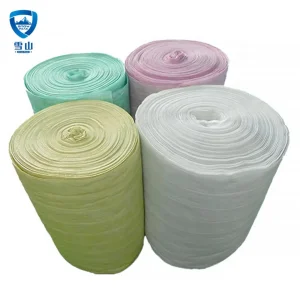
Explore our leading primary, medium, and high-efficiency filtration media roll and panel products customized for the rigorous clean air compliance standards in Massachusetts.
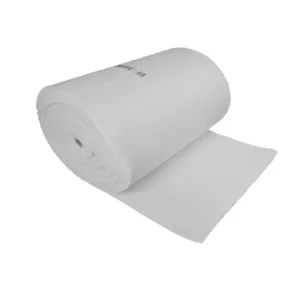
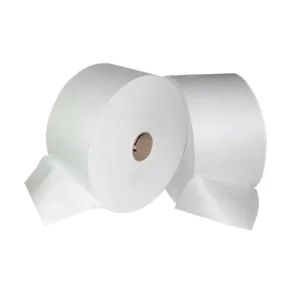
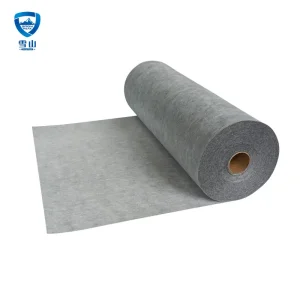
The greater metropolitan area of Boston, Massachusetts—encompassing key tech corridors such as Kendall Square in Cambridge, Route 128, and the Seaport District—stands as one of the world's most dense concentrations of biotechnology, pharmaceuticals, medical device manufacturing, and high-tier academic research institutions. Clean air is not merely a comfort metric in these local sectors; it is a critical process variable regulated under strict federal and state guidance (FDA, EPA, and Massachusetts DEP).
In life science cleanrooms (ISO Class 5 to ISO Class 8) and compounding pharmacies complying with USP <797> and USP <800>, any deviation in air particulate concentration can result in catastrophic product contamination, batch loss, and compliance citations. Standard commercial HVAC filters fall short. These facilities require advanced composite meltblown fabrics, high-strength fiberglass stop-media, and high-efficiency particulate air (HEPA) filters. The mechanical strength, structural integrity under high humidity, and initial pressure drop characteristics of air filter materials directly affect both cleanroom sterility and the energy consumption profiles of local industrial fan filter units (FFUs).
On a global scale, the industrial and commercial air filter market is undergoing rapid evolution driven by ESG mandates and rising energy costs. Modern HVAC systems consume up to 40% of a commercial building’s energy, with filter resistance (pressure drop) accounting for a significant portion of that load. High-quality synthetic media, multi-layer composite structures, and electret-charged meltblown materials are replacing old-fashioned coarse glass fibers. Procurement teams in the Americas, Europe, and Asia are shifting away from transactional buying to lifetime cost analysis, prioritizing filter materials that offer a longer service life, lower dust loading pressure drop curve, and certified ISO 16890 and EN779 ratings.
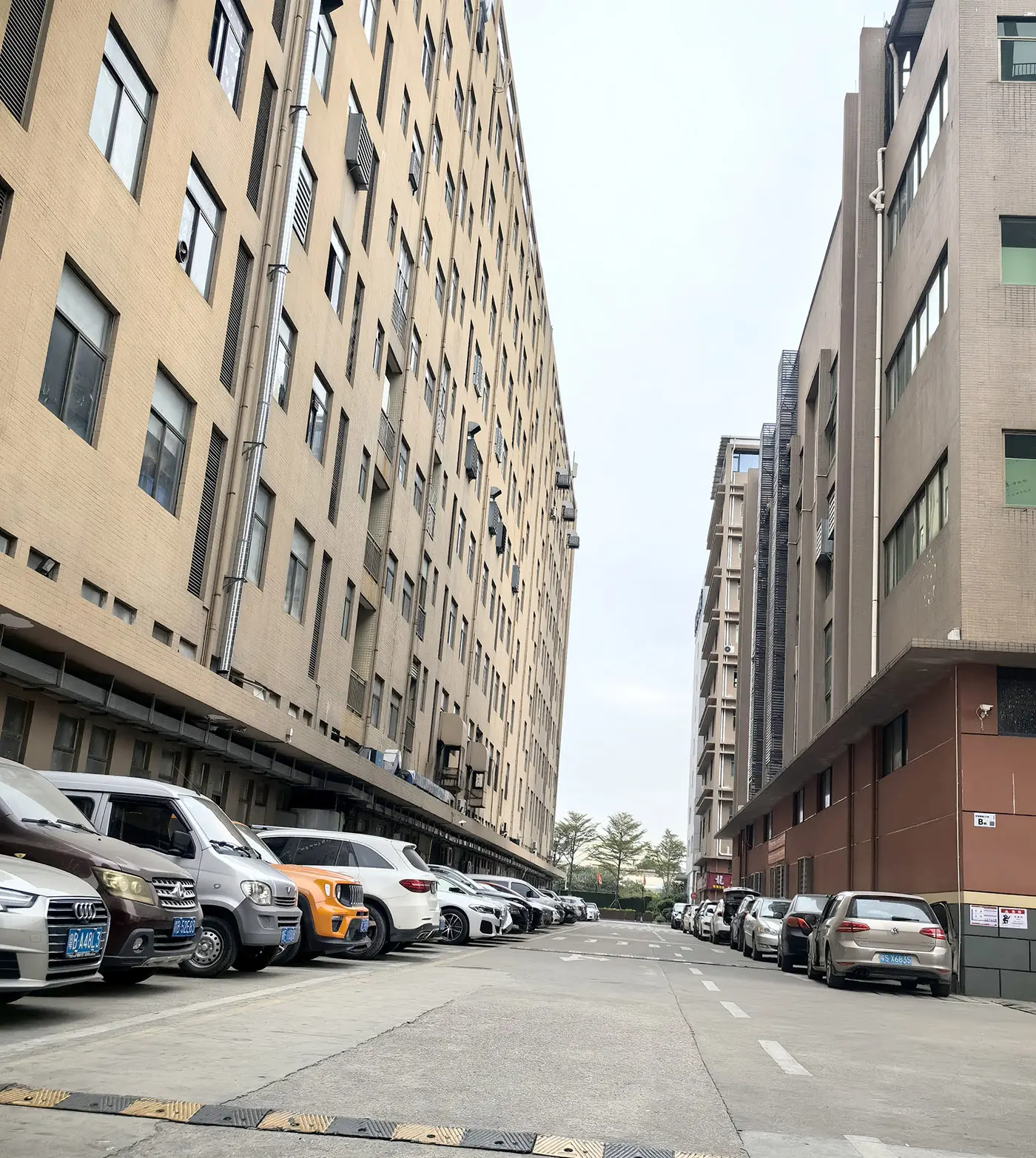
Shenzhen Snow Peak Clean Technology Co., Ltd. is an integrated high-tech enterprise, specialized in air filtration products research and development, production, sales, import and export trade. We produce and supply: Pre-filter, pocket filter, HEPA filter, chemical filter; replacement HEPA filter, car cabin air filter, humidifier filter; pocket filter media, melt-blown composite filter media, and other high-performance filter materials; provide high quality air purification solutions and products for indoor air pollution control and air conditioning systems of civil and industrial buildings, microelectronics, pharmaceutical, laboratory, school, hospital clean room etc.
Combined with self-developed patented technology, our sterilizing antiviral HEPA filter can effectively filtrate fine particles, so that PM2.5 concentration down to 10 micrograms/m3, 5 times better than national standard; effectively inhibit the breeding of microorganisms, sterilization rate up to 99.9%, and no secondary pollution, removal of H1N1 virus efficiency as high as 99.99%.
Having 15 years of international air purification technology experience as the background, our company has standardized production workshop, dust-free filter workshop and first-class technology of HEPA filters production line and inspection line, independent research and development of fully automatic air filter production line, equipped with AMADA CNC punch and CNC bending machine as well as many other advanced high-end equipment, provide a strong guarantee for production and quality of air filtration and purification products.
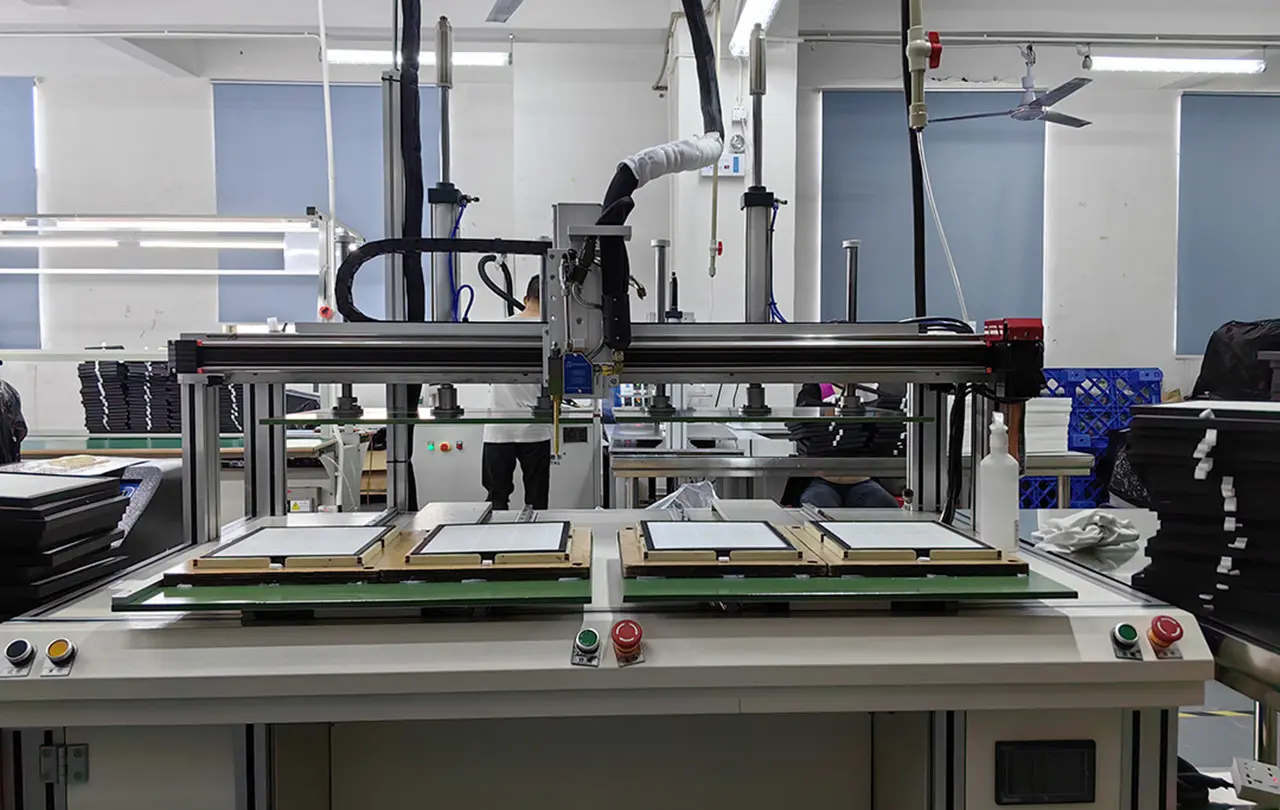
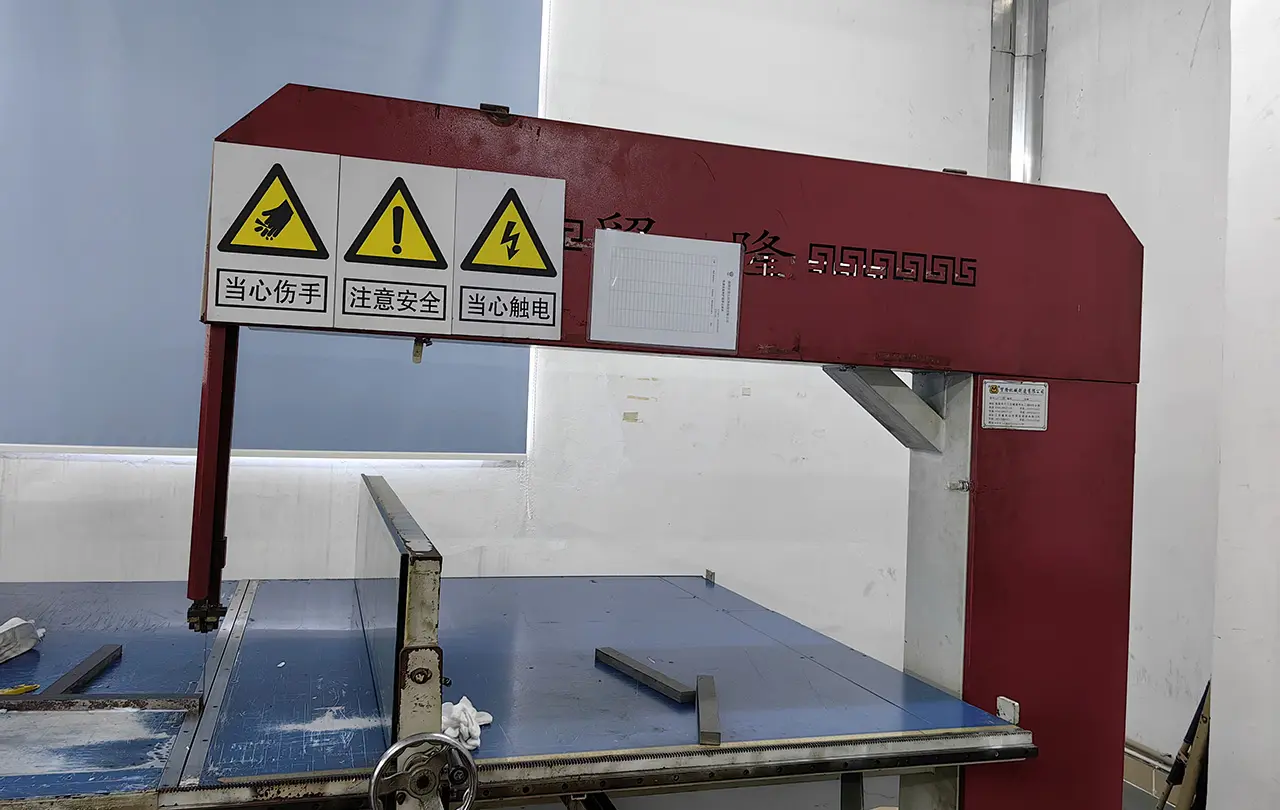
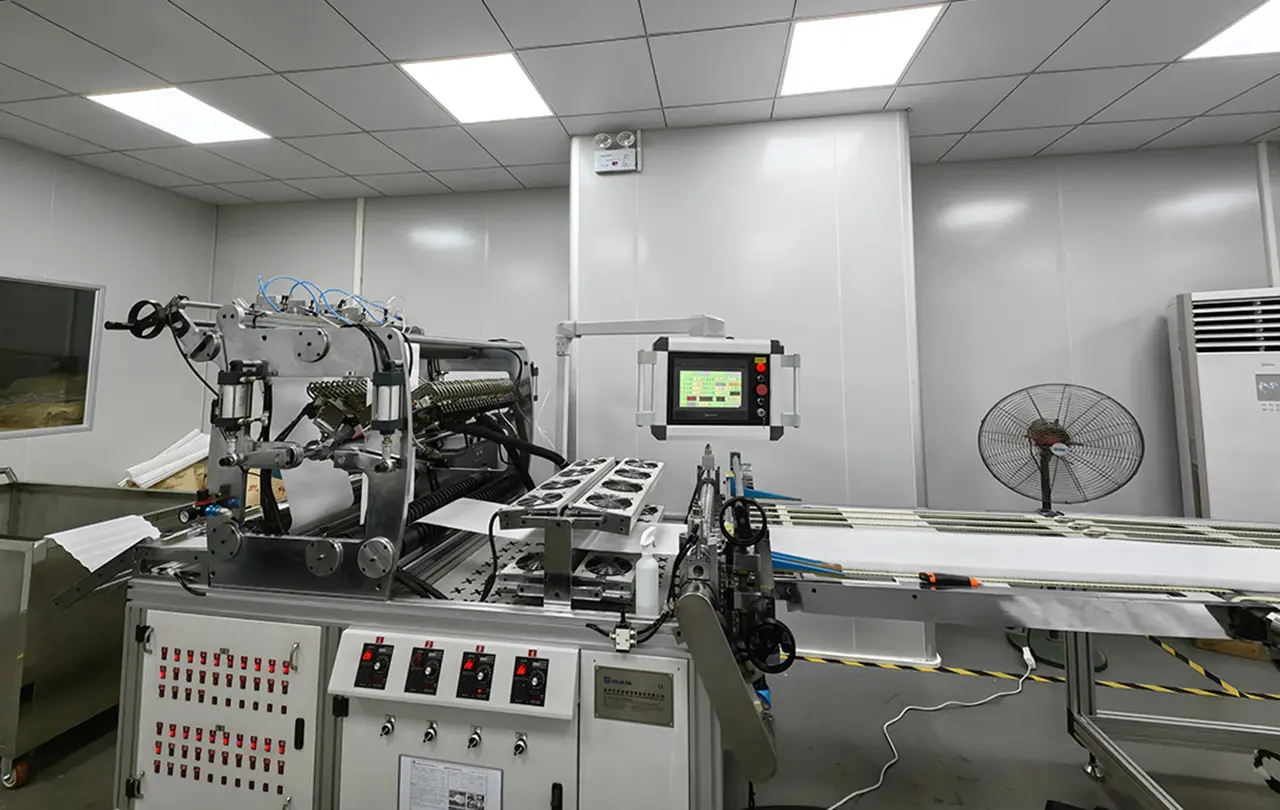
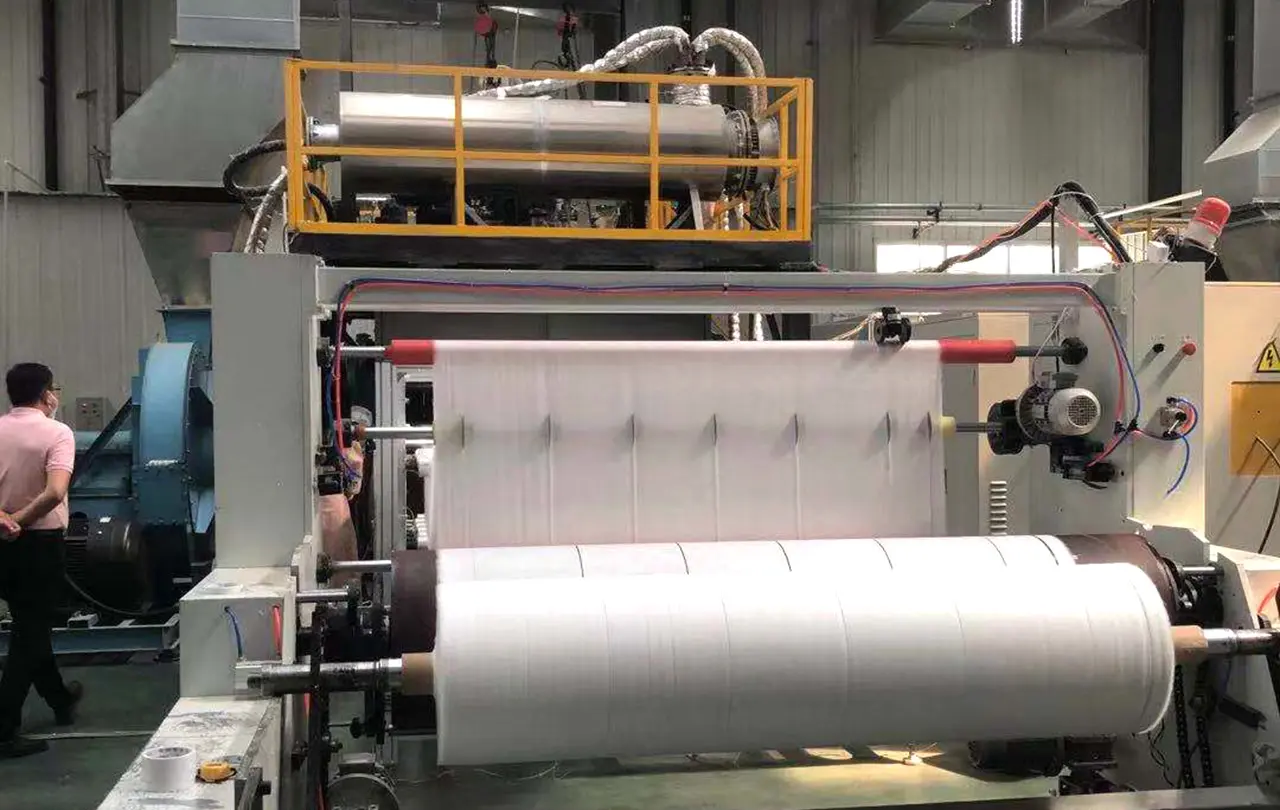
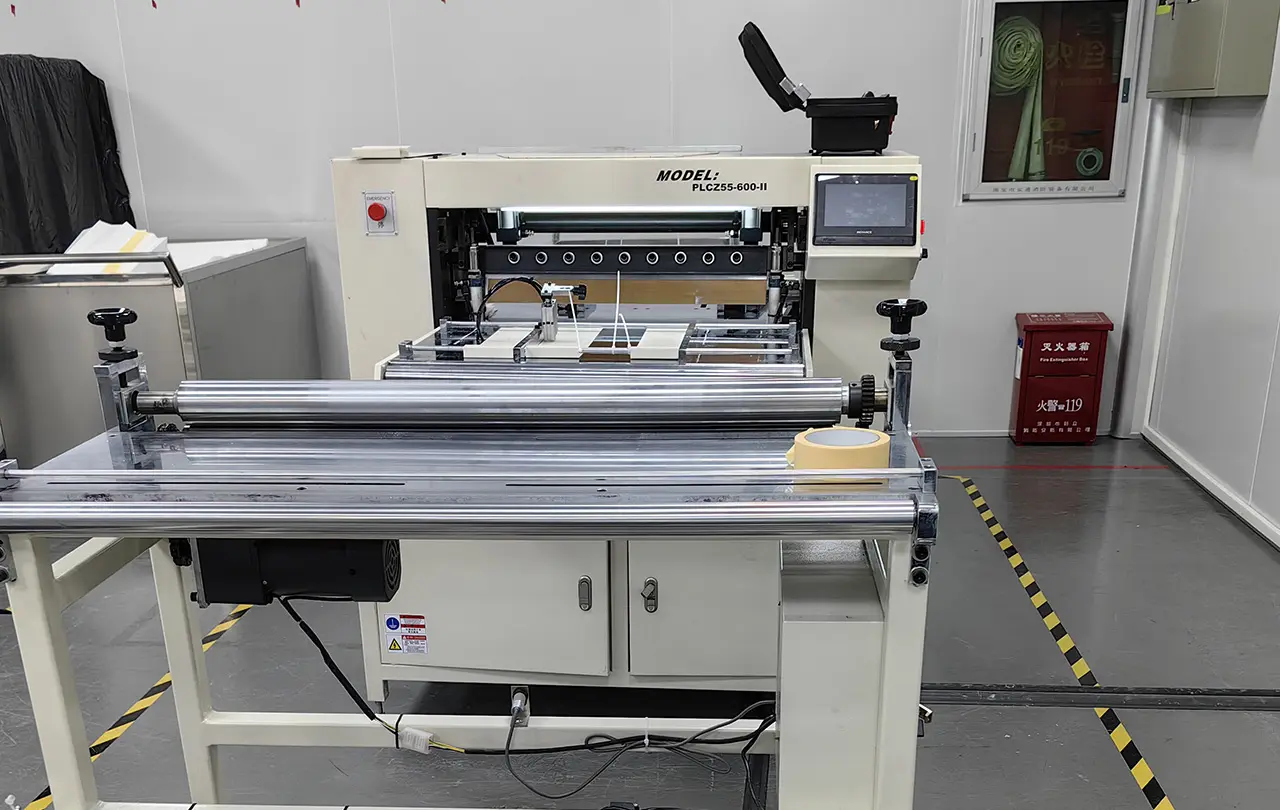
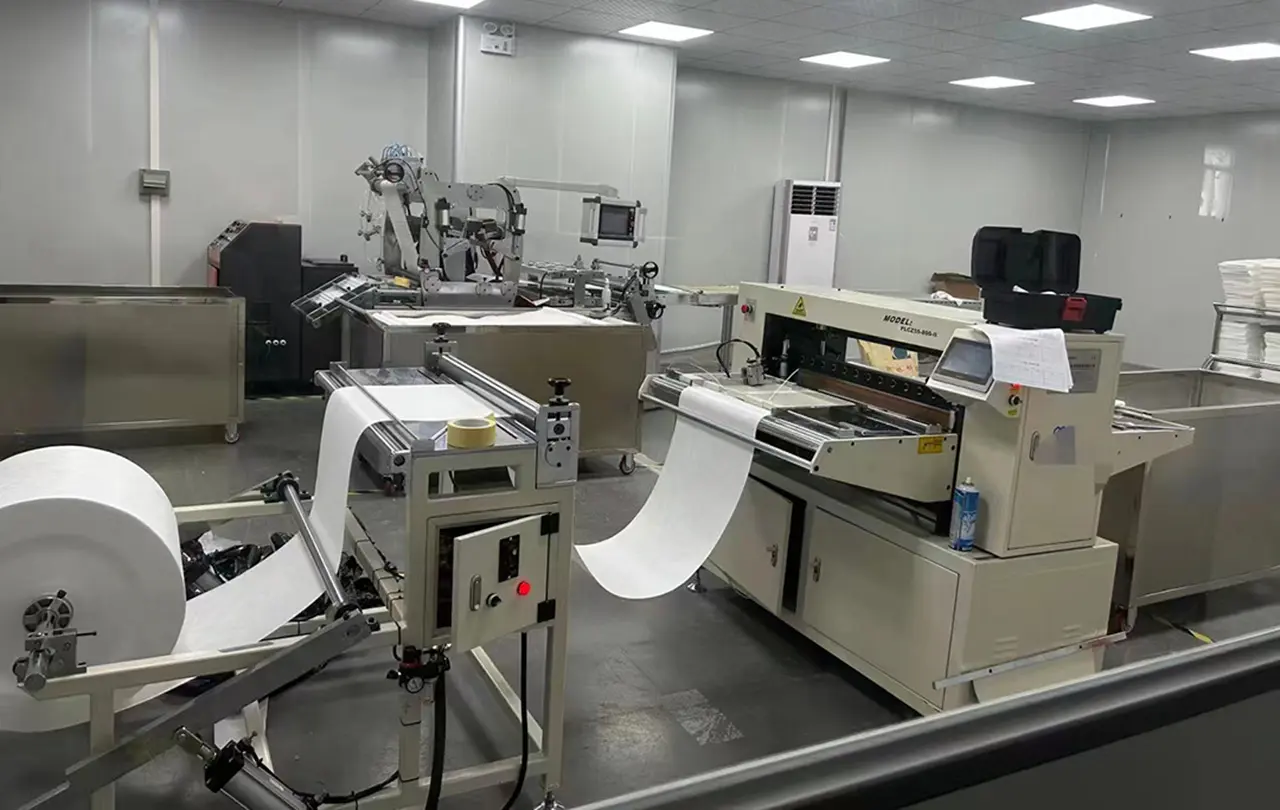
Managing procurement costs in the highly competitive Boston life science market requires a balance between capital outlay and technical performance. By combining domestic design standards (like ASHRAE and EN specifications) with Shenzhen's advanced automated production ecosystem, we provide distinct efficiency advantages for our global partners:
The filtration industry is moving rapidly toward functional hybridization. Modern architectural specifications in historical cities like Boston, which combine old building structures with modern high-velocity HVAC retrofits, face unique dynamic loads. Two key trends dominate current procurement specifications:
1. Gas-Phase (VOC) and Particulate Adsorption Integration: Cities like Boston, with highly concentrated traffic and historical industrial areas, require dual-action media. Combining electrostatic synthetic fibers with active chemical sorbents (activated carbon, honeycomb photocatalysts) allows systems to remove sub-micron combustion particles alongside harmful gaseous pollutants such as NOx, SO2, and formaldehyde.
2. Anti-microbial and Low Resistance Technologies: Standard high-efficiency materials often restrict airflow, causing massive electrical loads. Advanced meltblown processes allow for optimized fiber layouts that maximize dust holding space, reducing pressure drops while including specialized non-leaching antimicrobial coatings that actively deactivate pathogens like viruses and bacteria on contact.Review our extended technical filtration catalog. Click on individual products to access detailed specifications, pressure drop curves, and custom dimension options.
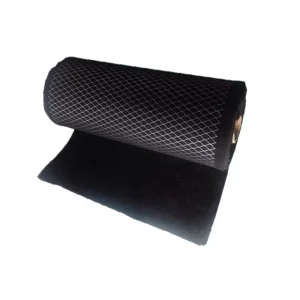
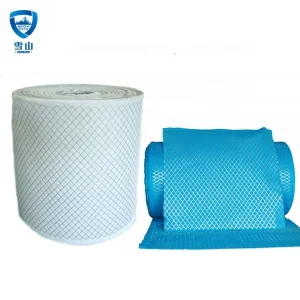
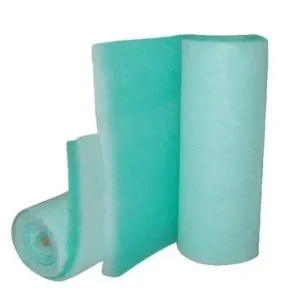
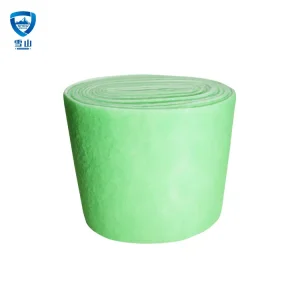
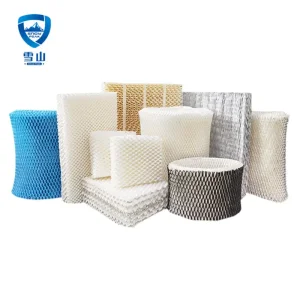
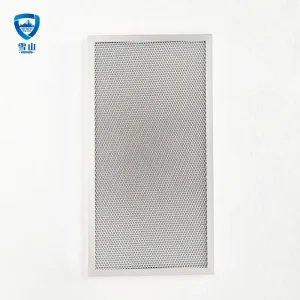
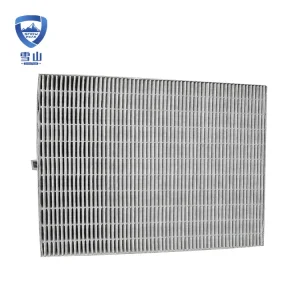
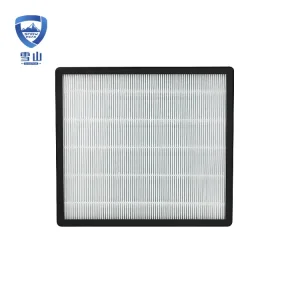
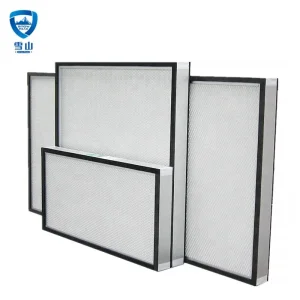
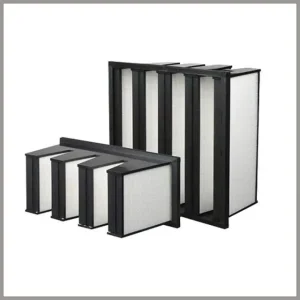
Whether you require EN779 rating documentation or need custom sized samples for local validation runs in Boston, our engineering team is here to assist.
Send Inquiry Now