As Sydney accelerates its transition toward advanced manufacturing, biotechnology, and dense data center infrastructure—particularly across key development zones like the Western Sydney Aerotropolis, Macquarie Park, and Wetherill Park—the requirements for commercial and industrial air filtration have undergone a paradigm shift. Local HVAC engineers and facility managers are increasingly challenged by stringent environment mandates, including compliance with Australian Standard AS 1668.2 (Mechanical ventilation in buildings) and the evolving ISO 16890 global standard for particulate matter filtration.
Environmental variables unique to the Greater Sydney Basin, such as coastal humidity profiles, high atmospheric pollen loads during spring, and periodic bushfire particulate episodes, demand robust pre-filtration and high-efficiency particulate air (HEPA) systems. Standard multi-stage HVAC systems in Sydney's commercial office towers, hospitals, and pharmaceutical cleanrooms rely heavily on premium-grade filter media rolls, pocket bags, and carbon-infused composites to balance indoor air quality with rising energy costs. Ensuring a high dust-holding capacity and low pressure drop is no longer just an operational goal; it is a critical regulatory and financial necessity.
Our comprehensive Air Filter Material Series provides Australian businesses, MEP contractors, and HVAC distributors in Sydney with high-performance, compliant, and cost-efficient filtration media engineered to withstand local environmental challenges.
Explore our foundational air filter materials designed for general HVAC systems, paint spray booths, and commercial buildings across Greater Sydney.
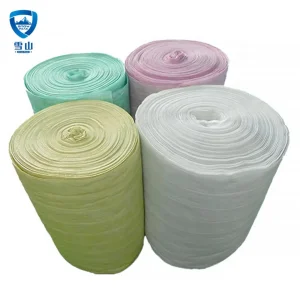
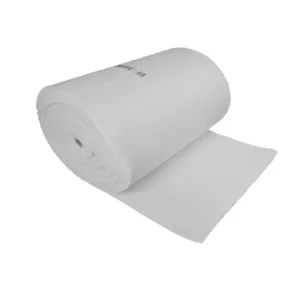
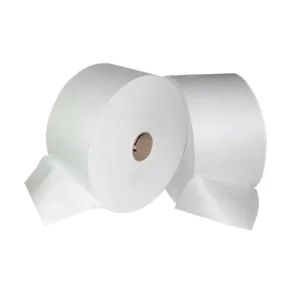
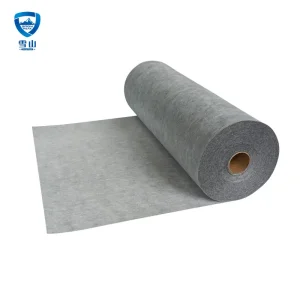
How Sydney industrial buyers can optimize their supply chain, total cost of ownership (TCO), and material selection metrics.
For industrial procurement teams and tier-one mechanical contractors, sourcing air filter materials is a multi-dimensional decision matrix that extends far beyond simple unit pricing. Balancing initial acquisition costs against operational factors—such as pressure drop curves, dust-holding capacity (DHC), and service life—is fundamental to minimizing the Total Cost of Ownership (TCO). A lower-grade filter media with a high initial resistance increases energy consumption in AHUs (Air Handling Units), directly driving up electricity expenses for Sydney facility owners.
We mitigate these supply chain risks by maintaining highly efficient, high-capacity production facilities that supply consistent, certified filter media rolls and customized panels directly to the Australian market. By manufacturing our media using strict quality control parameters, we provide material uniformity that ensures repeatable performance for local filter frame builders and fabricators. This consistency helps Australian importers reduce manufacturing defects, streamline testing, and maintain predictable procurement schedules.
Our low-resistance synthetic and meltblown materials reduce the static pressure load on HVAC blowers, cutting operational power consumption by up to 18% compared to standard media alternatives.
Graduated density fiber structures trap larger particulates on the outer layers while capturing sub-micron particles deep within the core, doubling the service lifespan of typical filters.
An engineering overview of Shenzhen Snow Peak's patented high-performance media formulations and mechanical technologies.
At Shenzhen Snow Peak Clean Technology Co., Ltd., our R&D roadmap focuses on developing nano-fiber arrays and advanced electrostatic composite media to achieve maximum particle retention without sacrificing airflow efficiency. Our patented sterilizing antiviral HEPA filter technology represents a significant leap forward in bio-hazard protection. By integrating active antiviral agents into the molecular structure of the glass fiber and synthetic substrates, our filters inhibit microbial breeding, achieving a sterilization rate of 99.9% and a removal efficiency for H1N1 virus as high as 99.99%.
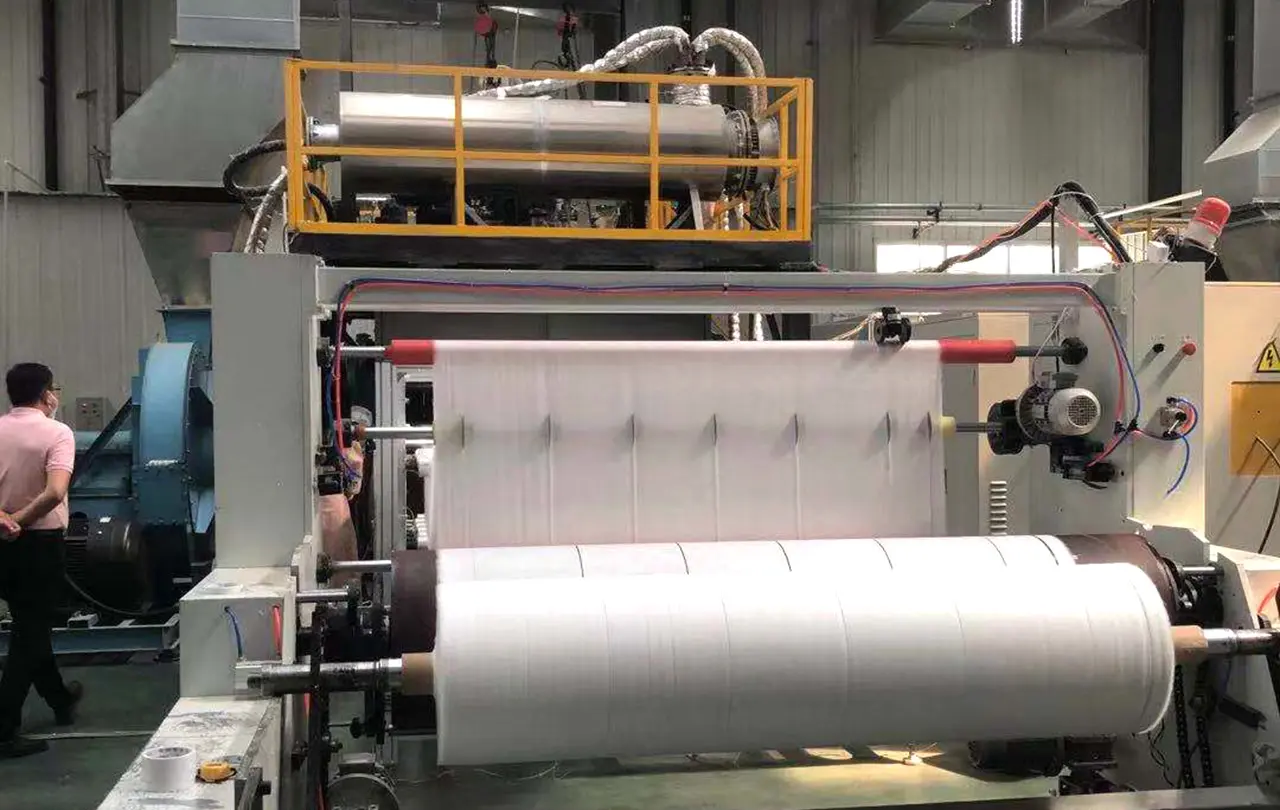
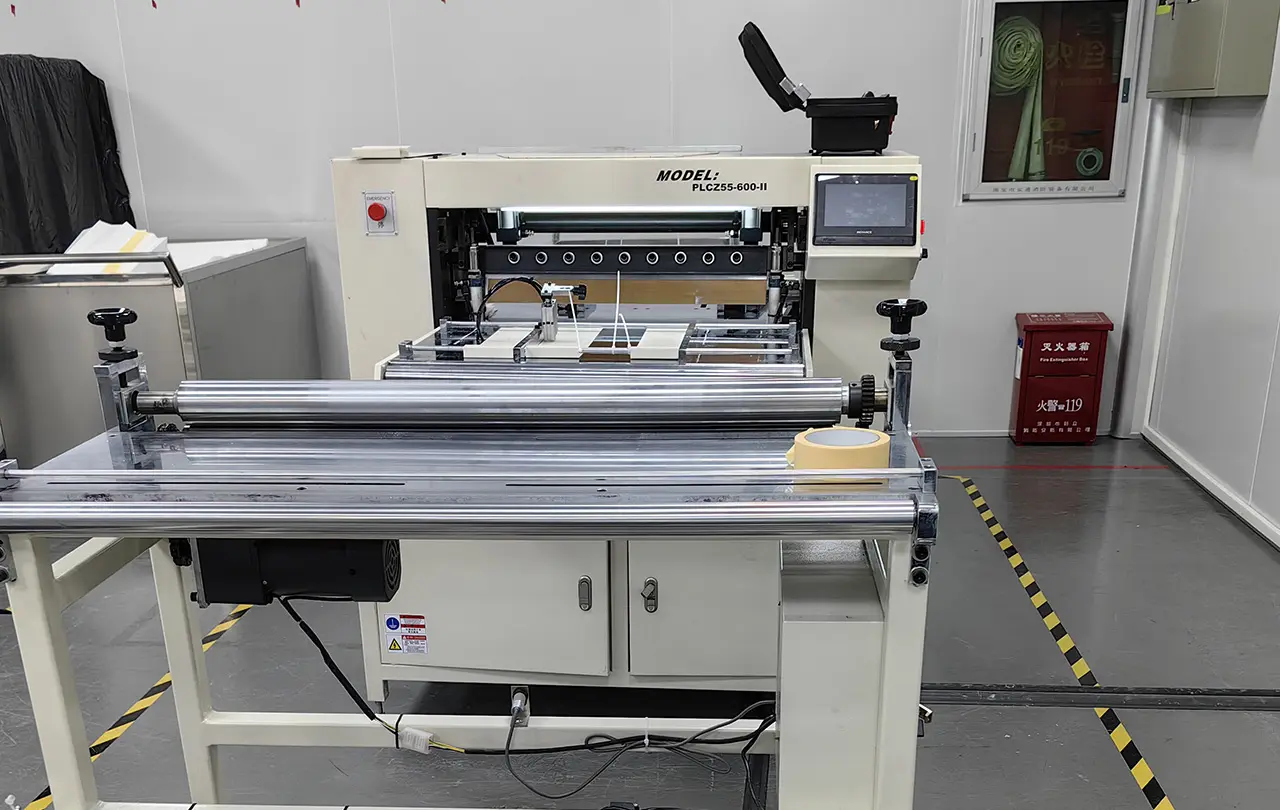
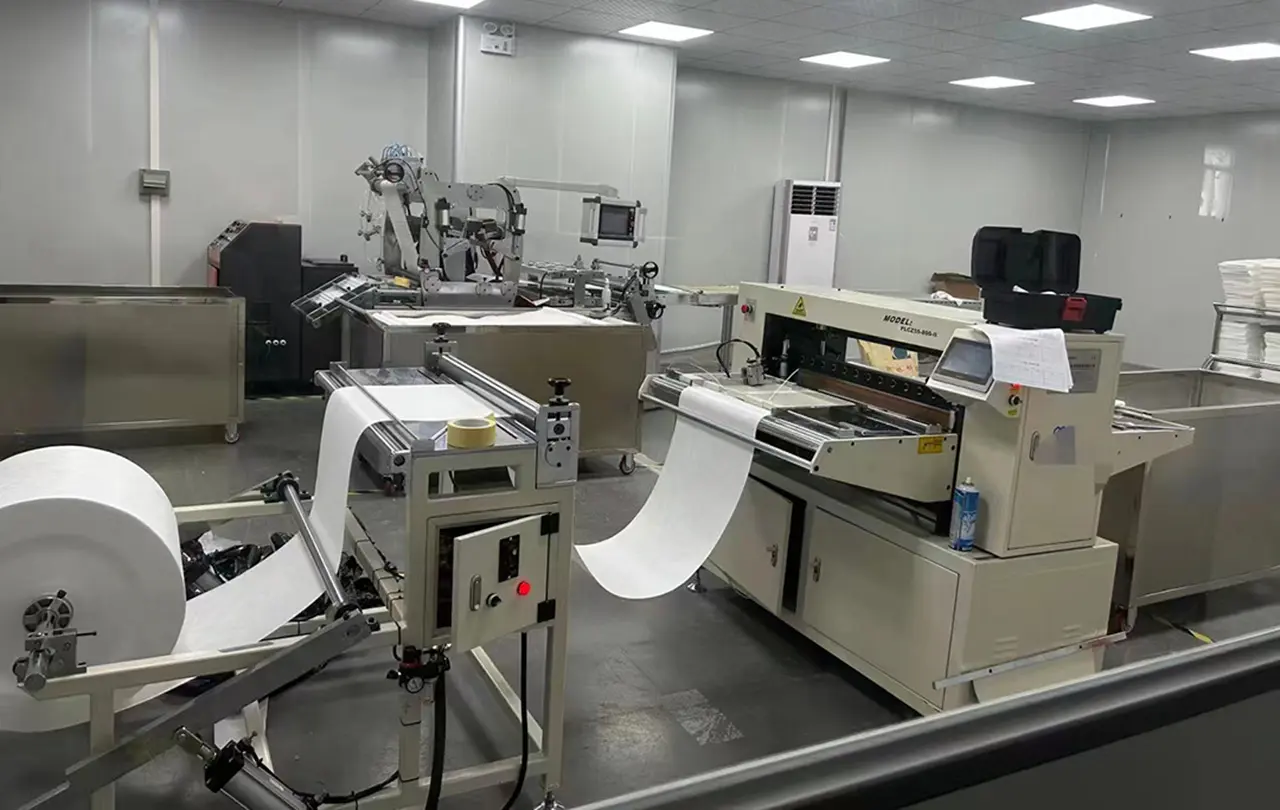
Furthermore, our technology actively drives PM2.5 concentrations down to 10 micrograms/m³, five times cleaner than typical international ventilation targets. Our facility is equipped with automated pleating systems, heavy-duty gluing systems, and precision metal fabricators like AMADA CNC punches and CNC bending machines. This ensures that every roll, cylinder, and pleated panel we export to Sydney matches the exact dimensions of local air handlers and dust collection systems.
We operate as an integrated high-tech enterprise, specialized in air filtration products research, development, production, and international trade. From pre-filters to chemical media and deep-pleat cleanroom HEPA panels, our manufacturing facilities deliver consistent quality.
Our standard manufacturing line includes high-efficiency HEPA testing loops, laser scanners for pinhole leaks, and computerized media tester systems, providing a complete guarantee of operational performance.
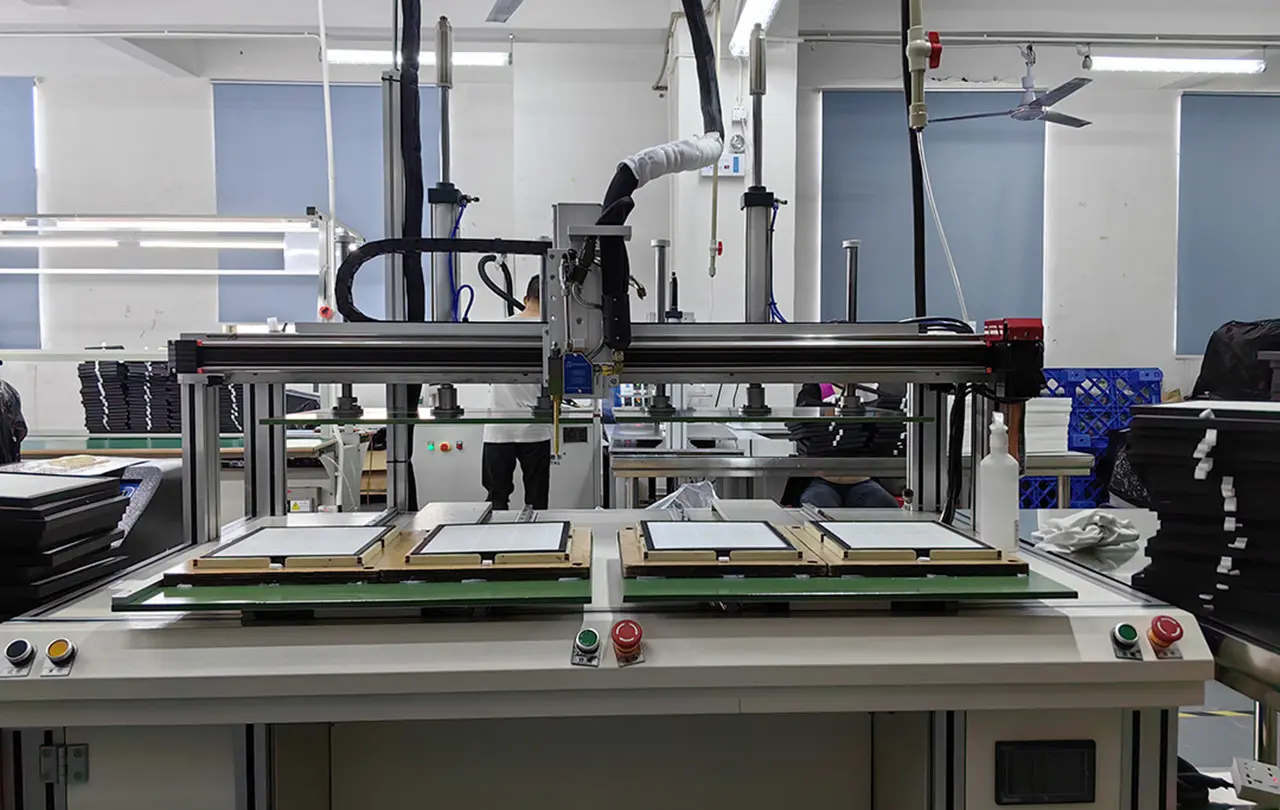
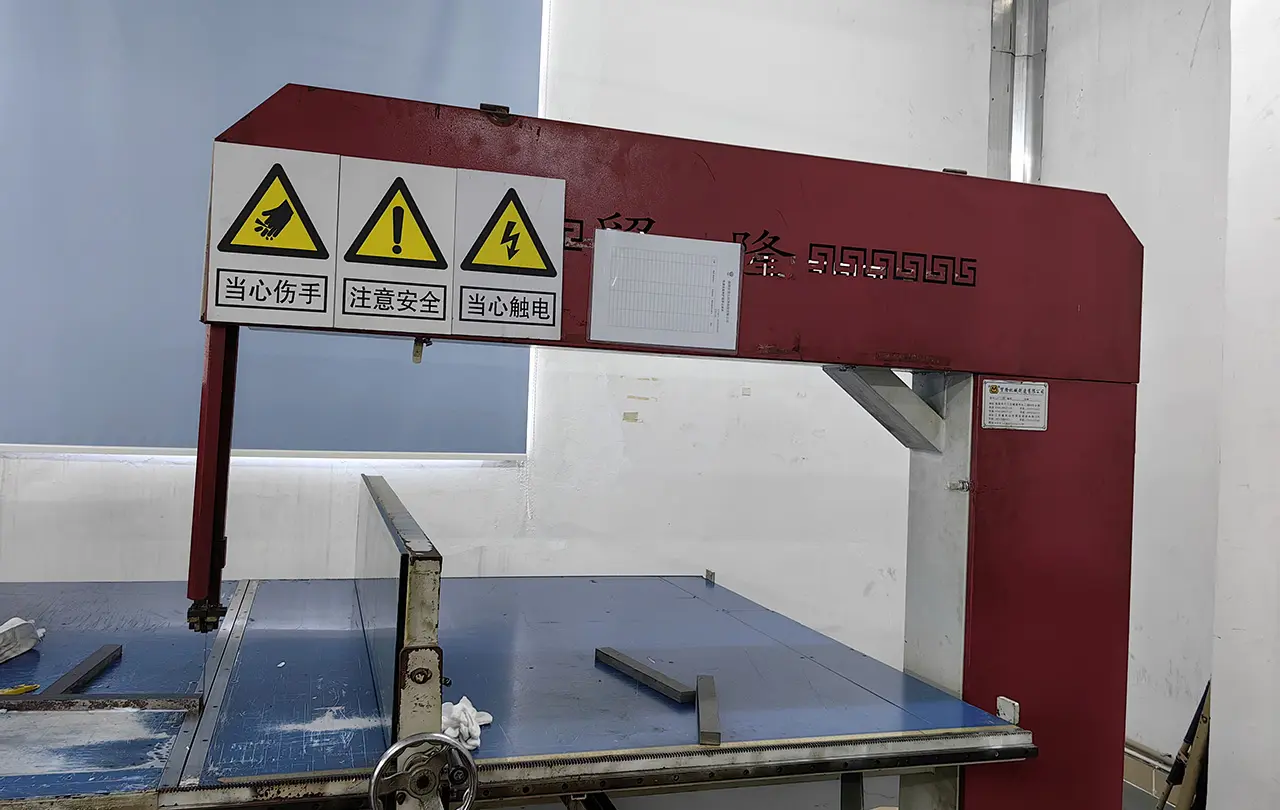
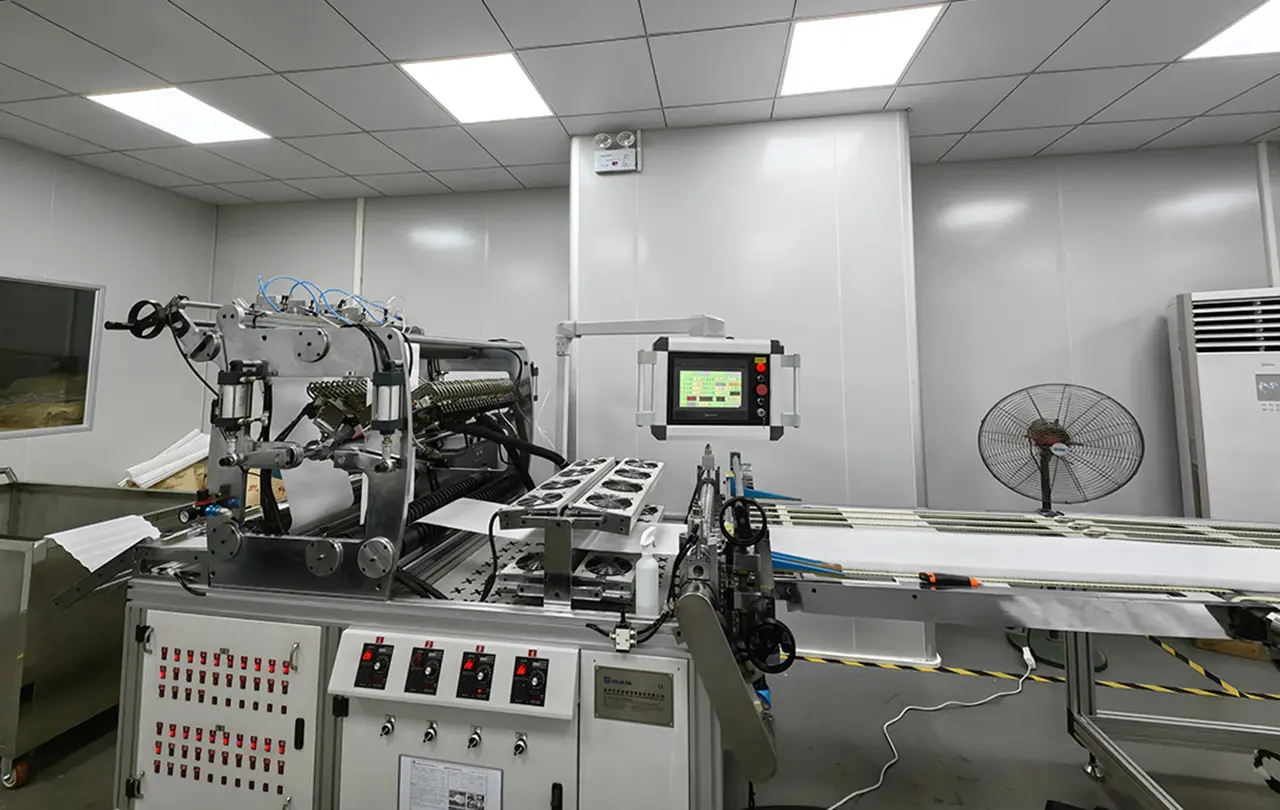
High-performance media, chemical adsorbents, and HEPA materials optimized for cleanrooms, laboratories, and heavy industrial applications serving Sydney.
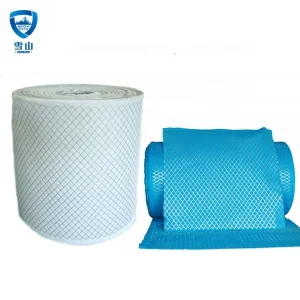
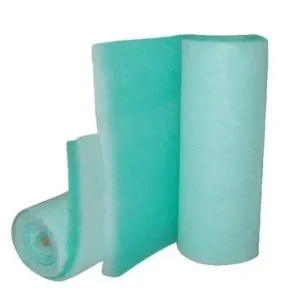
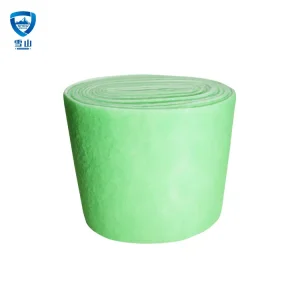
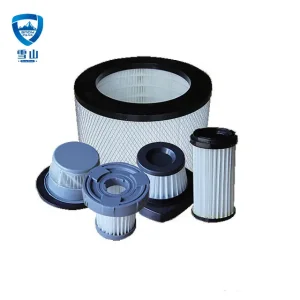
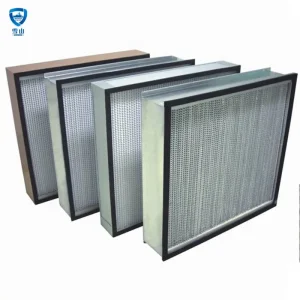
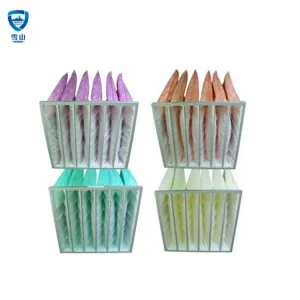
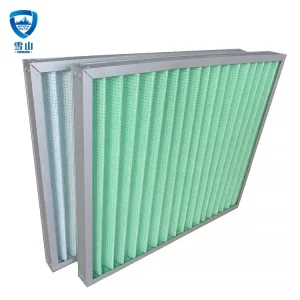
Understanding standard compliance, certification alignment, and reliable distribution logistics in Oceania.
Navigating Australian building codes requires components that meet local standards. In Australia, general ventilation filters are tested and categorized under AS 1324.1, which covers performance testing of air cleaning devices. At the same time, high-efficiency systems in critical care and pharmaceutical operations must align with AS 4260 (High efficiency air filters - laminar flow cleanrooms). Our production lines and testing systems verify that each material series matches the required rating systems, allowing local designers to integrate them directly into their designs.
Our global shipping operations ensure seamless delivery from our production centers to the Port of Sydney. We handle customized labeling, roll length customizations, and protective packaging to prevent damage during transit. Whether you are an OEM filter manufacturer looking for G4 polyester synthetic media rolls or a mechanical contractor seeking specialized H13 cylindrical replacements for a local industrial plant, our logistics team simplifies the procurement process.
Fully certified manufacturing processes that comply with international safety, environmental, and engineering standards.
Custom structural specifications, pleat depths, and specialized media laminations tailored to unique Australian project requirements.
Detailed answers to complex material science and procurement questions frequently asked by HVAC engineers and distributors.
 Snow Peak